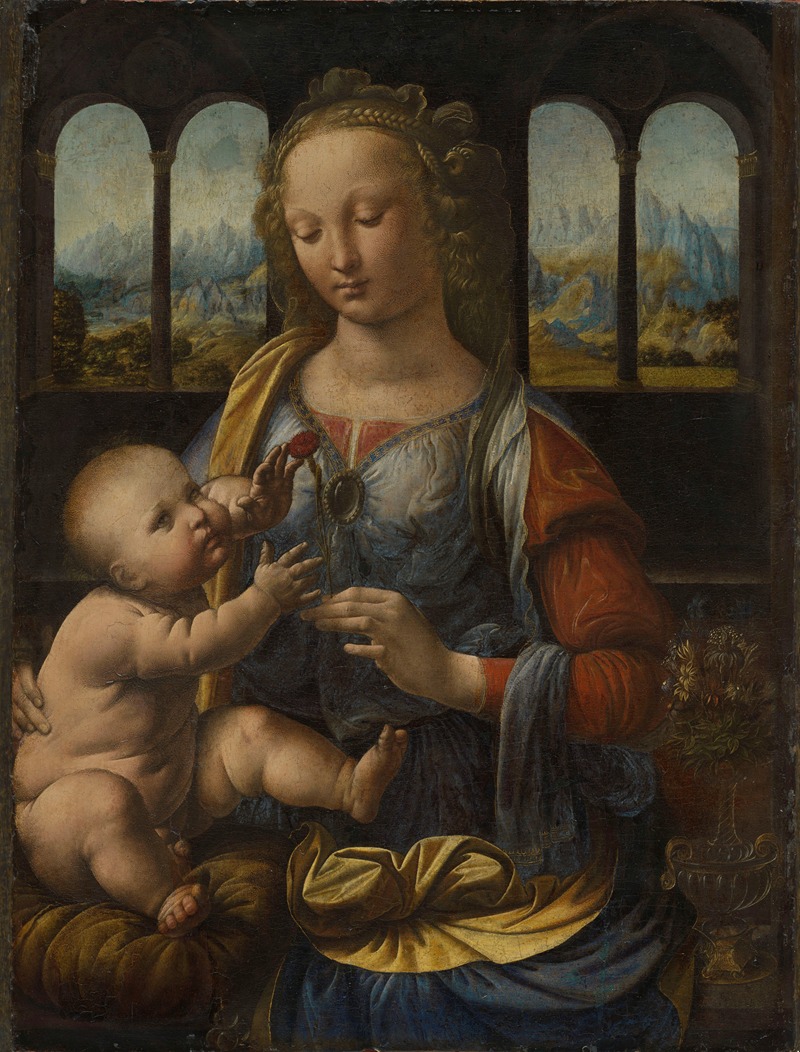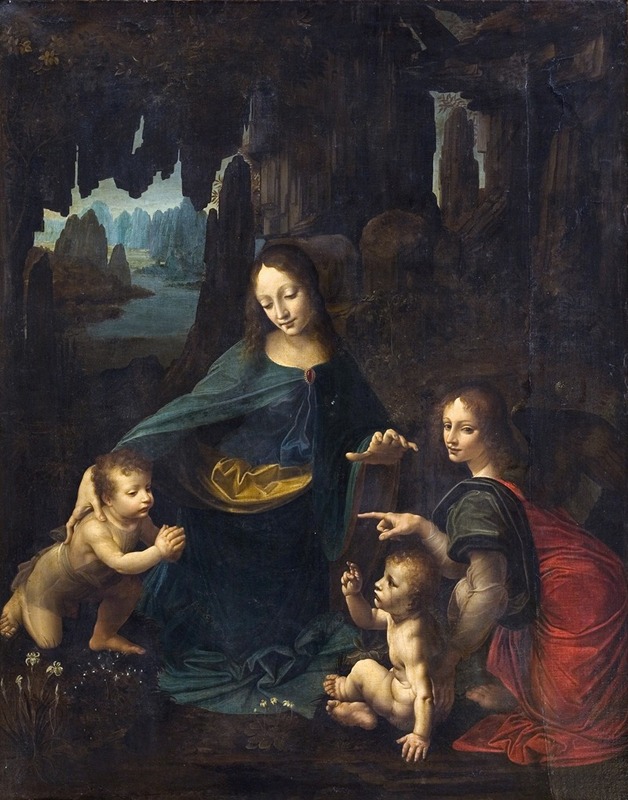
Discover insights about this artwork
The Entombment of Christ — History & Facts
In The Entombment of Christ, Caravaggio presents a somber scene filled with deep emotion. The painting features Christ's lifeless body being lowered into a tomb, surrounded by mourners. Rich, dark colors dominate the composition, emphasizing the gravity of the moment.
The figures are rendered with dramatic chiaroscuro, creating a stark contrast between light and shadow. The painting is executed in oil on canvas, a common medium for Caravaggio. It measures approximately 300 x 200 cm, making it a large and impactful work. The artist's use of realistic details and textures draws the viewer into the scene.
Each figure is carefully positioned, enhancing the narrative of grief and loss. Caravaggio, a leading figure of the Baroque movement, is known for his innovative use of light and realism. This particular work was created around 1603 and is housed in the Museo di Capodimonte in Naples. An interesting fact about this painting is that it was commissioned for a chapel in the church of Santa Maria in Vallicella, reflecting the artist's deep connection to religious themes.
The intense emotional expression in the faces of the mourners is a hallmark of Caravaggio's style.
More Artworks by Caravaggio
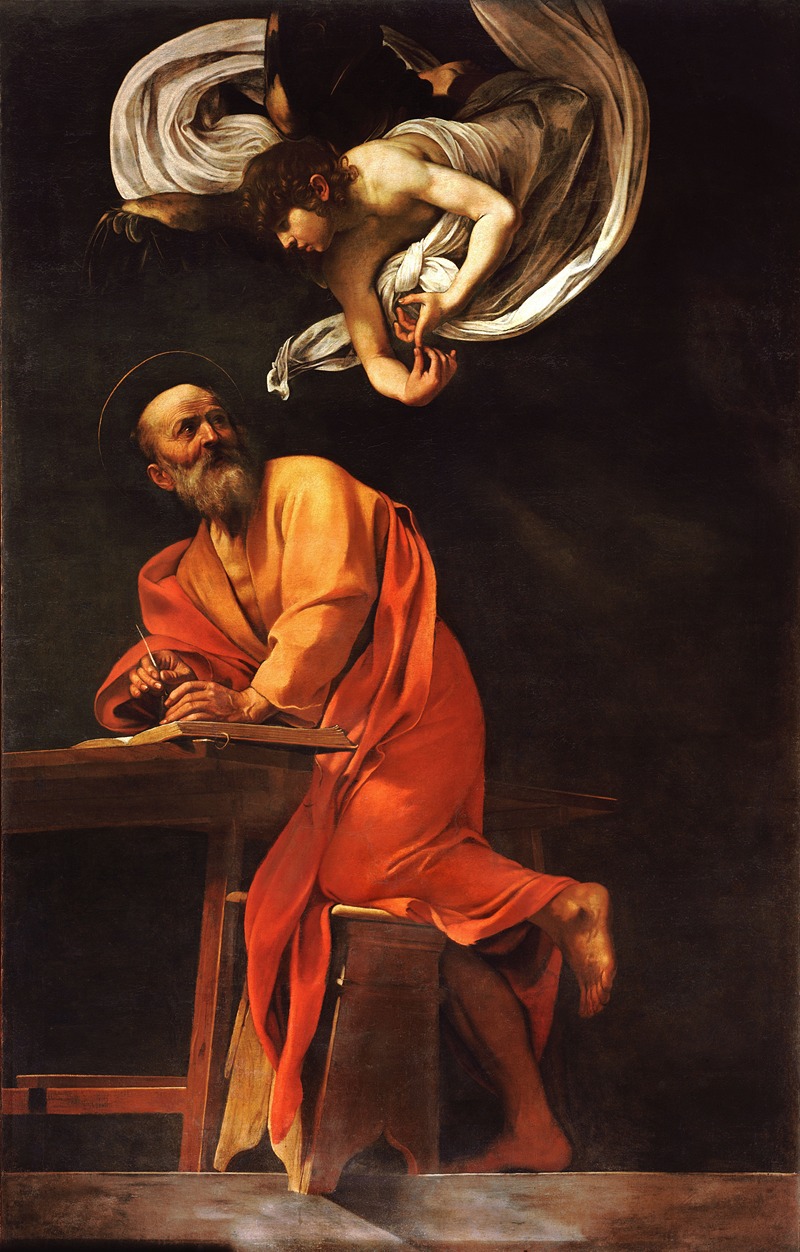
Saint Matthew and the angel
Caravaggio

Medusa
Caravaggio
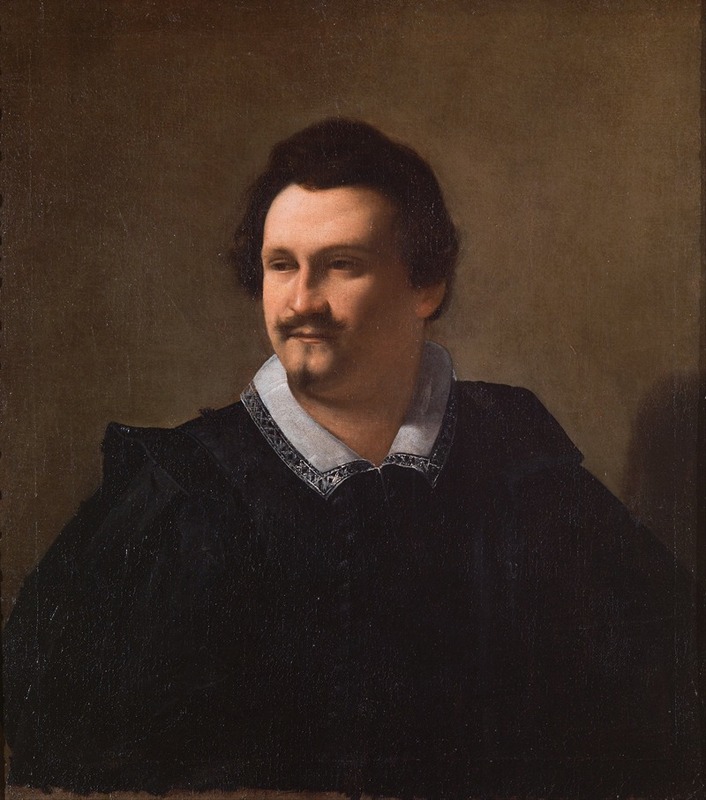
Portrait of a gentleman (Scipione Borghese)
Caravaggio
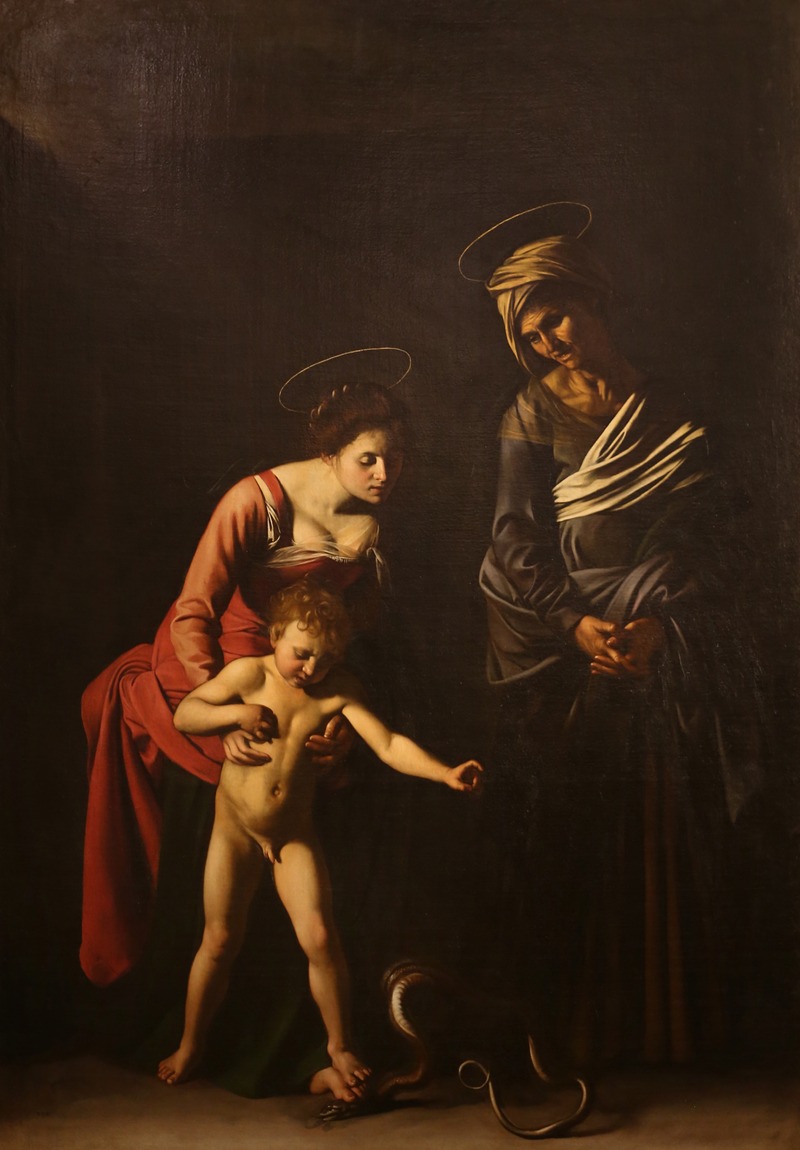
Madonna and Child with Saint Anne
Caravaggio
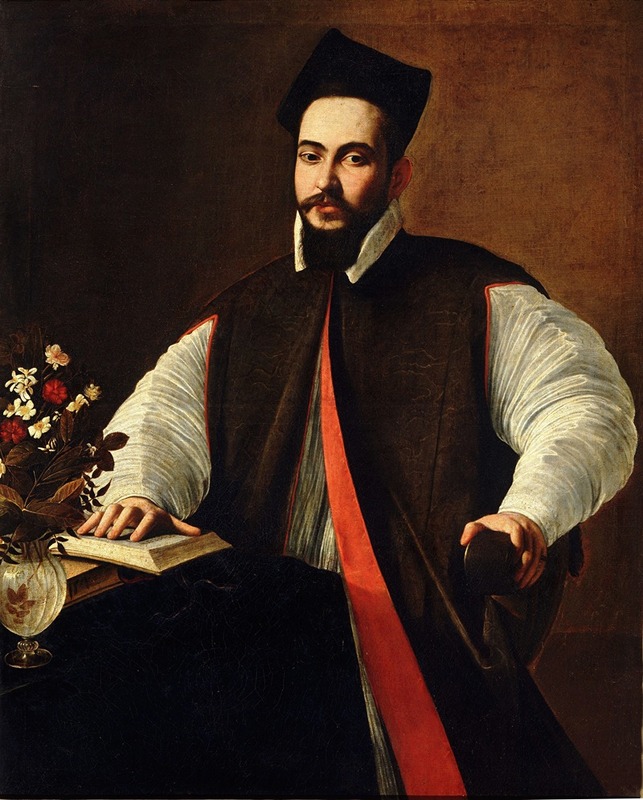
Portrait of Pope Urban VIII
Caravaggio
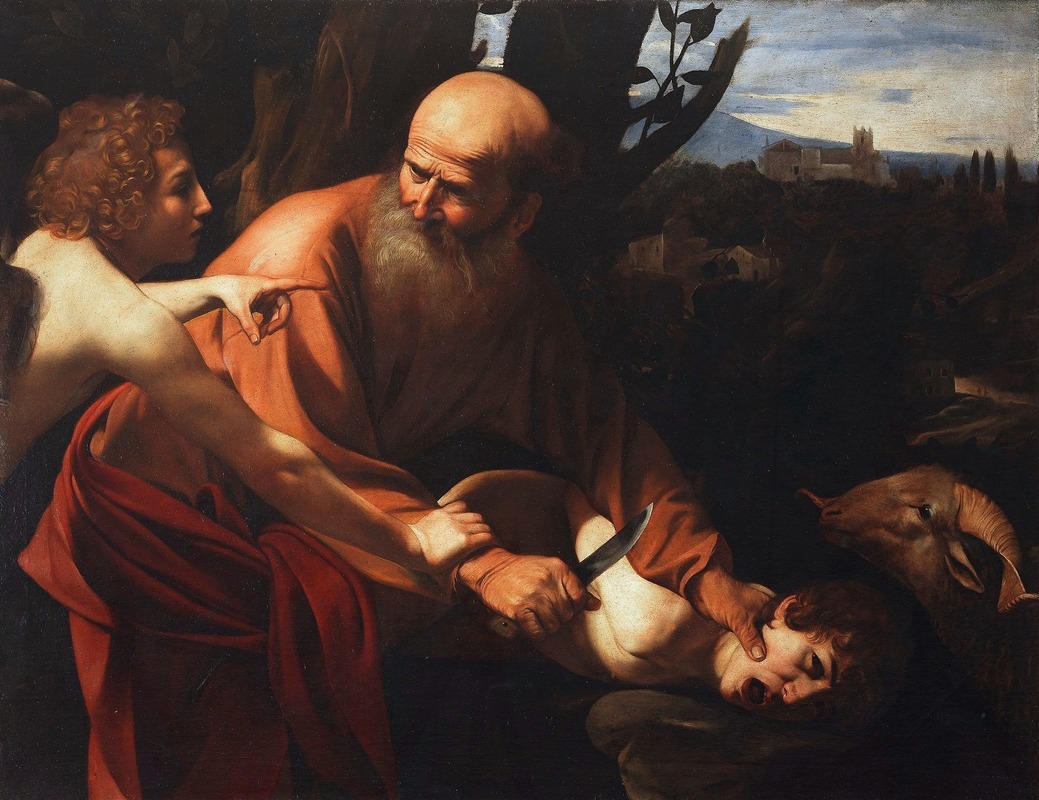
Sacrifice of Isaac
Caravaggio
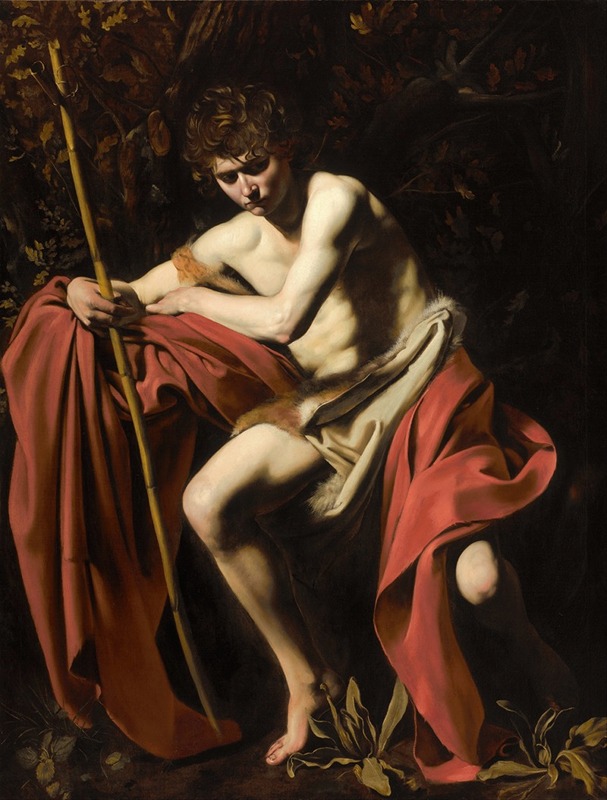
Saint John The Baptist In The Wilderness
Caravaggio
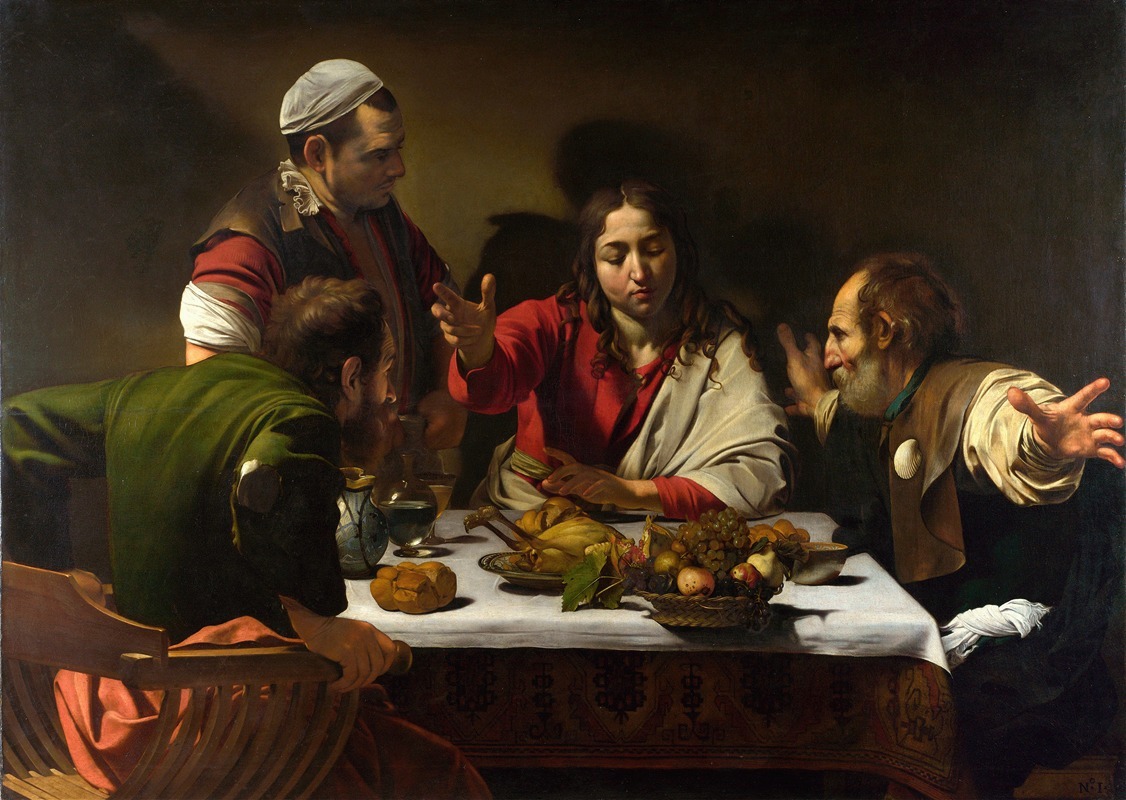
Supper at Emmaus
Caravaggio
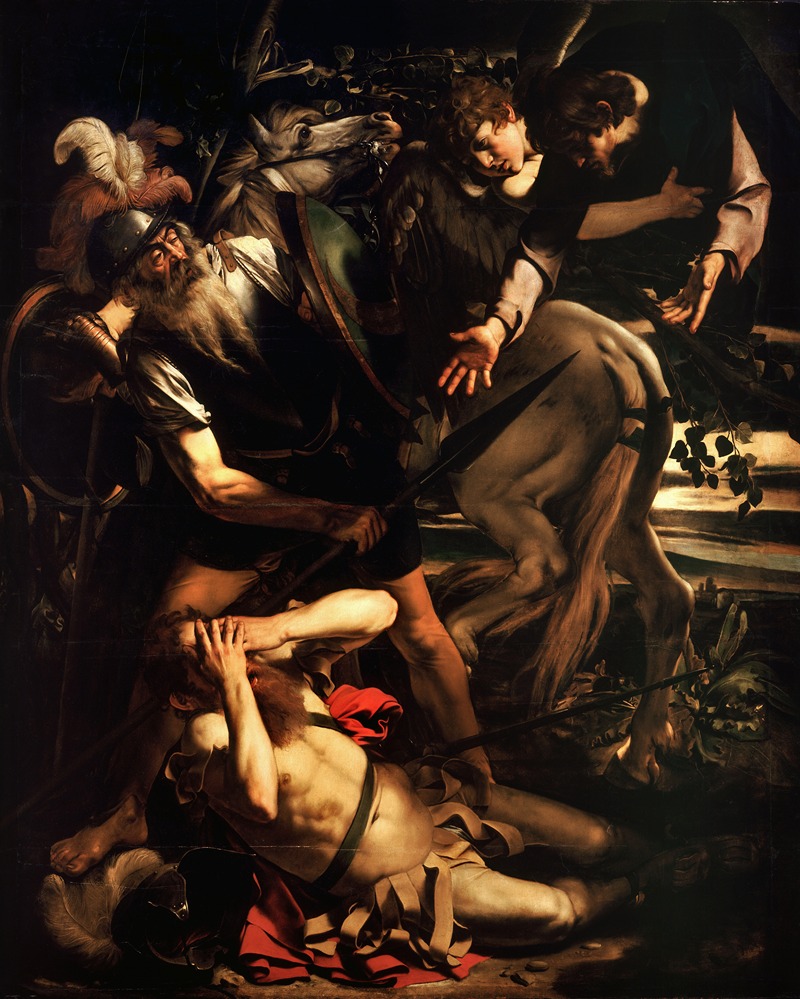
The Conversion of Saint Paul
Caravaggio
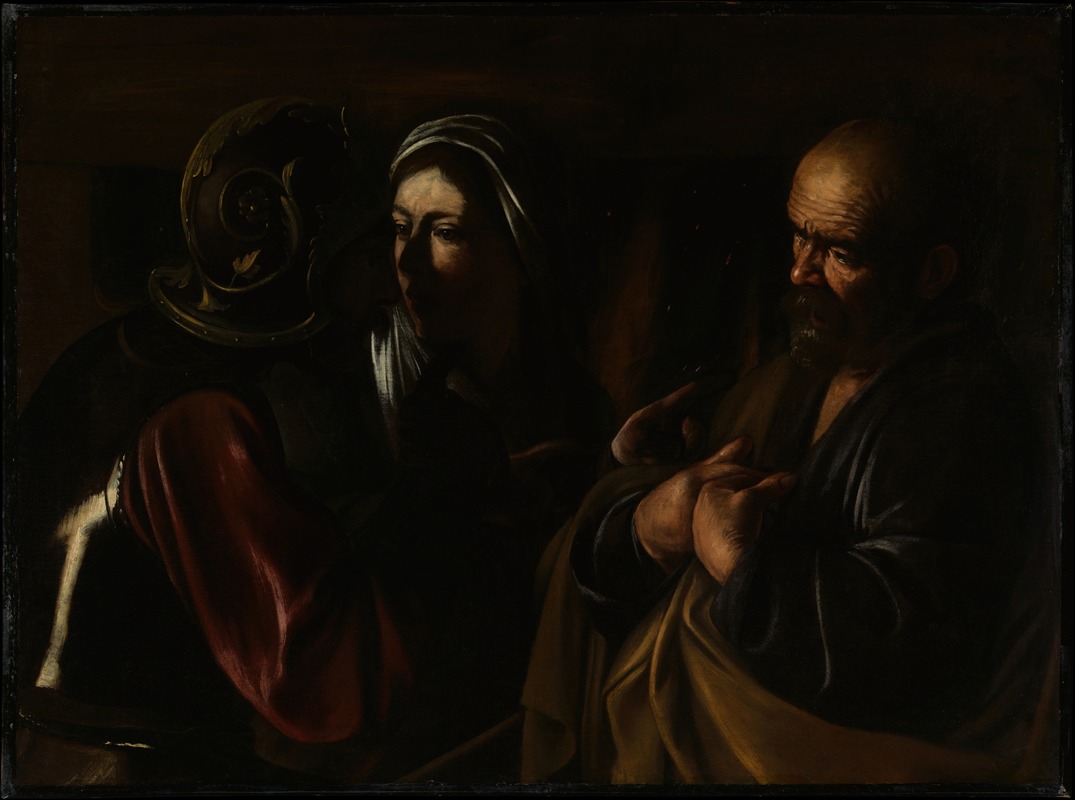
The Denial of Saint Peter
Caravaggio