
The Doctor’s Examination — History & Facts
No painting better captures the curious intersection of medicine, gender, and social ritual in the Dutch Golden Age than The Doctor’s Examination by Godfried Schalcken. This work belongs to a genre known as the "doctor’s visit," a popular subject in seventeenth-century Dutch art, where the physician’s diagnosis often masked a playful commentary on love and desire. In these scenes, the doctor’s presence was as much about the patient’s heart as her health, and viewers of the time would have recognized the sly humor embedded in the tableau.
Schalcken, renowned for his candlelit interiors, brings a particular intimacy to this familiar theme. A young woman sits demurely as the doctor examines a vial of her urine, a common diagnostic practice of the era known as uroscopy. Her downcast eyes and the physician’s grave expression suggest a moment of suspense, yet the objects on the table—a love letter, a rose, perhaps a discarded glove—hint at another diagnosis entirely: lovesickness. Schalcken’s soft, glowing light focuses our attention on the doctor’s hands and the luminous glass, turning a medical ritual into a scene of quiet drama.
Unlike Jan Steen’s boisterous and satirical treatments of the same subject, Schalcken’s approach is restrained, inviting us to read between the lines of propriety and longing. The exact origins and early history of The Doctor’s Examination remain uncertain, as is often the case with Schalcken’s smaller cabinet pieces. It is likely the painting was created for a private collector, intended for intimate viewing and conversation. Schalcken’s reputation for refined technique and subtle storytelling made his works highly sought after among Dutch and English patrons alike.
Today, this painting is recognized as a prime example of the artist’s skill in merging genre painting with psychological insight, and it continues to provoke discussion about the boundaries between science, society, and sentiment in the Dutch Baroque.
More Artworks by Godfried Schalcken

Young Man and Woman Studying a Statue of Venus, by Lamplight
Godfried Schalcken

Portrait of an Artist in His Studio
Godfried Schalcken
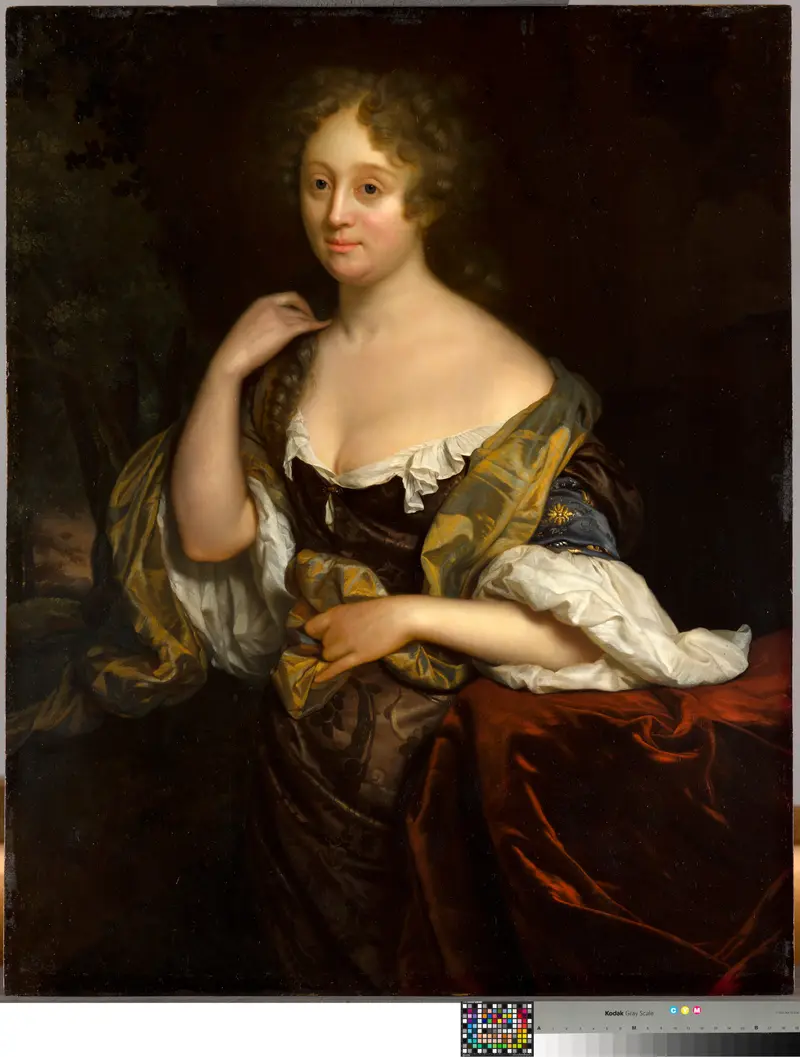
Portrait of Isabella Agneta Deutz
Godfried Schalcken
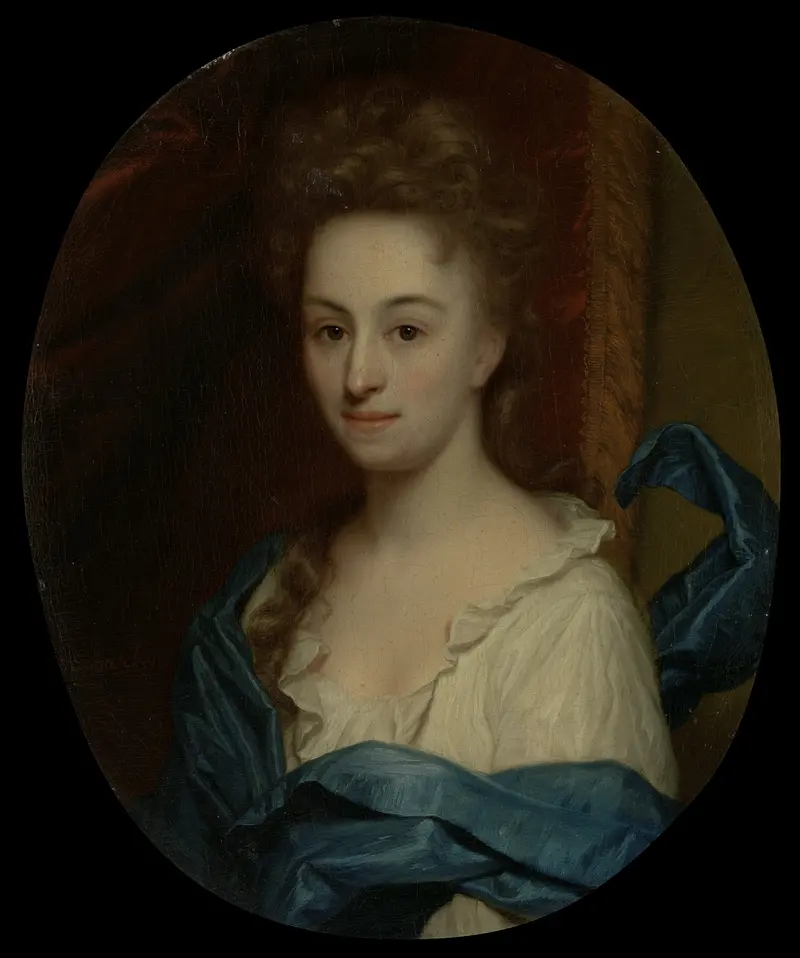
Portrait of Josina Clara van Citters (1671-1753), daughter of Josina Parduyn
Godfried Schalcken
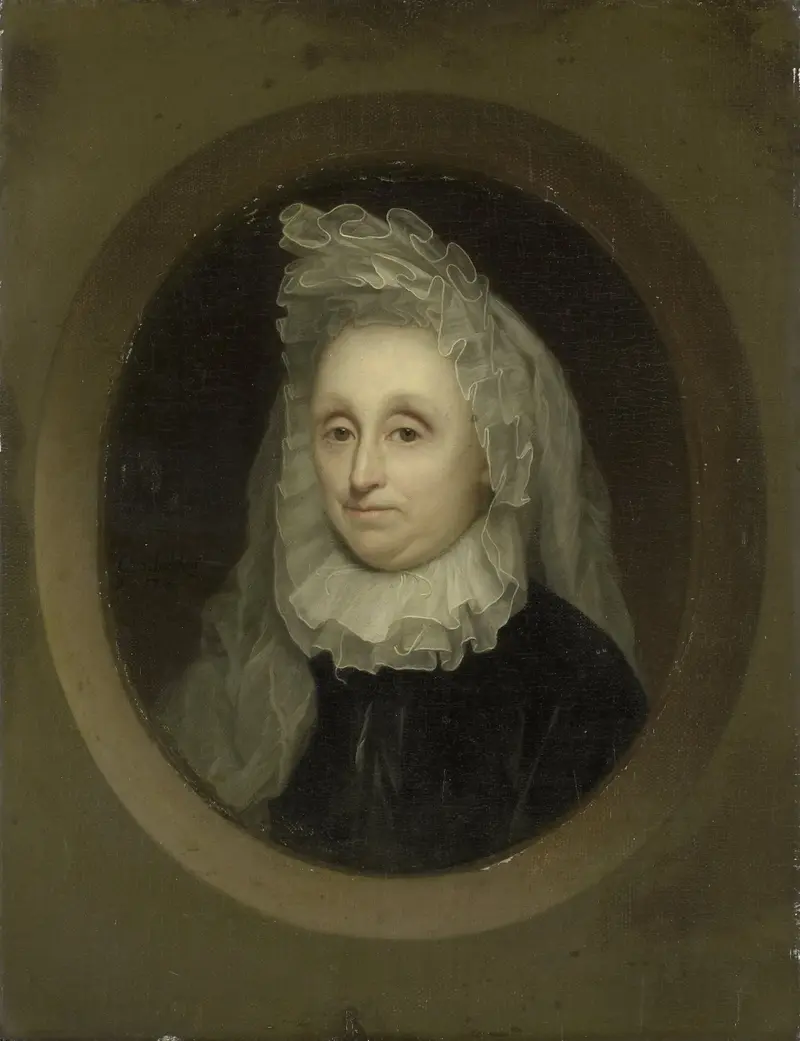
Portrait of Josnia Parduyn (1642-1718), second wife of Aernout van Citters
Godfried Schalcken
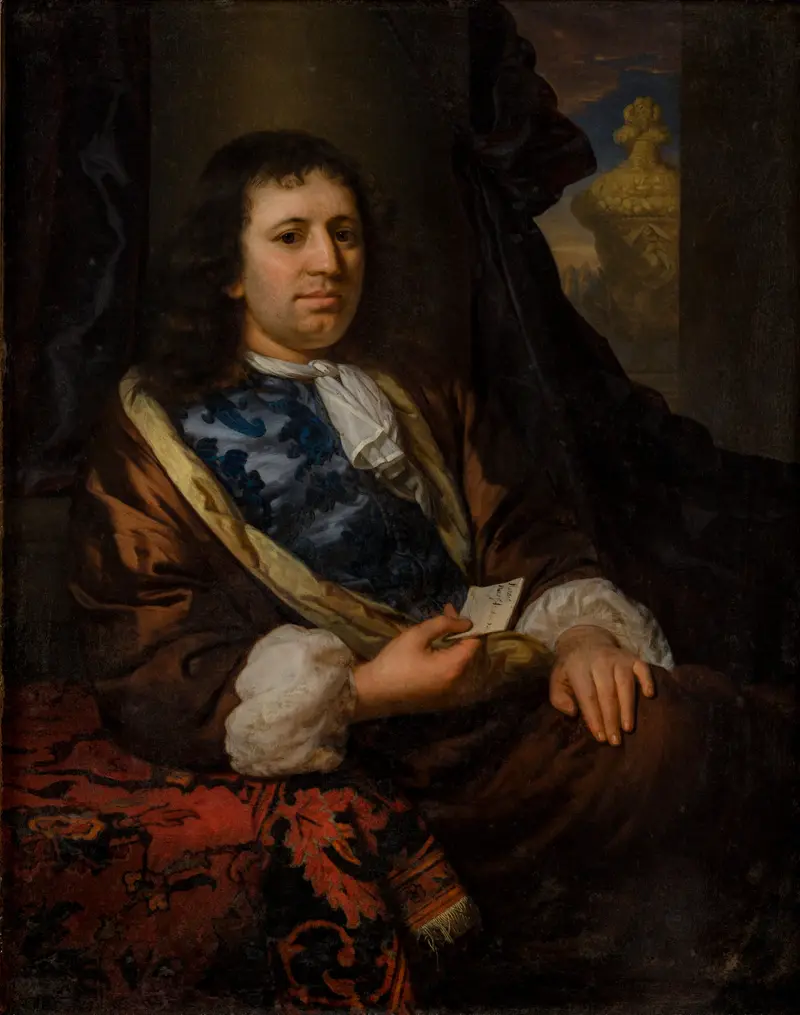
Portret van Johan de Bruin (1678-
Godfried Schalcken
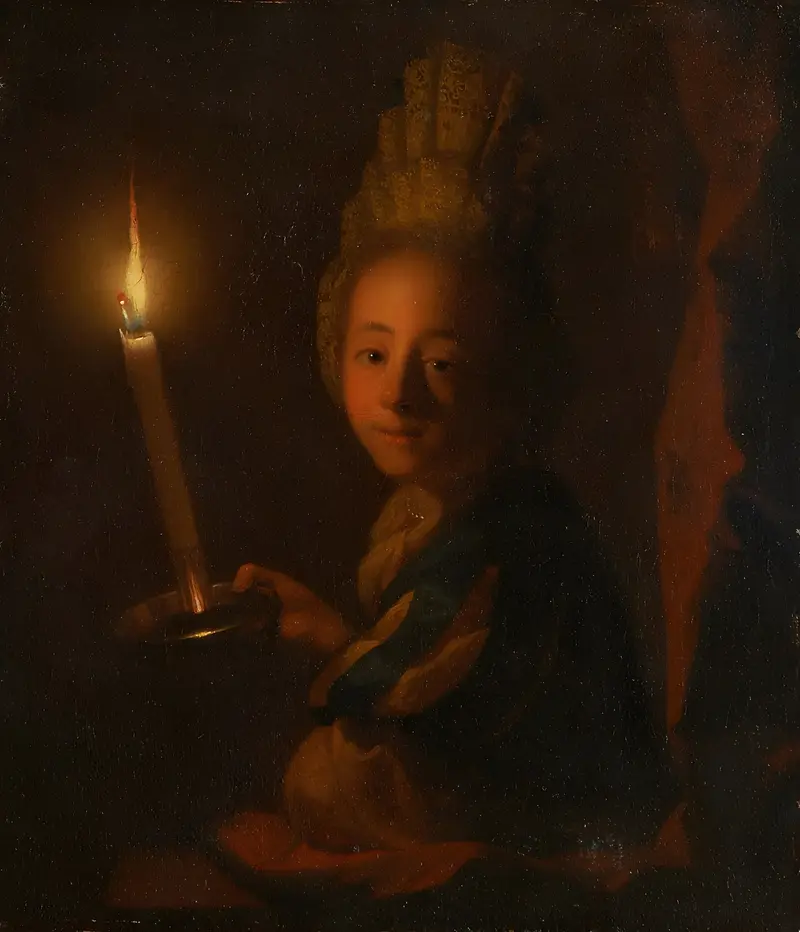
Girl with Burning Candle
Godfried Schalcken
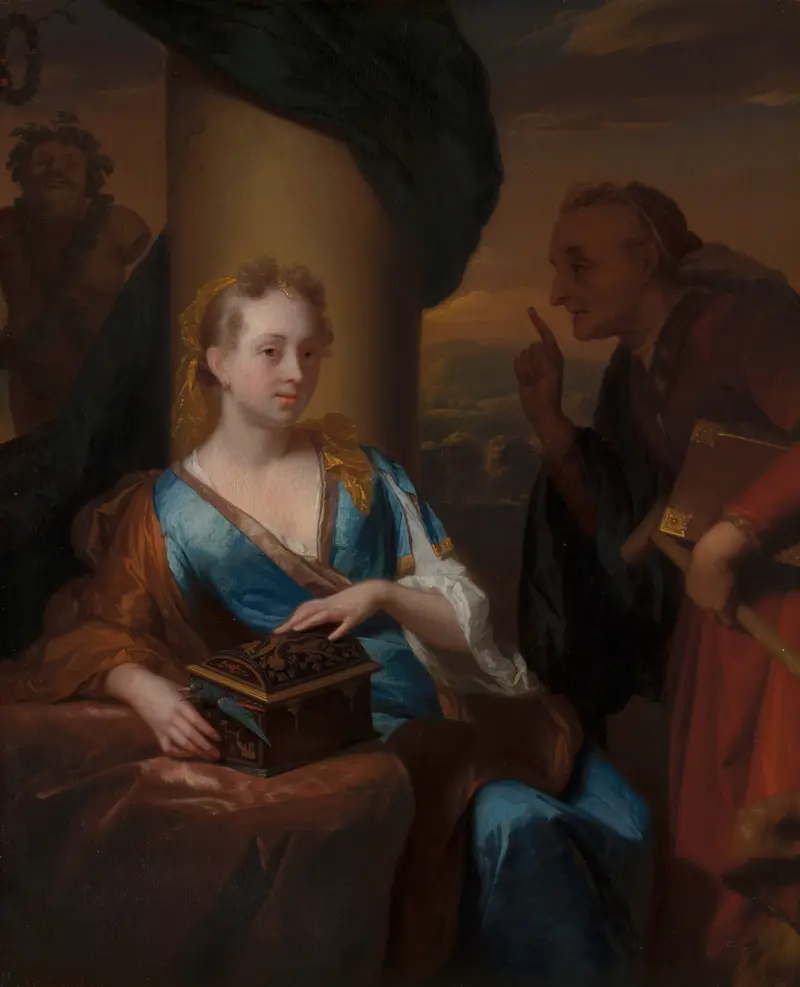
A Useless Moral Lesson
Godfried Schalcken
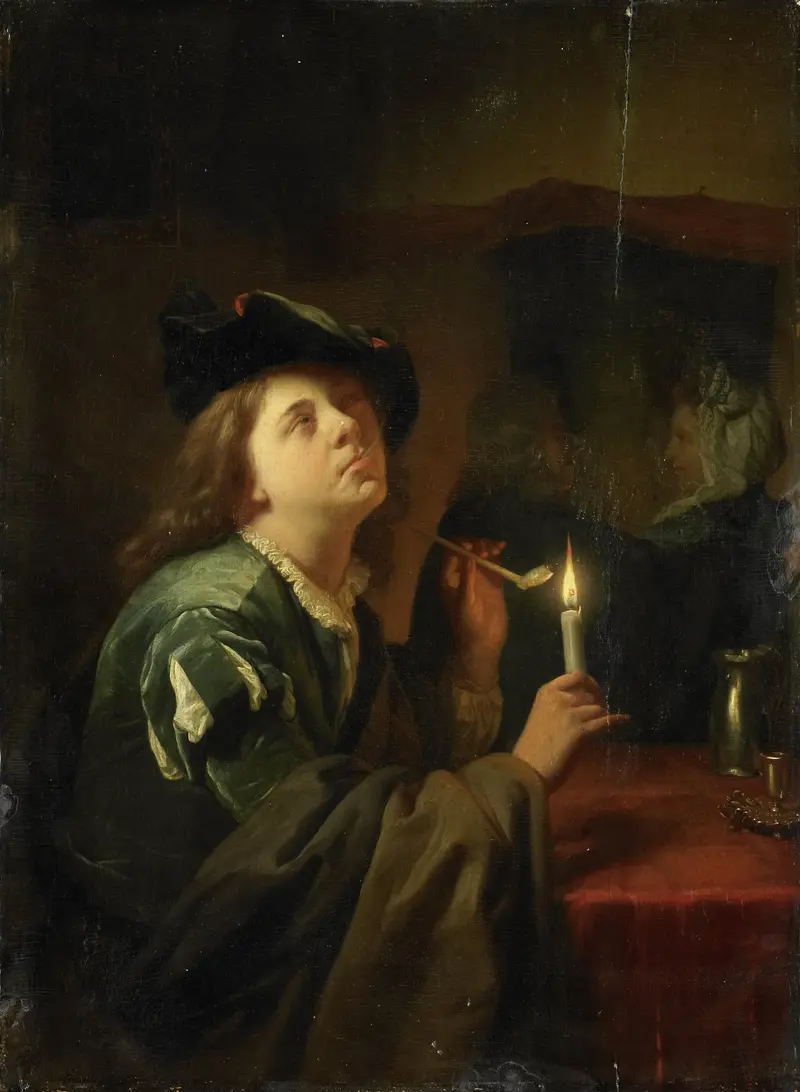
‘Differing tastes’
Godfried Schalcken
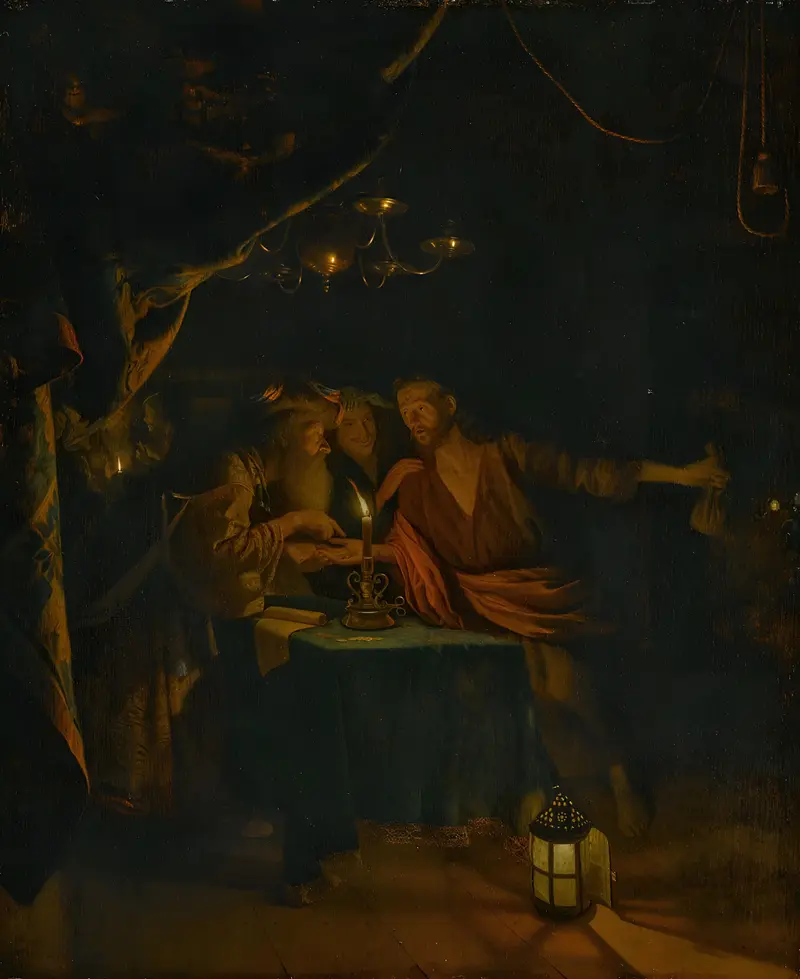
The betrayal of Judas
Godfried Schalcken
More Genre Scene Art

Banquet of the Officers of the St George Civic Guard
Frans Hals

Rembrandt and Saskia in the Scene of the Prodigal Son
Rembrandt van Rijn

Bal du moulin de la Galette
Pierre-Auguste Renoir

Quadrille at the Moulin Rouge
Henri de Toulouse-Lautrec

A Burial at Ornans
Gustave Courbet

When Will You Marry?
Paul Gauguin