
The Edge of the Pond — History & Facts
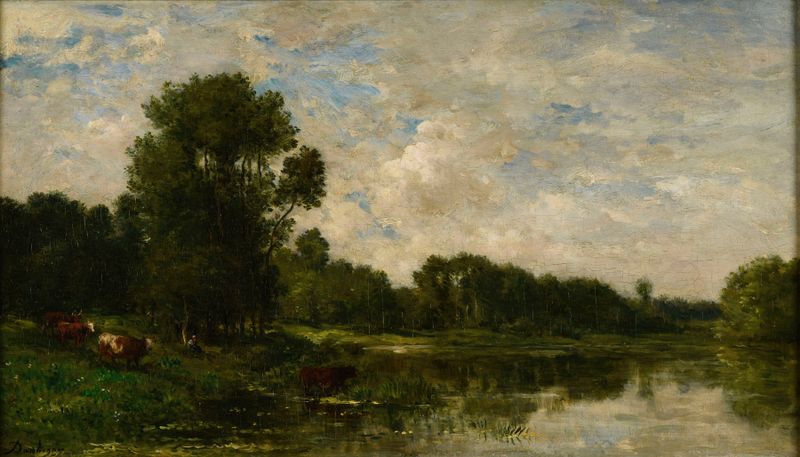
In capturing the innocence of fleeting moments, we unearth our own longings and nostalgia. Look to the foreground, where gentle ripples shimmer across the surface of the pond. The artist employs soft greens and delicate blues, evoking the tranquility of nature’s embrace. The lush vegetation frames the piece, inviting the viewer to explore the interplay of light and shadow that dances upon the water.
Notice how the brushstrokes seem to blend seamlessly, intimating a delicate harmony between the scene and the emotions it stirs. As you delve deeper, observe the subtle contrasts at play: the serene stillness of the pond juxtaposed against the lively greens of the surrounding grass. A hidden tension emerges in the way light captures the innocence of the moment, yet hints at the transient nature of youth. This duality reflects the bittersweet passage of time, reminding us of the beauty found in what is often overlooked. Created in 1873, this artwork emerged during a period when Daubigny was deeply immersed in the Barbizon School, embracing a naturalistic approach to landscapes.
It was a time of artistic exploration, as the movement sought to depict the raw beauty of rural life, in contrast to the urbanization taking hold across Europe. Daubigny’s connection to nature and memory resonates throughout his work, firmly anchoring his legacy within the realm of 19th-century art.
More Artworks by Charles François Daubigny
Browse all →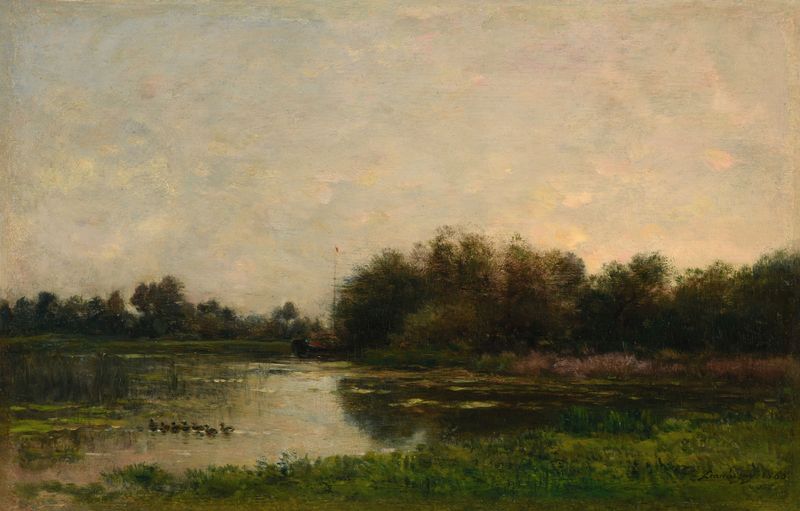
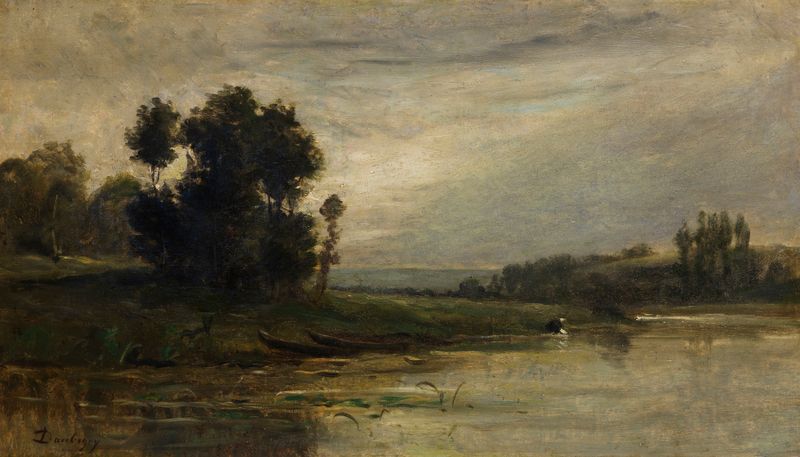
Bords de l’Oise
Charles François Daubigny
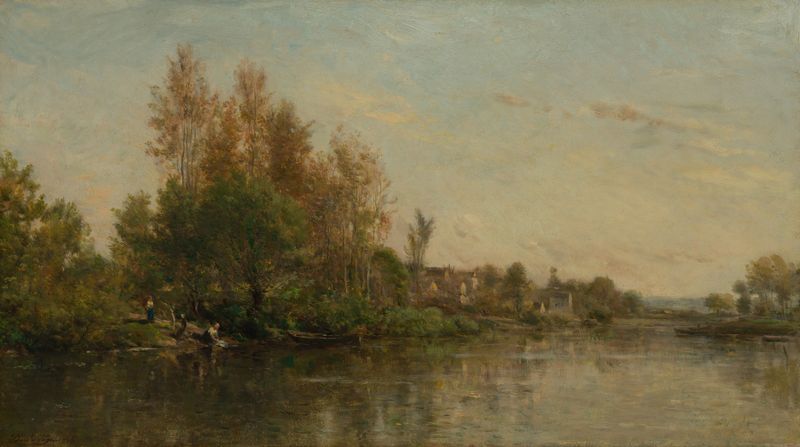
Bords de l’Oise
Charles François Daubigny
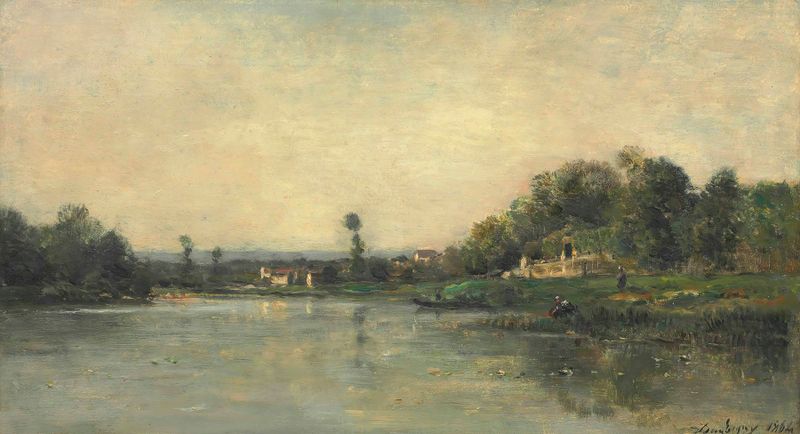
The Banks of the Oise
Charles François Daubigny
Les Bords De L’oise
Charles François Daubigny
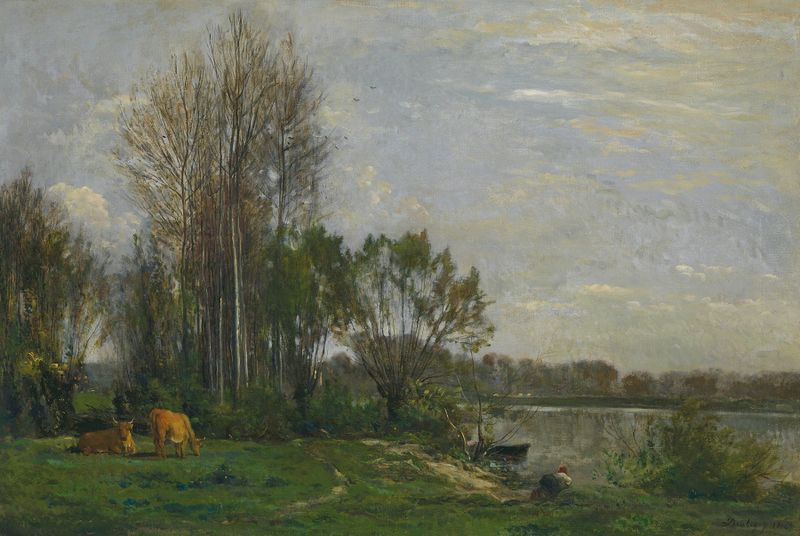
Bords de l’Oise
Charles François Daubigny
Les Bord De L’oise
Charles François Daubigny
Bord De Riviére
Charles François Daubigny
Landscape
Charles François Daubigny
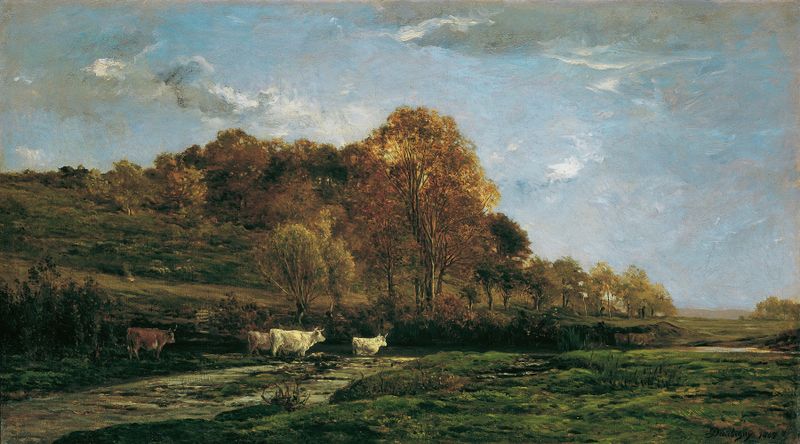
Herbstliche Aulandschaft Abendstimmung
Charles François Daubigny
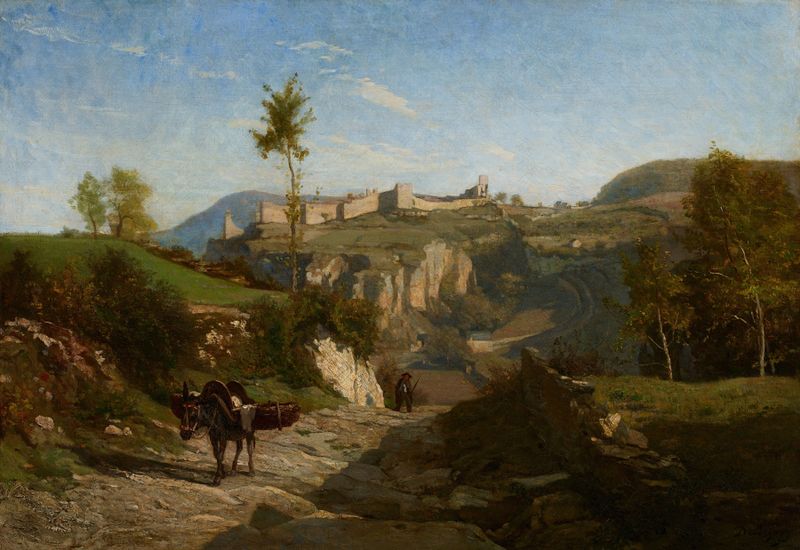
Landscape near Crémieu
Charles François Daubigny





