
The Encampment in the Museum Garden — History & Facts
In the soft glow of twilight, a makeshift camp emerges amid the verdant solitude of a museum garden. Candles flicker against the encroaching dusk, illuminating the weathered faces of weary travelers. Laughter mingles with the rustling leaves, yet an invisible weight of mortality hangs in the air, reminding all present of the fragility of this gathering. Focus your gaze on the central figure, draped in a worn cloak, as he gestures animatedly to a small group seated on the grass.
Notice how the light bathes their faces in warmth, contrasting with the cool shadows that stretch behind them. The masterful interplay of greens and browns conveys a sense of both tranquility and impermanence, while the delicate brushstrokes breathe life into the foliage, capturing a fleeting moment in time. Upon closer inspection, subtle details reveal deeper layers of meaning. The positioning of the figures around the campfire hints at companionship and protection, yet their isolated surroundings amplify a feeling of vulnerability.
Traces of weariness on their faces speak to life’s struggles, while the encroaching night serves as a poignant reminder of the inevitable passage of time—a beautiful yet haunting dance between life and death. Paul Sandby painted The Encampment in the Museum Garden in 1783, during a period marked by his growing prominence in the British art scene. Living in London, he was influenced by the rising Romantic movement, which emphasized emotion and nature, while also reflecting on mortality. This work encapsulates the tension of a transient existence, echoing Sandby’s own contemplations on the passage of time amidst the bustling world around him.
More Artworks by Paul Sandby
Browse all →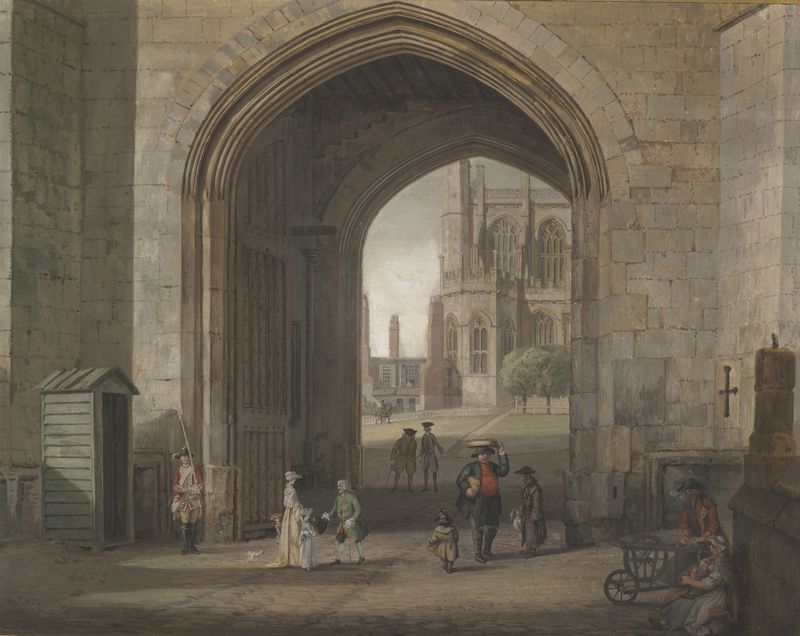
The Tower Gate at Windsor Castle
Paul Sandby

A Distant View of Maidstone, from Lower Bell Inn, Boxley Hill
Paul Sandby
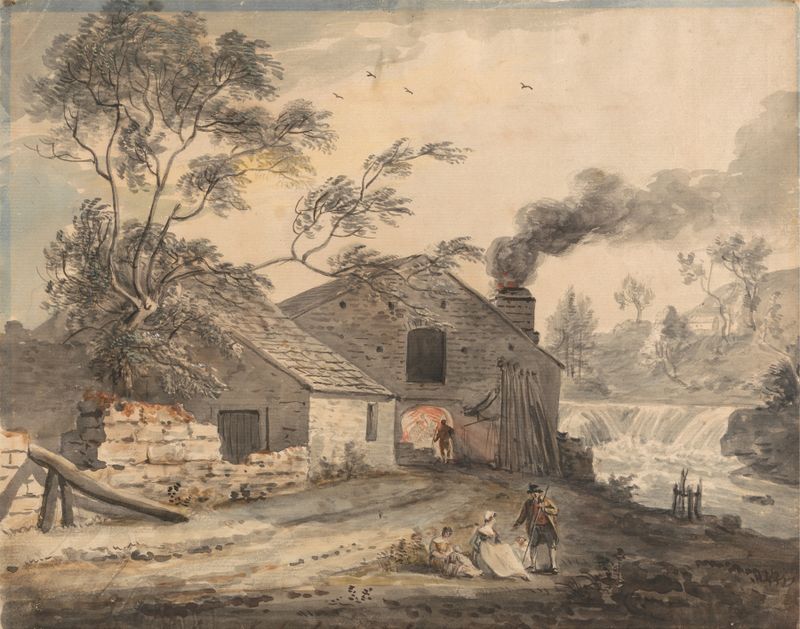
Iron Forge on the River Kent, Westmorland
Paul Sandby
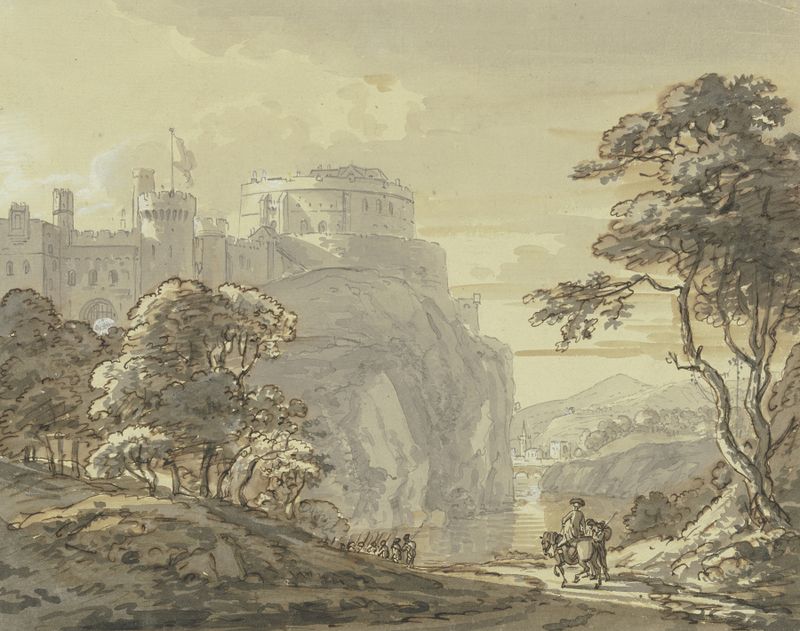
View of Windsor Castle
Paul Sandby

Hackwood Park, Hampshire
Paul Sandby

Roslin Castle, Midlothian
Paul Sandby
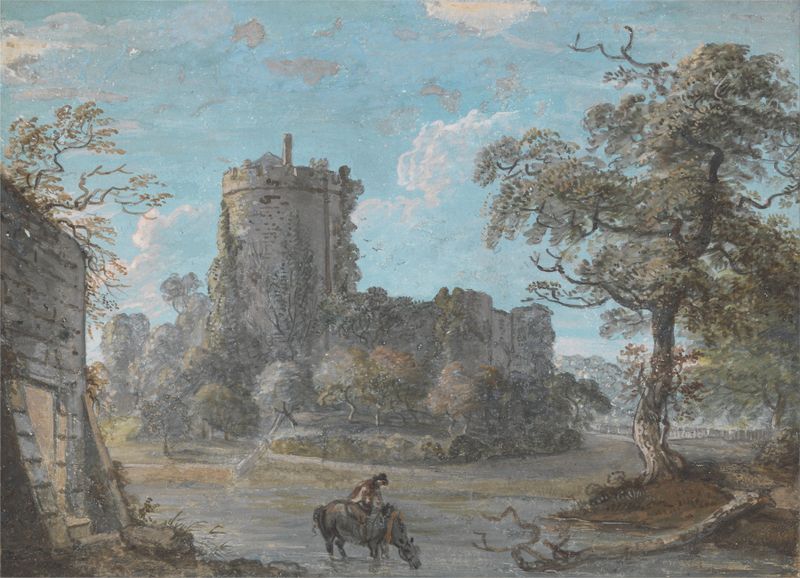
The Entrance to Chepstow Castle
Paul Sandby
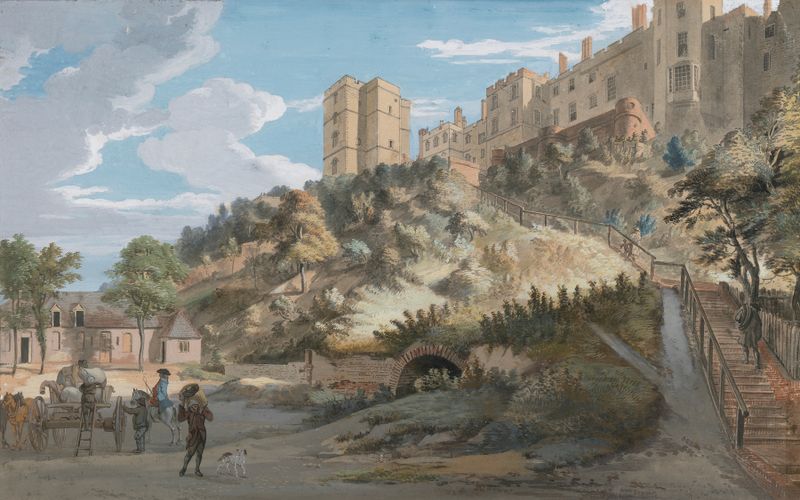
The Hundred Steps and Winchester Tower, Windsor Castle, Berkshire
Paul Sandby

Brook End, Essex
Paul Sandby
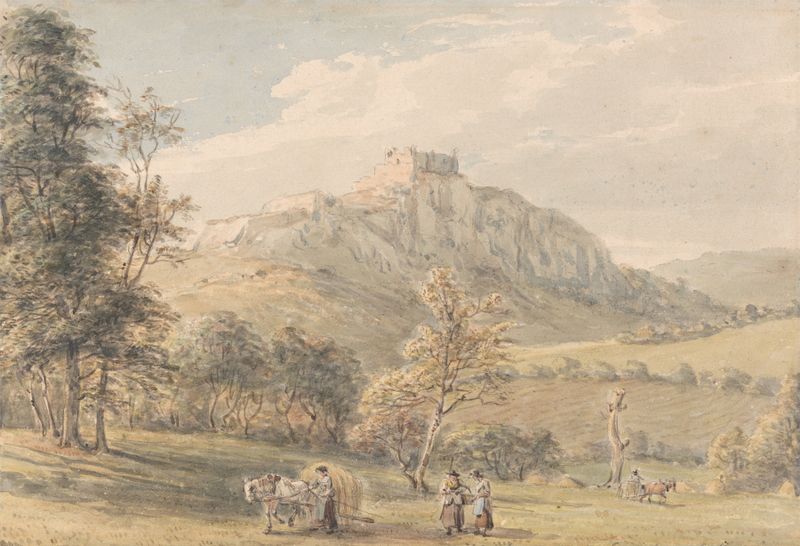
Carreg Cennen Castle
Paul Sandby





