
The Espousal of the Rat's Daughter — History & Facts
What first catches the eye in The Espousal of the Rat's Daughter is the quiet dignity of its animal figures, clothed in sumptuous Japanese robes and poised on a rocky outcrop beneath a sky haunted by the faint visage of a human face in the clouds. The golden kimono of the white rat glows against the muted earth and mist, pulling the viewer’s gaze to her calm, expectant posture. Beside her, two other rats—one upright, one crouched—are rendered with a blend of naturalism and theatrical costume, their garments echoing the delicate patterning of the landscape.
The swirling clouds above, with their ghostly human profile, suggest a world where the boundaries between animal, human, and nature are thin and permeable, inviting the viewer to imagine the moment of choice or encounter that is about to unfold. Created in 1910 by Warwick Goble for the book Green Willow and Other Japanese Fairy Tales, this illustration belongs to a period when Western artists were enchanted by Japanese folklore and aesthetics. Goble’s work, with its fine lines and subtle washes, reflects the early 20th-century fascination with Japonisme—a movement that brought Japanese motifs and storytelling into British and European illustration. Such images were commissioned to introduce readers, especially children, to distant cultures through fairy tales and legends, often blending authentic elements with the artist’s own imaginative vision.
History has kept few traces of the individual journey of this particular drawing, but its presence in a digitized collection today lets us step again into Goble’s dreamlike vision, where a rat in a golden robe may hold the key to a world of transformation.
More Artworks by Warwick Goble
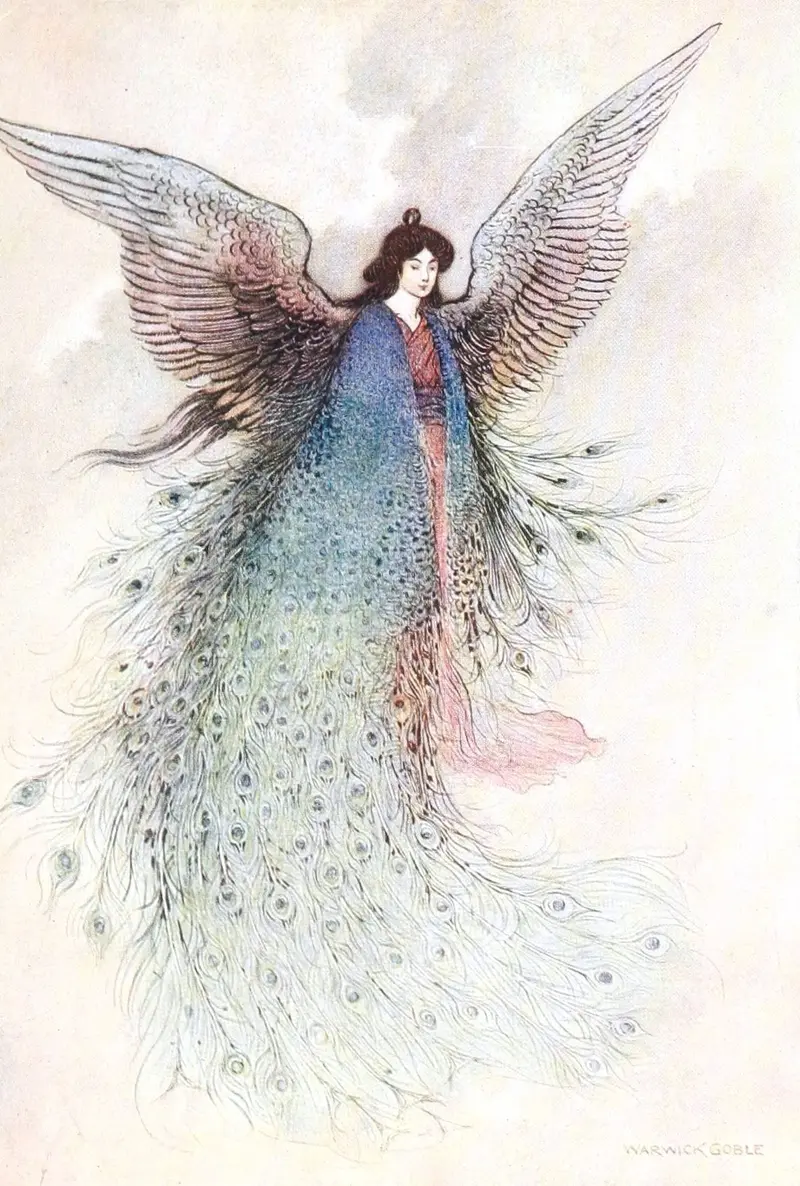
The Moon Maiden (Green Willow)
Warwick Goble
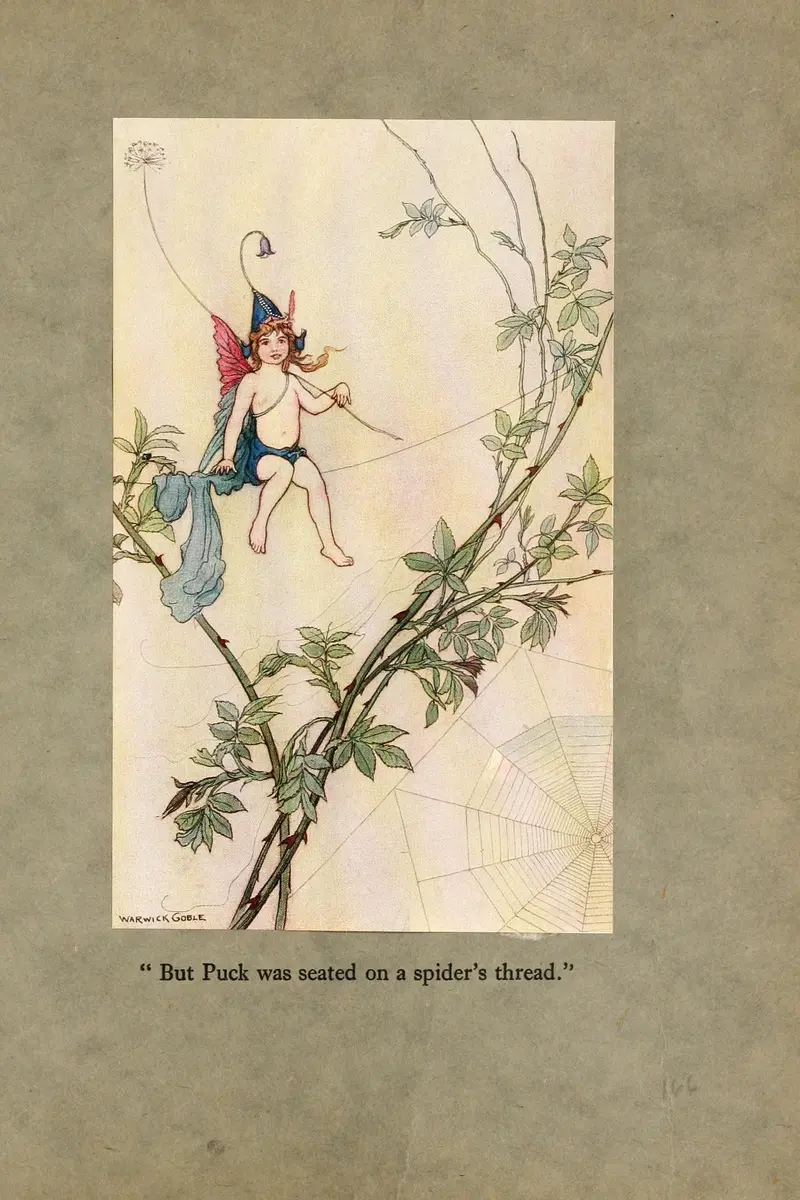
Puck
Warwick Goble

The Ordeal of Queen Draupadi
Warwick Goble

Momotaro
Warwick Goble
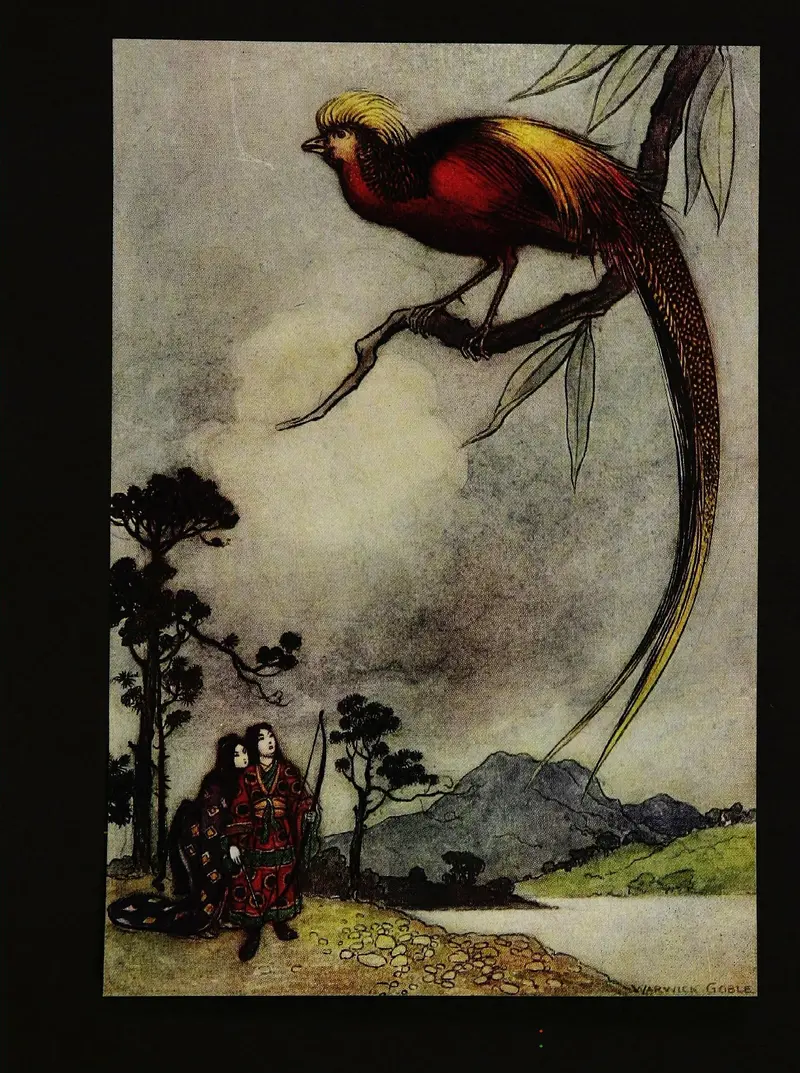
The Singing Bird of Heaven
Warwick Goble
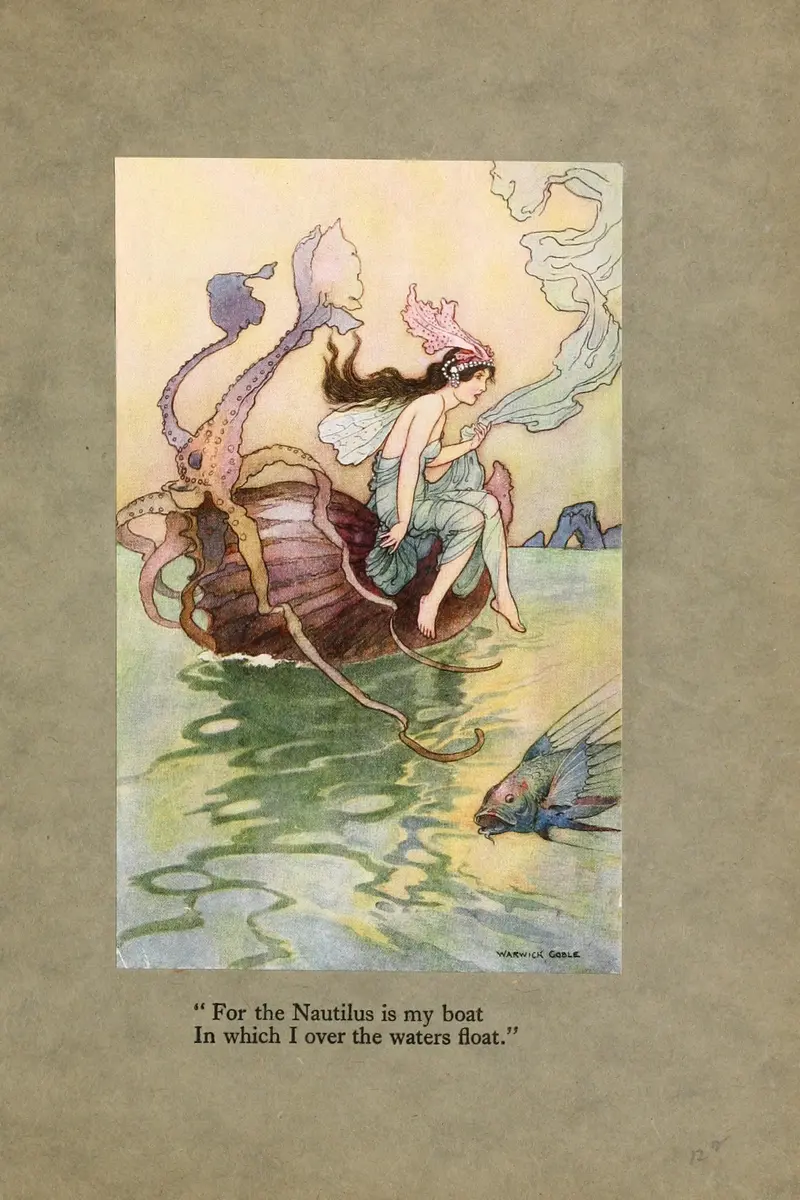
Fairies on the Seashore
Warwick Goble
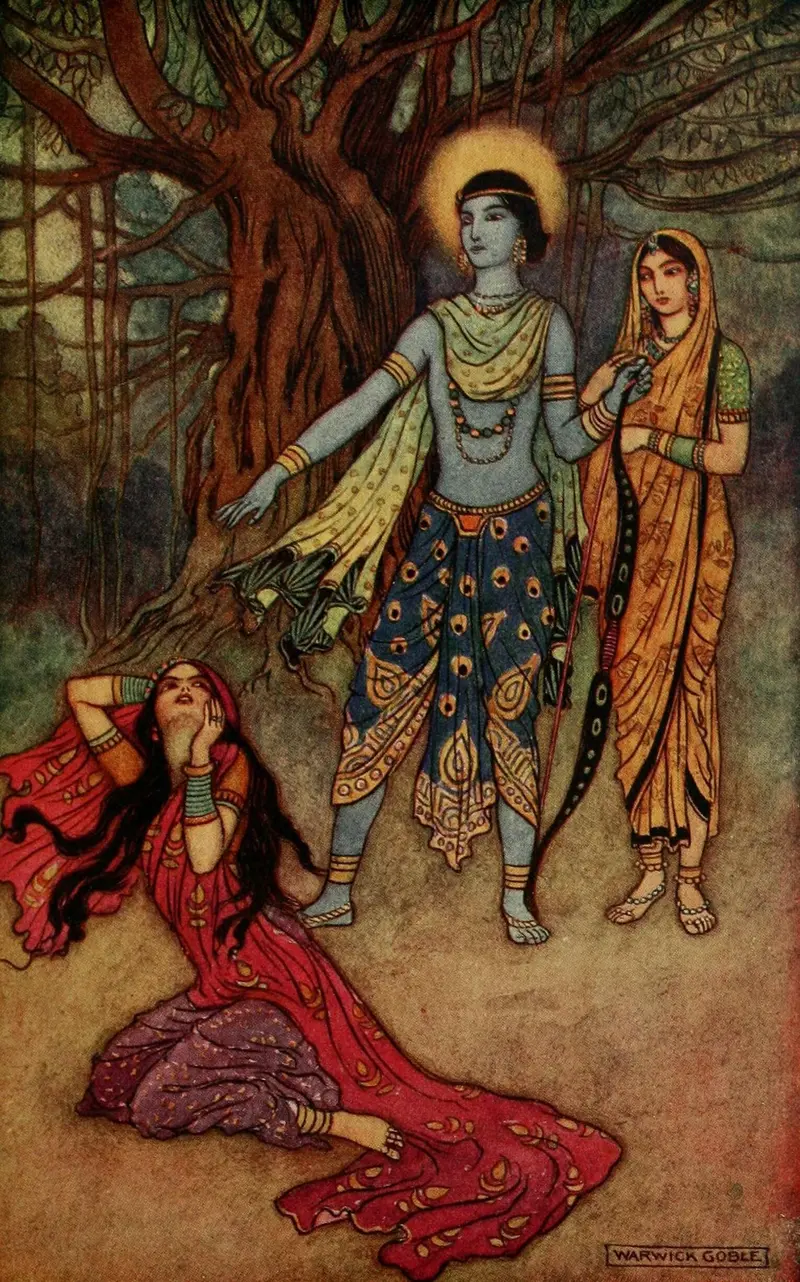
Rama Spurns the Demon Lover
Warwick Goble
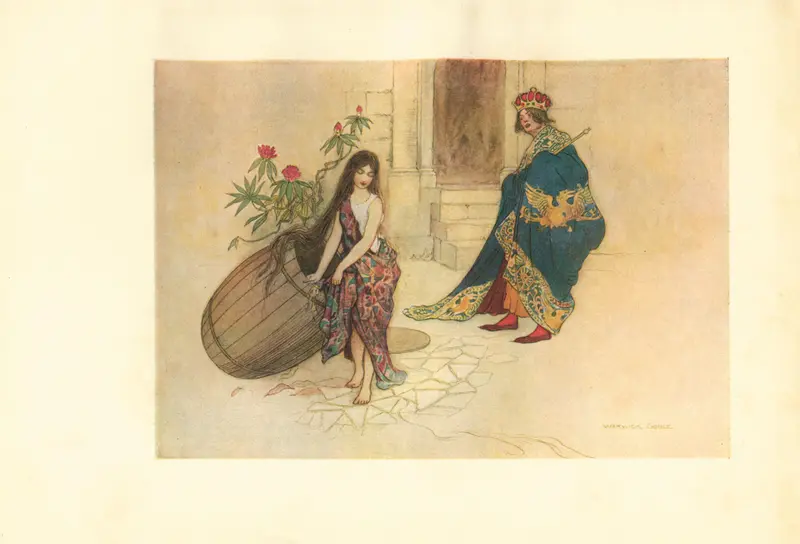
Cannetella Released from the Cask
Warwick Goble
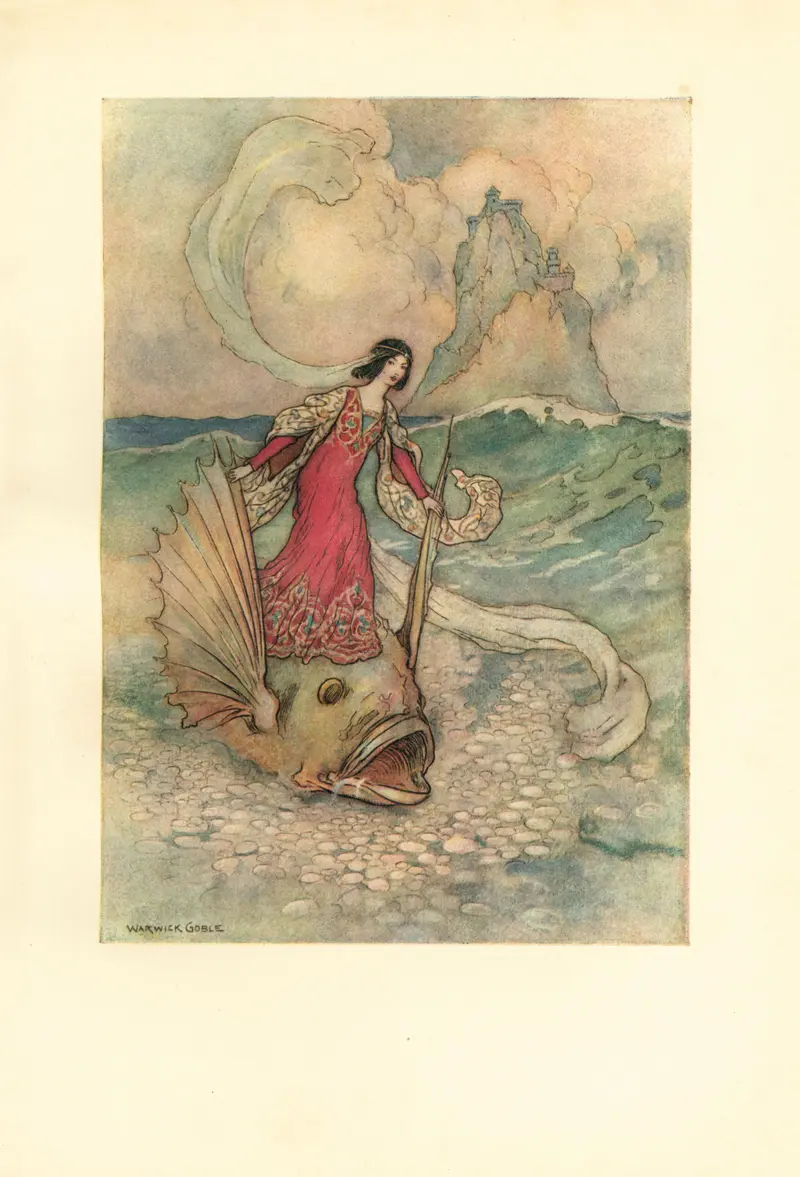
Rita Riding on the Dolphin
Warwick Goble
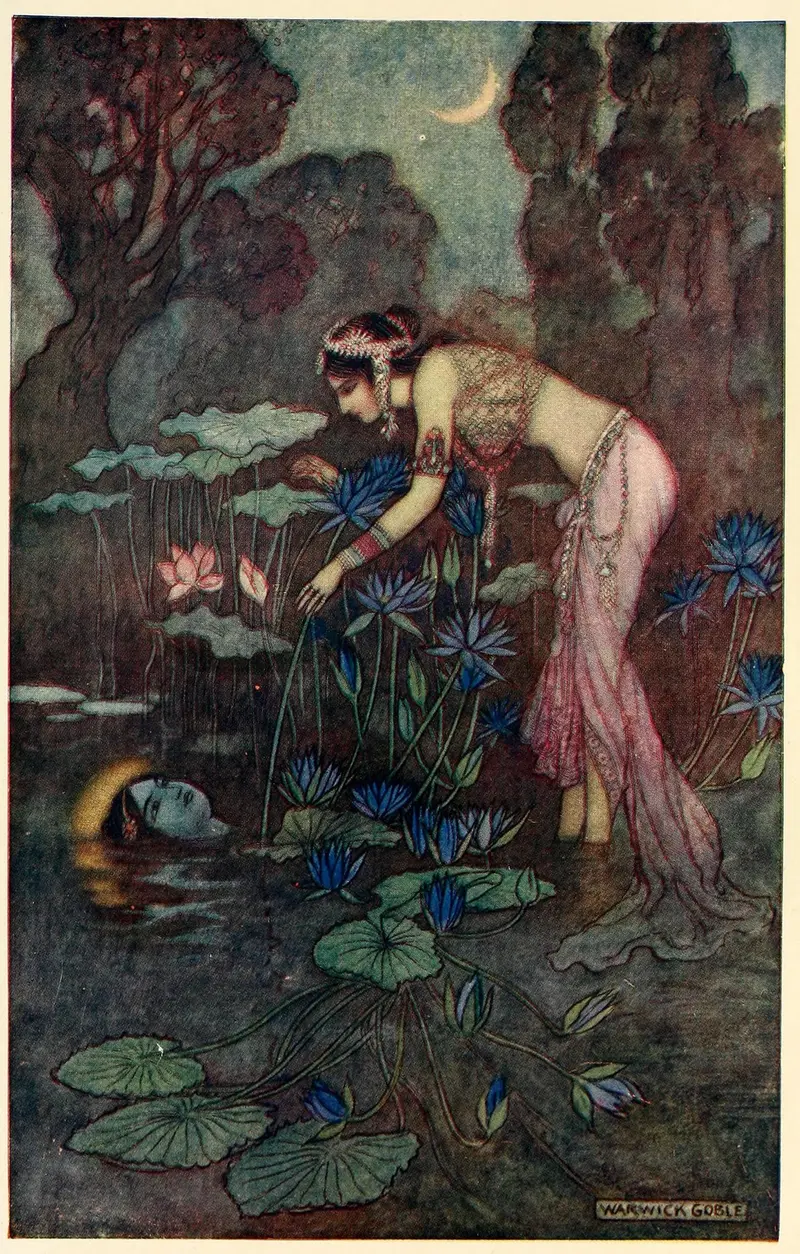
Sita Finds Rama Among Lotus Blooms
Warwick Goble





