The Fan Tree — History & Facts
Did the painter know this moment would outlive them? In The Fan Tree, exquisite layers of illusion come to life, inviting us to explore the delicate balance between reality and artifice. First, look to the center, where the fan-shaped foliage emerges, vibrant and textured against a serene backdrop. Haskell employs a rich palette of greens, earth tones, and hints of muted pastels, evoking a sense of calm yet intricate beauty. The brushstrokes are deliberate, swirling and intertwining, guiding your gaze and allowing the eye to wander, unveiling the depth of the scene.
Notice how the interplay of light and shadow creates a rhythm, almost like a heartbeat, anchoring the viewer in this serene moment. Delve deeper into the contrasts: the robust, solid tree stands ever-present, while the delicate lines of the fan leaves suggest transience and fragility. The subtle play of light suggests not just illumination, but also the passage of time, hinting at the fleeting nature of beauty itself. This juxtaposition prompts reflection on our own lives, asking us to consider what we hold dear and the illusions we create around us. In 1915, Haskell painted this piece during a time of profound change and uncertainty following the outbreak of World War I.
Living in the United States, he was part of a burgeoning art scene that sought to explore new techniques and ideas. This work reflects not only his personal journey but also the evolving nature of American art as it began to embrace forms of expression that favored emotional resonance over mere representation.
More Artworks by Ernest Haskell
Browse all →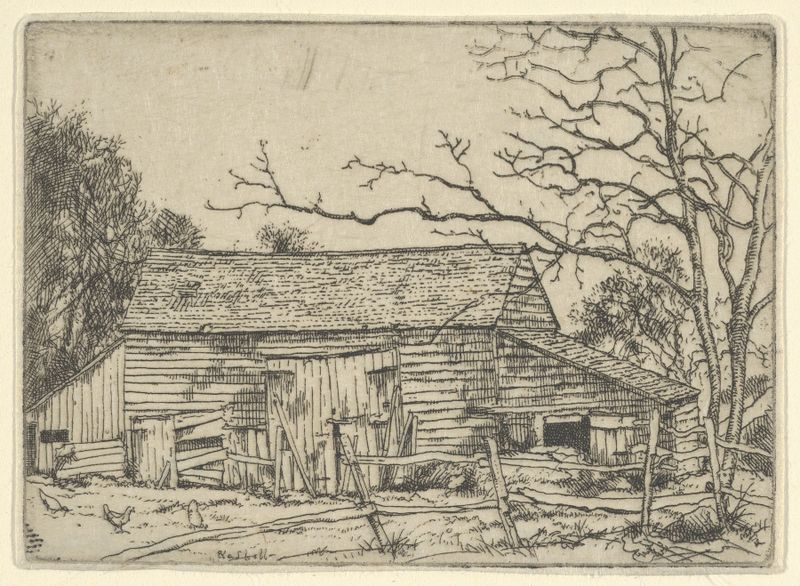
The Barn–Staten Island, N.Y.
Ernest Haskell

Four Live Oaks
Ernest Haskell
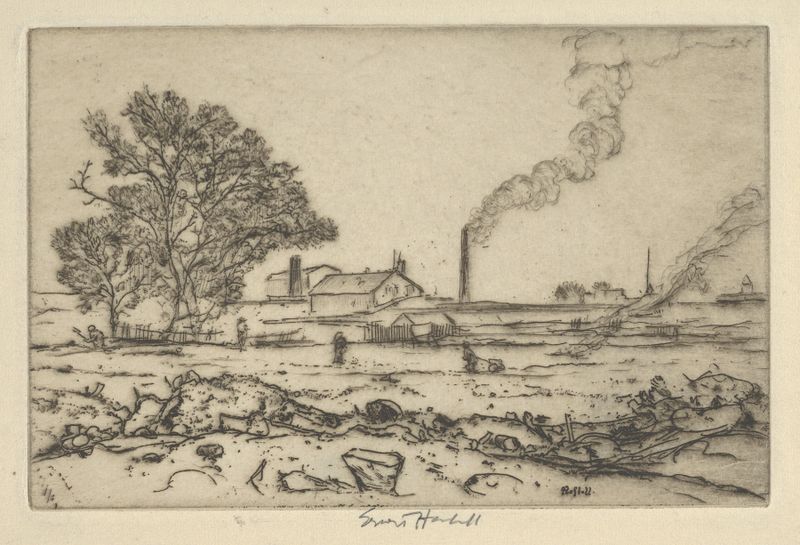
Outskirts of Boston
Ernest Haskell
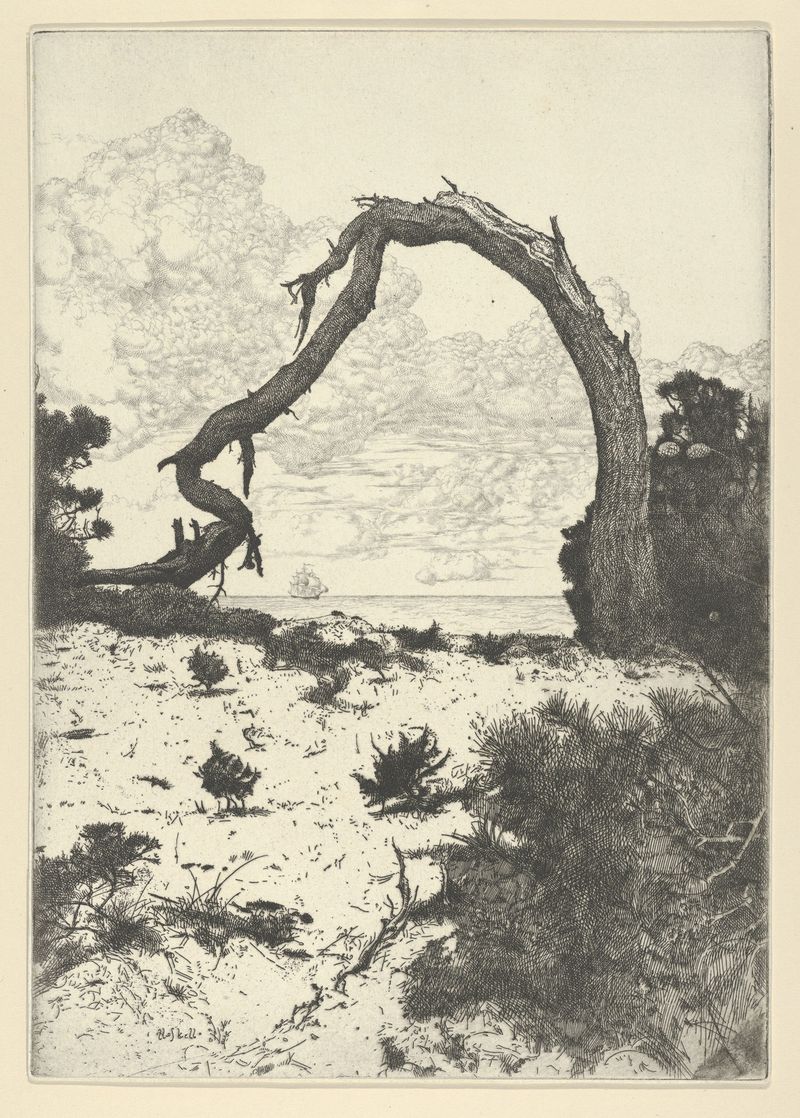
Pine Arch
Ernest Haskell

General Sherman
Ernest Haskell
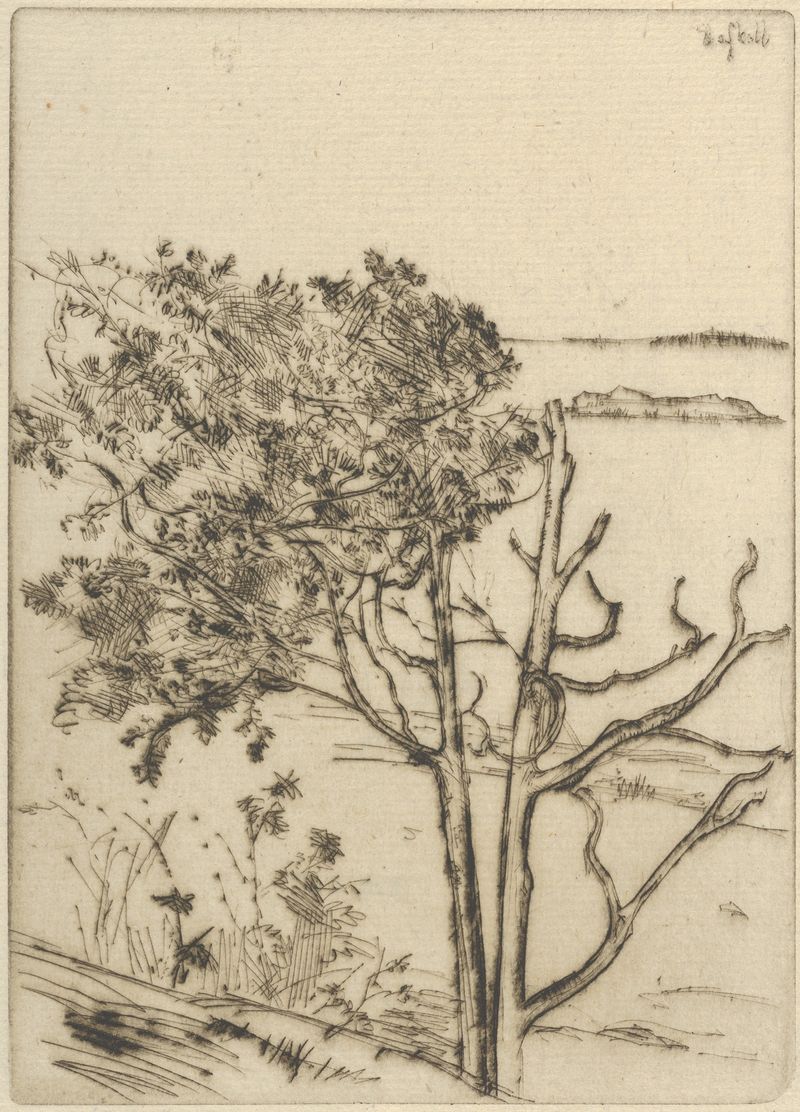
Ragged Tree – Maine
Ernest Haskell

Tide Mill
Ernest Haskell

Ship Building
Ernest Haskell
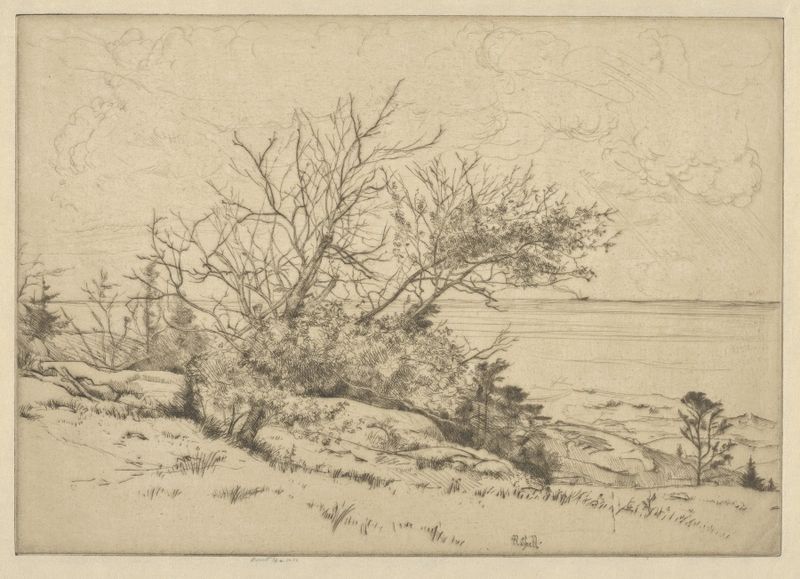
To the Southward – Ragged Island, Me.
Ernest Haskell
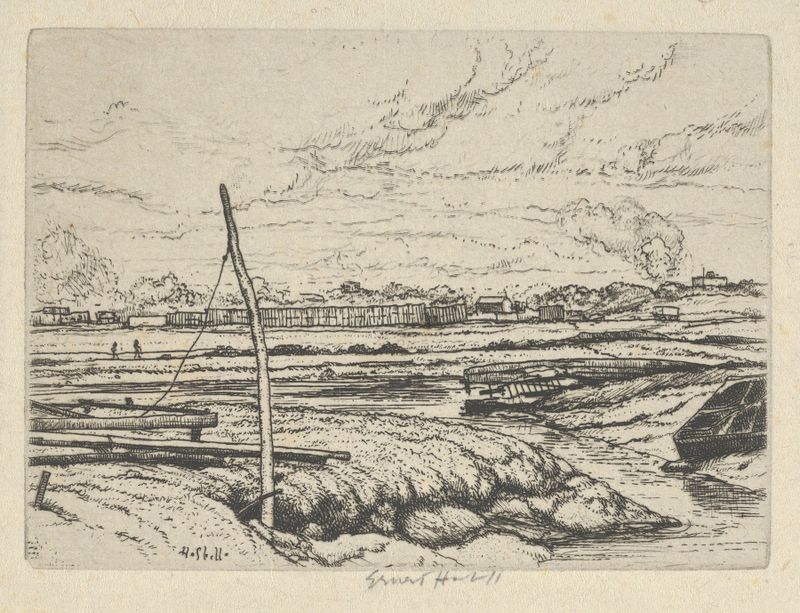
Long Island Marshes
Ernest Haskell