
The Farm on the Hill — History & Facts
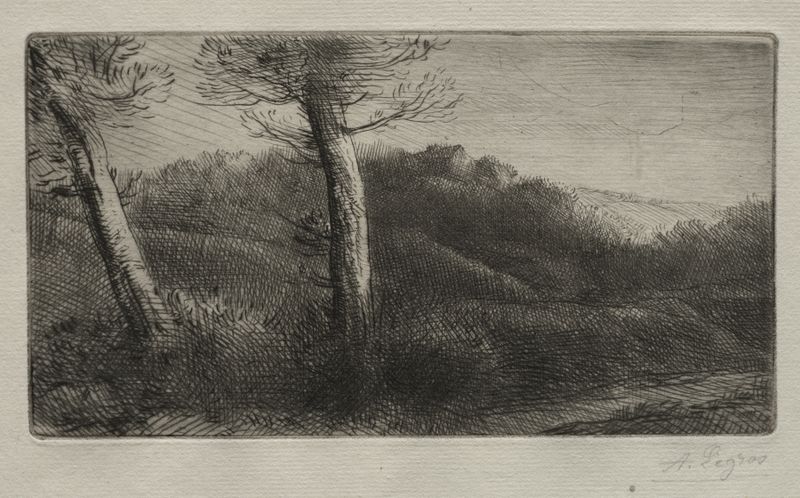
Who listens when art speaks of silence? In The Farm on the Hill, a profound stillness envelops the scene, inviting contemplation and igniting a deep sense of longing. Look to the horizon where the gentle curves of the hills cradle the modest farmhouse, each brushstroke echoing the simplicity of rural life. The muted palette—soft greens and faded browns—evokes a feeling of nostalgia, while the dappled light highlights textures of earth and wood. Notice how the composition draws your eye upwards, from the sturdy roots of the farm to the expansive sky, suggesting a connection between toil and tranquility. Within the quietude lies a tension between permanence and transience.
The sturdy farm represents stability, yet the surrounding landscape hints at the inevitable passage of time. Small details, like the wisps of clouds or the distant trees, amplify this contrast, reminding us of nature’s relentless, yet beautiful, march forward. This interplay between land and sky serves as a metaphor for human aspirations versus the limitations of existence. Alphonse Legros painted this piece between 1857 and 1911, a transformative era for art, as movements like Impressionism were beginning to emerge.
Living in England during this period, Legros was navigating his own artistic journey while grappling with themes of identity and belonging. His exploration of rural landscapes was not just a reflection of his surroundings, but also a commentary on the shifting dynamics of society and the quiet resilience of the human spirit.
More Artworks by Alphonse Legros
Browse all →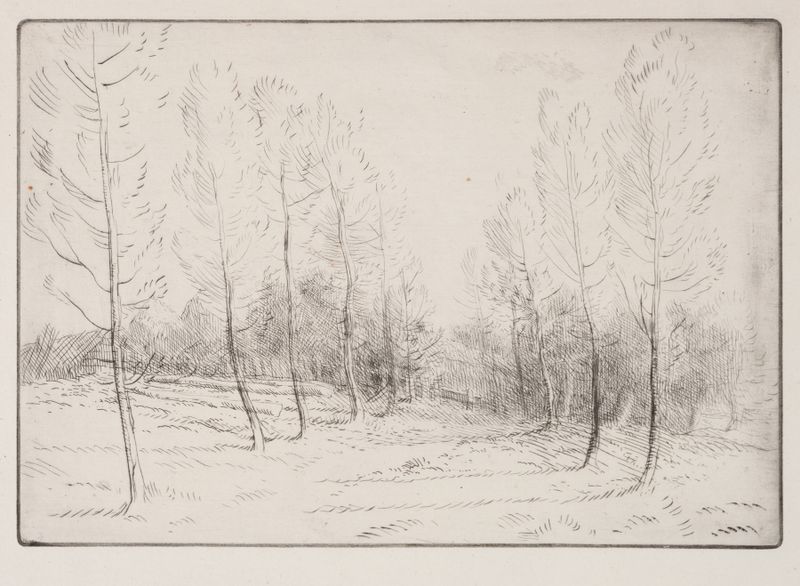
Avenue of Poplars
Alphonse Legros
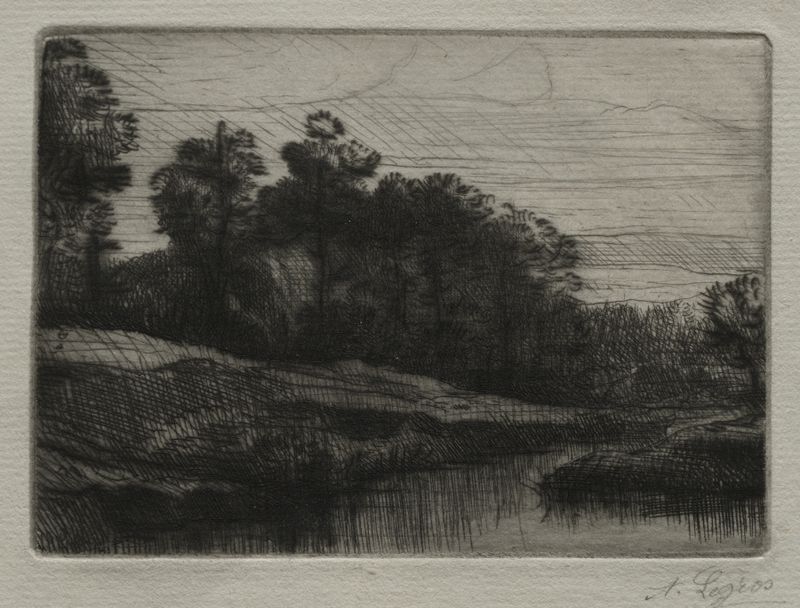
Evening
Alphonse Legros

The Fish in the Hoop Net
Alphonse Legros

The Little Beggar
Alphonse Legros
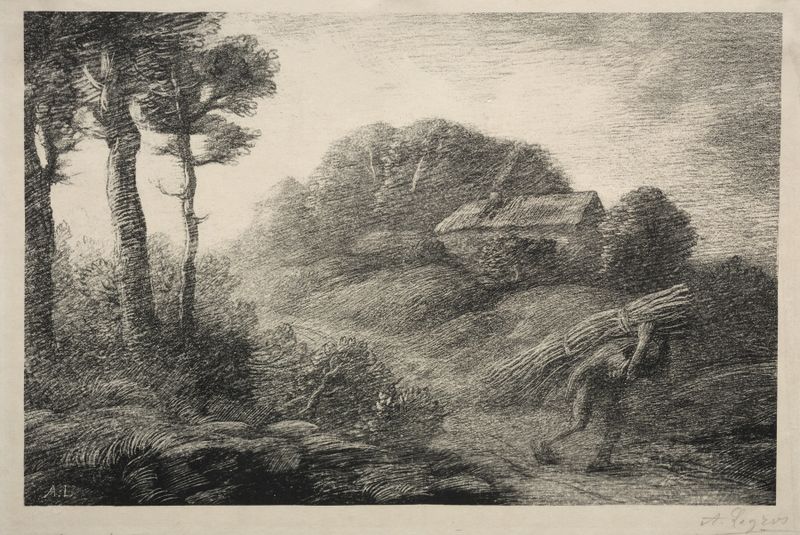
The Return of the Fagot Gatherer
Alphonse Legros

Storm
Alphonse Legros
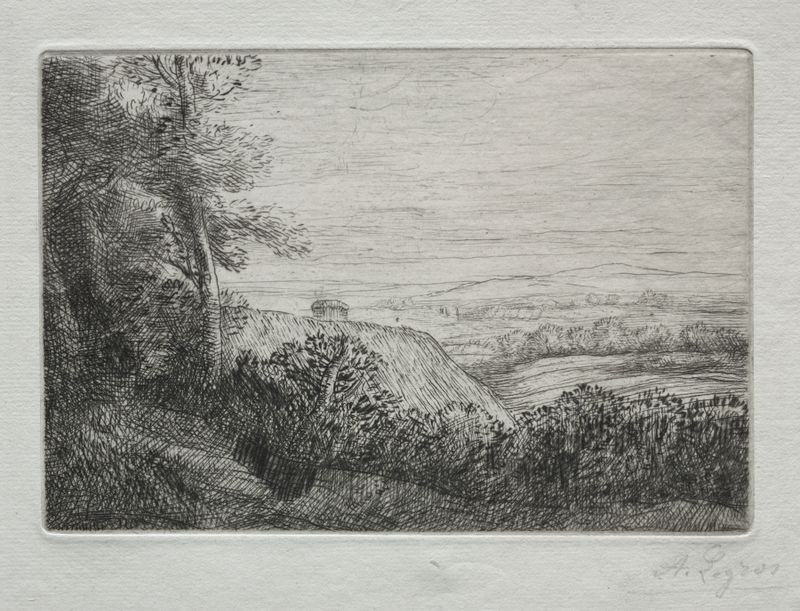
Les dernière Rayons de Soleil
Alphonse Legros
The Traveler Stretched out on the Grass
Alphonse Legros
Guard House
Alphonse Legros

Death of a Vagabond
Alphonse Legros





