
The Farmer's Supper — History & Facts
A moment of storytelling hangs in the air, as three figures gather around a rustic supper table, each absorbed in their own role. The elder at the left, hand raised in animated gesture, draws the viewer into his tale—his wild hair and expressive fingers suggesting a story as hearty as the meal itself. Across from him, a younger man leans in, eyes wide, mouth half-open, caught between skepticism and wonder.
The woman at the far end, standing with hands on the bench, seems both hostess and witness, her floral skirt and crisp blouse adding a burst of color to the dim, wood-paneled room. Every object has a purpose: bottles and bread, a clock marking the hour, the scattered boots and cane on the floor—each detail reinforcing the lived-in warmth and the drama of everyday life. Created around 1932 by Arthur Rackham, this drawing belongs to a tradition of genre scenes that flourished in European art from the seventeenth century onward, but here, filtered through Rackham’s unmistakable line and muted palette, the domestic becomes quietly enchanted. Such works were often commissioned for illustrated books or as standalone prints, offering viewers a window into the rituals and rhythms of rural existence.
By the early twentieth century, as industrialization transformed the countryside, images like this one carried a double weight: nostalgia for a vanishing world, and a celebration of simple pleasures. Now in the Metropolitan Museum of Art’s collection, this drawing invites us to linger over the small theatre of supper, where every gesture and glance is part of the feast.
More Artworks by Arthur Rackham
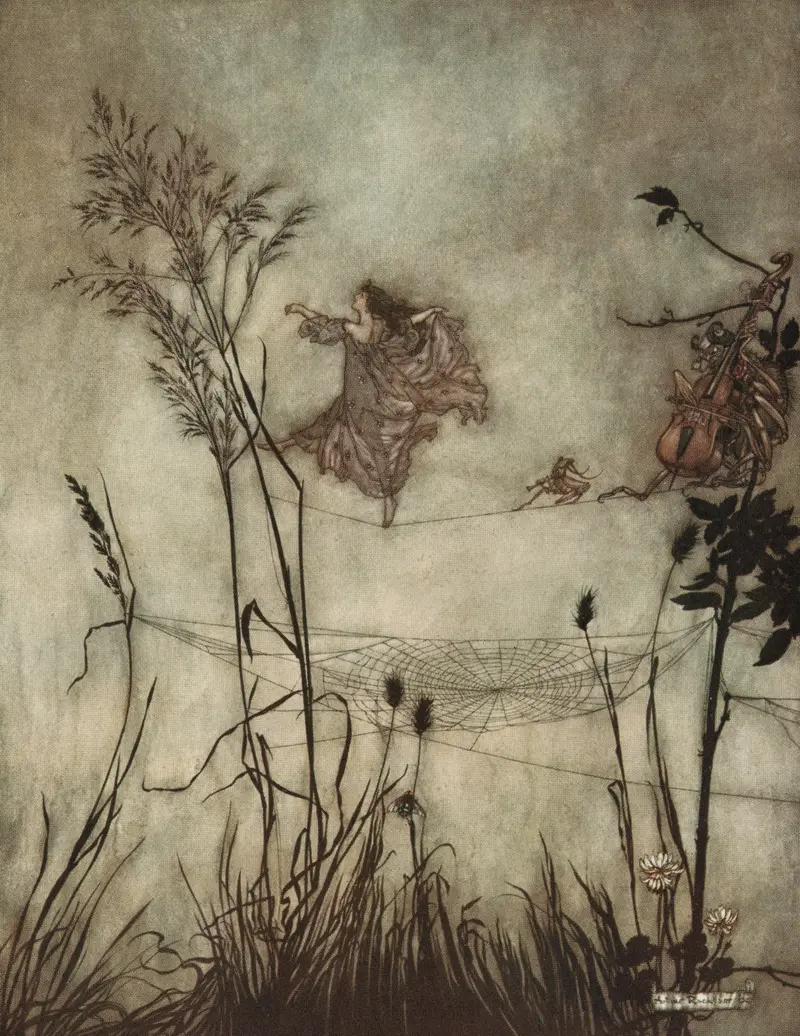
The Fairies Are Exquisite Dancers
Arthur Rackham
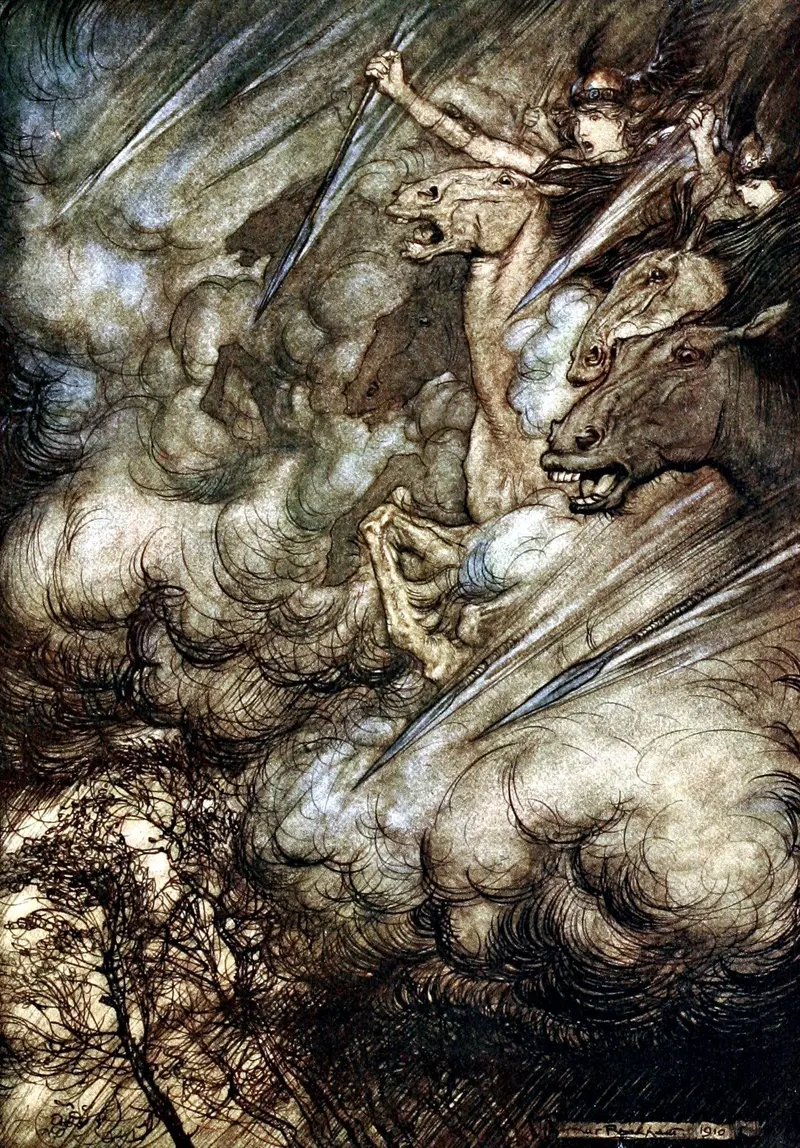
The Ride of the Valkyries
Arthur Rackham

Arthur Rackham ('A Transpontine Cockney')
Arthur Rackham
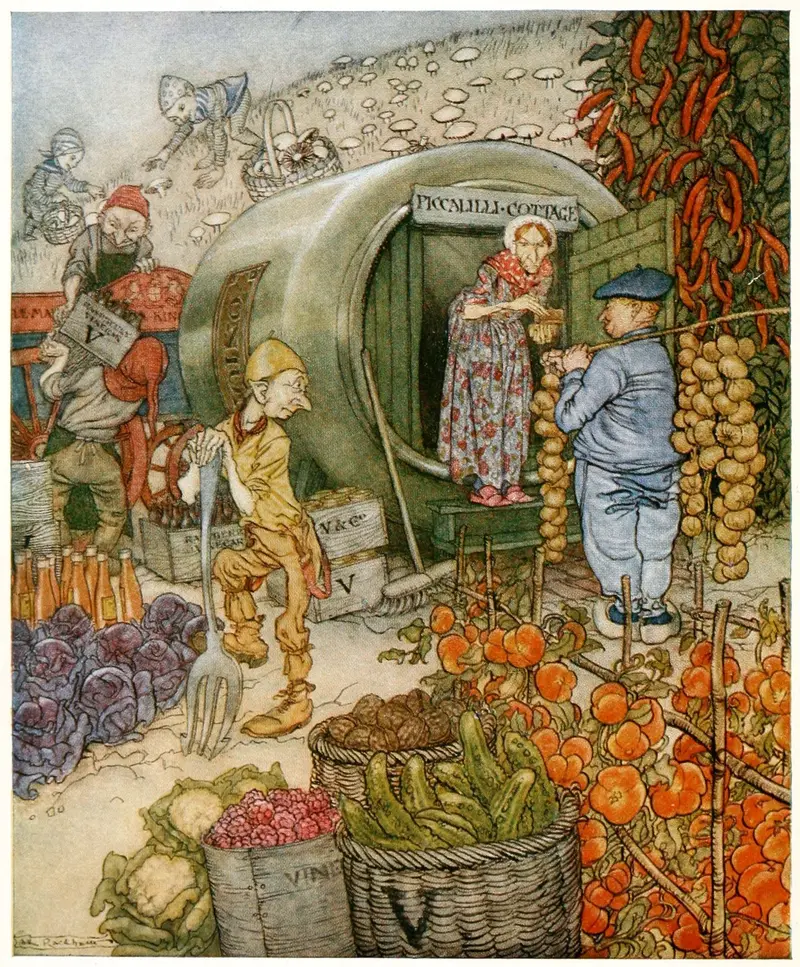
English Fairy Tales (Frontispiece)
Arthur Rackham
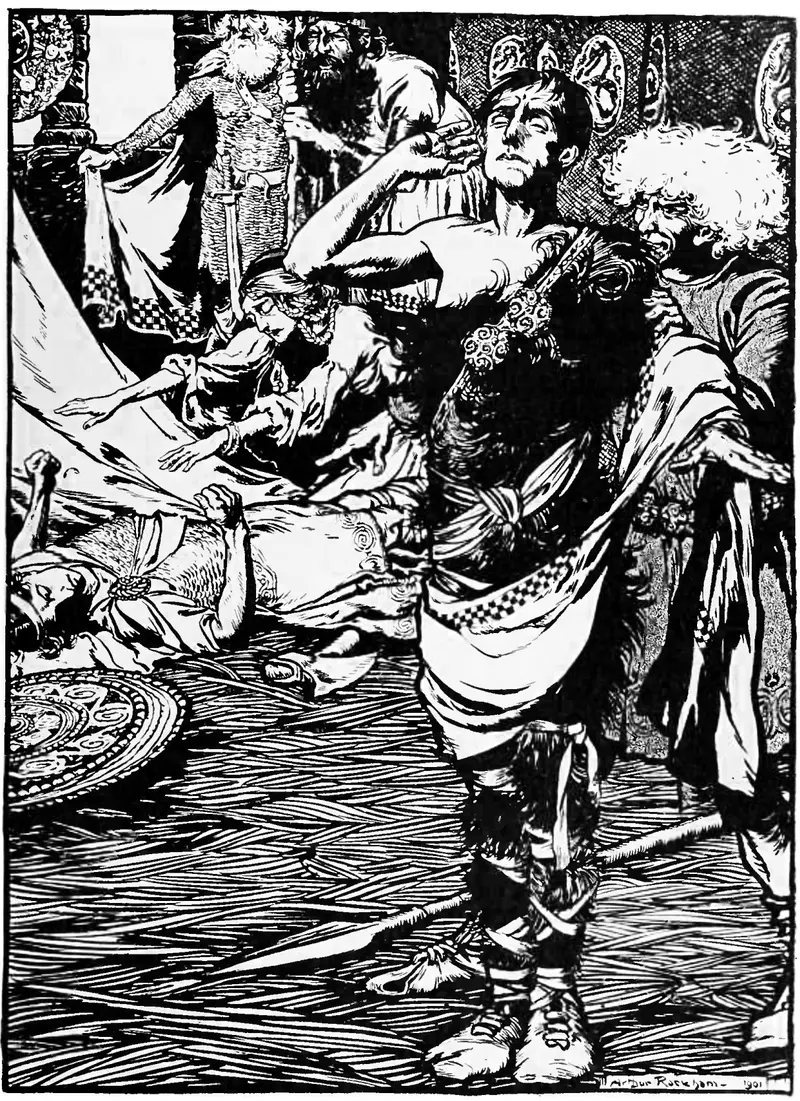
There Broke Forth a Wailing and a Lamentation
Arthur Rackham
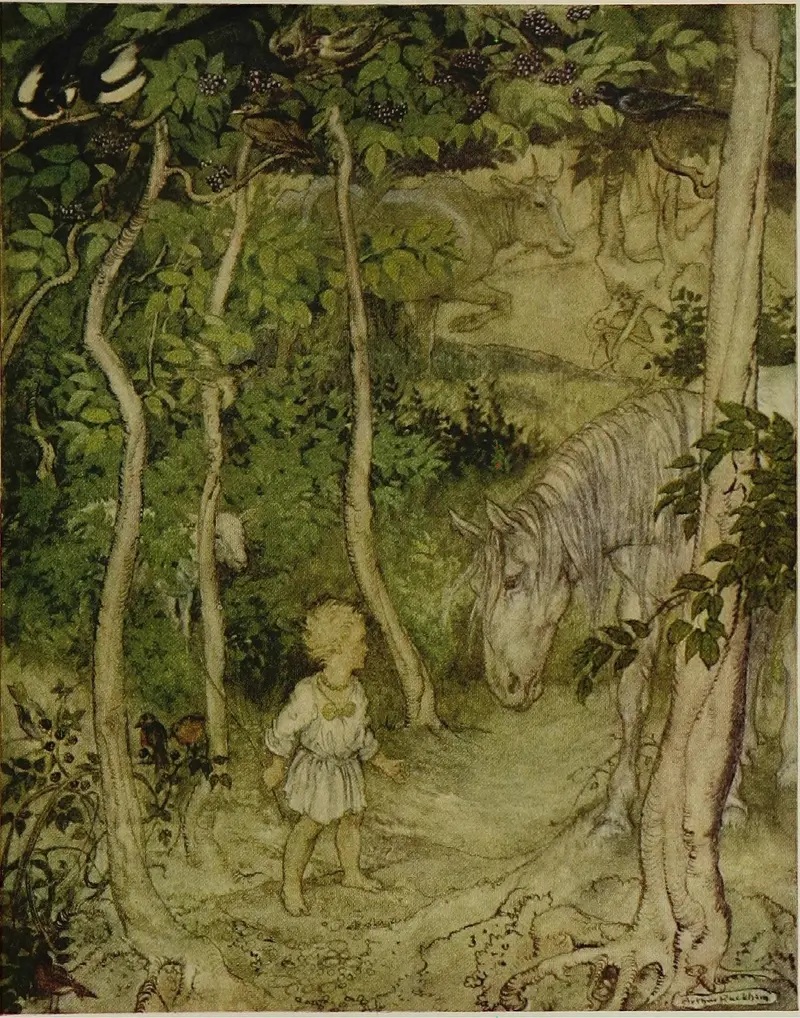
Irish Fairy Tales
Arthur Rackham
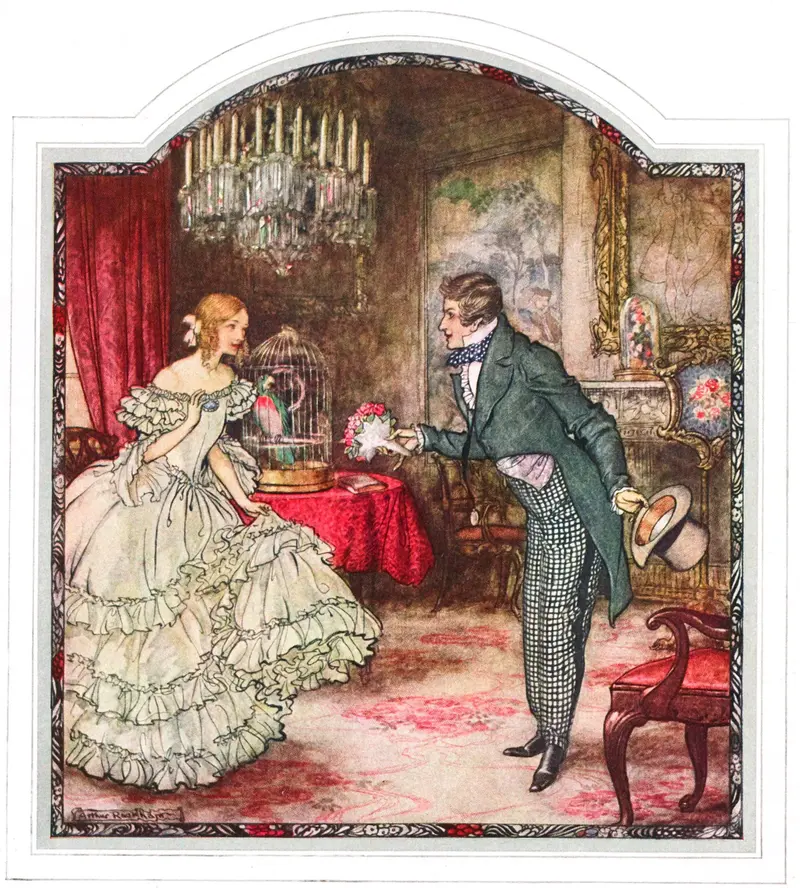
The Bouquet
Arthur Rackham

Mother Goose: The Old Nursery Rhymes
Arthur Rackham
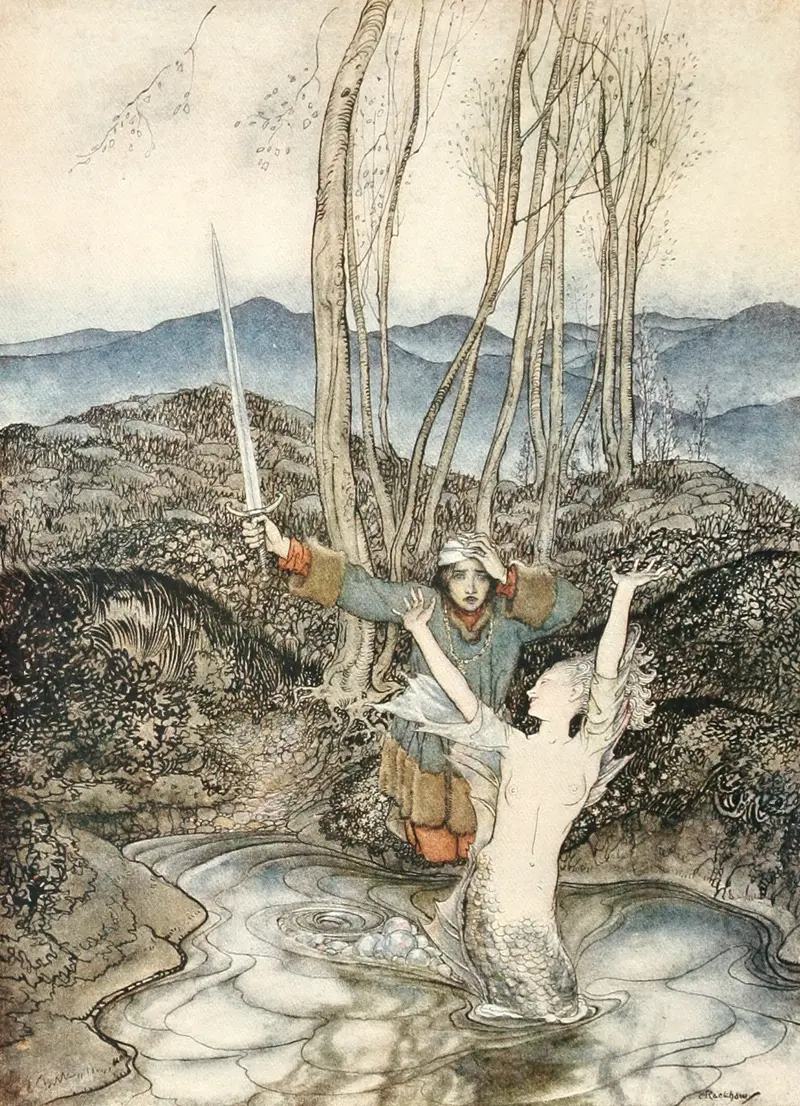
Clerk Colvill and the Mermaid
Arthur Rackham
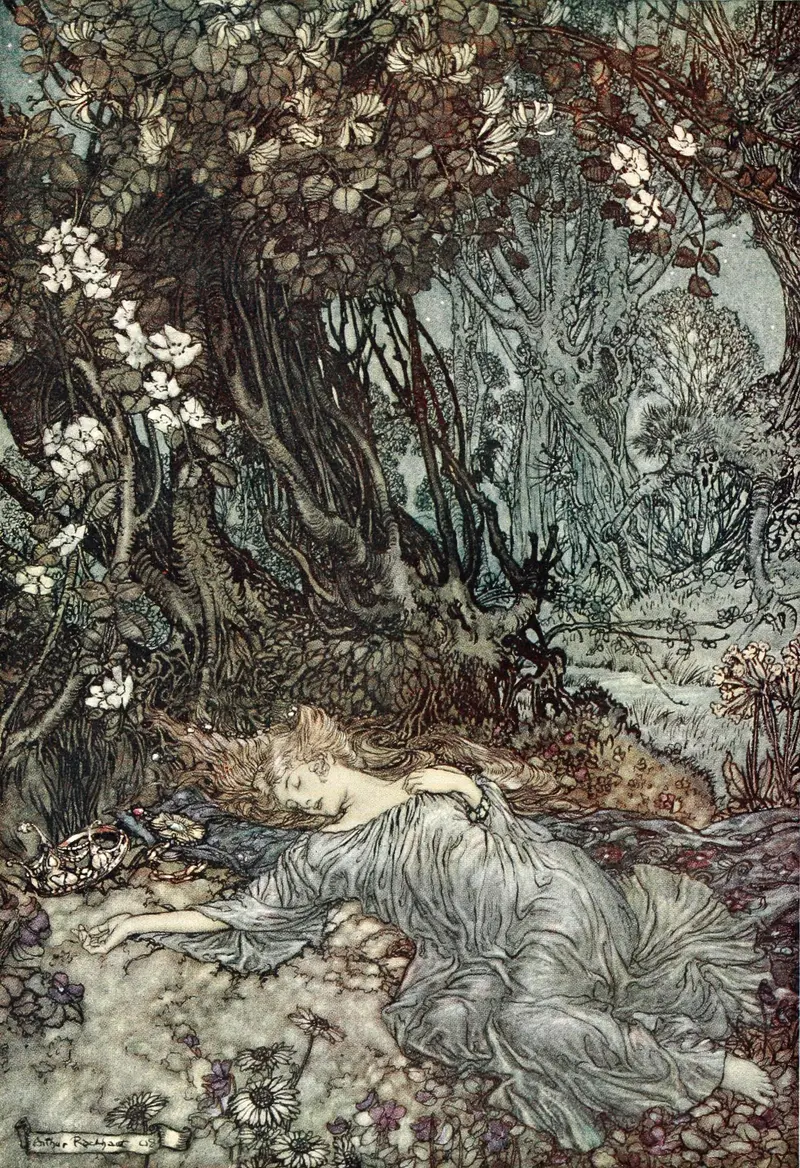
Titania Lying Asleep (A Midsummer Night's Dream)
Arthur Rackham
More Genre Scene Art

Banquet of the Officers of the St George Civic Guard
Frans Hals

Rembrandt and Saskia in the Scene of the Prodigal Son
Rembrandt van Rijn

Bal du moulin de la Galette
Pierre-Auguste Renoir

Quadrille at the Moulin Rouge
Henri de Toulouse-Lautrec

A Burial at Ornans
Gustave Courbet

When Will You Marry?
Paul Gauguin