
The Feet of Homer, Study for Tha Apotheosis of Homer — History & Facts
In 1826, Jean Auguste Dominique Ingres was deep in preparation for his monumental painting The Apotheosis of Homer, a commission for the ceiling of the Louvre’s Musée Charles X. Among the many studies he produced, The Feet of Homer stands out for its unusual focus: rather than Homer’s face or the crowd of admiring poets and artists, Ingres zeroed in on the ancient poet’s sandaled feet. This fragmentary study is a rare glimpse into the artist’s process, revealing how Ingres built his grand allegories from the ground up—quite literally.
The decision to isolate this detail was so striking that it drew comment from his contemporaries, who noted Ingres’s almost archaeological attention to the material reality of antiquity. The scene, as imagined in the final Apotheosis of Homer, gathers the greatest minds of Western culture at the feet of the blind Greek bard, crowning him as the father of poetry. In this study, Ingres chooses the moment when all eyes are drawn not to Homer’s gaze, but to the humble base of his presence—his feet, resting on a low plinth. The careful rendering of the sandals, the folds of the drapery, and the suggestion of the marble step evoke the reverence with which later generations approached Homer’s legacy.
The composition recalls the classical restraint of Jacques-Louis David, but where David might have emphasized heroic gesture, Ingres lingers on the quiet authority of the poet’s stance. The light falls gently, picking out the textures of flesh and leather, making the ancient world feel tangible and immediate. As a study, The Feet of Homer was never meant for public display, but rather as a working tool in Ingres’s studio. Its current whereabouts are not always clear, as such preparatory works often remained in the artist’s possession or circulated among students and collectors.
The finished Apotheosis of Homer was installed in the Louvre in 1827, cementing Ingres’s reputation as a champion of the Neoclassical revival. This study, however, offers a quieter testament to his method: a fragment that reveals the discipline and imagination behind the grandeur, and a reminder that even the greatest epics rest, quite literally, on humble foundations.
More Artworks by Jean Auguste Dominique Ingres
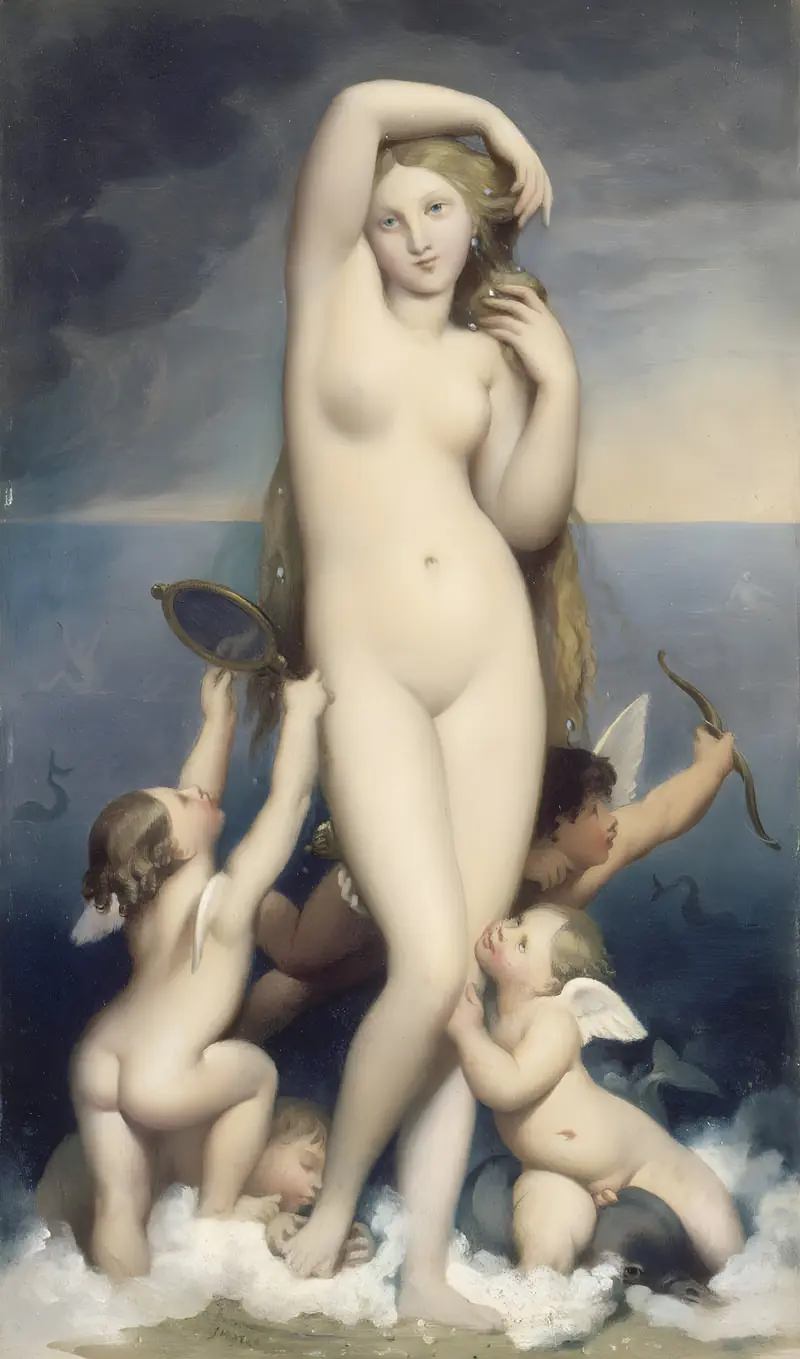
Vénus anadyomène
Jean Auguste Dominique Ingres
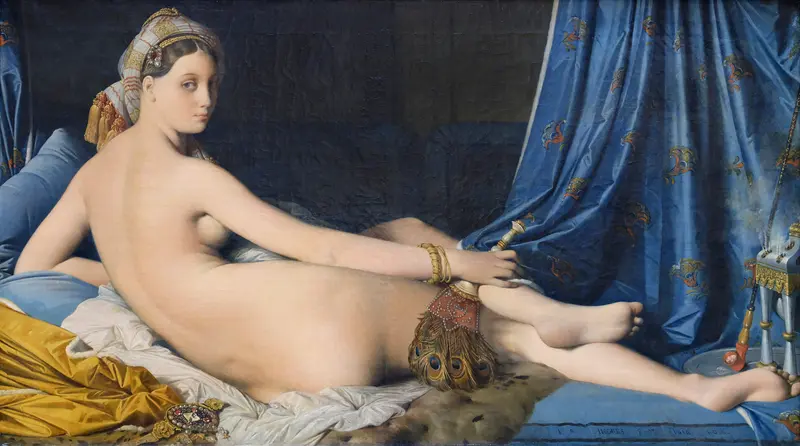
Grande Odalisque
Jean Auguste Dominique Ingres
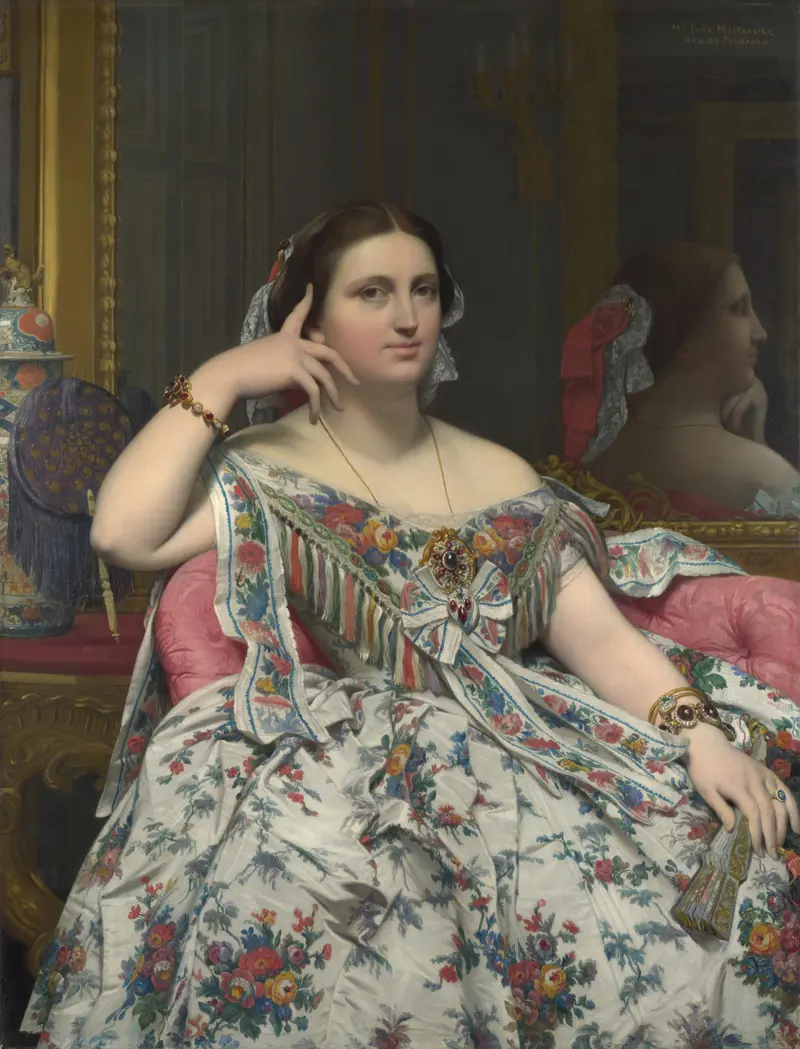
Madame Moitessier (seated)
Jean Auguste Dominique Ingres
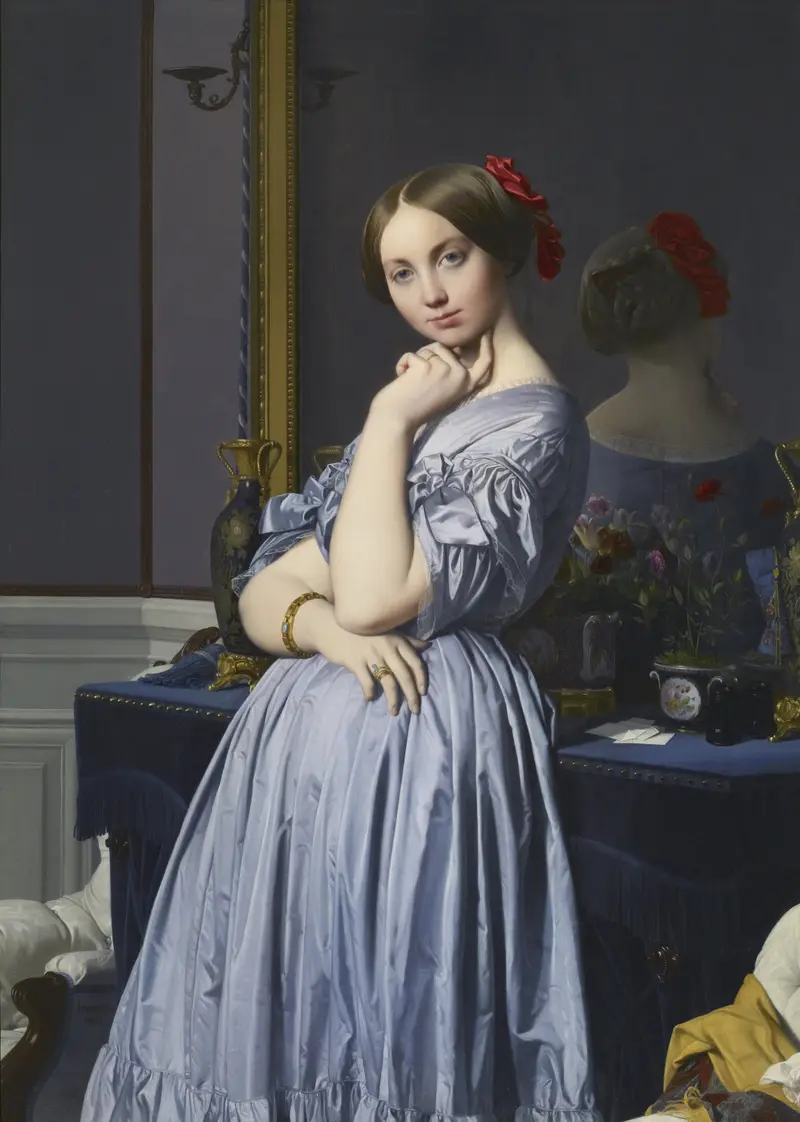
Portrait of Comtesse d’Haussonville
Jean Auguste Dominique Ingres
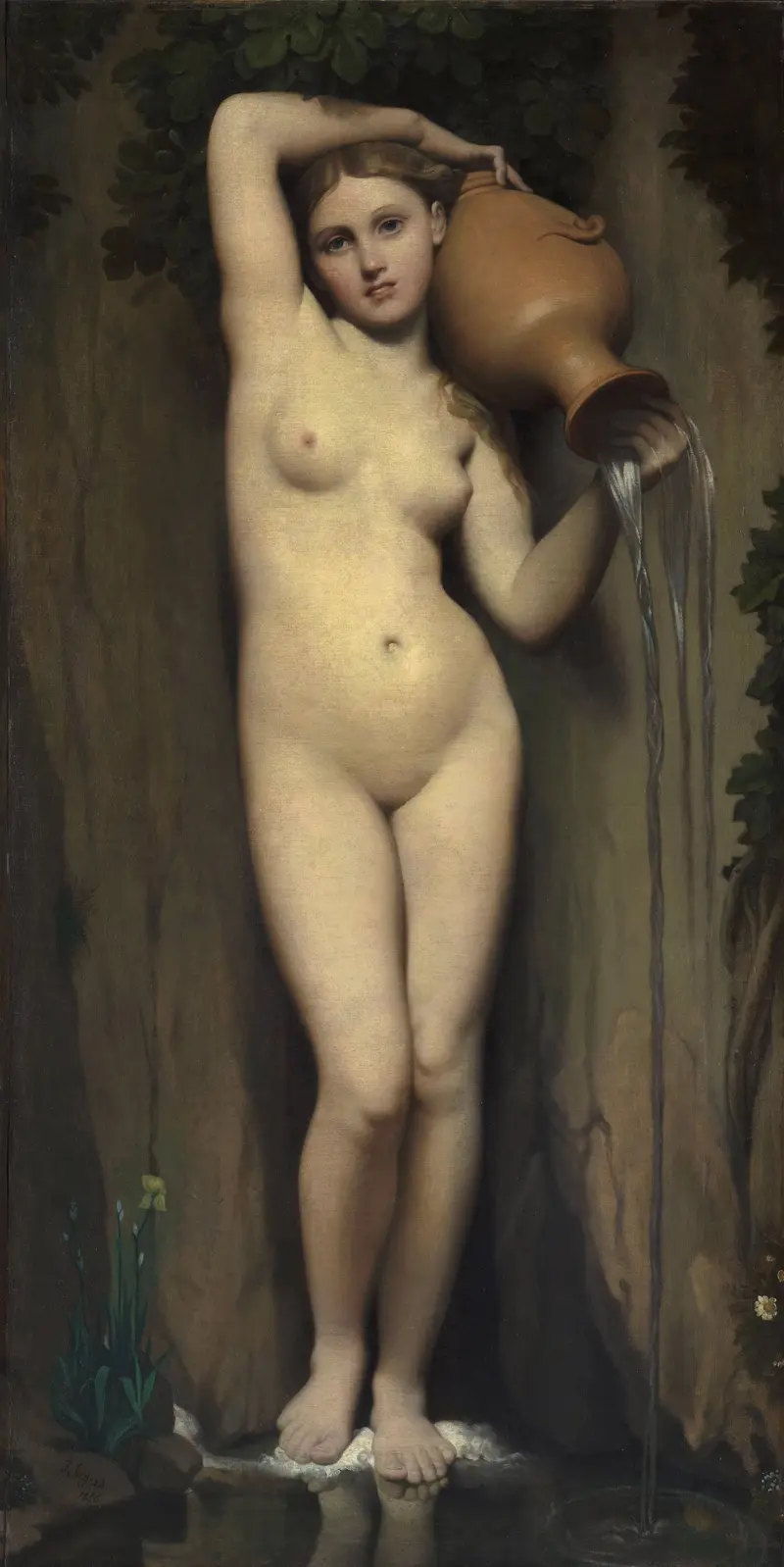
The Source
Jean Auguste Dominique Ingres
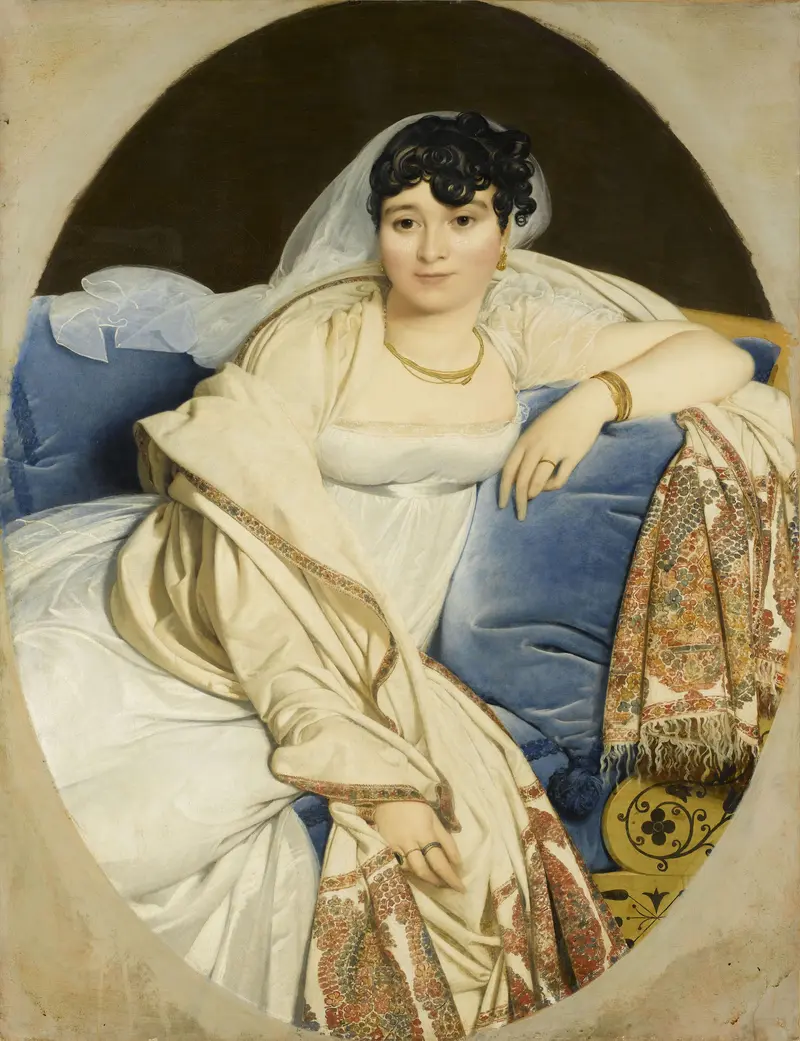
Madame Rivière
Jean Auguste Dominique Ingres

Madame Jean-Auguste-Dominique Ingres, née Madeleine Chapelle
Jean Auguste Dominique Ingres

Portrait of a Lady
Jean Auguste Dominique Ingres
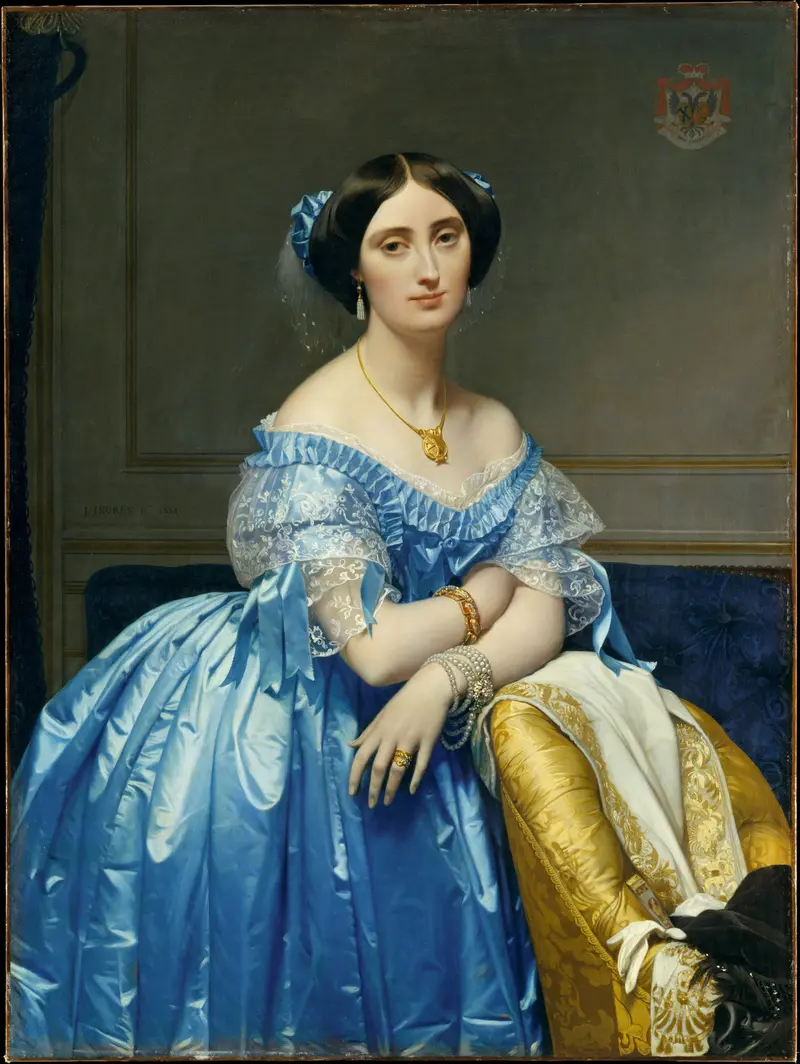
Joséphine-Éléonore-Marie-Pauline de Galard de Brassac de Béarn (1825–1860), Princesse de Broglie
Jean Auguste Dominique Ingres
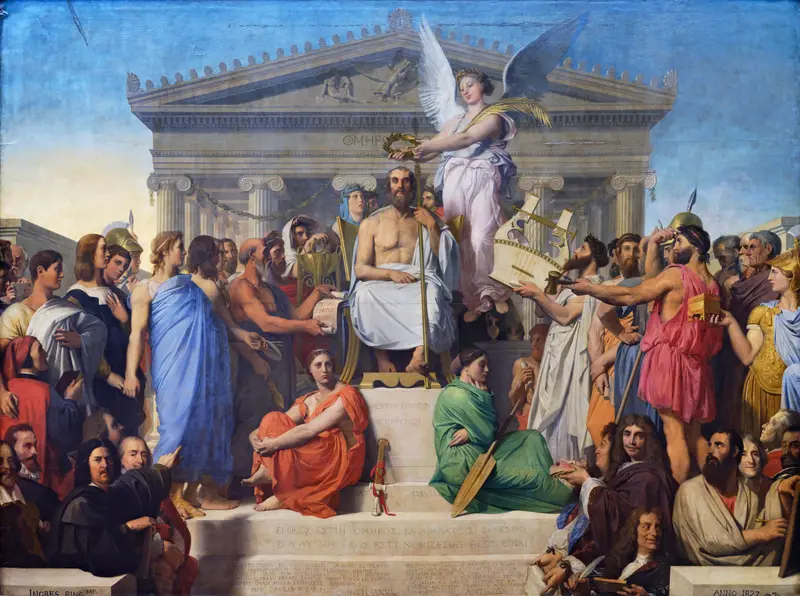
The Apotheosis of Homer
Jean Auguste Dominique Ingres



