
The Flamingos — History & Facts
What first catches the eye in The Flamingos is the way the paint itself seems to shimmer and move, as if the scene were caught in the midst of a memory or a dream. Two figures, their faces alive with curiosity, lean forward from the shadowy edge of a lush, tangled grove, their gestures frozen in the act of offering or discovery. The flamingos, poised and alert, are rendered with quick, luminous strokes that pick up the watery light, their long necks and legs echoing the vertical rush of the foliage behind them.
The brushwork is dense and tactile, the surface alive with color—green, gold, and sudden flashes of red—drawing the viewer into a world where nature and human presence intermingle in a moment of quiet spectacle. Painted in 1870, this work by Adolphe Joseph Thomas Monticelli belongs to a period when artists in France were breaking away from academic conventions, seeking instead to capture the fleeting effects of light and atmosphere. Monticelli’s thick, impasto technique and jewel-like palette anticipate the later experiments of the Impressionists, yet his scenes often retain a sense of theatricality and fantasy, as if recalling the fêtes galantes of the Rococo era. Little is recorded about the specific history of this painting, which was photographed for a private collection in 2018, but its very obscurity invites us to linger over its surface, searching for the story that flickers between the figures, the birds, and the shifting reflections.
More Artworks by Adolphe Monticelli

Portrait of a Lady
Adolphe Monticelli
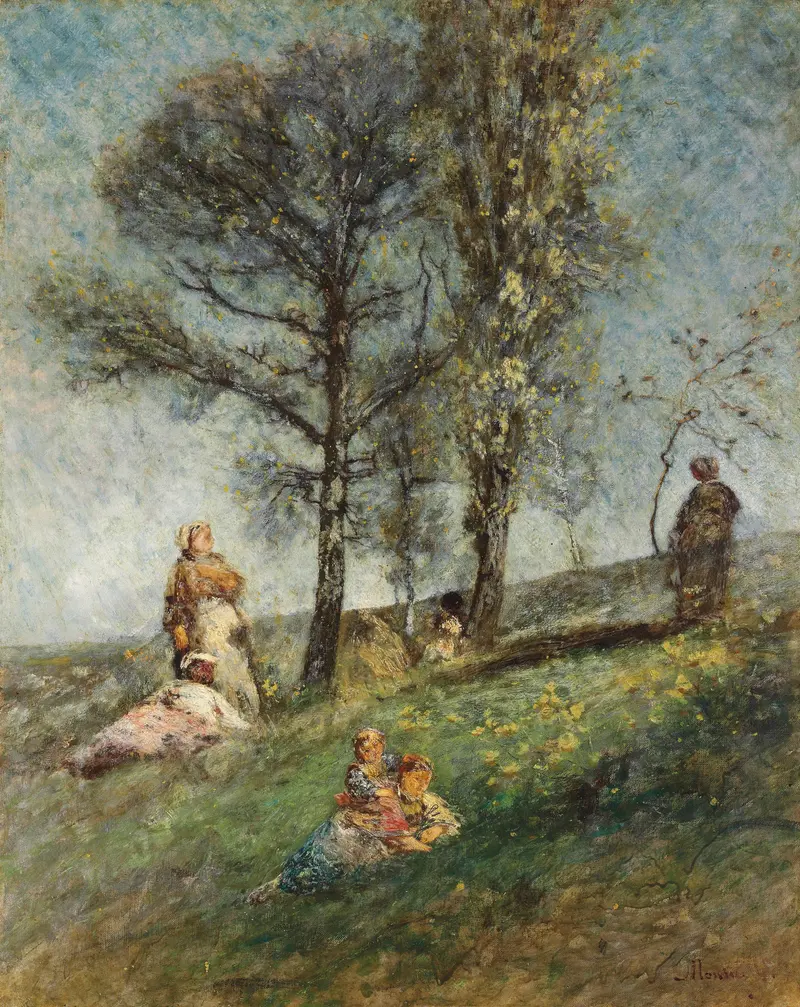
A Young Family Under Trees On A Hill
Adolphe Monticelli

Fête d'Après-Midi
Adolphe Monticelli
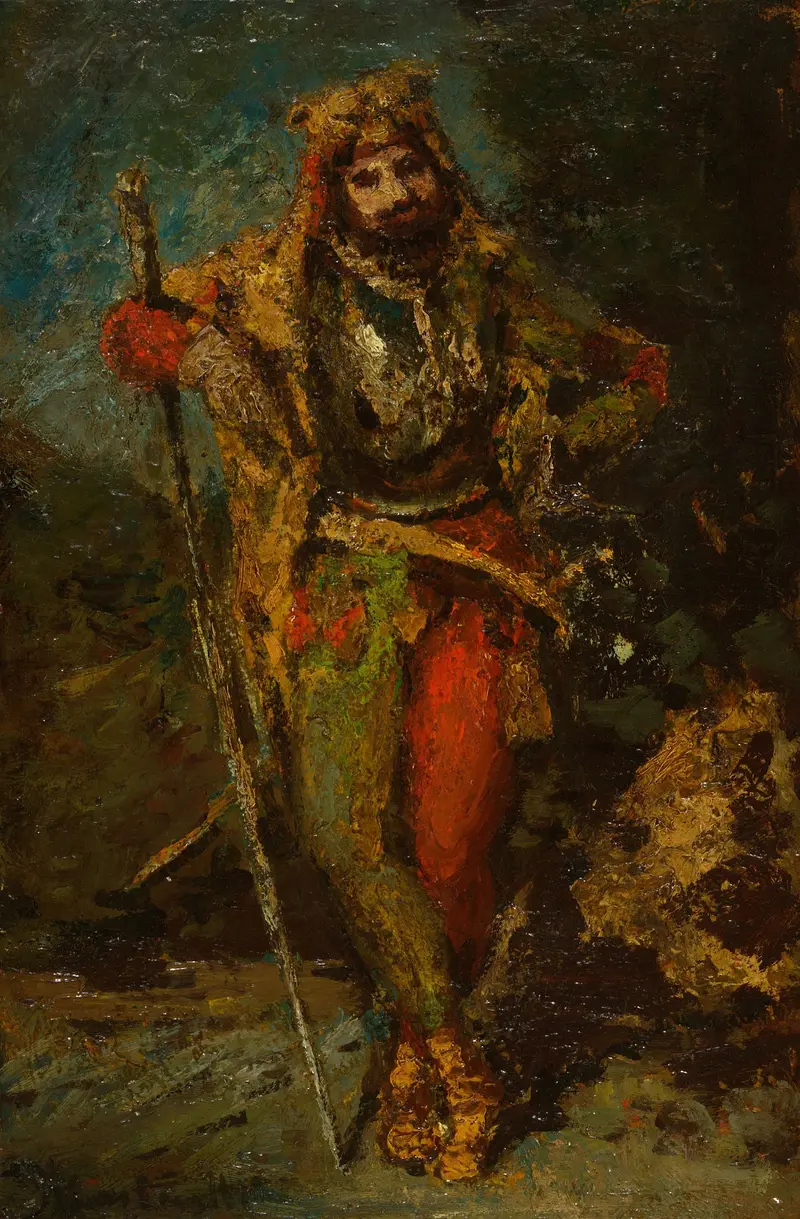
Mephisto from the Opera Faust
Adolphe Monticelli
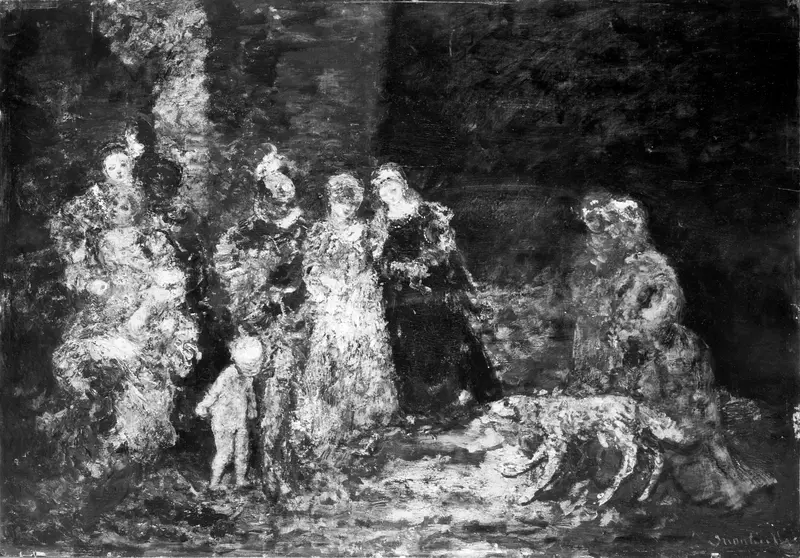
The Fairies
Adolphe Monticelli
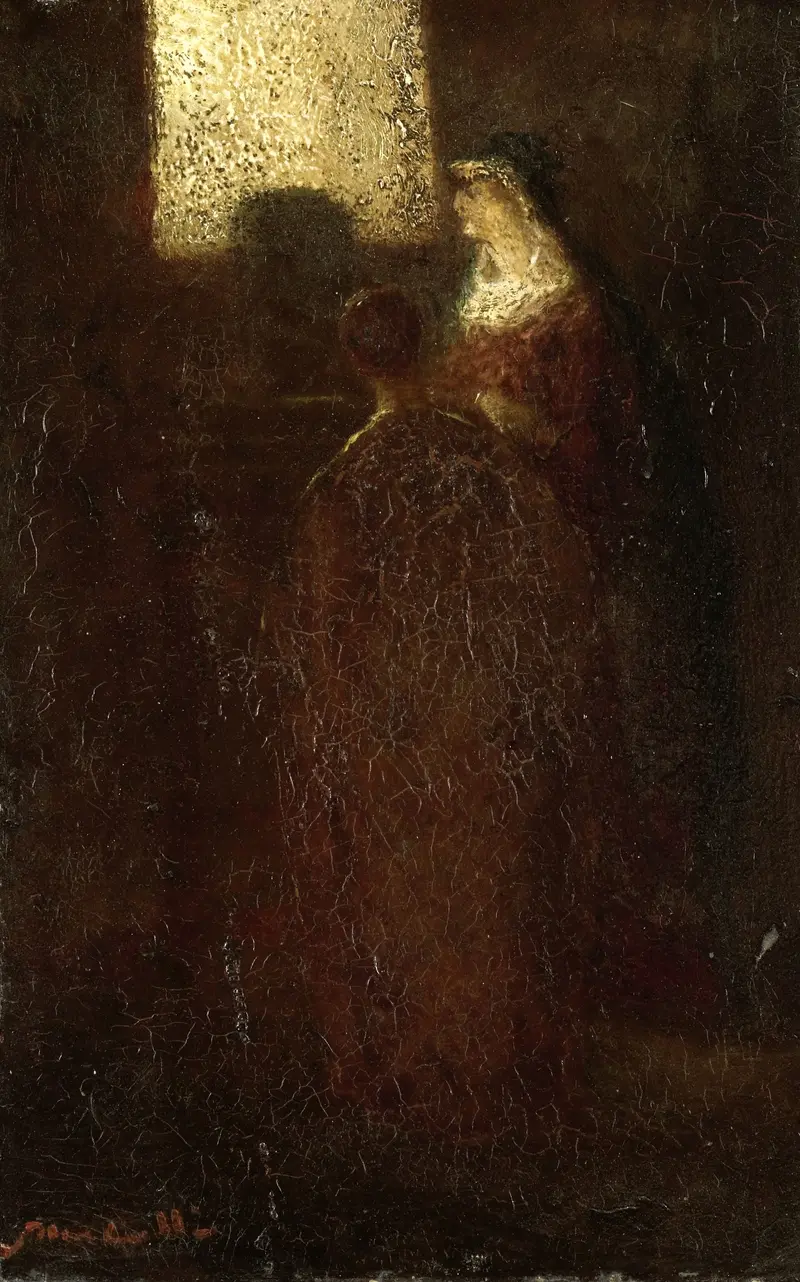
Aan het altaar
Adolphe Monticelli
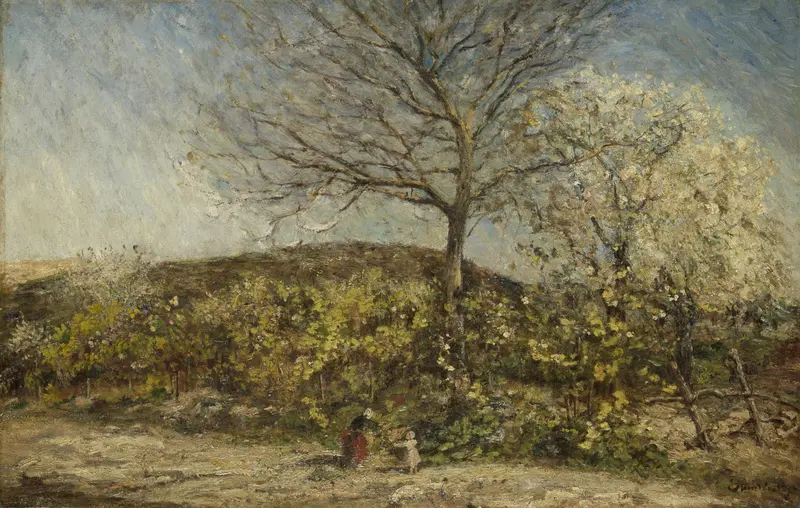
Landschap met bloeiende boomgaard
Adolphe Monticelli
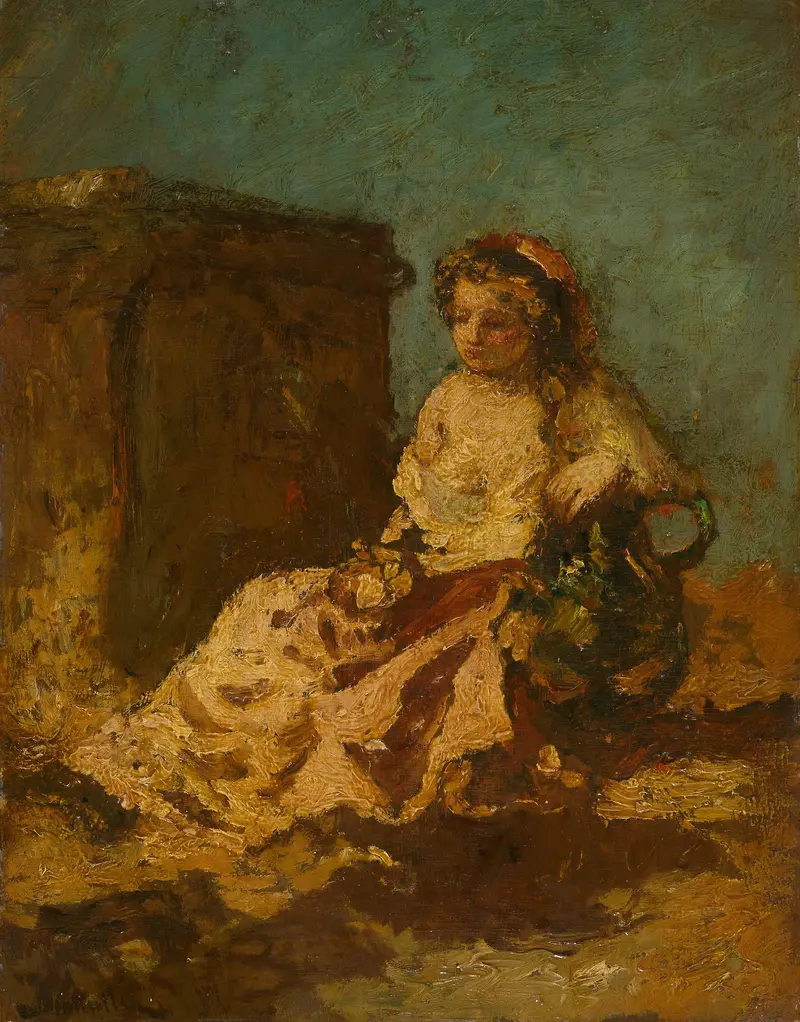
Meditation (Seated Woman)
Adolphe Monticelli
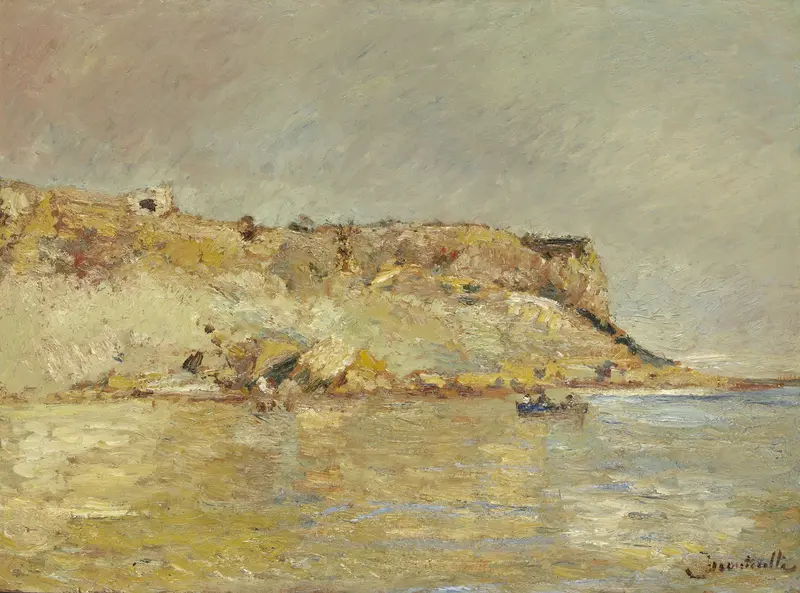
Coastal Mountains
Adolphe Monticelli
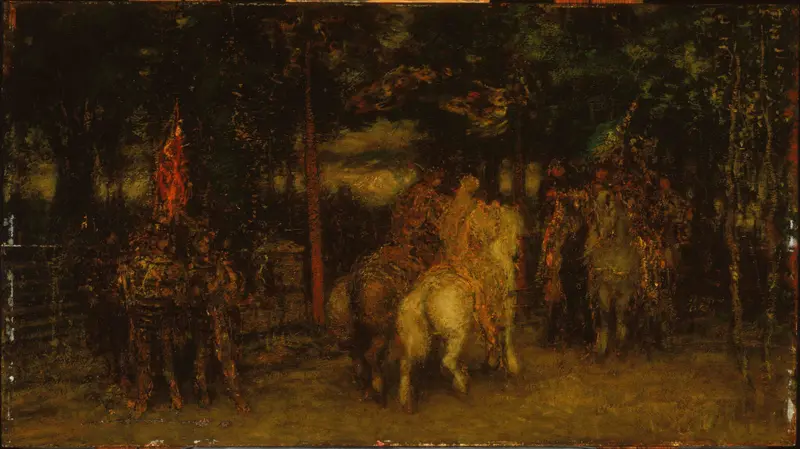
Landscape with Figures
Adolphe Monticelli





