
The Flight into Egypt — History & Facts
What first grips the eye in The Flight into Egypt is the sense of movement set against a world that seems to pause and breathe around the travelers. The figures of Mary and Joseph, with the infant Christ, are quietly foregrounded, but the true drama is in the landscape itself—a sweeping vista of rivers, bridges, distant towns, and a sky rolling with clouds. The path they follow winds gently, but the shadows beneath the trees and the careful placement of rocks and branches suggest both shelter and uncertainty.
The artist draws us into the journey: Joseph’s stooped posture and Mary’s attentive gaze create a silent conversation of care and resolve, while the donkey’s steady step anchors the trio in the midst of a world that feels vast and unknown. Painted in the first half of the sixteenth century, this work belongs to a moment when Northern European artists reveled in the possibilities of landscape as a stage for sacred stories. The detailed background—populated with bridges, castles, and tiny figures—reflects the era’s fascination with both the natural world and the bustling life of towns. Such paintings were often commissioned for private devotion, their intricate settings inviting viewers to meditate on the biblical journey as if it unfolded in their own countryside.
Though history has kept few traces of this particular Flight into Egypt, its recent appearance at Sotheby’s New York in 2018 places it within a long tradition of devotional art that blends the familiar with the miraculous. The more you look, the more the landscape itself seems to beckon, promising new discoveries with every return.
More Artworks by Adriaen Isenbrant
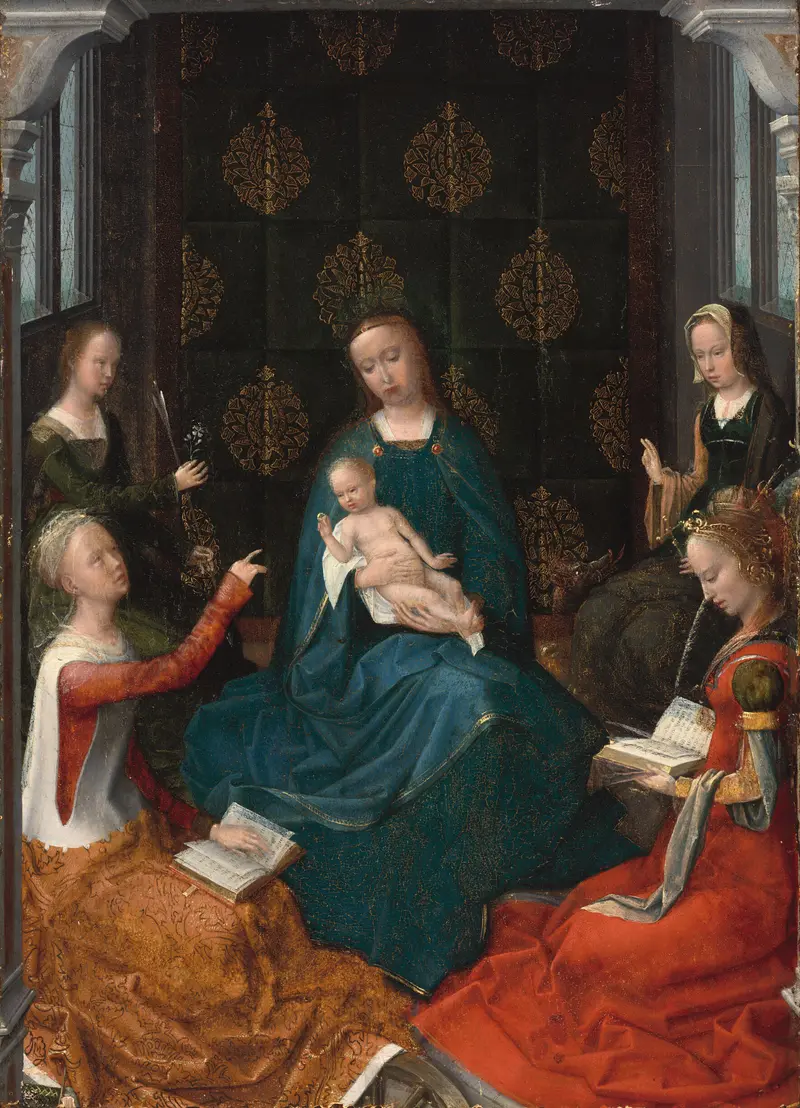
The Mystic Marriage of Saint Catherine of Alexandria with Three Female Saints: Ursula, Margaret of Antioch, and an Unidentified Martyr
Adriaen Isenbrant
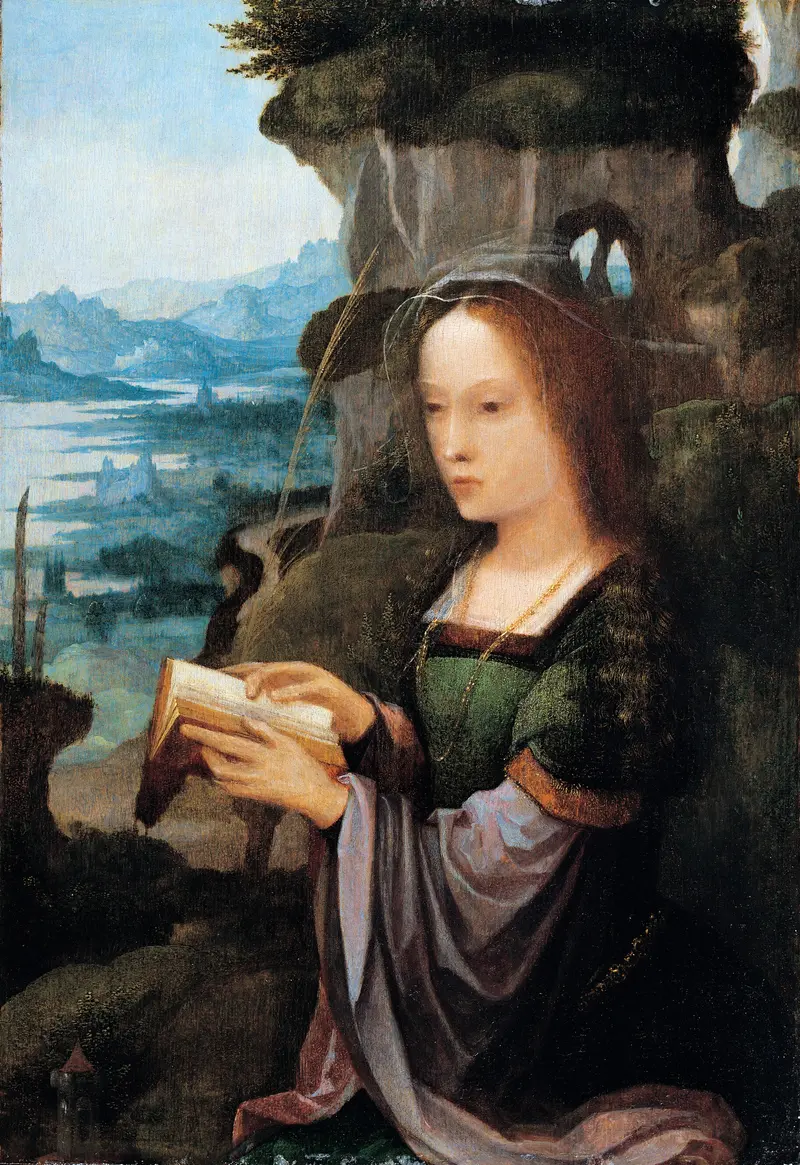
Saint Barbara
Adriaen Isenbrant
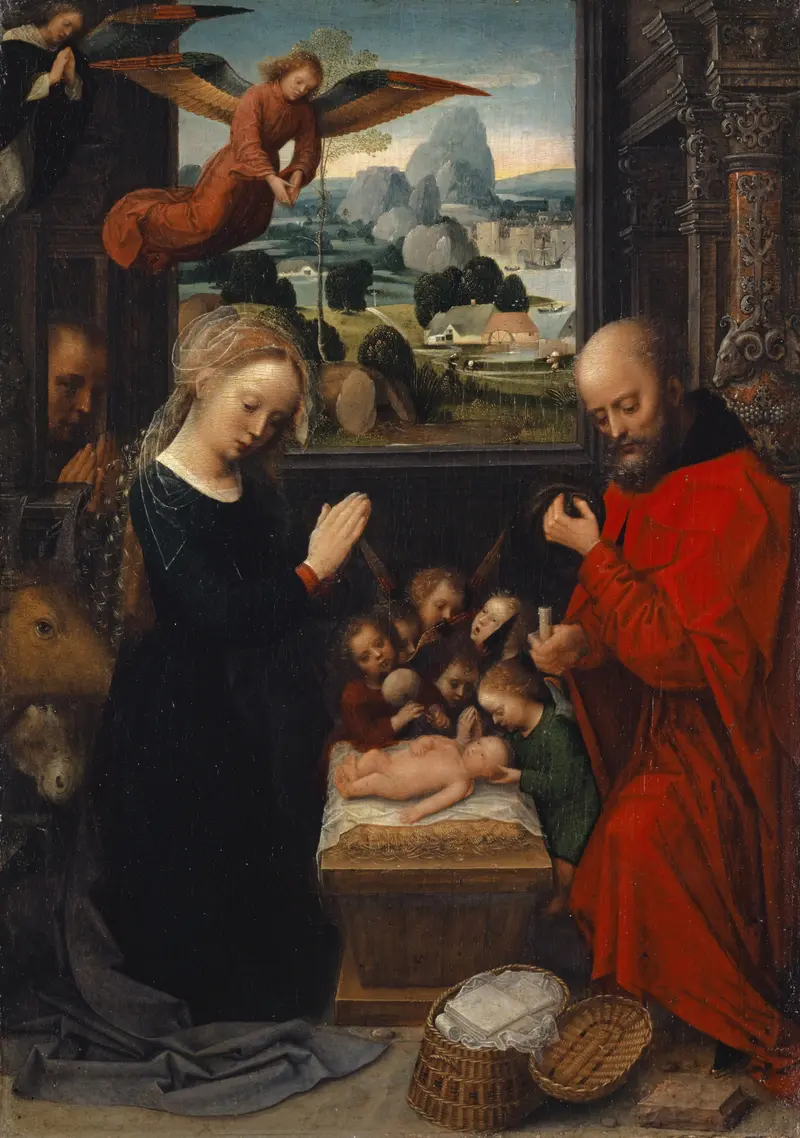
The Nativity
Adriaen Isenbrant
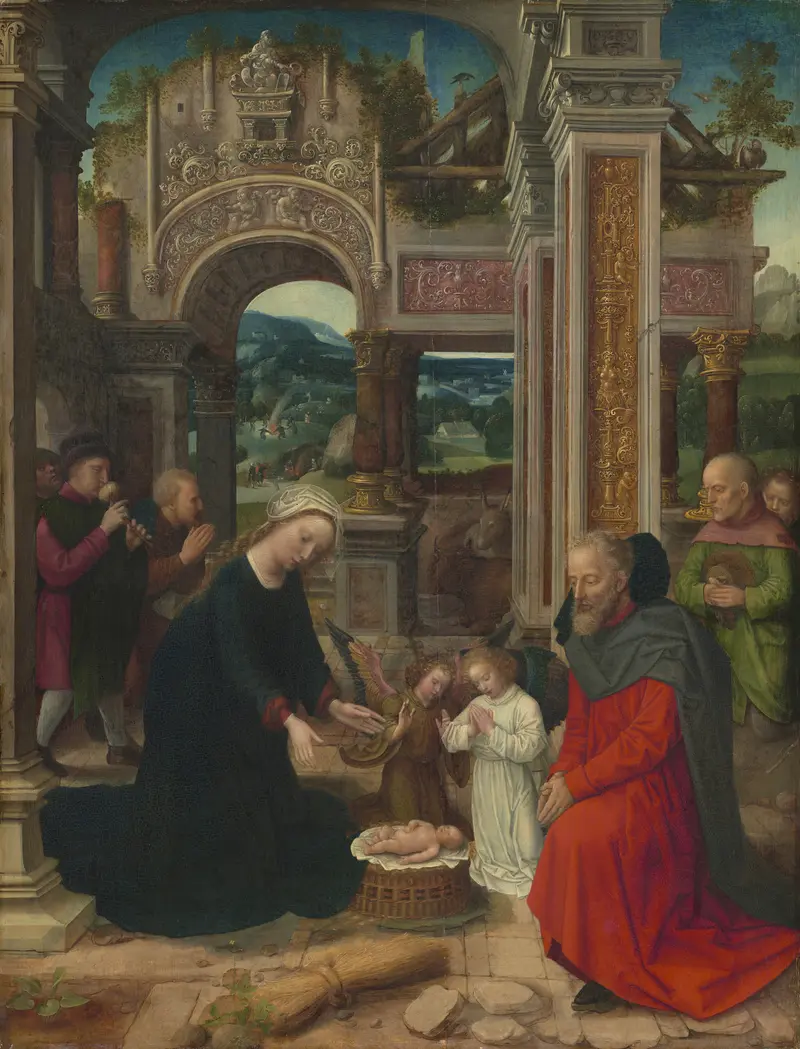
The Adoration of the Shepherds
Adriaen Isenbrant
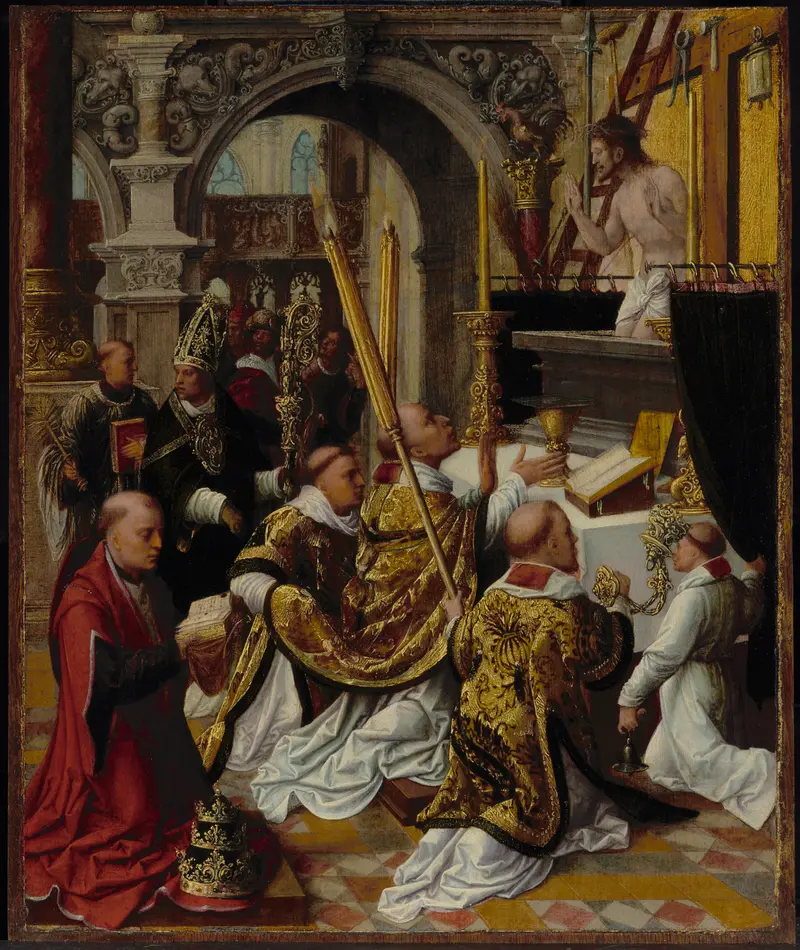
The Mass of Saint Gregory the Great
Adriaen Isenbrant
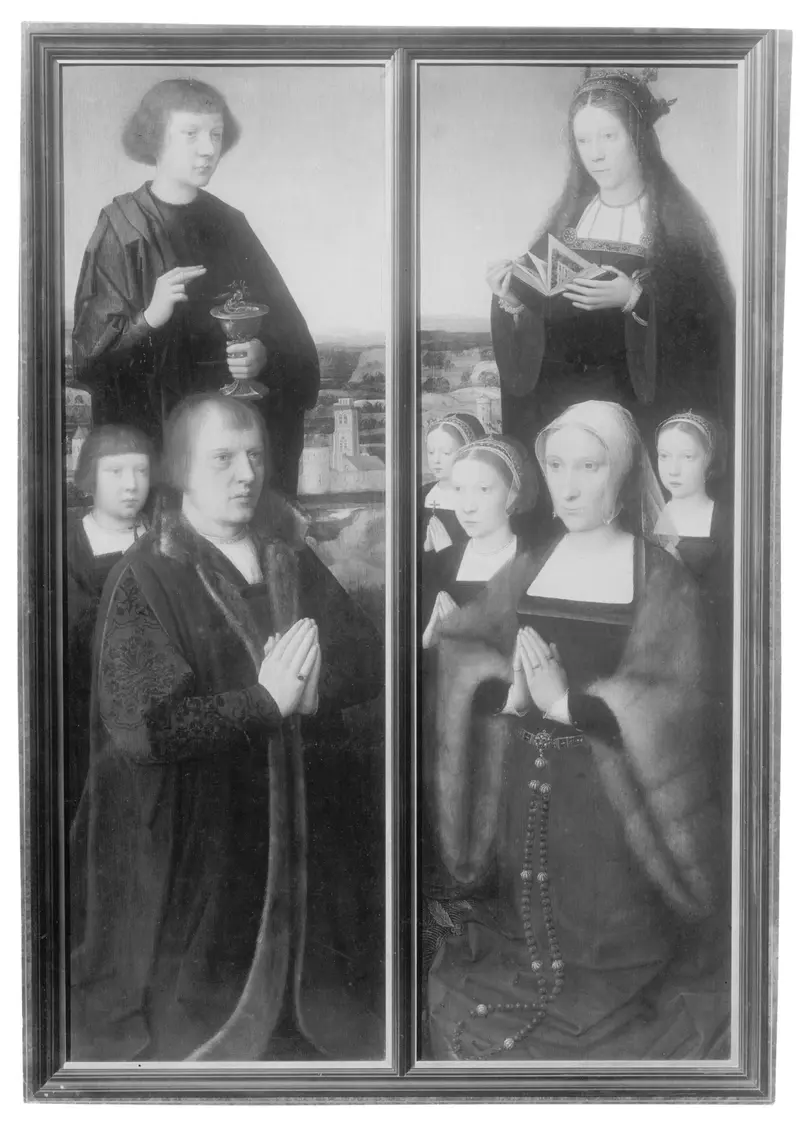
Wings of a polyptych with donors -Man with son and Saint, Woman with daughters and Saint (burned)
Adriaen Isenbrant
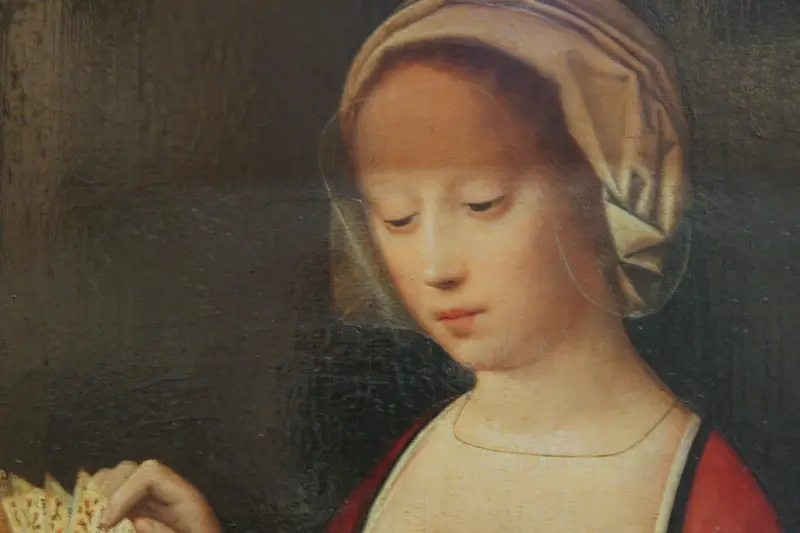
Mary Magdalene Reading
Adriaen Isenbrant
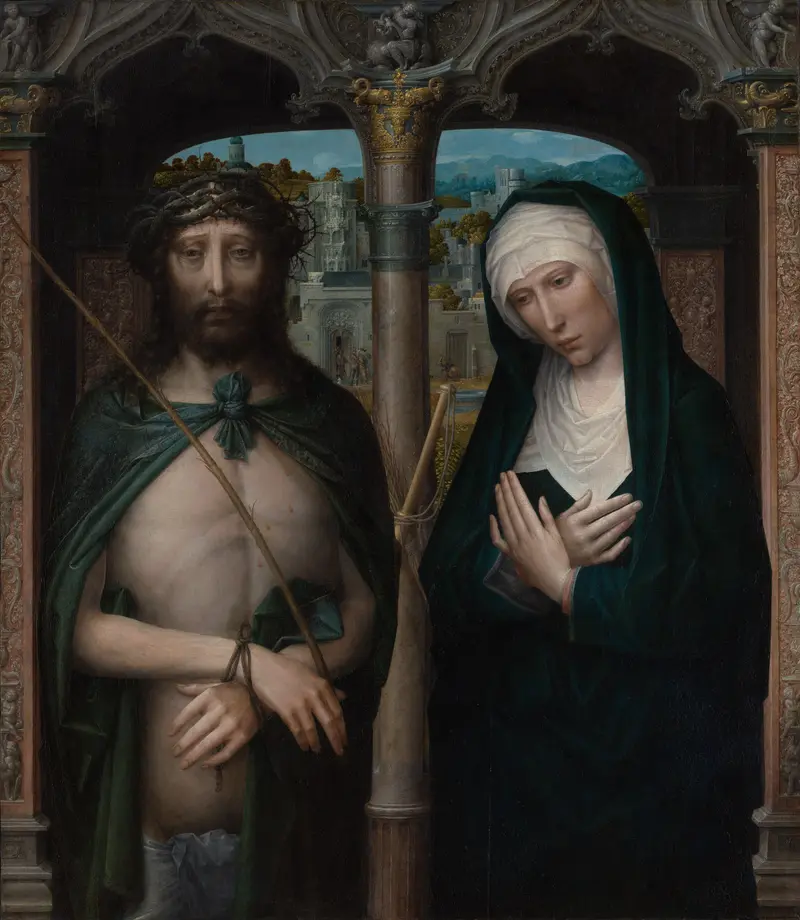
Christ Crowned with Thorns (Ecce Homo), and the Mourning Virgin
Adriaen Isenbrant
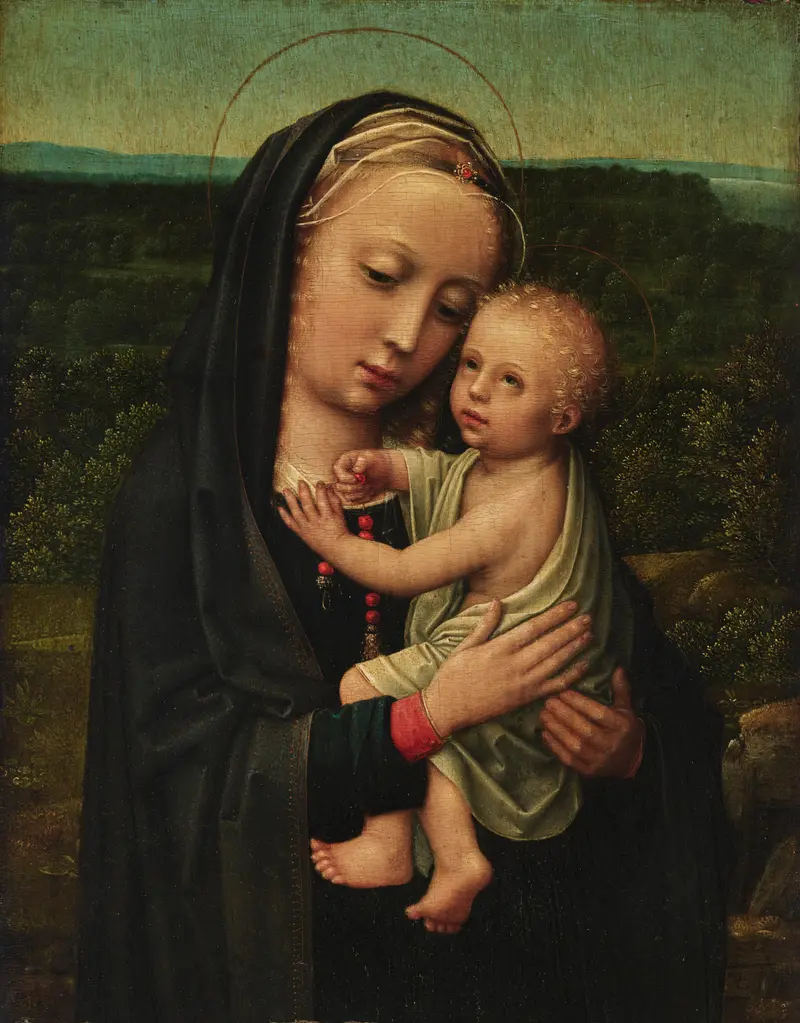
Madonna and Child
Adriaen Isenbrant
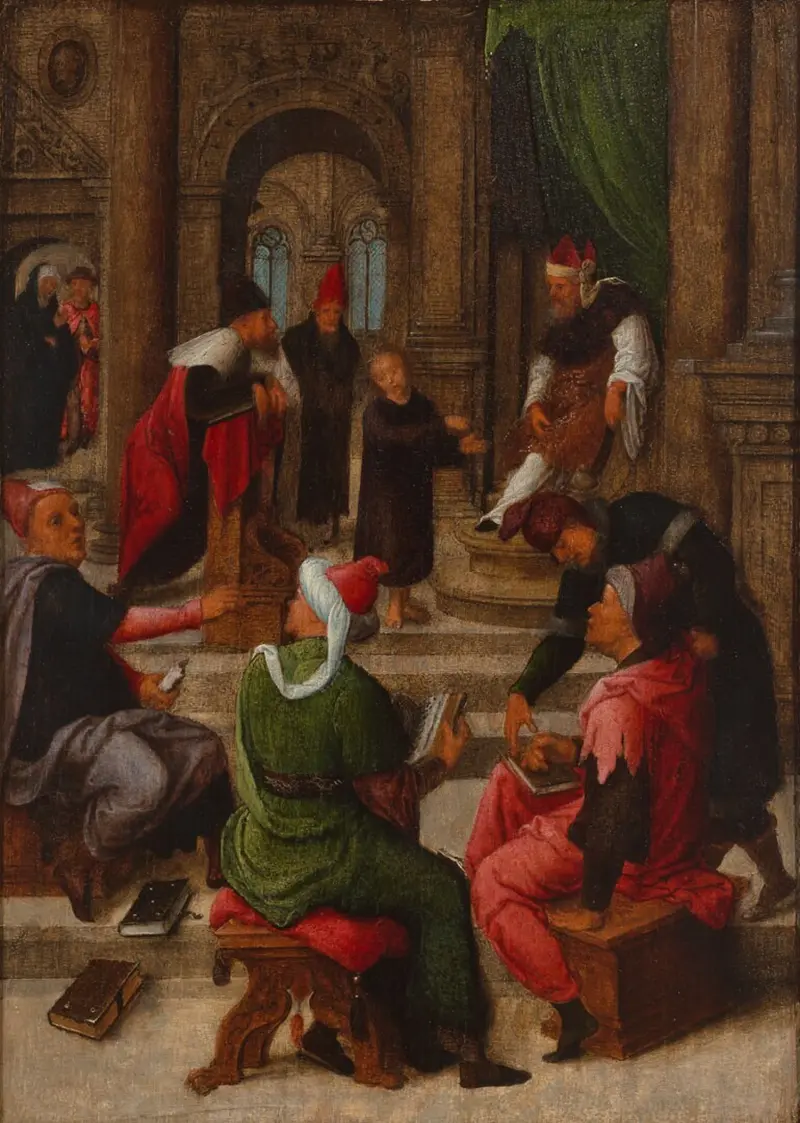
The 12-Year-Old Jesus in the Temple
Adriaen Isenbrant





