
The Floor Planers — History & Facts
In The Floor Planers, Gustave Caillebotte presents a scene of workers engaged in the labor of flooring. The painting features a palette dominated by earthy tones, with browns and grays that reflect the materials being used. The figures are depicted in a realistic manner, showcasing their physical effort and concentration.
The setting is a Parisian interior, likely a newly constructed building, which adds to the sense of urban development. The painting is executed in oil on canvas, a common medium for Caillebotte's works. It measures approximately 81.3 x 101.6 cm, making it a substantial piece that captures the viewer's attention. The composition is carefully arranged, with diagonal lines leading the eye through the scene, emphasizing the depth and perspective of the space.
The details of the workers' clothing and the tools they use enhance the realism of the work. Gustave Caillebotte was a key figure in the Impressionist movement, although his style leaned more towards Realism. The Floor Planers is notable for its focus on the working class, a theme that Caillebotte often explored in his art. An interesting fact about this work is that it reflects the rapid urbanization of Paris during the late 19th century, capturing a moment in the city's transformation.
Caillebotte's unique perspective on everyday life continues to resonate with viewers today.
More Artworks by Gustave Caillebotte
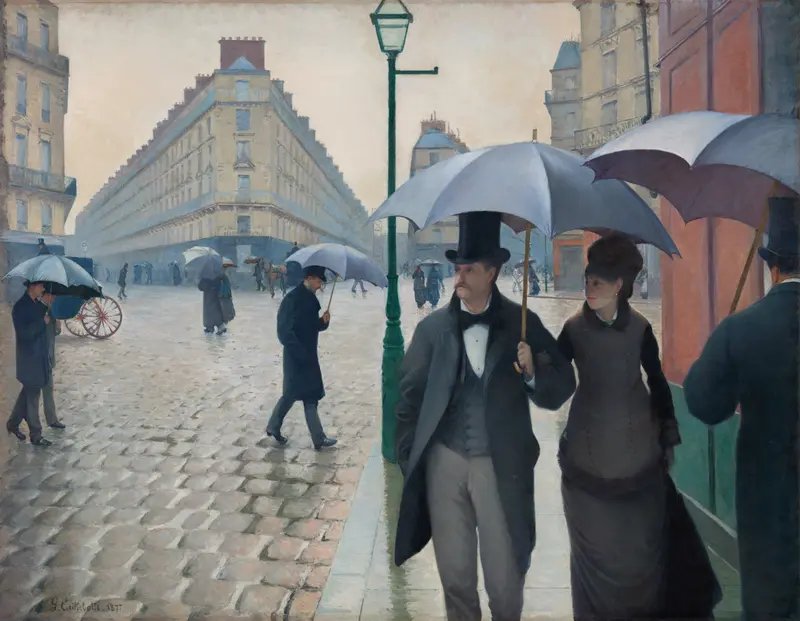
Paris Street; Rainy Day
Gustave Caillebotte
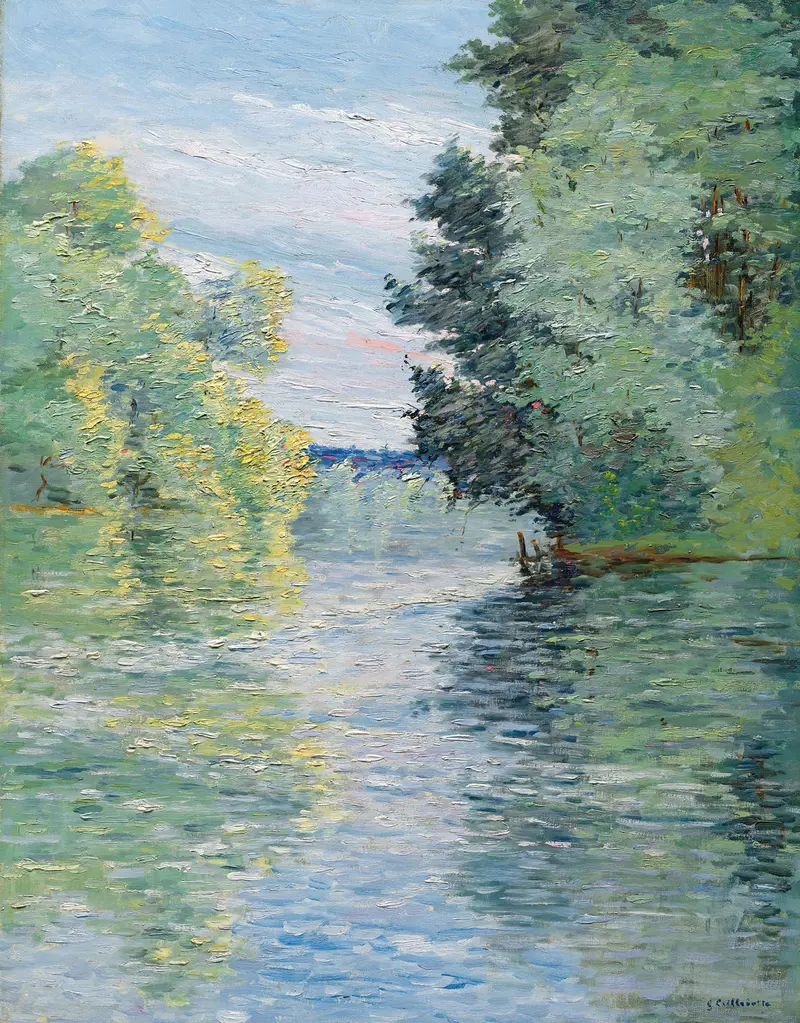
Le Petit bras de la Seine à Argenteuil
Gustave Caillebotte

La Vallée De L’yerres
Gustave Caillebotte
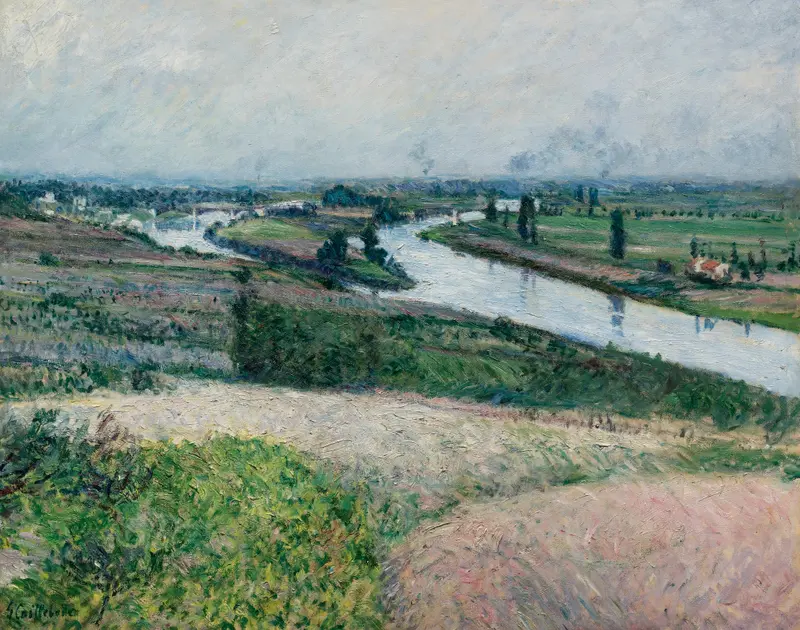
La Seine À La Pointe D’epinay
Gustave Caillebotte
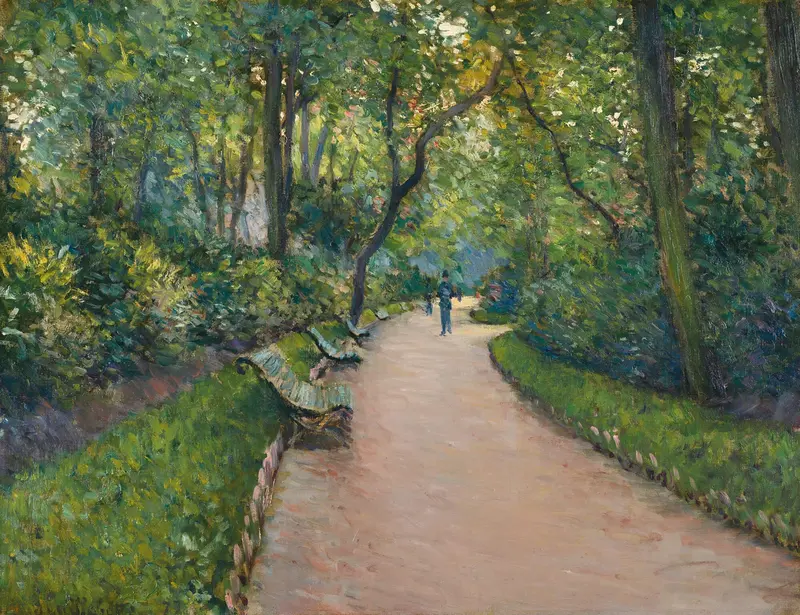
Le Parc Monceau
Gustave Caillebotte
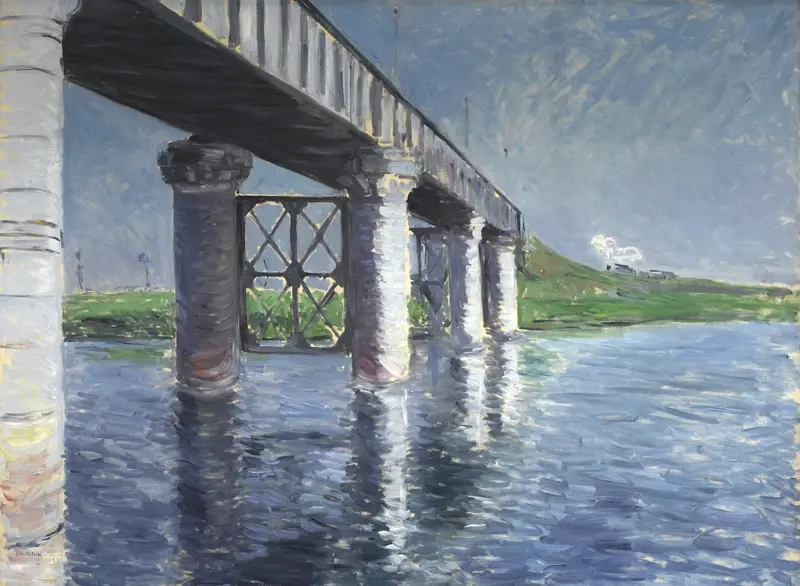
The Seine and the Railroad Bridge at Argenteuil
Gustave Caillebotte
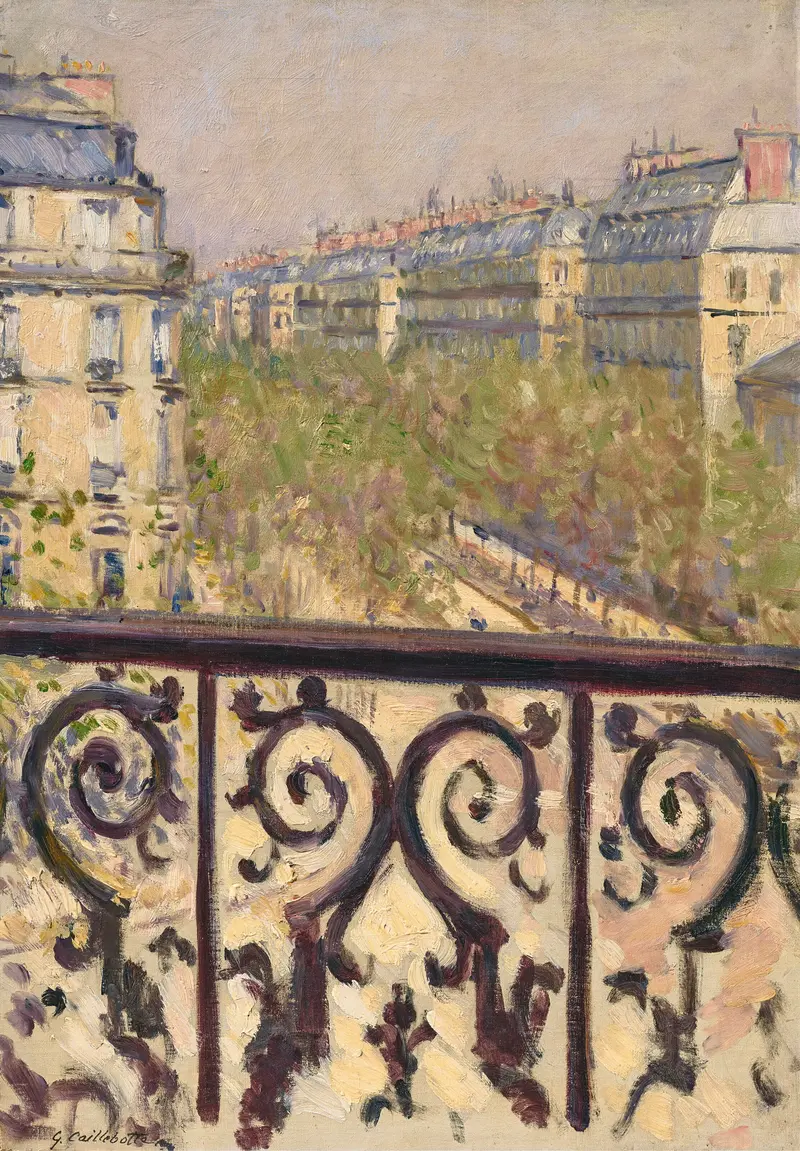
Un Balcon, Boulevard Haussmann
Gustave Caillebotte
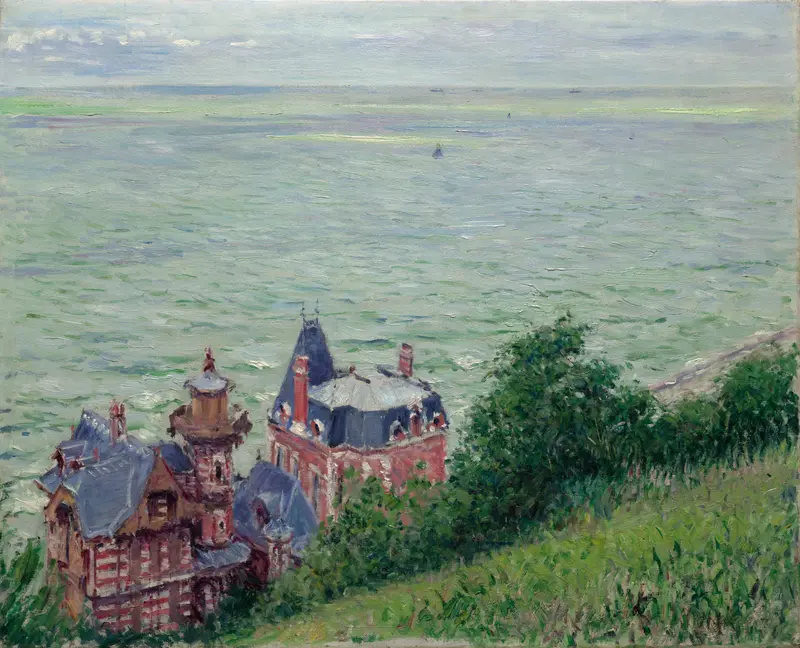
Villas at Trouville
Gustave Caillebotte
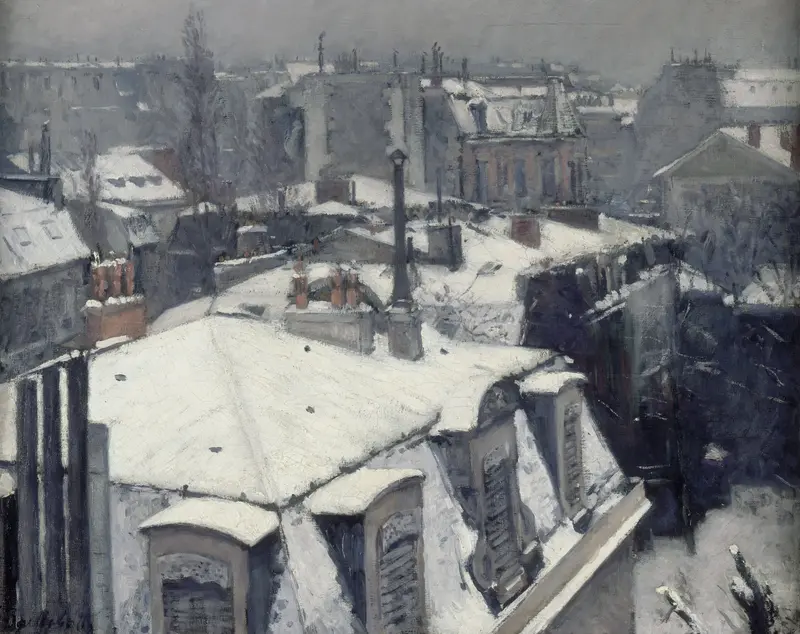
Rooftops in the Snow (Snow Effect)
Gustave Caillebotte
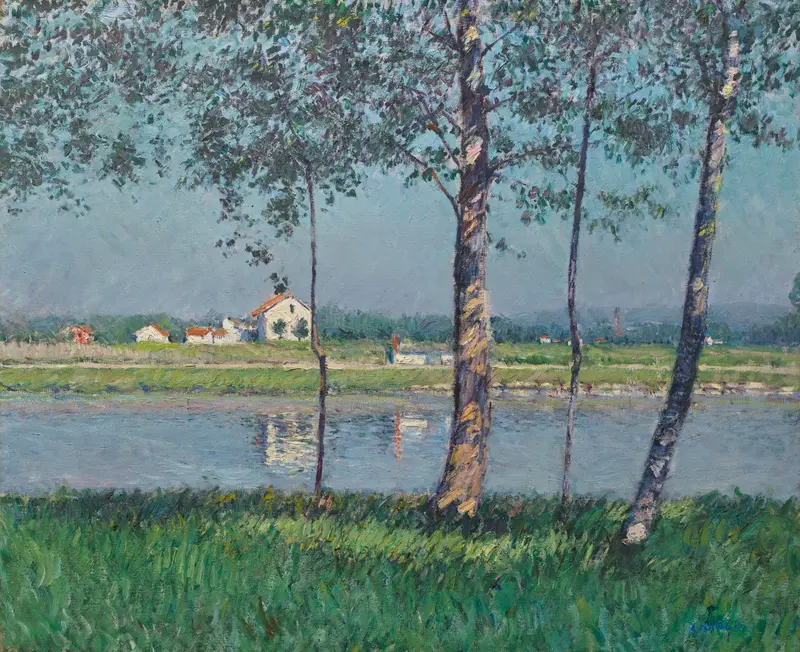
Rive de la Seine au Petit-Gennevilliers
Gustave Caillebotte
More Genre Scene Art

Banquet of the Officers of the St George Civic Guard
Frans Hals

Rembrandt and Saskia in the Scene of the Prodigal Son
Rembrandt van Rijn

Bal du moulin de la Galette
Pierre-Auguste Renoir

Quadrille at the Moulin Rouge
Henri de Toulouse-Lautrec

A Burial at Ornans
Gustave Courbet

When Will You Marry?
Paul Gauguin