
The Foggy Gulf (Ciel De Mistral) — History & Facts
When did color learn to lie? The playful interplay between hues conceals deeper truths that dance just beneath the surface. Focus on the vibrant ochres and soft blues that wash over the canvas, drawing your gaze immediately to the gentle undulations of the sea. Notice how the strokes blend seamlessly, capturing the essence of a foggy gulf, while the light seems to shimmer, evoking a sense of both serenity and unease. The composition is inviting yet elusive, as form and color intertwine to create a dreamlike atmosphere, a liminal space between reality and the unfathomable depths of the unknown. As you delve deeper, consider the tension between the serene landscape and the ghostly fog that envelops it—each element seemingly at odds with the other.
The quiet beauty of nature is juxtaposed with the fleeting, almost ephemeral quality of life itself. In Bonnard’s use of color, there lies an exploration of mortality; the vibrant palette may suggest vitality, yet it simultaneously acknowledges the inevitable decay that awaits. This contradiction resonates across the canvas, inviting contemplation on existence itself. Created in 1914, this piece emerged during a tumultuous period in Europe, just as the world stood on the brink of war.
Bonnard was living in France, where intense social and political changes were brewing. Art was evolving too, with movements like Impressionism and Post-Impressionism paving the way for new expressions. The artist, known for his ability to infuse emotional depth into color, sought to encapsulate not just the beauty of the world around him, but also the haunting impermanence that colors our lives.
More Artworks by Pierre Bonnard
Browse all →
Les deux fiacres (Boulevard des Batignolles)
Pierre Bonnard

Le Balcon Et L’ombrelle
Pierre Bonnard

Paysage de Vernon
Pierre Bonnard

Place Pigalle at Night
Pierre Bonnard
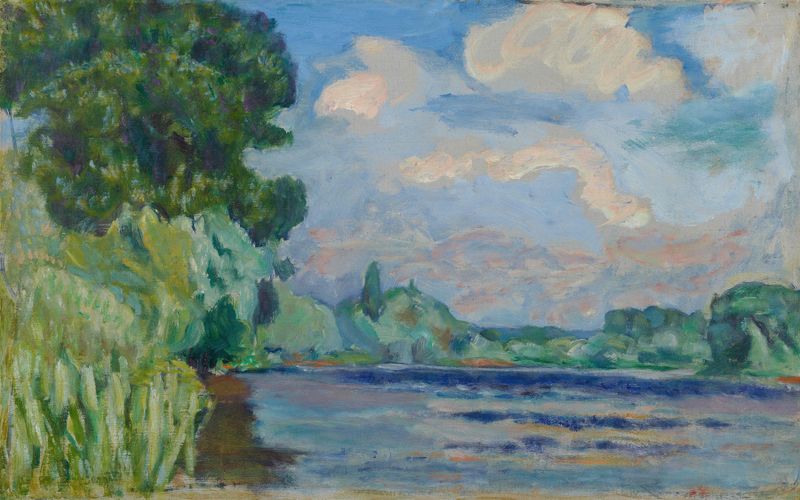
La Seine à Vernon
Pierre Bonnard

Les Toits
Pierre Bonnard
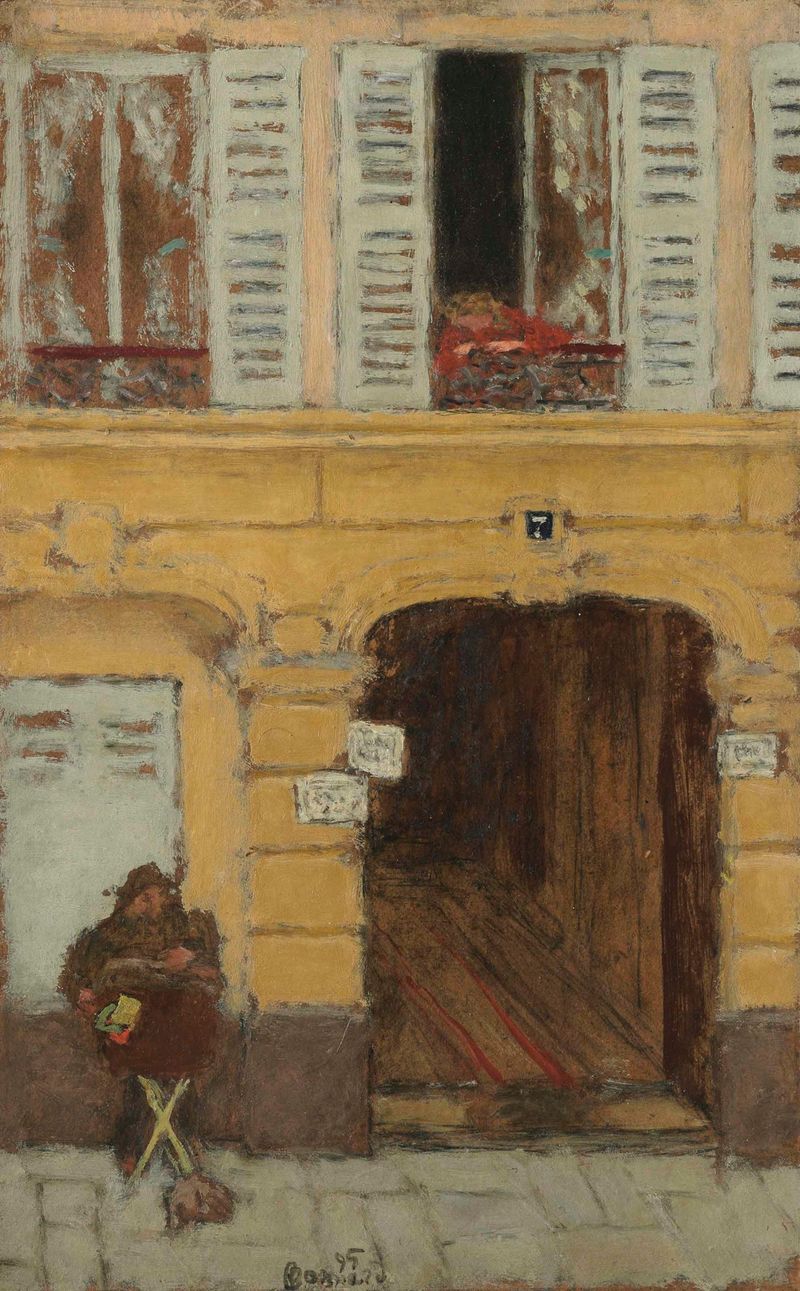
L’orgue de Barbarie ou Le joueur d’orgue
Pierre Bonnard

Paysage de Saint-Tropez
Pierre Bonnard

Soleil Couchant
Pierre Bonnard
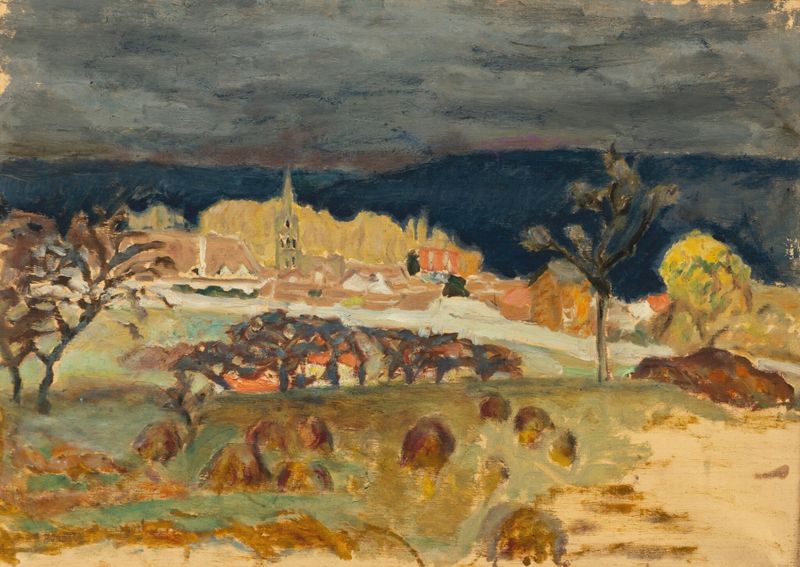
Village, ciel d’orage
Pierre Bonnard





