
The Glasgow International Exhibition — History & Facts
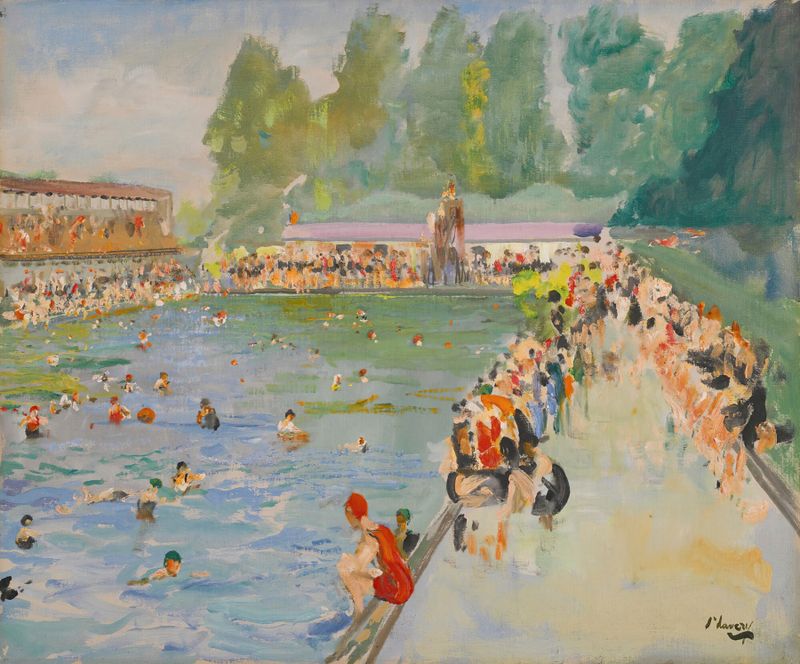
What secret hides in the quiet of the canvas? Within the layers of paint, memories whisper, inviting us to explore the past and the emotions entwined with it. Look to the center, where figures gather beneath a grand pavilion, their faces illuminated by soft, dappled light. Notice how Lavery employs a palette of earthy tones, contrasting with vibrant splashes of color that draw our attention to the joyful activities surrounding the exhibition. The composition flows gracefully, leading the eye from the casual exchanges among friends to the architectural elegance of the structure itself, symbolizing the convergence of art and society. Beneath the surface, subtle tensions emerge — the figures appear engaged yet distant, suggesting the bittersweet nature of nostalgia.
The lively atmosphere is tempered by hints of solitude, as some individuals gaze off into the distance, perhaps lost in their reflections. This interplay of closeness and isolation captures the essence of memory: vivid yet often tinged with longing for what once was. In 1888, Sir John Lavery was at the forefront of the Glasgow art scene, capturing the spirit of progress and innovation. He was deeply involved in the cultural transformations occurring in Scotland, as the country embraced industrial growth and a renewed appreciation for the arts.
This painting reflects that dynamic moment, where the vibrancy of contemporary life met the historical echoes of a city in flux, allowing Lavery to share a narrative woven from both personal and collective memory.
More Artworks by Sir John Lavery
Browse all →
On The Sands
Sir John Lavery

The Beach, Tangier
Sir John Lavery

Evening, The Bay Of Tunis
Sir John Lavery

Tangier bay at night
Sir John Lavery
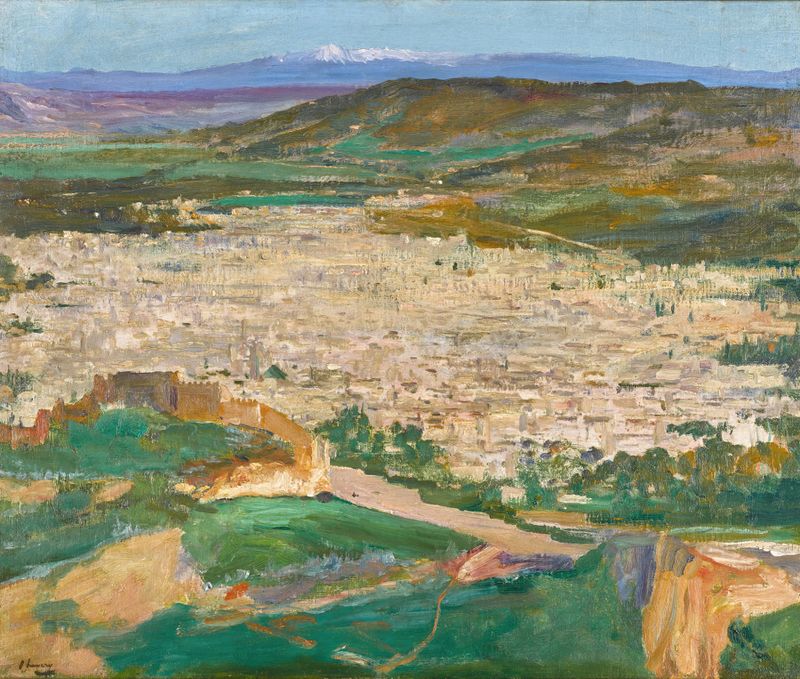
A View of Fez
Sir John Lavery
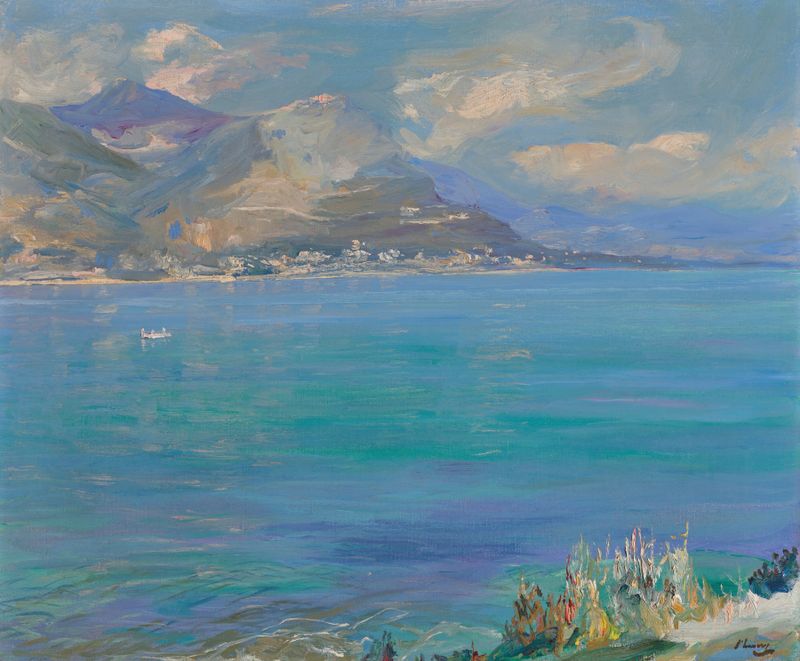
Beaulieu
Sir John Lavery
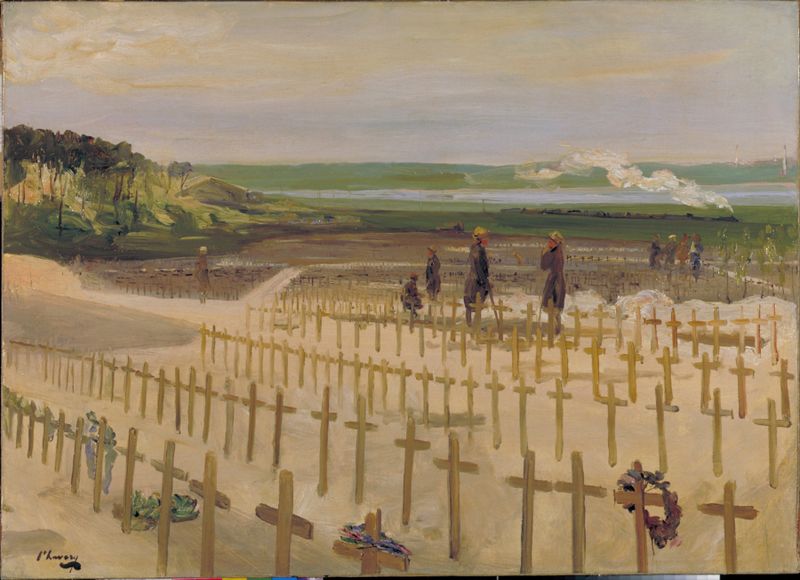
The Cemetery, Etaples, 1919
Sir John Lavery
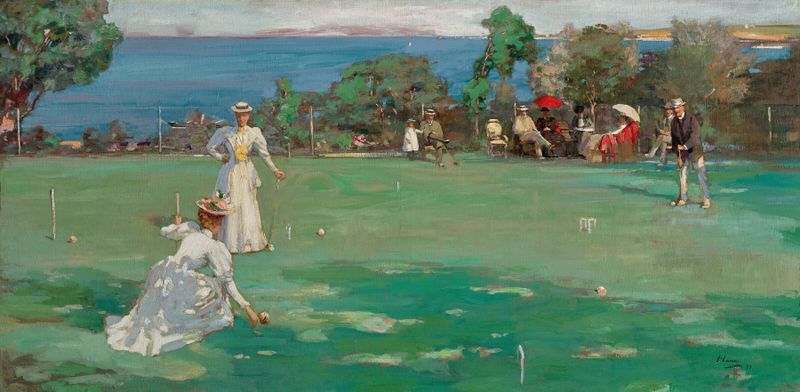
The Croquet Party
Sir John Lavery
Chiswick Baths
Sir John Lavery

Hounslow
Sir John Lavery





