
The Golden Hour — History & Facts
Did the painter know this moment would outlive them? The ephemeral beauty captured in The Golden Hour resonates with an eternal quality, inviting us to ponder the fleeting nature of existence and artistry itself. Focus on the warm embrace of light as it cascades over the rolling hills, illuminating the soft contours of the landscape. Notice how the vibrant yellows and deep oranges harmonize with contrasting cool blues, creating a sanctuary of color that feels both familiar and dreamlike. The sweeping, almost ethereal lines lead your gaze through the serene meadows, inviting a sense of peace amidst nature’s splendor. Beyond its idyllic appearance, the painting exudes underlying tension.
The gentle encroachment of shadows hints at the inevitable passage of time, while the wildflowers at the foreground whisper of rebirth amid decay. Each brushstroke captures a moment of transformation, reflecting the artist's personal revolution against the industrialization threatening to engulf the pastoral beauty he cherished. In the midst of 1865, Samuel Palmer created this piece in the English countryside, a time marked by rapid urban growth and societal shifts. His involvement with the Romantic movement and friendships with visionary artists like William Blake shaped his unique perspective on nature and spirituality.
This work encapsulates his commitment to preserving the pastoral tradition, as he navigated a world on the brink of profound change.
More Artworks by Samuel Palmer
Browse all →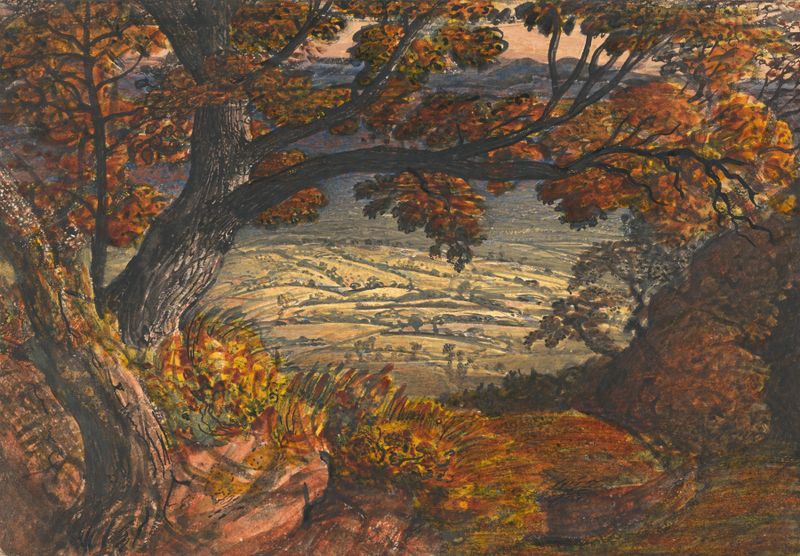
The Weald of Kent
Samuel Palmer
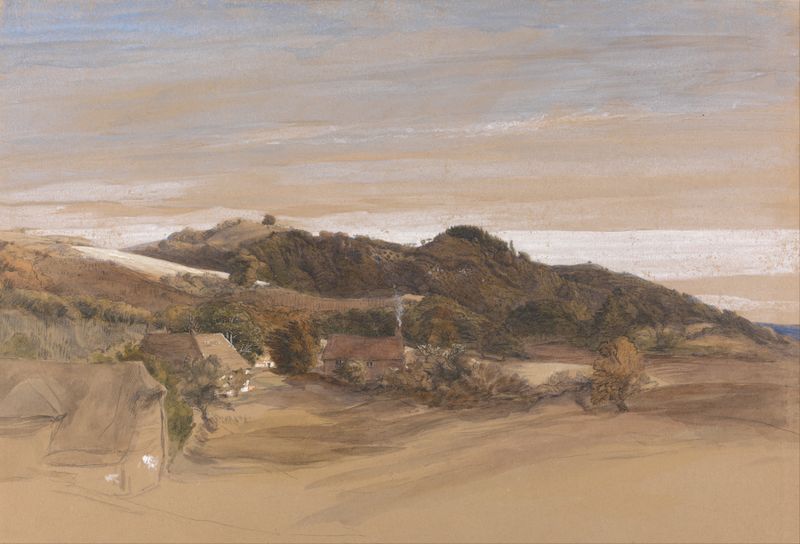
Underriver Hills, near Sevenoaks, Kent, from the Grounds of J. Herries, Esq.
Samuel Palmer
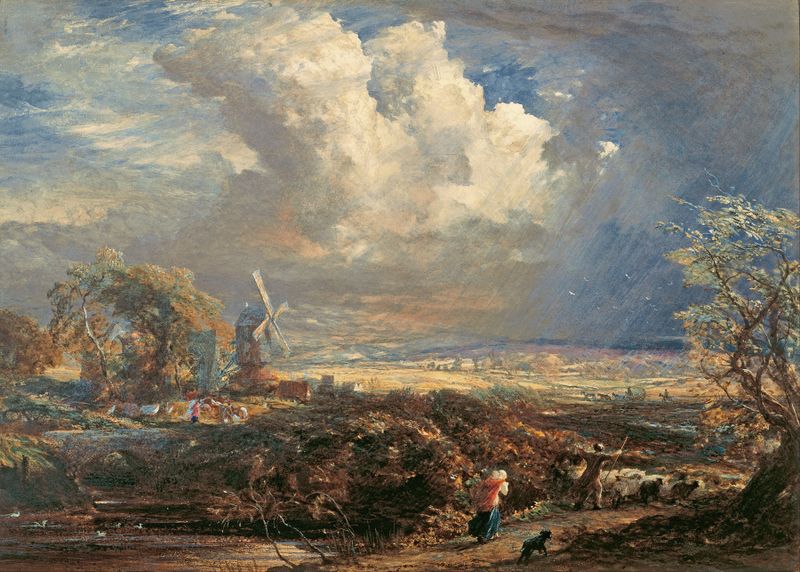
Summer Storm near Pulborough, Sussex
Samuel Palmer
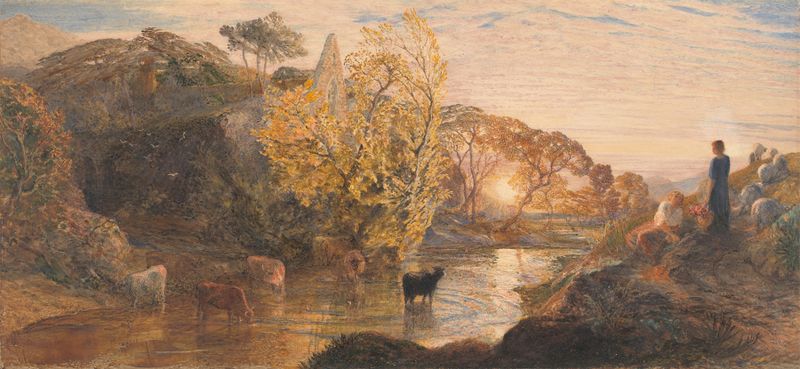
Tintern Abbey at Sunset
Samuel Palmer
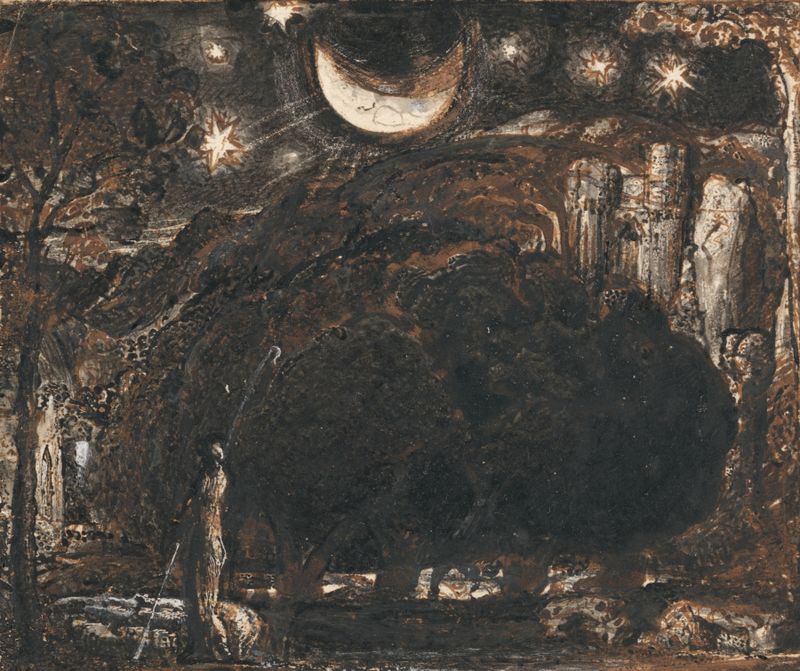
A Shepherd and his Flock under the Moon and Stars
Samuel Palmer
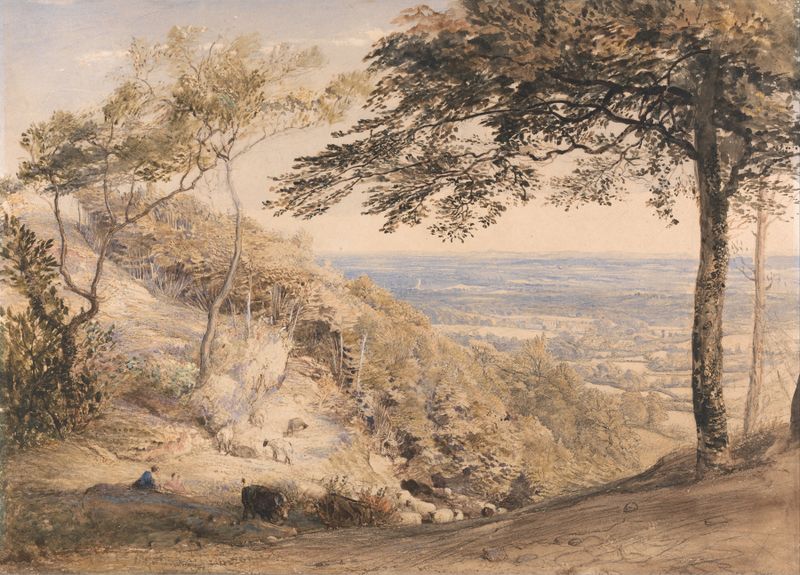
Wilmot’s Hill, Kent
Samuel Palmer
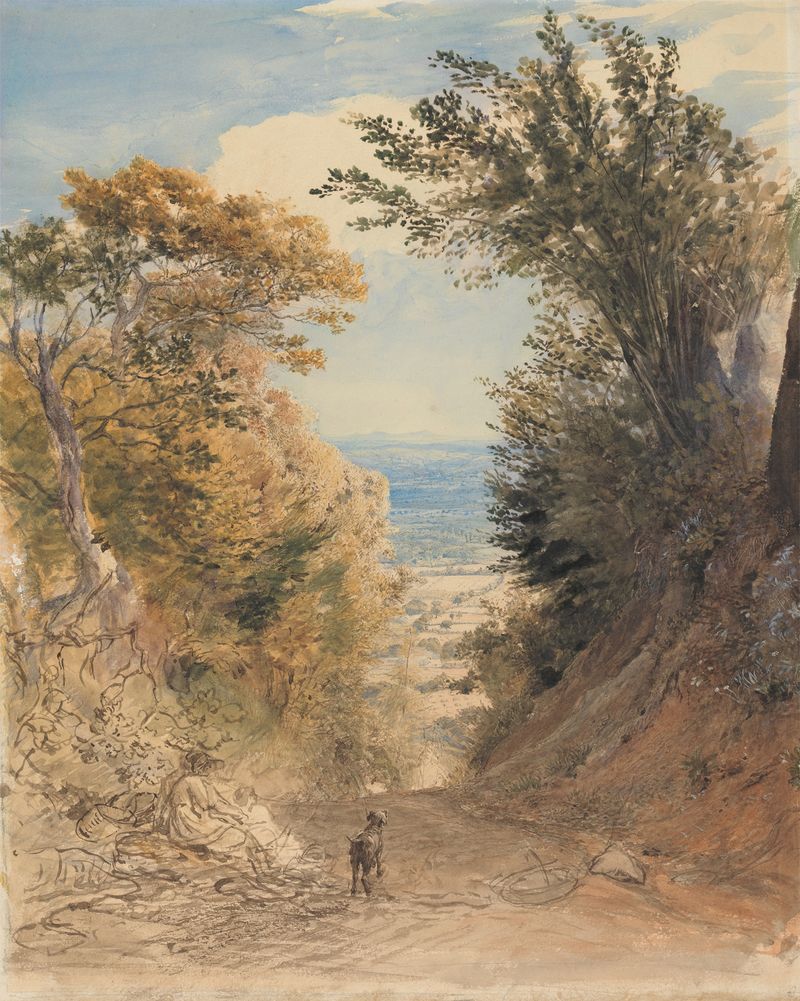
View from Rook’s Hill, Kent
Samuel Palmer
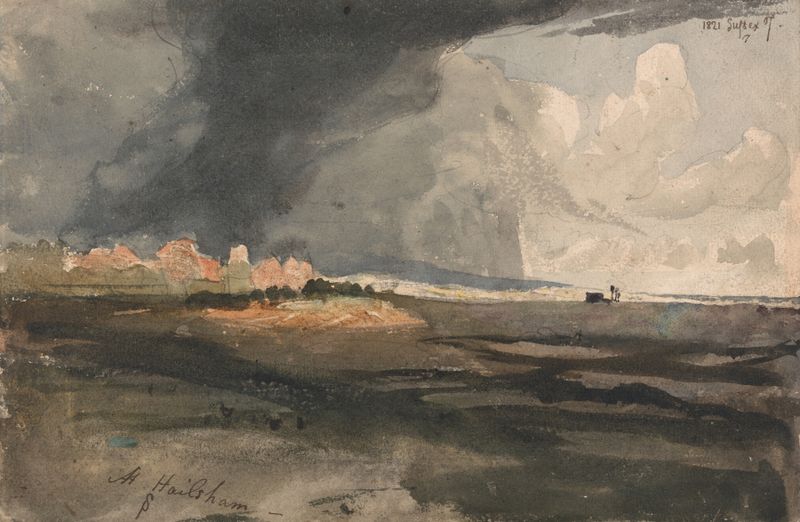
At Hailsham, Sussex; a Storm Approaching
Samuel Palmer
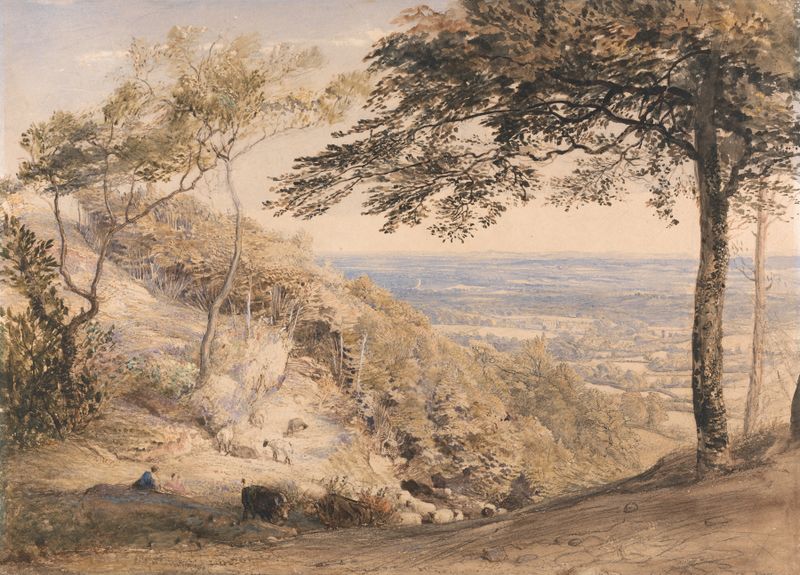
Wilmot’s Hill, Kent
Samuel Palmer
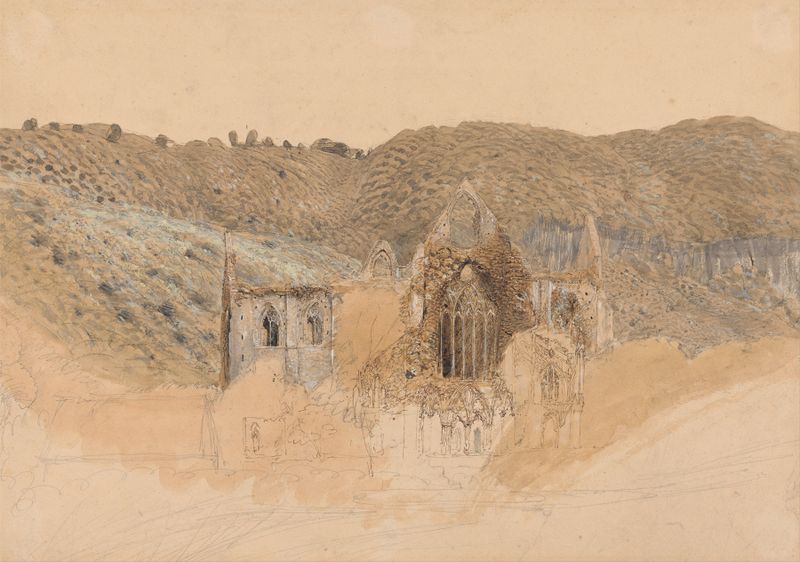
Tintern Abbey
Samuel Palmer





