
The Grotto of the Loue — History & Facts
A yawning cavern swallows the viewer’s gaze, its stone mouth rendered with a force that feels almost geological. The eye is drawn first to the sheer, pale cliffs on the left, then into the shadowy depths where water laps quietly at the foot of the grotto. Courbet’s brushwork is rugged and direct, echoing the roughness of the rock itself; the palette is all earth and water, with the faintest glimmers of green and ochre breaking through the stone.
Light is used sparingly, but with precision: it picks out the jagged edges of the cave and glances off the surface of the pool, leading the viewer deeper into the darkness. The mood is one of awe and quiet tension—nature’s architecture, untouched and immense, dwarfing any human presence. Painted in 1864, The Grotto of the Loue belongs to a moment when artists like Gustave Courbet were turning away from the idealized landscapes of the past to confront the raw, often overlooked corners of the real world. This kind of work, rooted in the artist’s native region and painted directly from observation, was both a personal declaration and a challenge to academic convention.
In the mid-nineteenth century, such images were rarely commissioned; instead, they were acts of artistic independence, sometimes shocking viewers accustomed to more polished or picturesque scenes. Today, the painting survives in the collection of anagoria, a testament to a time when painters began to claim the wild and the local as worthy subjects. Stand before this work and let your eyes adjust to its shadowy depths—the longer you look, the more the grotto seems to open up.
More Artworks by Gustave Courbet
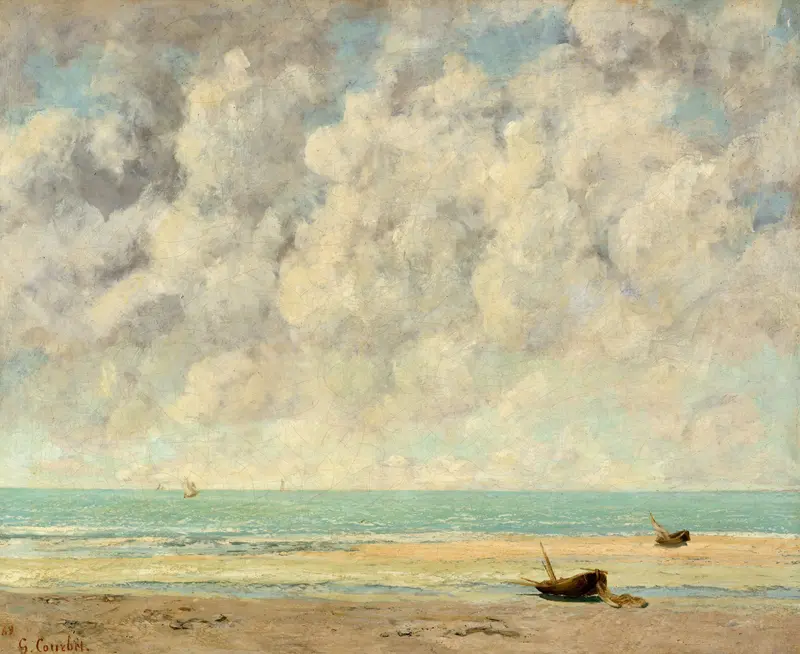
The Calm Sea
Gustave Courbet

A Burial at Ornans
Gustave Courbet
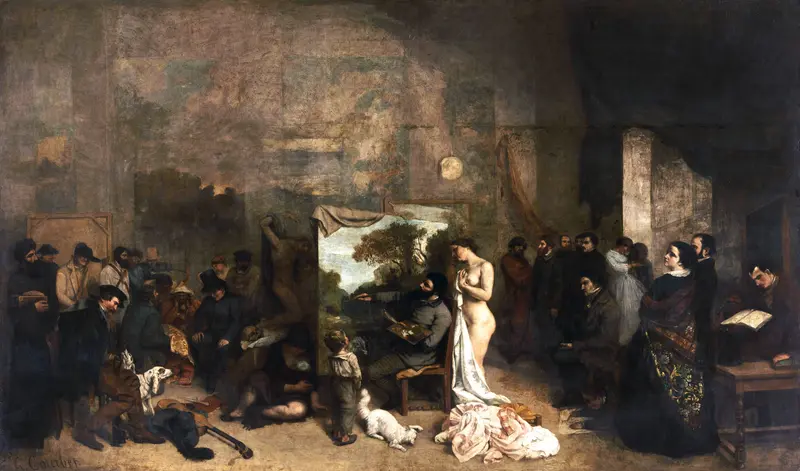
The Painter's Studio
Gustave Courbet
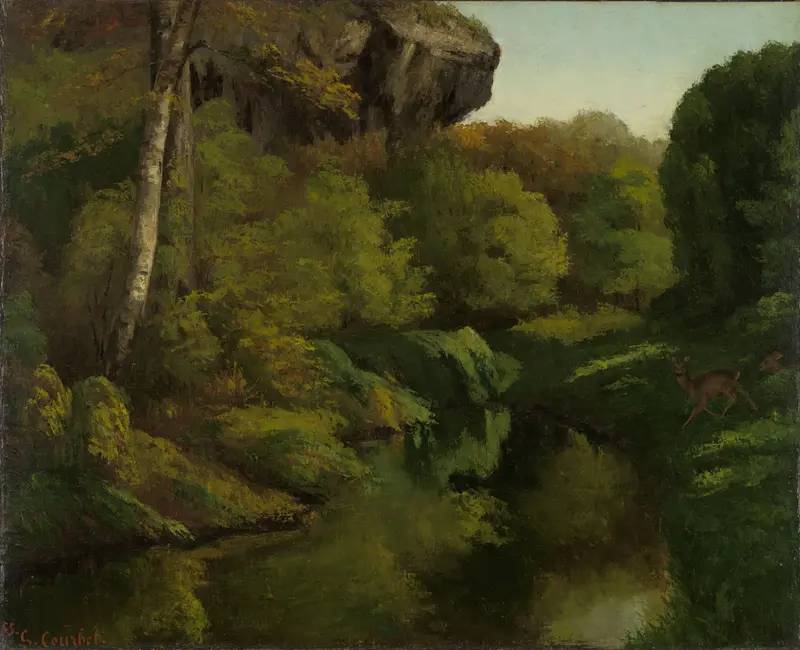
View in the Forest of Fontainebleau
Gustave Courbet
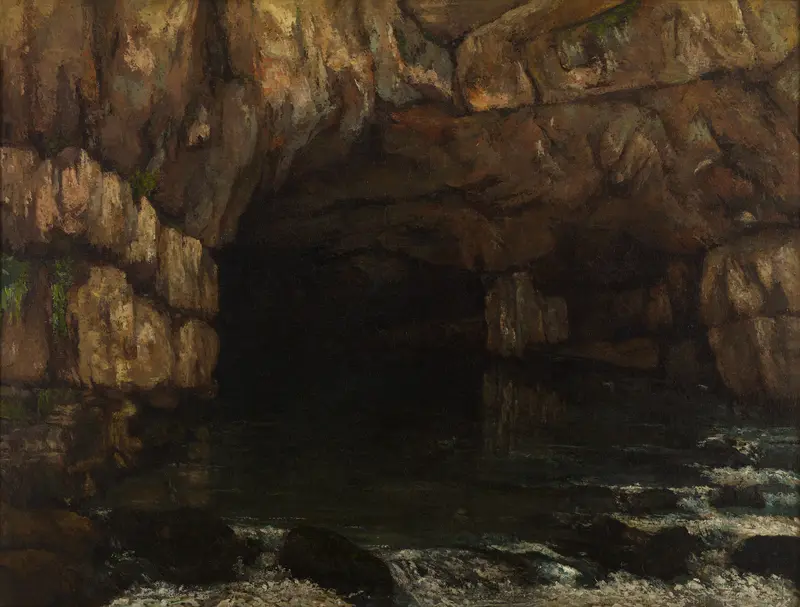
La source de la Loue (The Source of the Loue)
Gustave Courbet
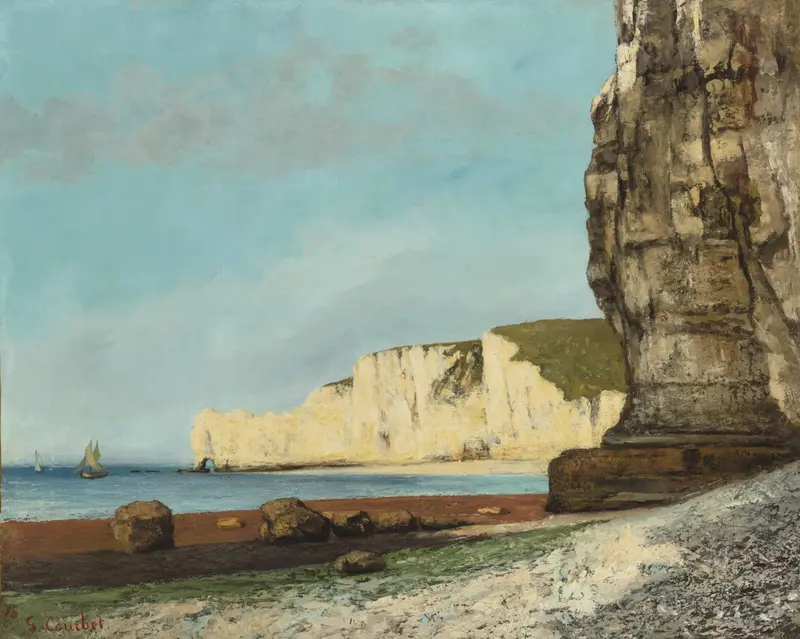
Étretat; Les Falaises
Gustave Courbet
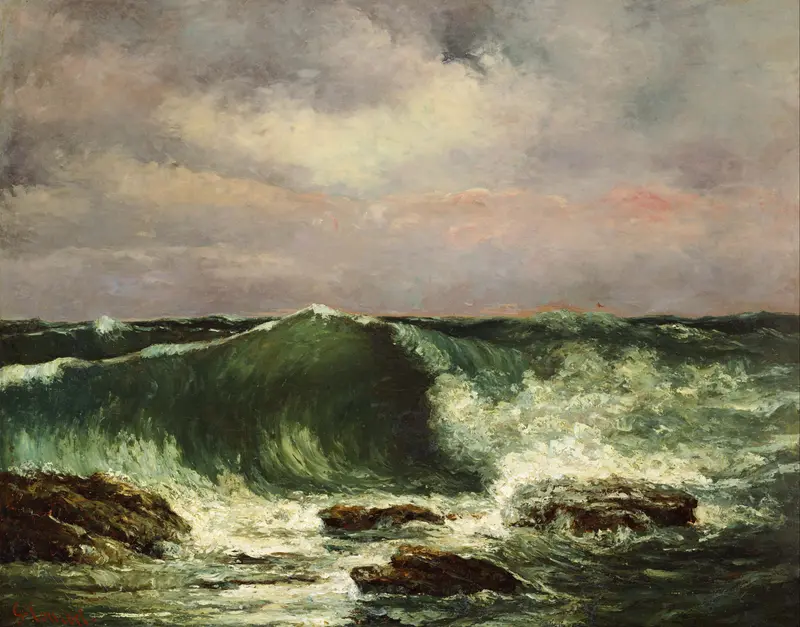
Waves
Gustave Courbet
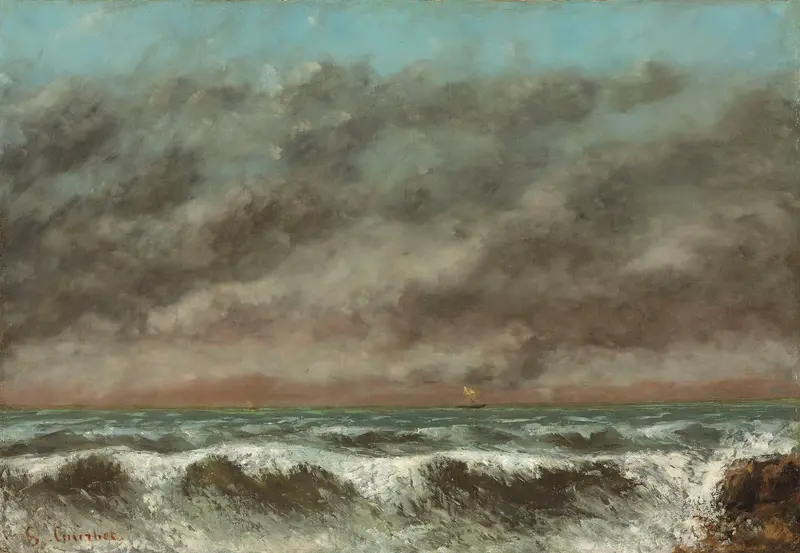
Marine
Gustave Courbet
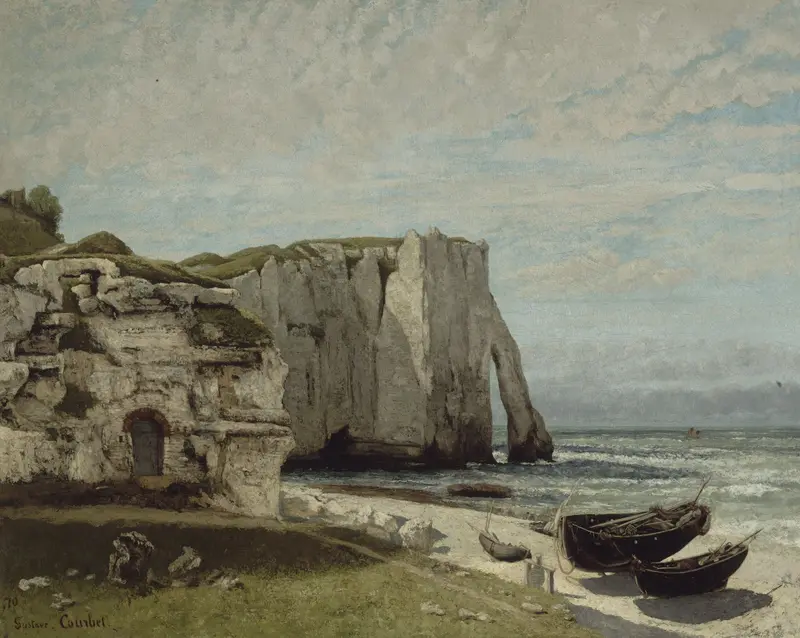
The Etretat Cliffs after the Storm
Gustave Courbet
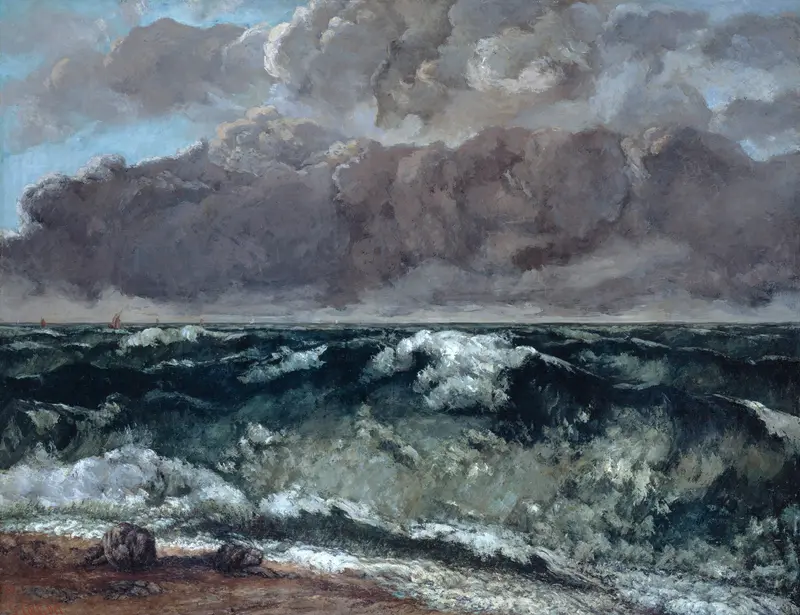
The Wave
Gustave Courbet
More Landscape Art

The Starry Night
Vincent van Gogh

View of Delft
Johannes Vermeer

Water Lilies
Claude Monet

The Grand Canal, Venice, looking north-west from the Ca' Corner to the Ca' Contarini degli Scrigni, with the campanile of Santa Maria della Carità
Canaletto

Windsor Castle
Canaletto

The Grand Canal looking North-East from the Palazzo Dolfin-Manin to the Rialto Bridge
Canaletto