
The Hamlet of Optevoz — History & Facts
This sentiment resonates deeply within the quiet solitude of a rural landscape, where every brushstroke whispers of melancholy. Look to the foreground, where the gentle curve of the river invites your gaze into the scene. Rich hues of green and gold blend seamlessly, suggesting a late afternoon sun that casts soft shadows across the water. The delicate lines of the trees frame the composition, leading your eye towards the distant hamlet nestled among them.
Daubigny’s loose brushwork and muted palette evoke a sense of nostalgia, imbuing the landscape with a sense of longing. Notice the small figure of a peasant in the field, a solitary presence against the expansive backdrop. This contrast highlights the weight of existence against nature’s vastness, suggesting the interplay between human endeavor and the indifferent beauty surrounding it. The stillness of the water reflects not just the landscape, but also the unspoken emotions confined within it — a poignant reminder of the fragility of life and joy, often overshadowed by the gloom of solitude. In 1852, while living in France, Daubigny painted this piece during a time of great transformation in the art world, where realism began to take precedence over romanticism.
He sought to capture the essence of rural life, infusing it with an emotional depth that reflects his own experiences and observations. This period marked a shift towards a greater appreciation for the beauty found in everyday moments, establishing Daubigny as a pivotal figure in landscape painting.
More Artworks by Charles François Daubigny
Browse all →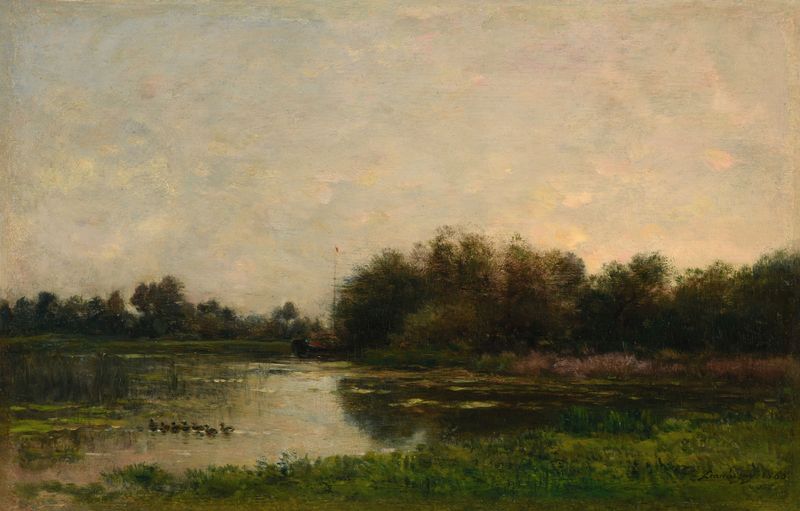
Bords de l’Oise
Charles François Daubigny
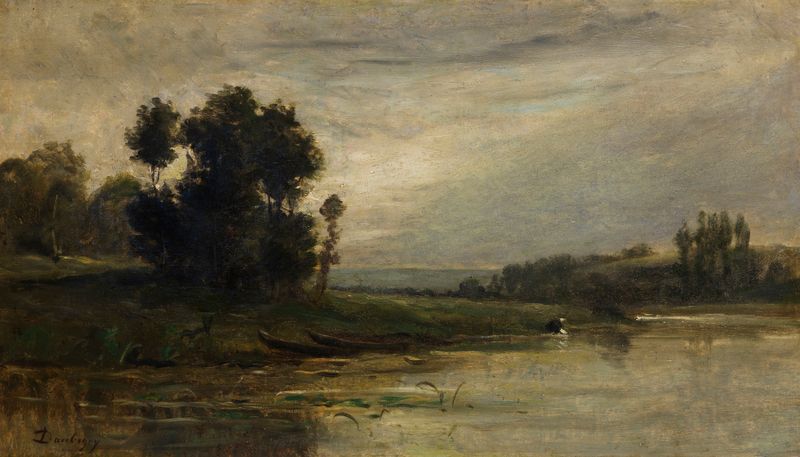
Bords de l’Oise
Charles François Daubigny
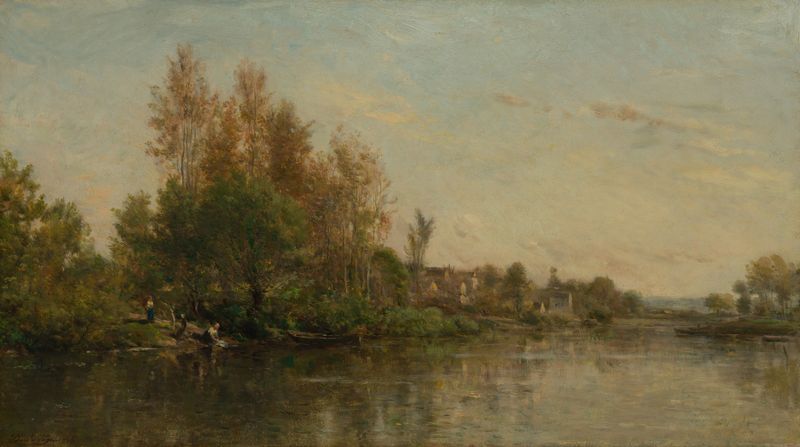
The Banks of the Oise
Charles François Daubigny
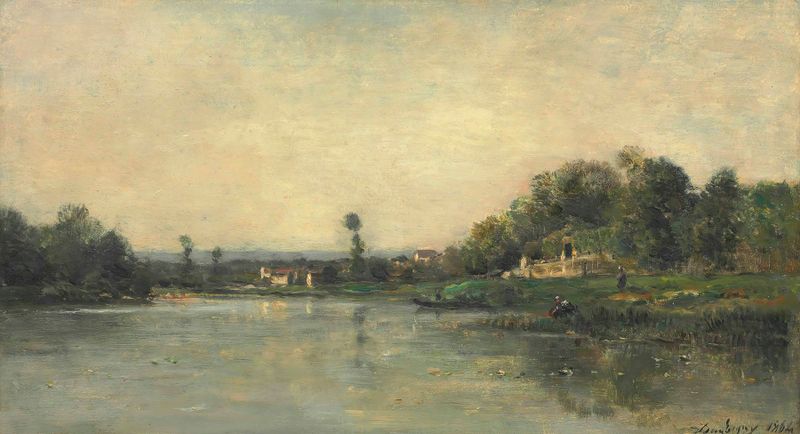
Les Bords De L’oise
Charles François Daubigny
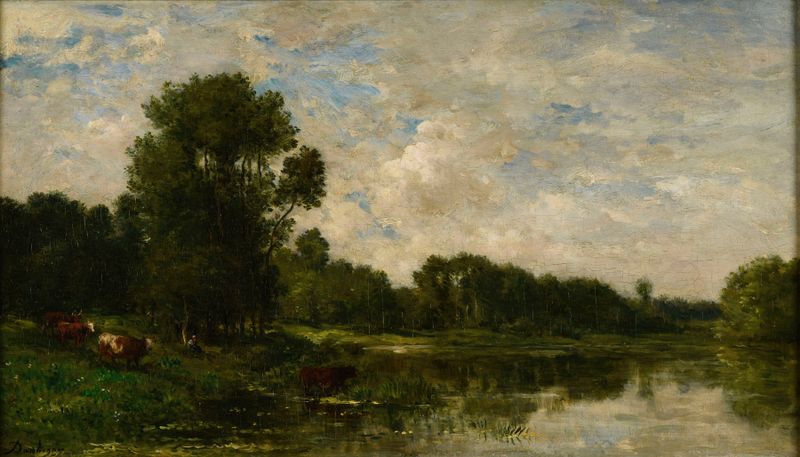
Bords de l’Oise
Charles François Daubigny
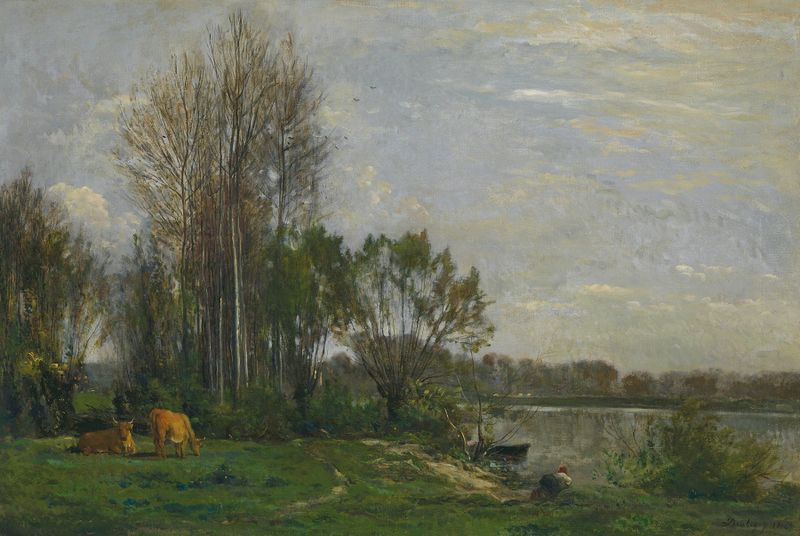
Les Bord De L’oise
Charles François Daubigny
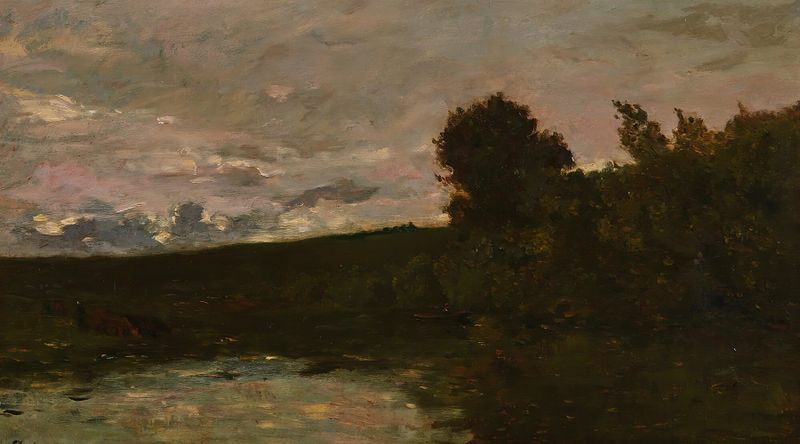
Bord De Riviére
Charles François Daubigny
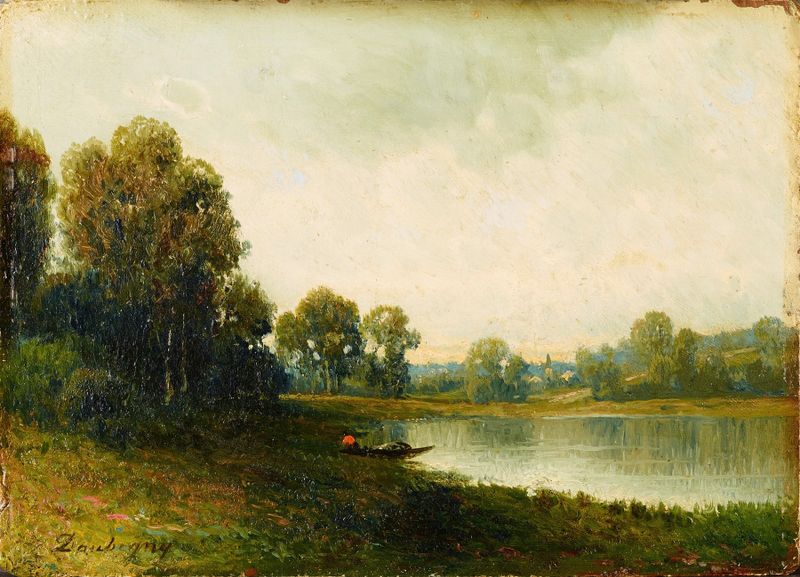
Landscape
Charles François Daubigny
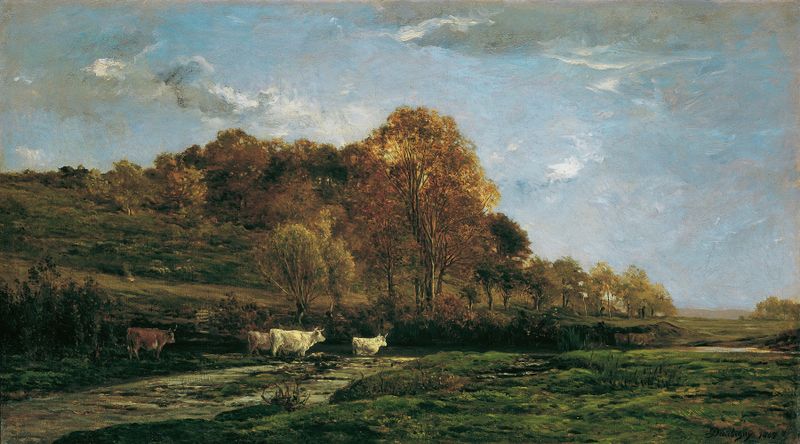
Herbstliche Aulandschaft Abendstimmung
Charles François Daubigny
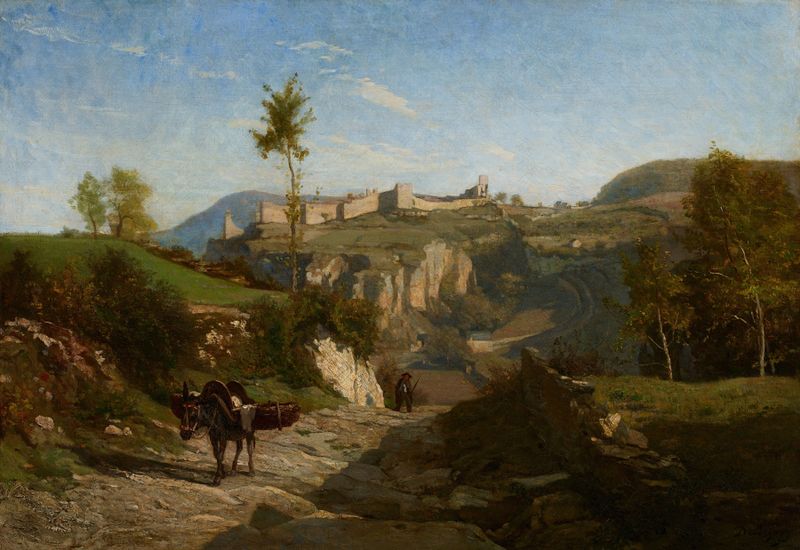
Landscape near Crémieu
Charles François Daubigny





