
The Hidden Brook — History & Facts
In the quietude of The Hidden Brook, transformation unfolds within the embrace of nature, where the essence of life is captured in a moment of serene beauty. The painting evokes a sense of mystery, inviting viewers to reflect on the hidden depths of both landscape and self. Look closely at the foreground, where gentle ripples disturb the surface of the brook, inviting your gaze to trail along the water’s edge. Notice how Courbet employs a rich palette of greens and browns, grounding the scene in earthy tones while the flickering sunlight dances through the leaves overhead.
The interplay of light and shadow creates an intimate sanctuary, suggesting the interplay between visibility and obscurity in our own lives. As you explore this tranquil setting, consider the contrasts presented: the vibrant life of the flora against the still waters, the enclosed space of the brook framed by the encroaching trees. This duality symbolizes the interplay between solitude and connection, urging us to contemplate moments of personal transformation that often remain unseen. The subtle movements in the surrounding foliage whisper stories of change, both in nature and within ourselves. Created between 1873 and 1877, this work reflects Courbet's dedication to realism during a time when traditional art faced upheaval.
Working in France, he sought to challenge the conventions of the art world, prioritizing the raw beauty of nature over polished idealism. During this period, Courbet's focus on the ordinary and the everyday marked a significant shift in the artistic landscape, paving the way for future movements that embraced authenticity over artifice.
More Artworks by Gustave Courbet
Browse all →
Marine
Gustave Courbet
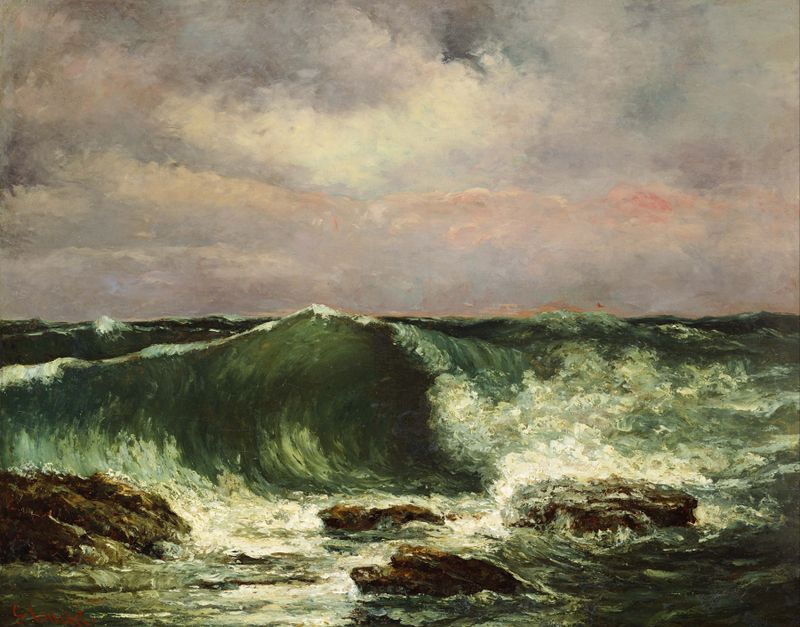
Waves
Gustave Courbet

Étretat; Les Falaises
Gustave Courbet
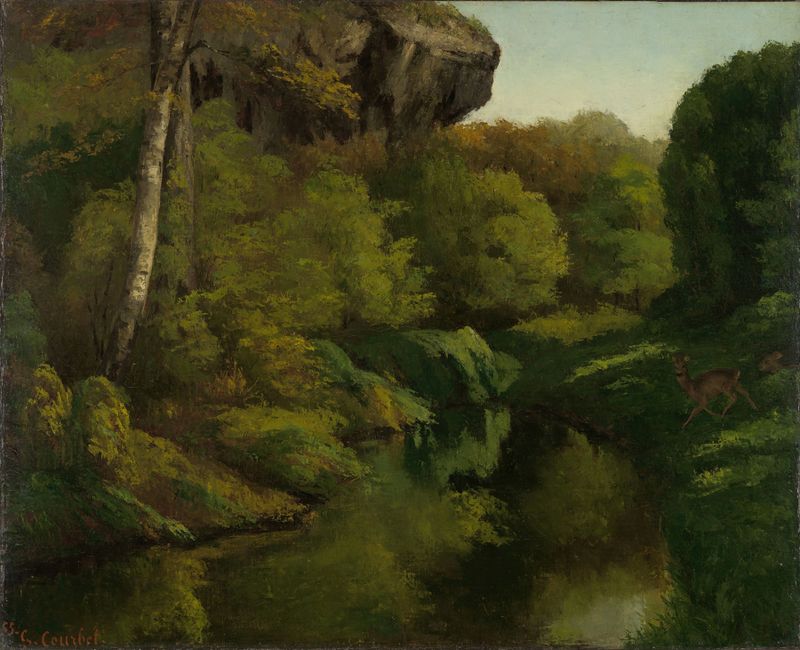
View in the Forest of Fontainebleau
Gustave Courbet
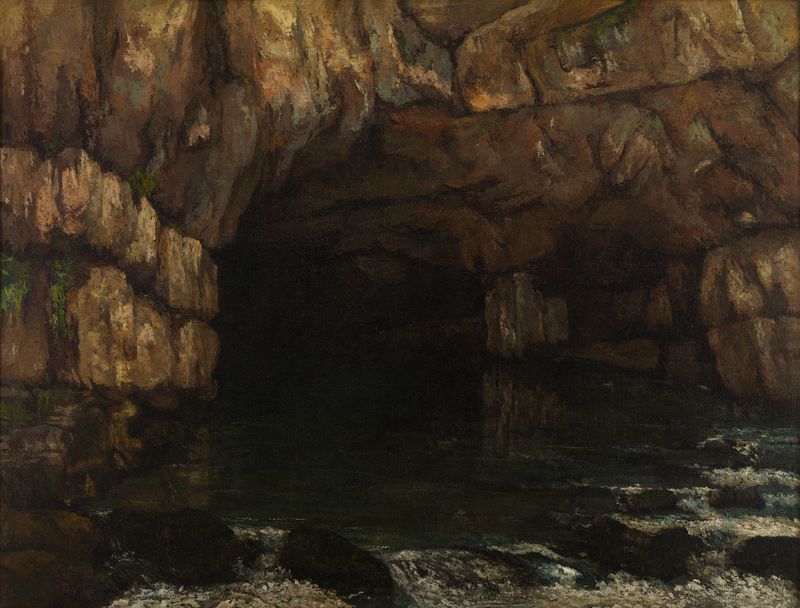
La source de la Loue (The Source of the Loue)
Gustave Courbet

Low Tide at Trouville
Gustave Courbet
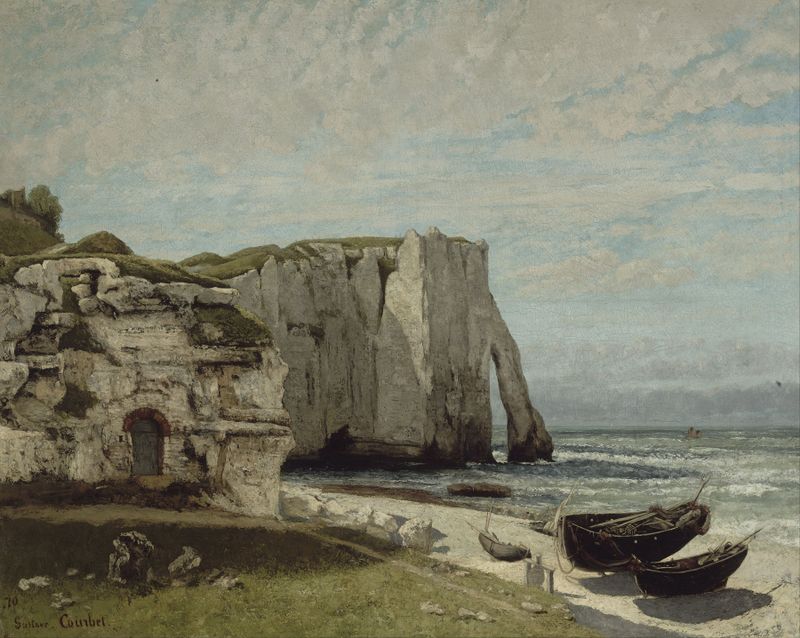
The Etretat Cliffs after the Storm
Gustave Courbet
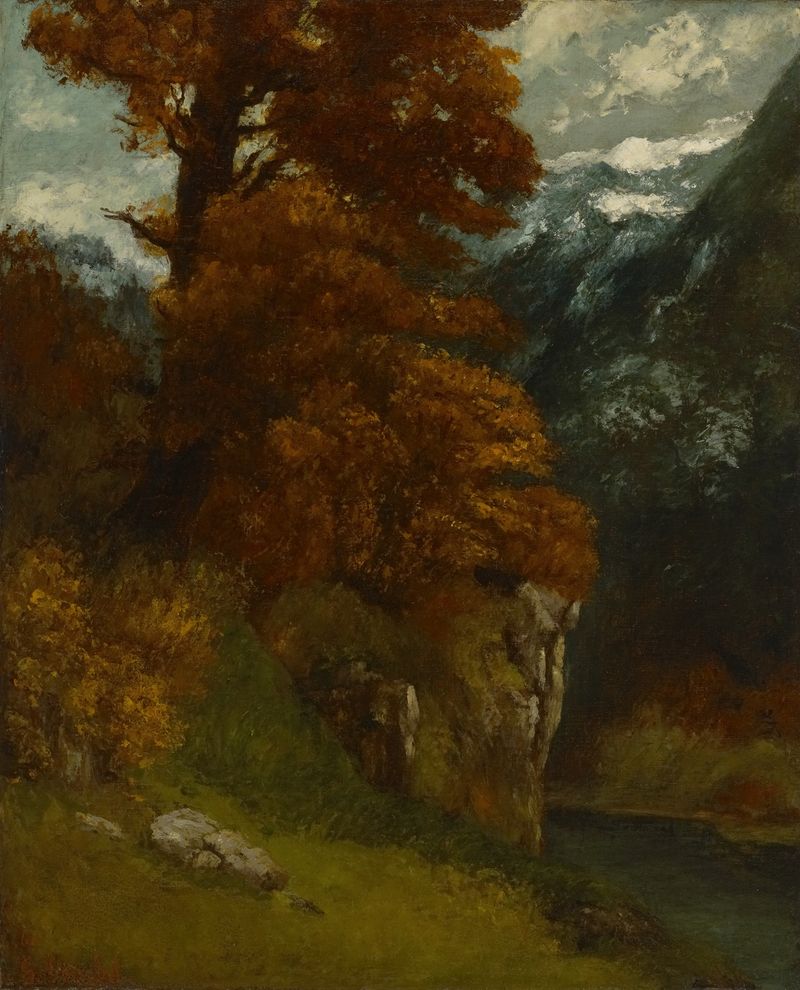
The Glen at Ornans (Bords du Doubs; Effet d’Automne)
Gustave Courbet
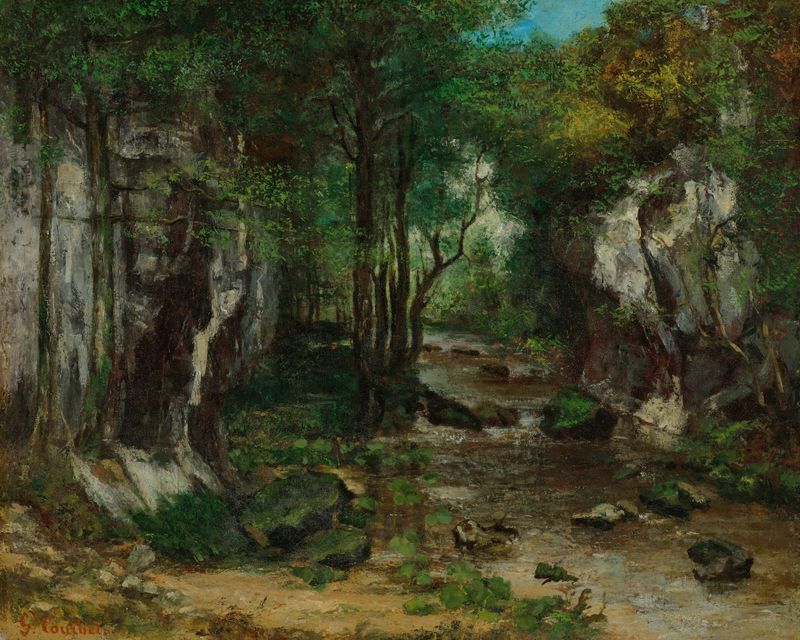
Le Ruisseau de Puits Noir
Gustave Courbet
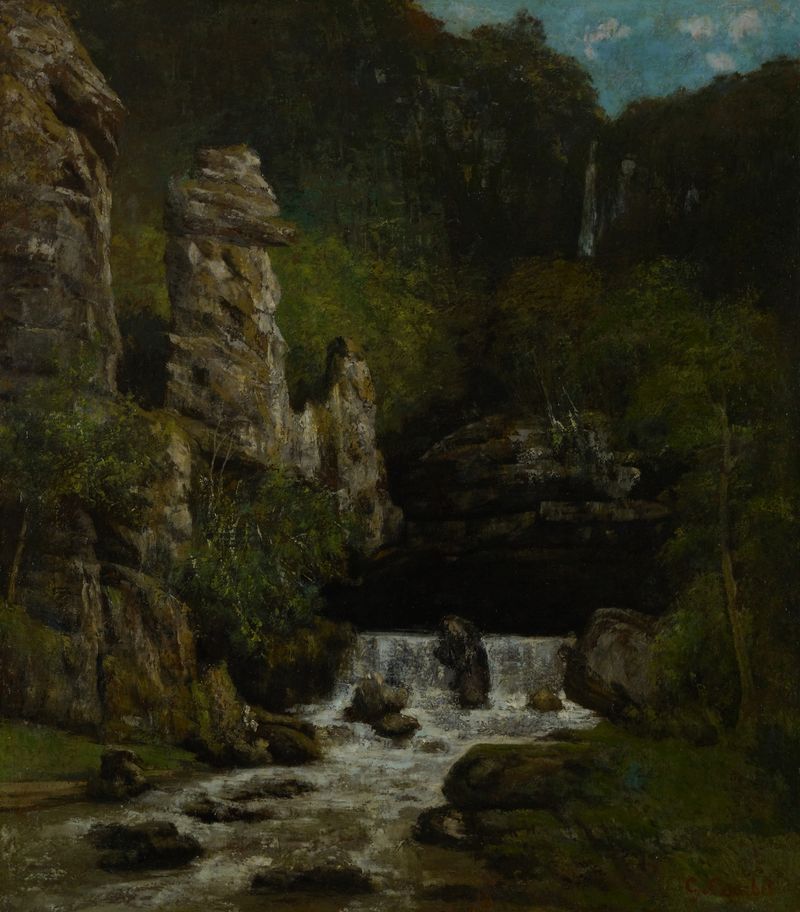
Landscape with a Waterfall
Gustave Courbet





