
The Highway Robbery — History & Facts
Could beauty survive in a century of chaos? In The Highway Robbery, the question resonates with haunting clarity, capturing a moment fraught with peril yet tinged with an unsettling grace. Focus on the foreground, where the tension unfolds: a group of figures engaged in a violent confrontation. Look closely at the robbers, their dark cloaks swirling like shadows against the vibrant greens and browns of the landscape. Notice how the light breaks through the clouds, illuminating the struggling horse and its rider, a vivid contrast that heightens the drama.
The artist's deft brushwork and muted palette evoke a sense of urgency and chaos, pulling the viewer into the heart of the scene. Delve deeper into the painting, and you'll uncover layers of meaning. The juxtaposition of beauty and brutality is striking, as the pastoral scenery stands in stark contrast to the violence erupting within it. The soft lines of the trees and rolling hills suggest tranquility, yet the central conflict shatters this peace.
Each figure's posture tells a story of desperation and greed, while the onlookers' expressions capture a mix of horror and indifference, reflecting the complexities of human nature amid turmoil. Esaias van de Velde crafted this work in 1625, during a time when Europe was grappling with war and social strife. Based in the Netherlands, he was immersed in the Baroque movement, which emphasized dramatic narratives and emotional depth. The painting stands as a testament not only to Van de Velde's artistic prowess but also to the turbulent world that shaped his vision, illustrating how beauty can persist in the face of chaos.
More Artworks by Esaias van de Velde
Browse all →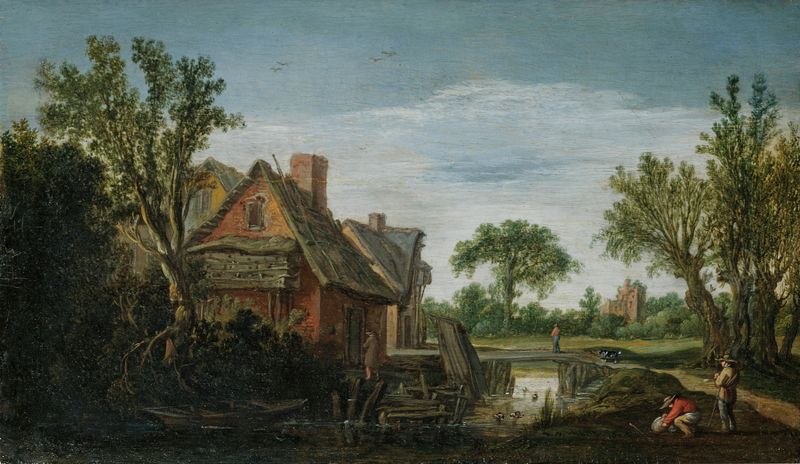
The Hague A Wooded River Landscape With Figures On A Path On A River Bank Beside A Village, A Bridge Beyond
Esaias van de Velde
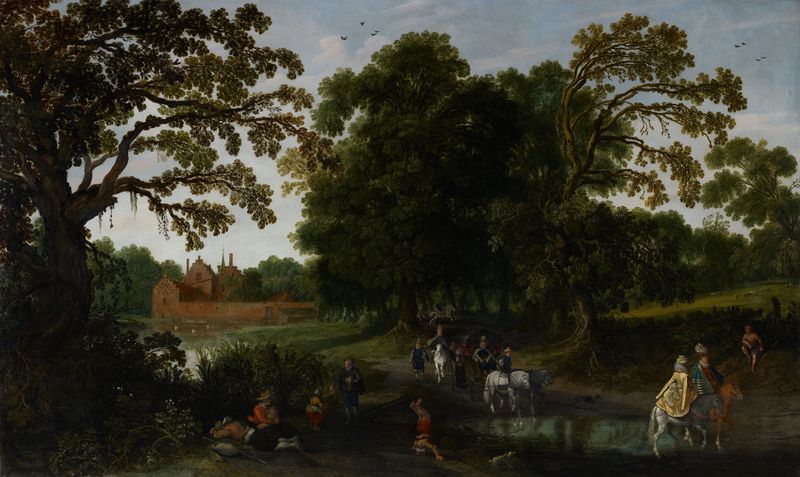
Courtly Procession before Abstpoel Castle
Esaias van de Velde
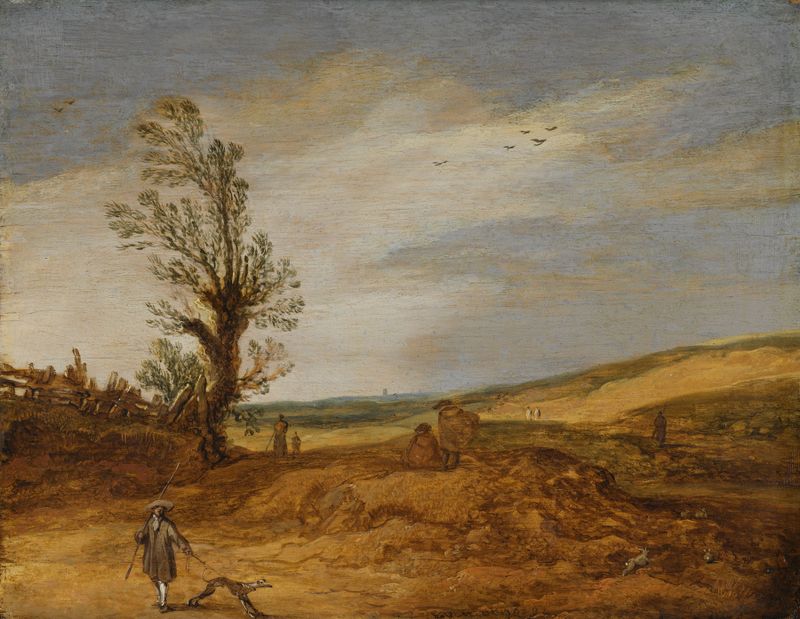
A View in the Dunes
Esaias van de Velde
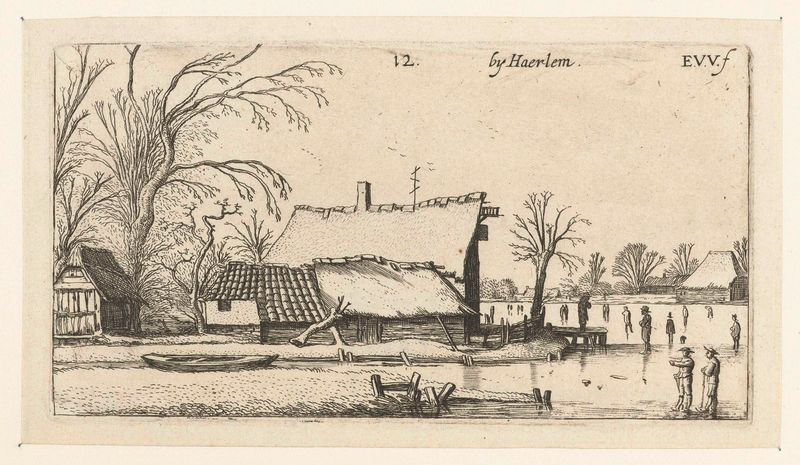
Boerderij bij een bevroren rivier met schaatsers
Esaias van de Velde
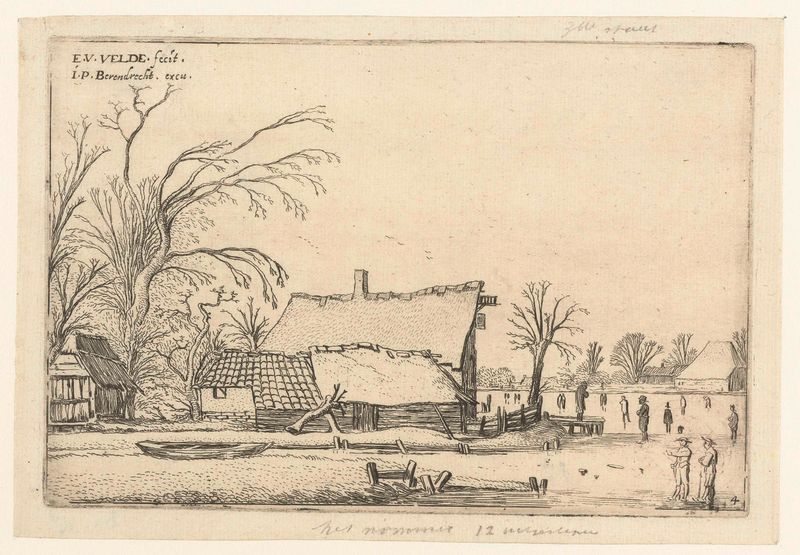
Boerderij bij een bevroren rivier met schaatsers
Esaias van de Velde
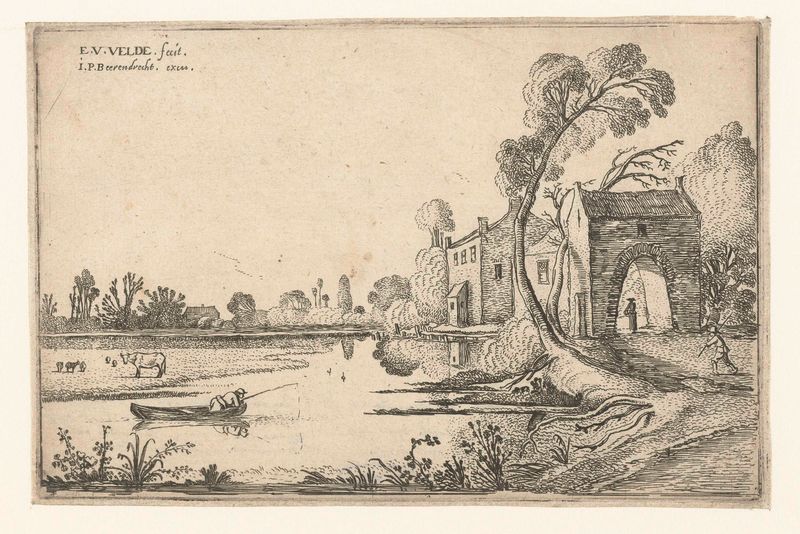
Landschap met rivier en poortgebouw
Esaias van de Velde
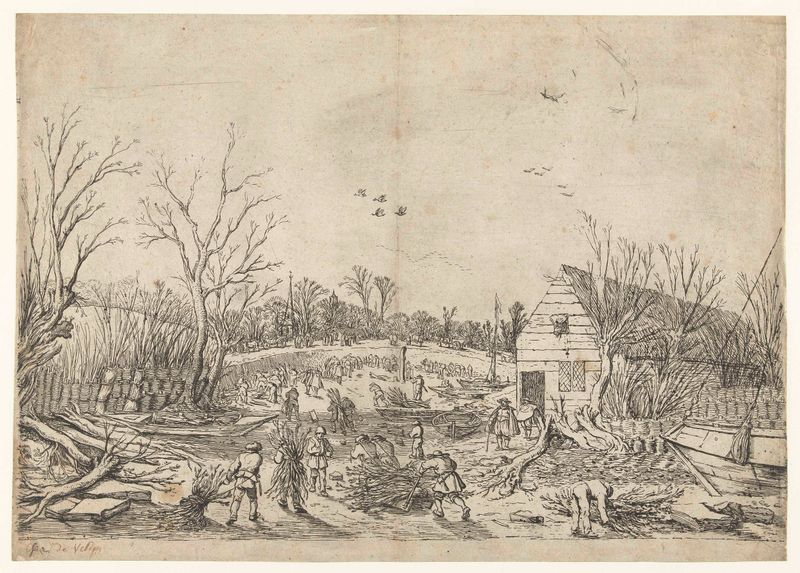
Herstelwerkzaamheden aan de doorgebroken Lekdijk bij 't Waal
Esaias van de Velde
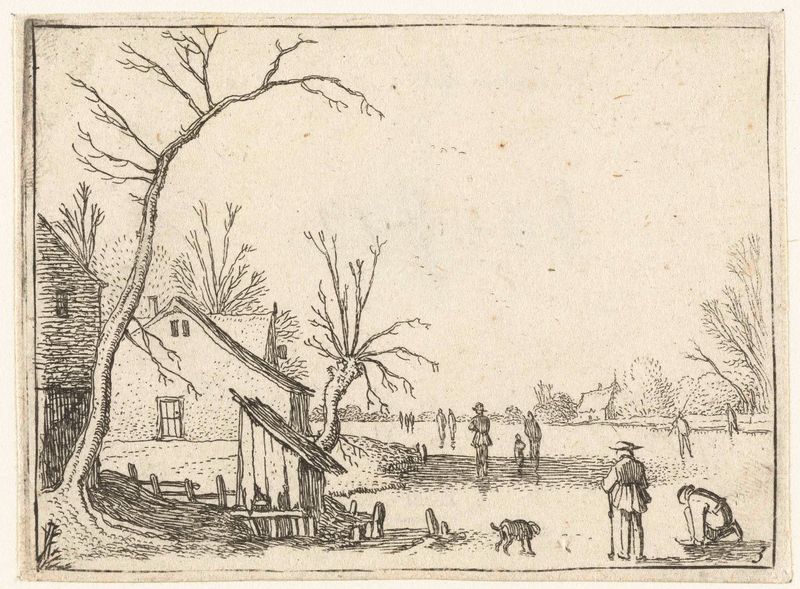
Boerderij bij bevroren rivier en schaatsers op het ijs
Esaias van de Velde
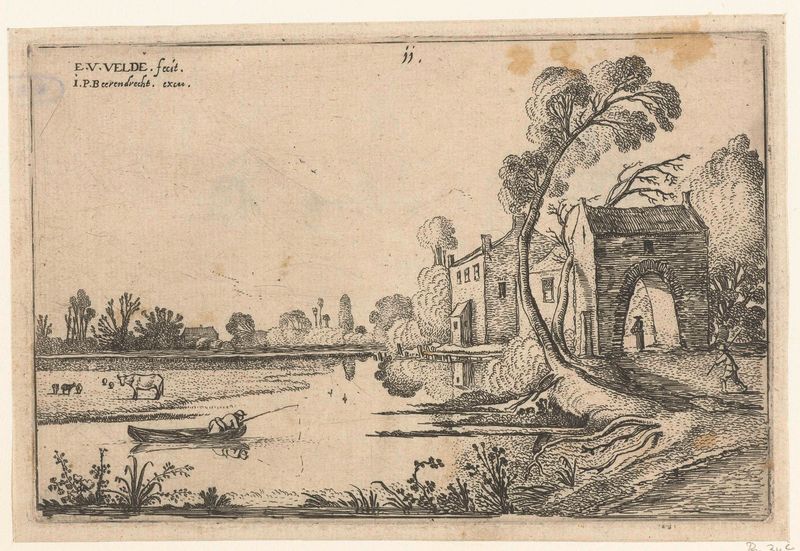
Landschap met een rivier en poortgebouw
Esaias van de Velde
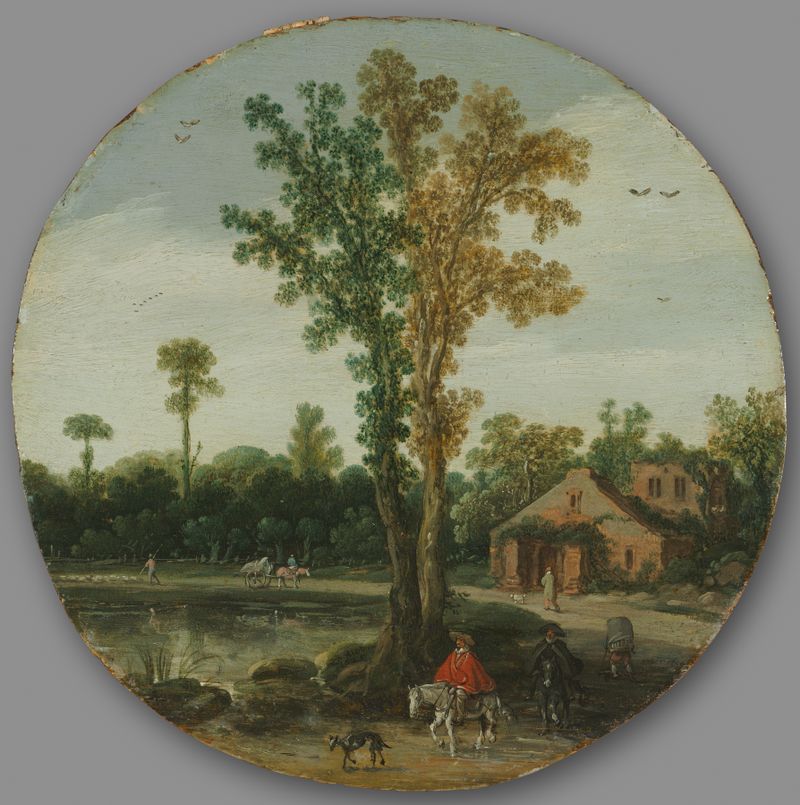
Travelers by a Lake
Esaias van de Velde





