
The Hillsides of Méry-sur-Oise, Opposite Auvers — History & Facts
When did color learn to lie? The intangible dance of hues and shadows tells a story, one that unfolds with each glance and breathes with the passage of moments long past. Focus on the sweeping greens that cradle the hillsides, the verdant brushwork suggesting life that pulses beneath the surface. The soft blues of the sky cradle the horizon, while gentle wisps of clouds seem to float above, inviting a sense of serenity. Notice how the play of light and shadow creates a gentle rhythm across the landscape, drawing your eye toward the small, inviting village nestled below, where time feels suspended between the dawn of day and the dusk of memory. Hidden within the vibrant tones is a tension between nature’s beauty and the passage of time.
The brushstrokes, loose yet carefully considered, embody impermanence, reminding us that every moment is fleeting. The quaint structures stand resolutely against the changing whims of light, evoking a sense of nostalgia for a world untouched by the inevitable march of progress. This quiet landscape hints at stories of lives lived within its folds — the laughter of children, the toil of farmers, the embrace of lovers — all encapsulated in the vivid palette of a tranquil afternoon. In 1873, Daubigny painted this piece during a period of artistic exploration and innovation, while living in the picturesque village of Auvers-sur-Oise just outside of Paris.
It was a time of transition in the art world, as Impressionism was beginning to flourish, pushing boundaries and redefining the portrayal of light and color. Amidst this shift, he sought to capture the essence of rural life, blending emotional resonance with a keen observation of nature's fleeting beauty.
More Artworks by Charles François Daubigny
Browse all →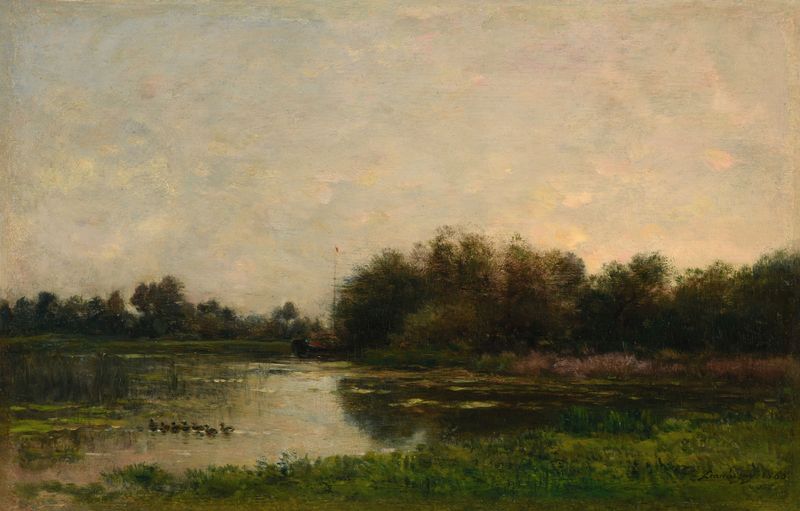
Bords de l’Oise
Charles François Daubigny
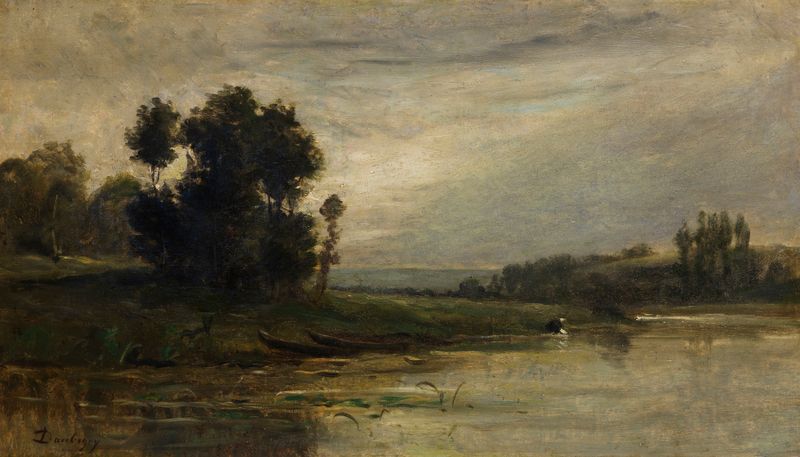
Bords de l’Oise
Charles François Daubigny
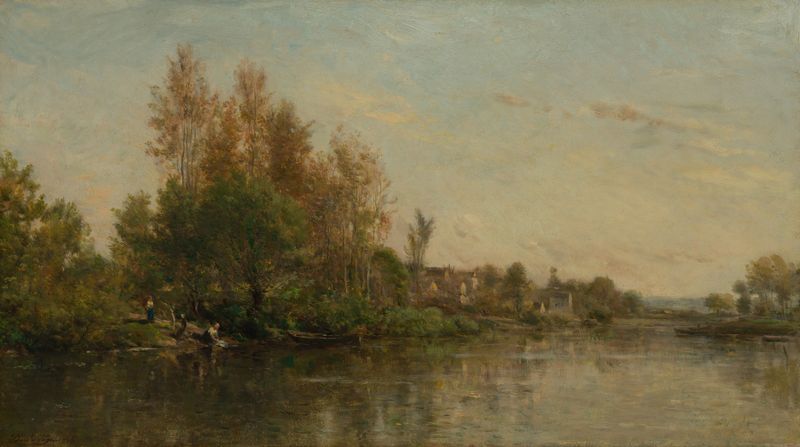
The Banks of the Oise
Charles François Daubigny
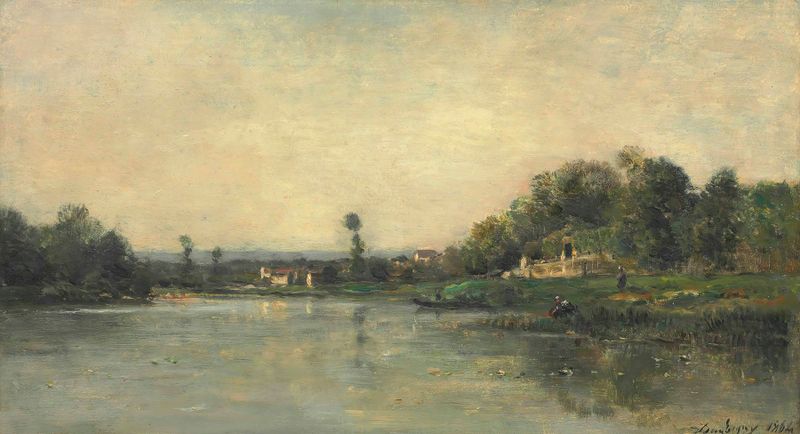
Les Bords De L’oise
Charles François Daubigny
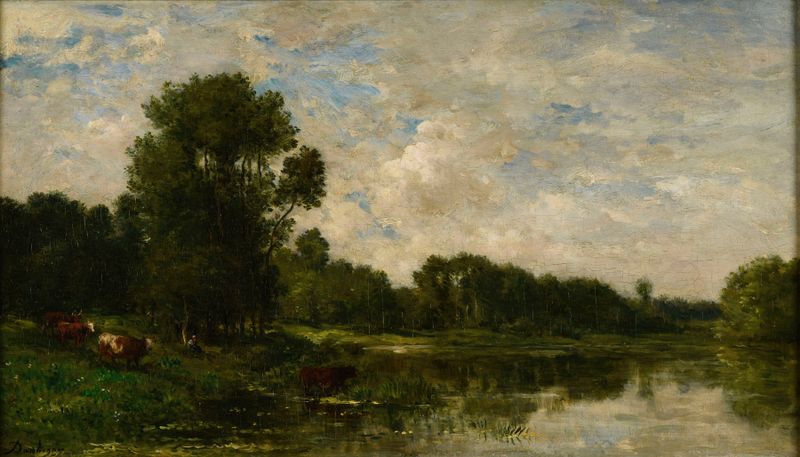
Bords de l’Oise
Charles François Daubigny
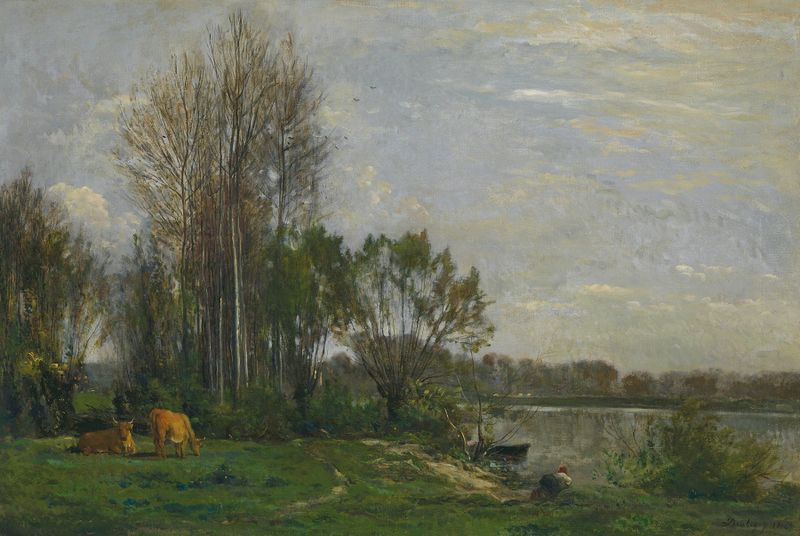
Les Bord De L’oise
Charles François Daubigny
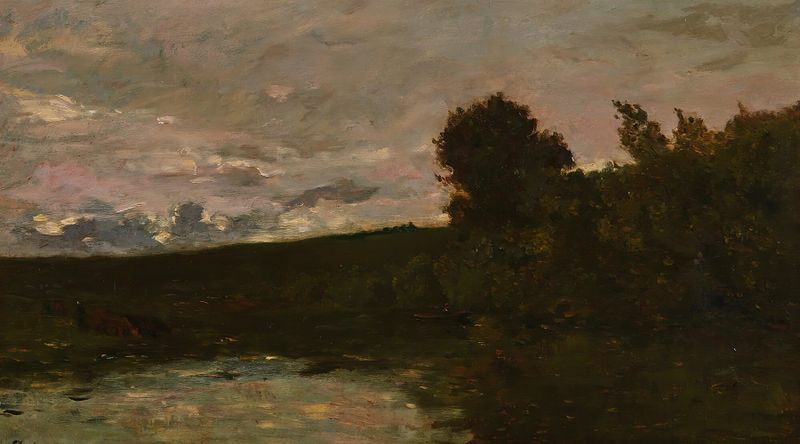
Bord De Riviére
Charles François Daubigny
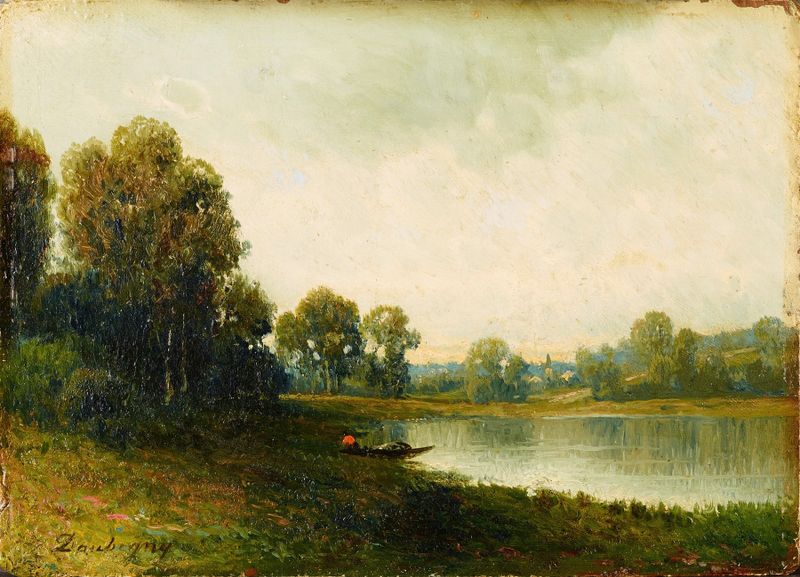
Landscape
Charles François Daubigny
Herbstliche Aulandschaft Abendstimmung
Charles François Daubigny
Landscape near Crémieu
Charles François Daubigny





