
The Holy Family with Child Saint John — History & Facts
Few paintings by Caravaggio have inspired as much debate as The Holy Family with Child Saint John, created around 1603, whose original medium and early provenance remain uncertain. The work’s attribution has been questioned over the centuries, with some scholars pointing to the artist’s turbulent Roman years as the likely context for its creation. Unlike many of his commissions, there is no surviving contract or record of a patron, and the painting’s whereabouts during the seventeenth century are obscure.
Its dramatic composition and psychological intensity, however, have ensured its association with Caravaggio since at least the eighteenth century, when collectors and critics began to recognize his distinctive hand. At the heart of the scene, the Virgin Mary gently supports the infant Christ, while Joseph looks on, his features etched with quiet concern. The young Saint John the Baptist, identifiable by his camel-hair garment, leans forward with a gesture of affection, offering a reed cross to his cousin—a symbol of Christ’s future sacrifice. The figures are gathered close together, their bodies interlocked in a moment of familial intimacy, yet the play of light and shadow isolates each face, heightening the emotional tension.
Unlike the idealized arrangements of Raphael’s holy families, Caravaggio brings his subjects into the viewer’s space, their bare feet and humble surroundings emphasizing their humanity. The stark illumination, a hallmark of the Baroque, draws the eye to the tender exchange between the children, foreshadowing the sorrow to come. The subsequent history of The Holy Family with Child Saint John is marked by gaps and conjecture, a fate shared by several of Caravaggio’s works. While some sources suggest it may have been part of a private Roman collection, its documented trail only becomes clear in later centuries, when it surfaced in inventories and exhibitions.
The painting’s uncertain medium—whether oil on canvas or another support—has fueled further scholarly investigation. Today, it stands as a testament to Caravaggio’s radical approach to religious subjects during his mature period, when he reimagined sacred stories with unprecedented realism and psychological depth. Its place in the artist’s oeuvre is secure, even as questions about its early history and material continue to invite fresh inquiry.
More Artworks by Caravaggio
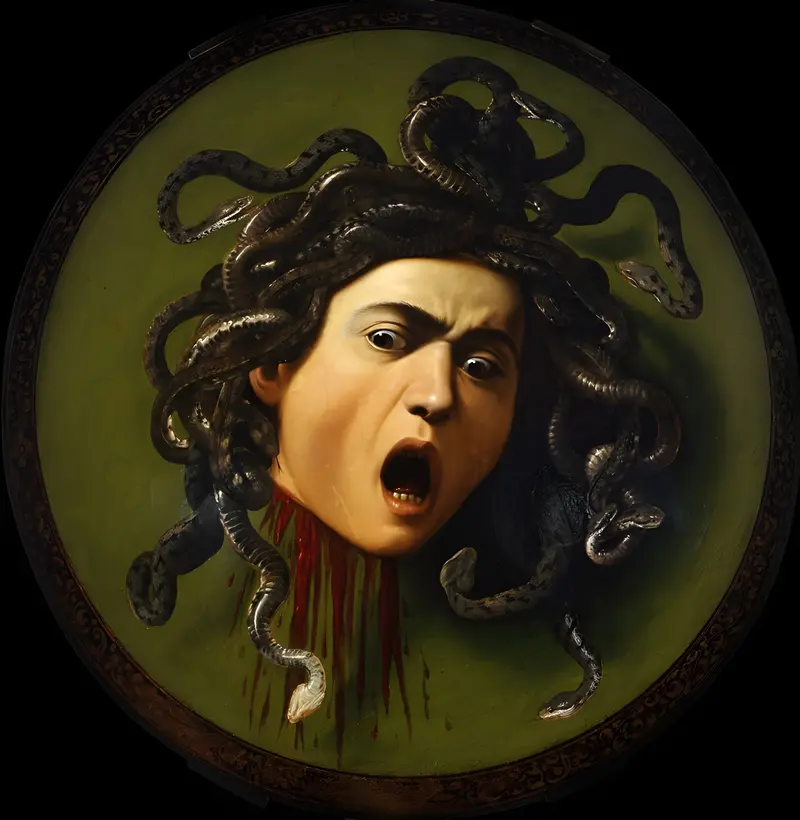
Medusa
Caravaggio
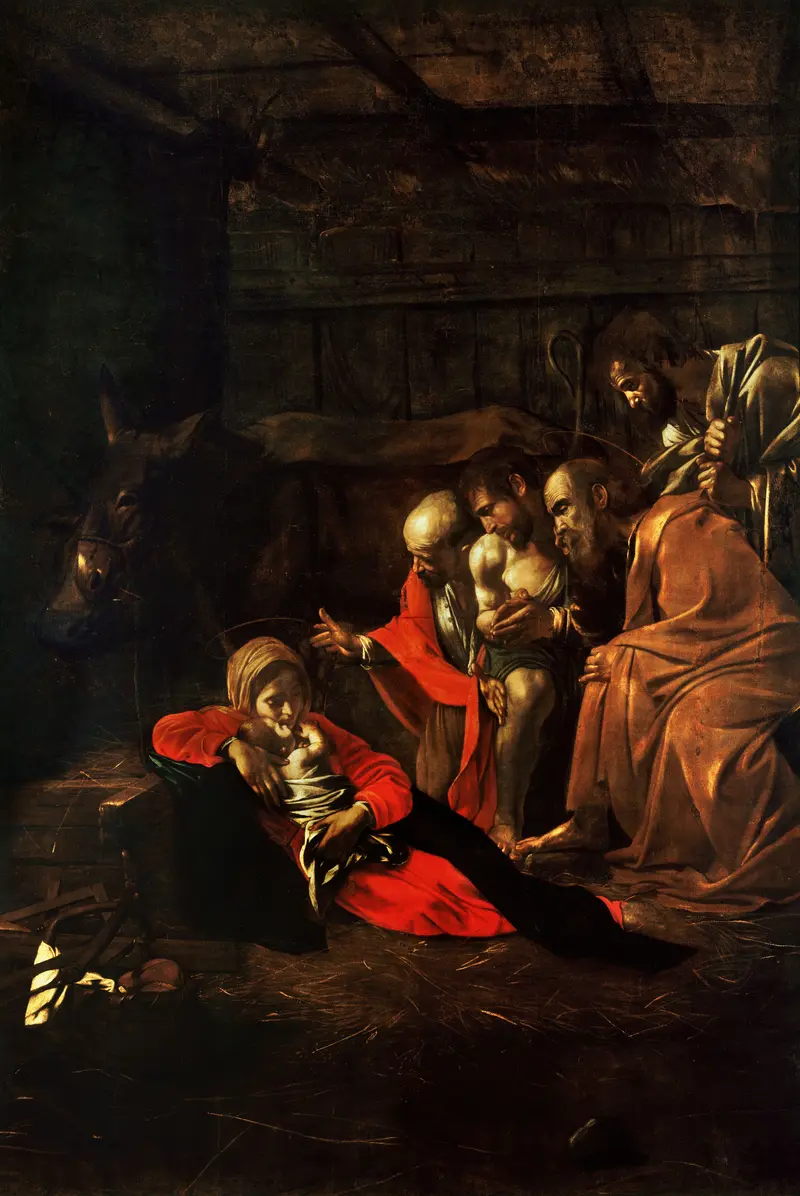
Adoration of the Shepherds
Caravaggio
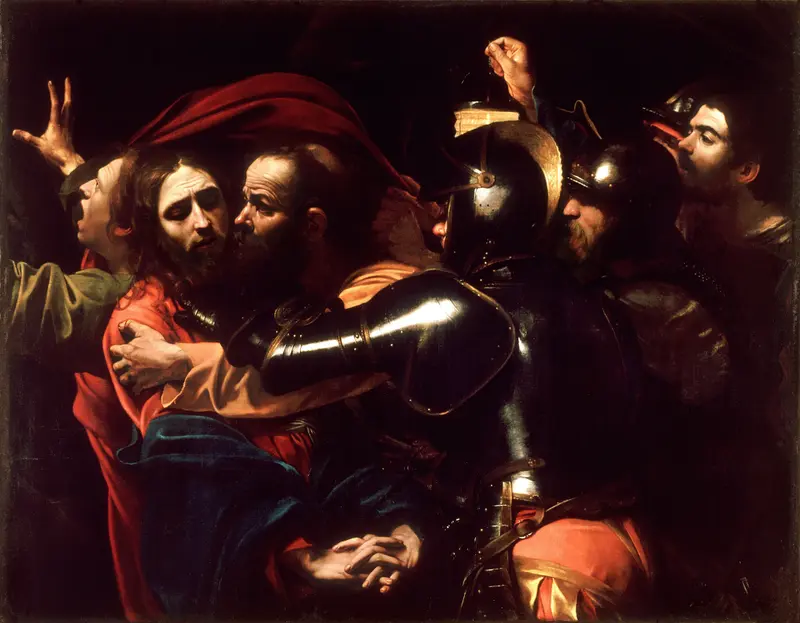
The Taking of Christ
Caravaggio
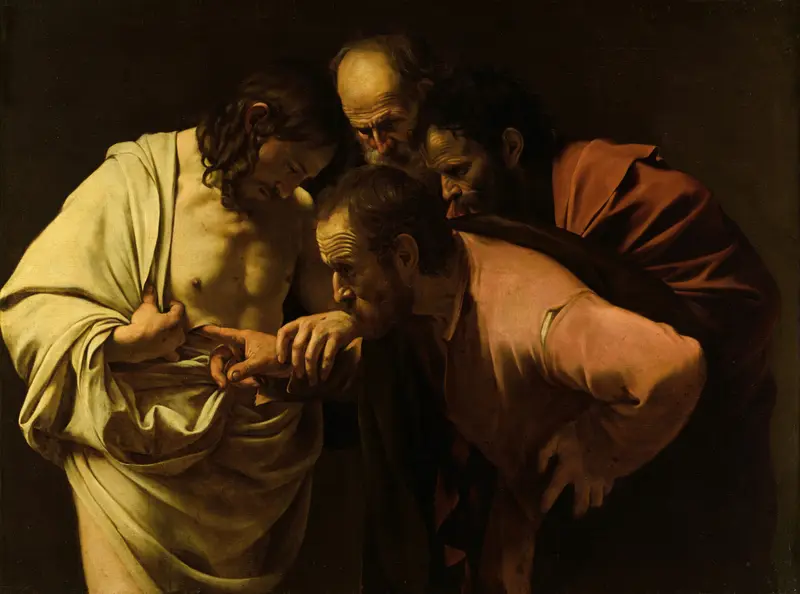
The Incredulity of Saint Thomas
Caravaggio
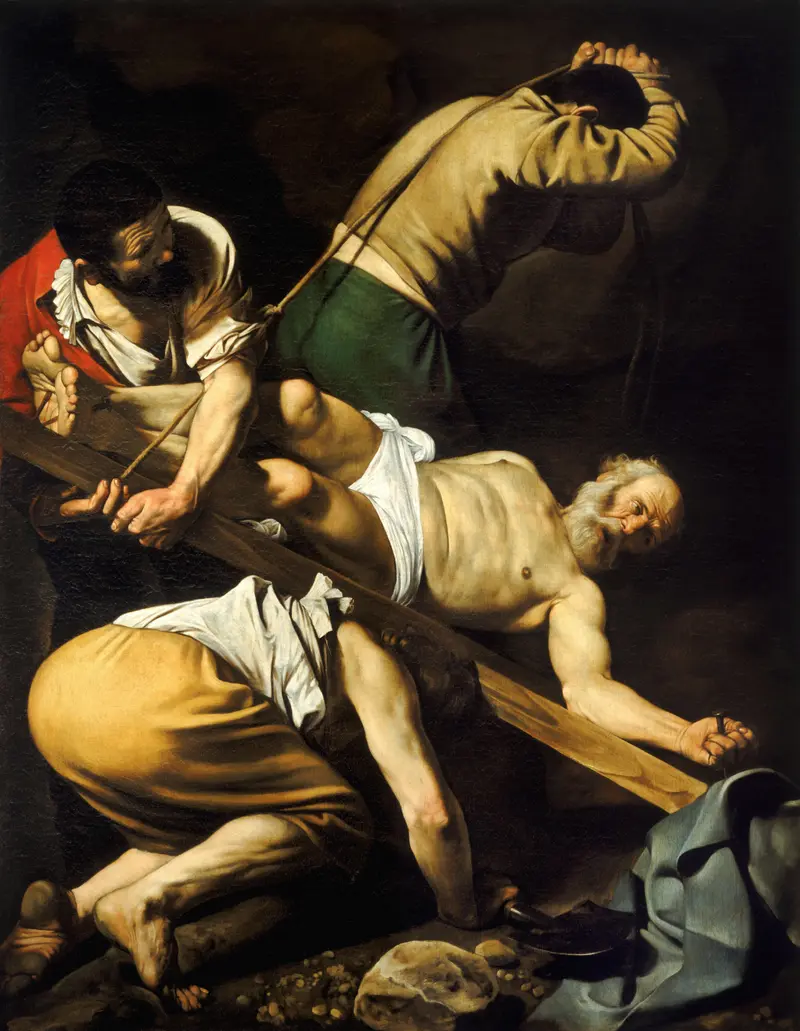
Crucifixion of Saint Peter
Caravaggio
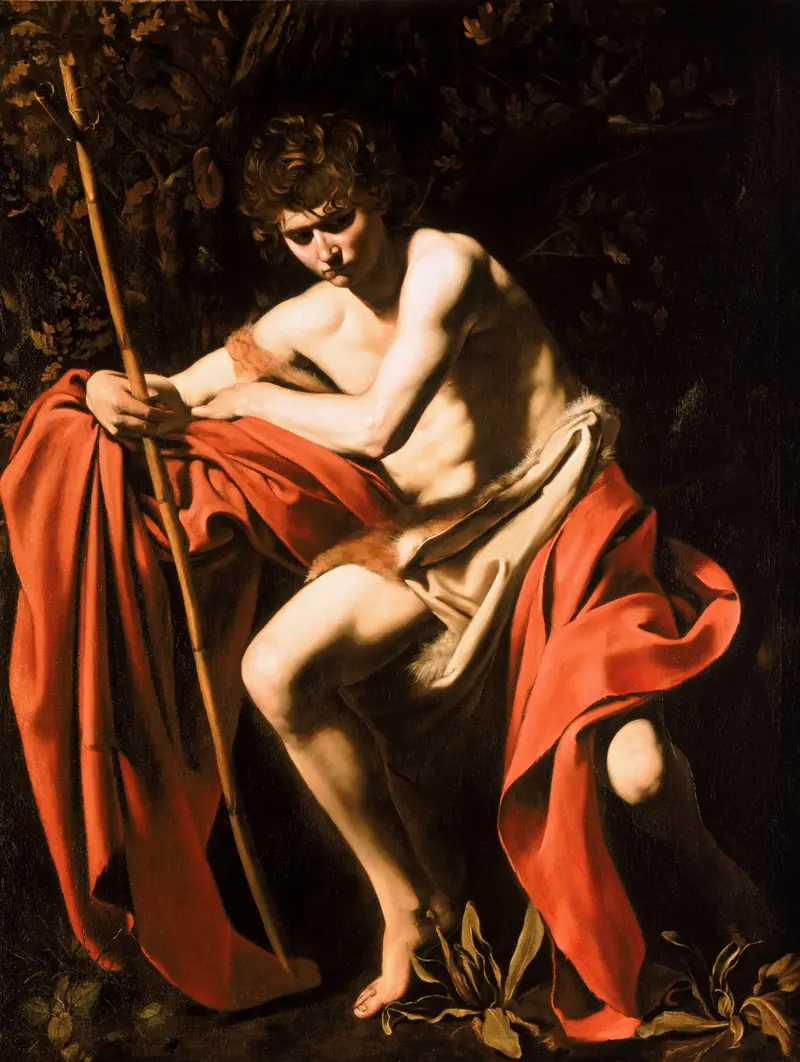
Saint John The Baptist In The Wilderness
Caravaggio

Saint Matthew and the angel
Caravaggio
The Inspiration of Saint Matthew
Caravaggio

Conversion on the Way to Damascus
Caravaggio
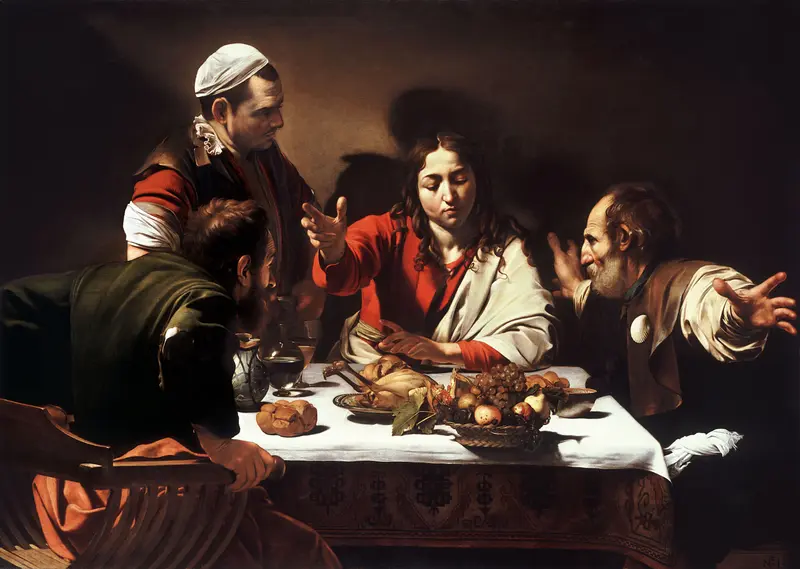
Supper at Emmaus
Caravaggio





