The Illuminated Shop Window At Night — History & Facts
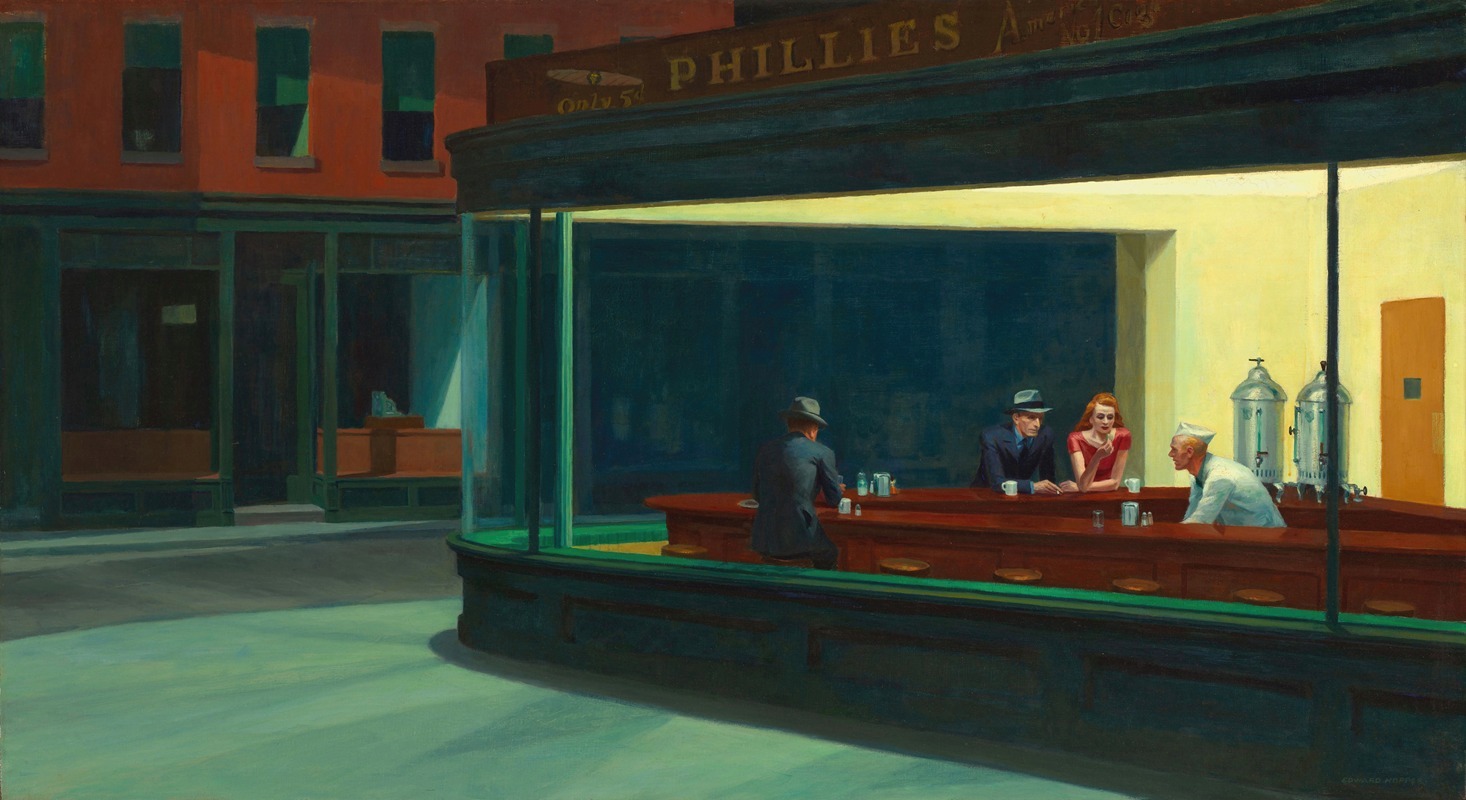
When did color learn to lie? In the quiet of night, the soft glow of an illuminated shop window beckons, promising transient dreams amidst the shadows of loss. The vivid hues vibrate against the darkness, whispering tales of commerce and unfulfilled desires, while the flickering light struggles to ward off the encroaching gloom. Look to the center, where the window radiates warmth, inviting onlookers into a world filled with vibrant textiles and gleaming objects. The brushwork reveals a delicate play of light and shadow, highlighting the intricate details of the displayed goods.
The rich palette of golden yellows and deep blues creates an enchanting contrast, drawing your eye toward the luminous rectangle that serves as both refuge and reminder of what remains outside it. Beyond the surface beauty lies a poignant tension. The shop window becomes a metaphor for separation—the vibrancy inside starkly juxtaposed with the night’s chill. The textures of the displayed items shimmer with allure, yet they also echo feelings of longing and absence, inviting reflections on what could be lost in the pursuit of light.
Each glimmering surface hints at the stories of lives intertwined with commerce, longing for connection amid the isolation of night. Created in 1881, this work emerged during a time of profound change in art—a period marked by the rise of impressionism and the exploration of urban life. Lesser Ury painted it in Berlin, where the industrial revolution was transforming the cityscape, reflecting its vibrant yet melancholic essence. The painting captures a moment where art began to embrace the interplay between light and emotion, mirroring the complexities of the world around him.
More Artworks by Lesser Ury
Browse all →
Unter den Linden mit Blick auf das Brandenburger Tor
Lesser Ury
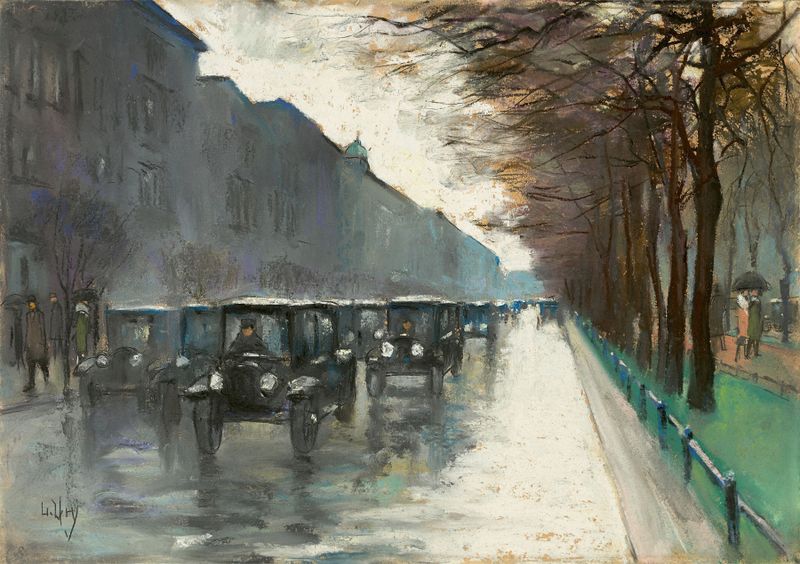
Unter den Linden mit Droschken im Regen
Lesser Ury

Berliner Straßenszene im Spätherbst
Lesser Ury
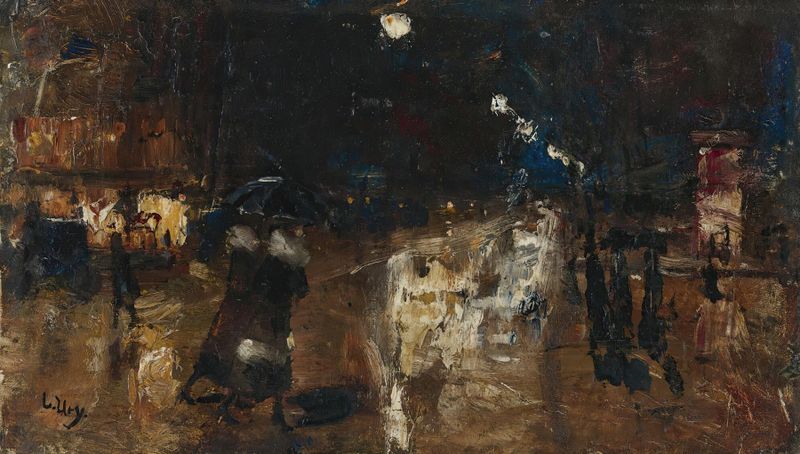
Rainy Street
Lesser Ury
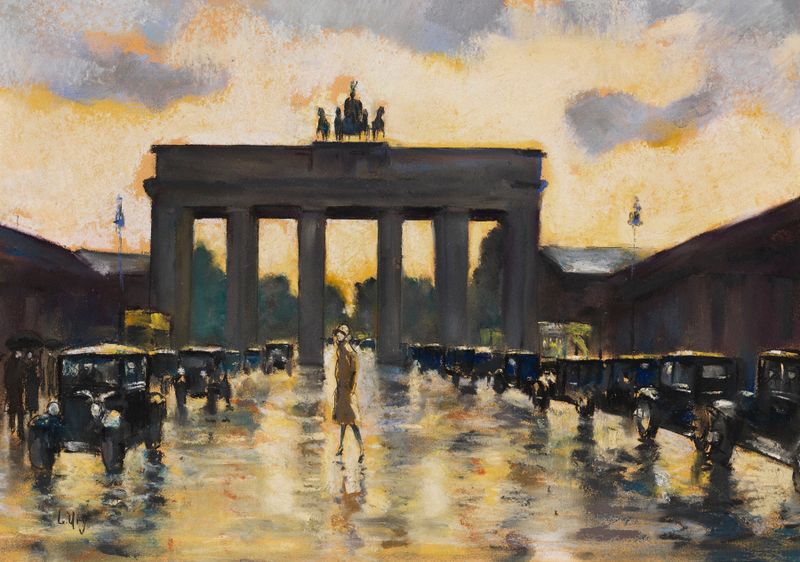
Brandenburger Tor vom Pariser Platz aus gesehen
Lesser Ury

Motiv aus dem Grunewald
Lesser Ury

Straße bei Nacht im Regen (Berlin)
Lesser Ury
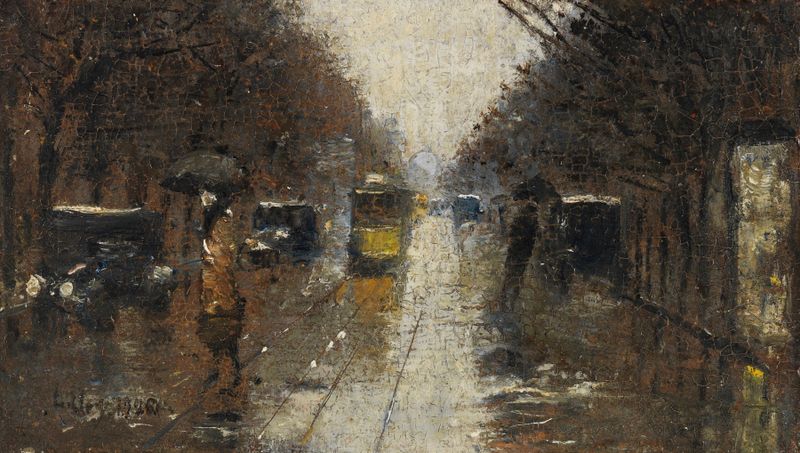
Straßenszene bei Regen, Berlin
Lesser Ury
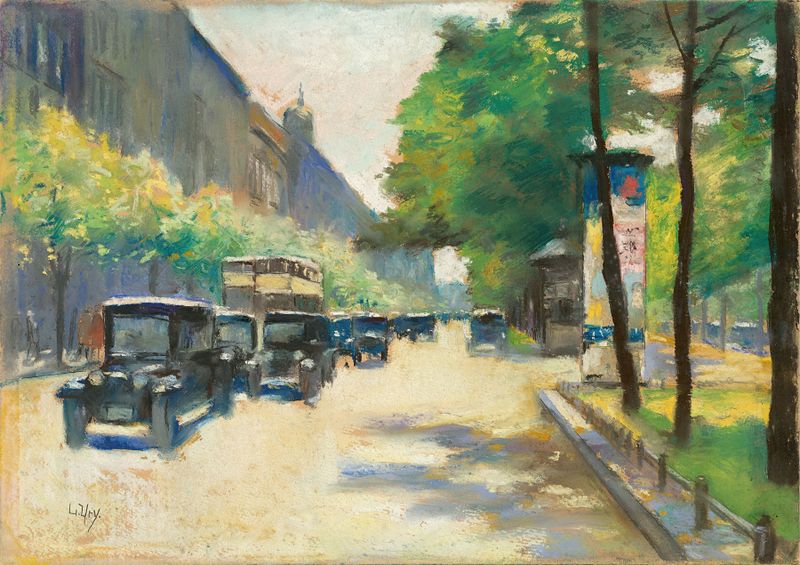
Unter den Linden, Berlin
Lesser Ury
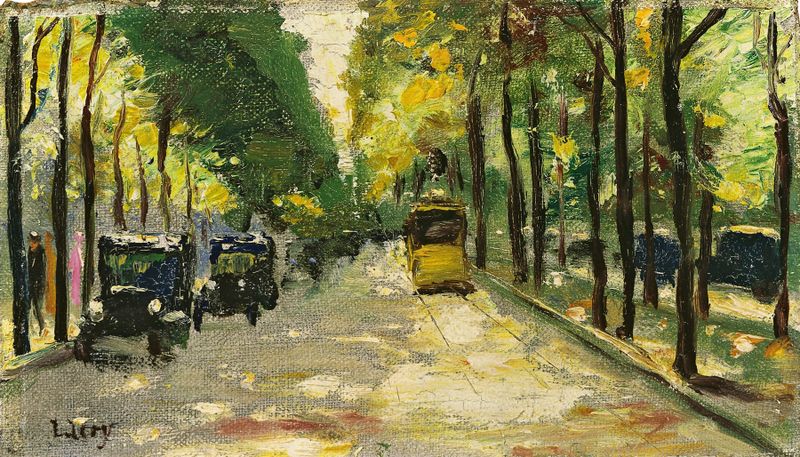
Berliner Straße im Sonnenschein
Lesser Ury