
The Lacedaemonian Ambassadors (Lysistrata) — History & Facts
What first seizes the eye in The Lacedaemonian Ambassadors (Lysistrata) is its audacity—figures rendered in a parade of exaggerated anatomy and theatrical gesture, their bodies outlined with the crisp, unyielding black line that marks Aubrey Beardsley’s unmistakable hand. Every detail is a provocation: the towering plumes of hair, the elaborate boots, and above all, the outsized phalluses that dominate the composition. The central figure’s sidelong glance and poised arm seem to orchestrate the scene, while the surrounding characters—one bent in a pose of almost comic servility—create a tableau that is both ritualistic and subversive.
The sparse background and decorative border focus all attention on the figures, as if the image itself were a stage and the viewer a complicit audience. Created around 1926, this print belongs to a world that delighted in the decadent, the satirical, and the forbidden. The late nineteenth and early twentieth centuries saw a surge of interest in classical themes, often filtered through the lens of wit and eroticism; Beardsley’s work, especially his illustrations for plays like Lysistrata, became notorious for their blend of classical reference and modern irreverence. Such prints were rarely destined for public exhibition—instead, they circulated among collectors who prized their daring.
Now held by the Metropolitan Museum of Art and made available through open access, this print stands as a testament to both the enduring appeal and the controversy of Beardsley’s vision. The longer you look, the more the image reveals its layers of artifice and intent.
More Artworks by Aubrey Beardsley

The Dream
Aubrey Beardsley
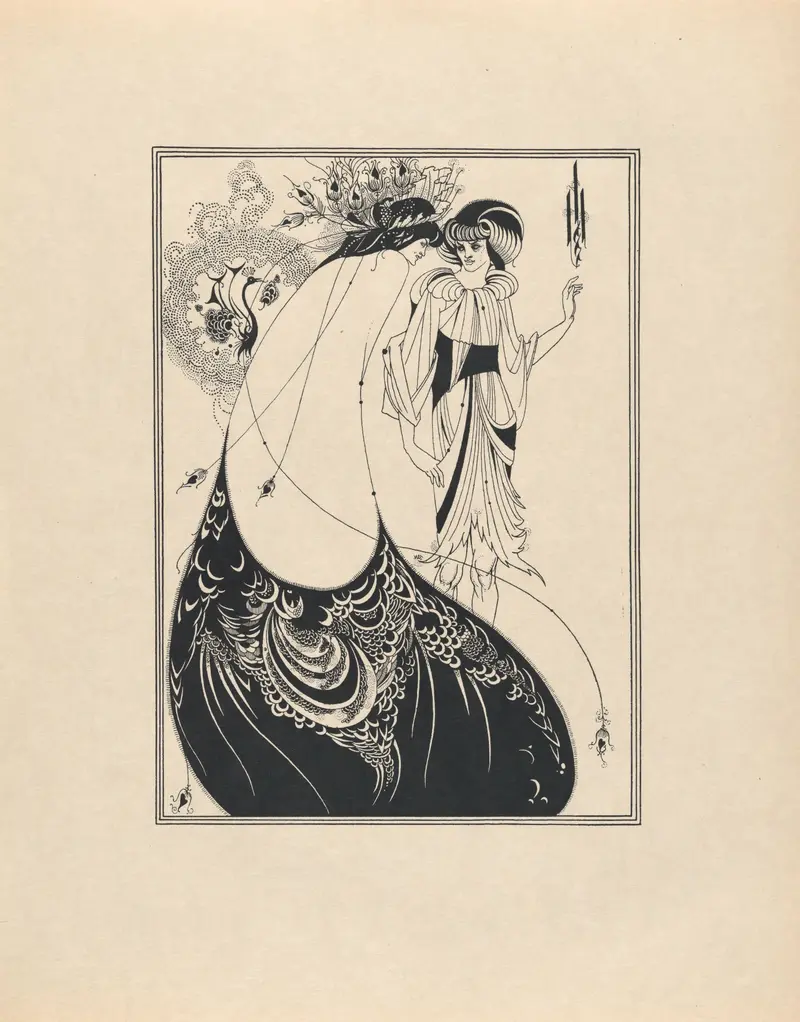
The Peacock Skirt
Aubrey Beardsley
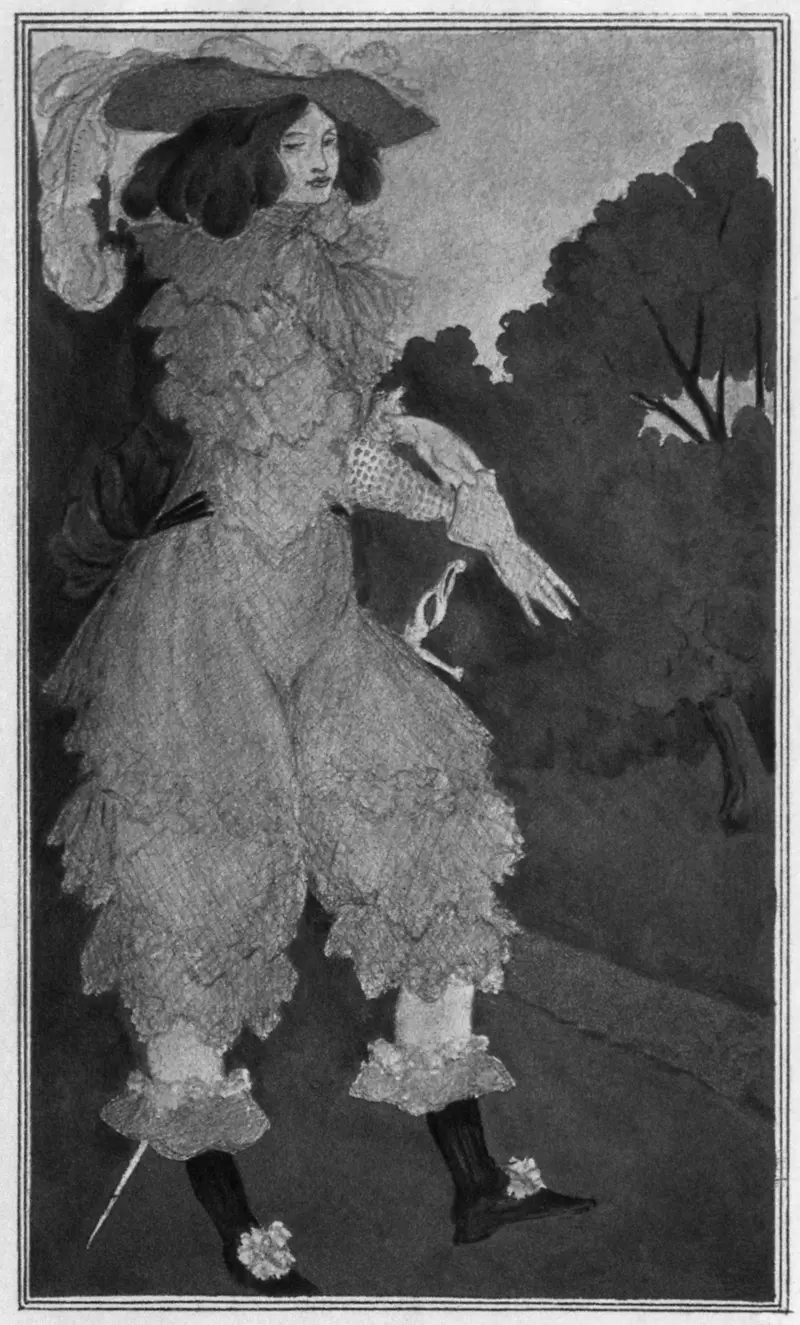
Mademoiselle de Maupin
Aubrey Beardsley
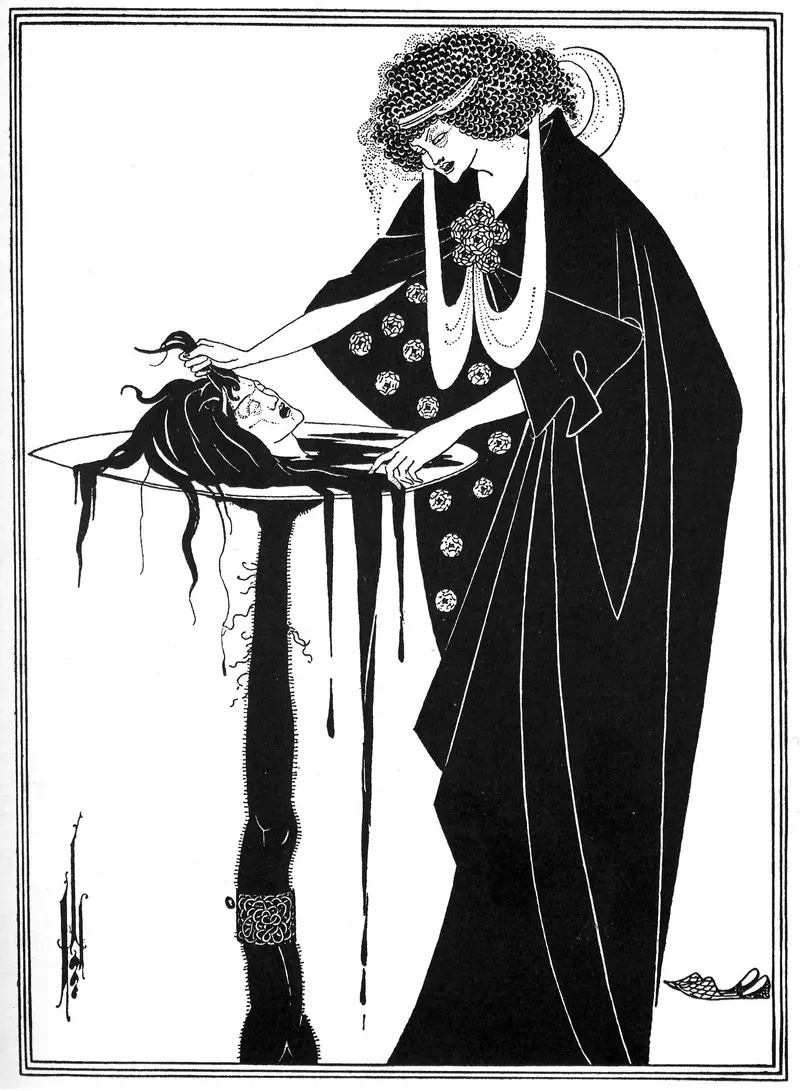
The Dancer's Reward (Salome)
Aubrey Beardsley
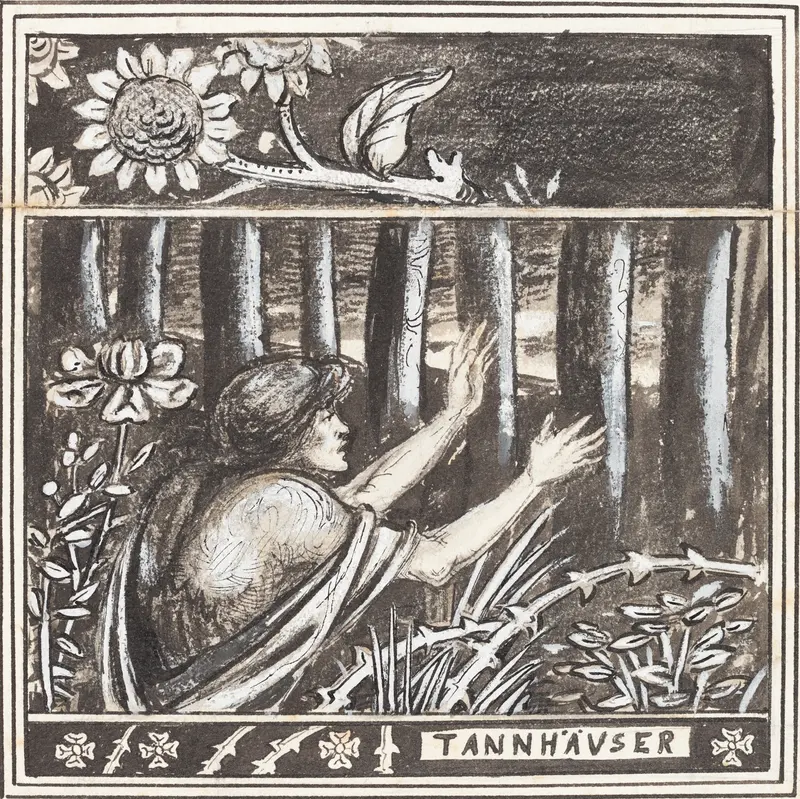
Tannhäuser
Aubrey Beardsley
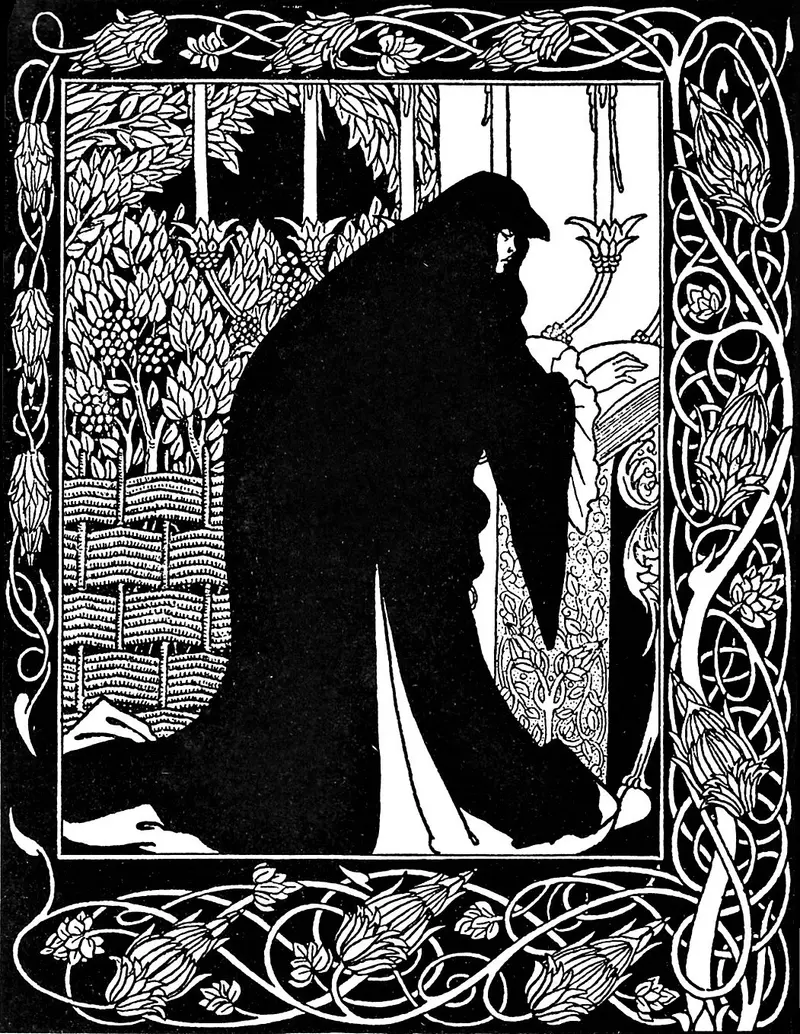
Queen Guenever, a Nun at Almesbury (Le Morte d'Arthur)
Aubrey Beardsley
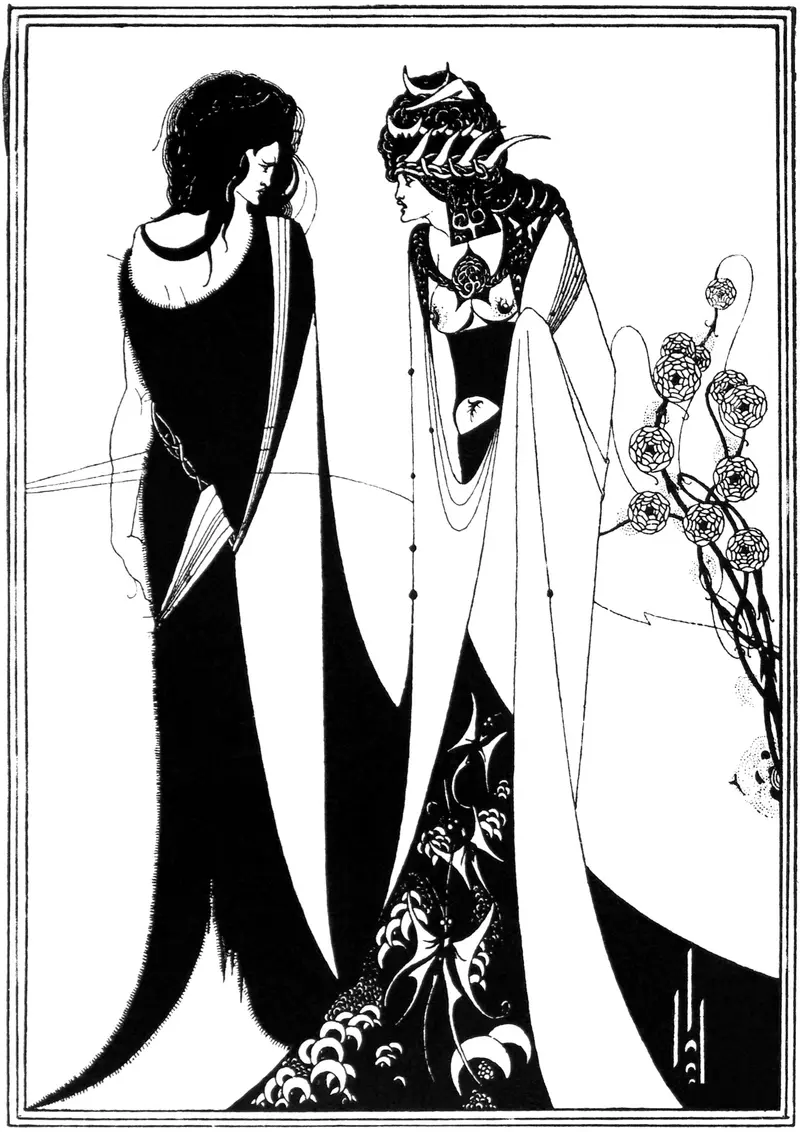
John and Salome
Aubrey Beardsley
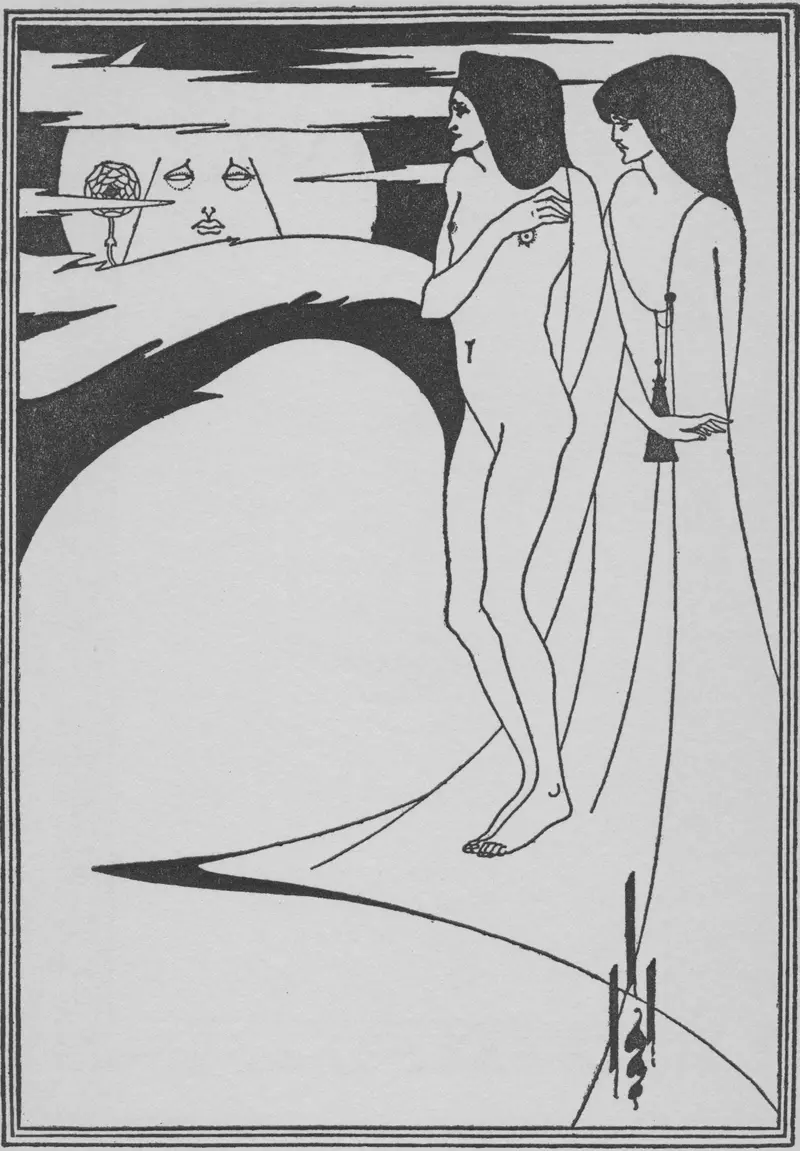
The Woman in the Moon (Salome)
Aubrey Beardsley
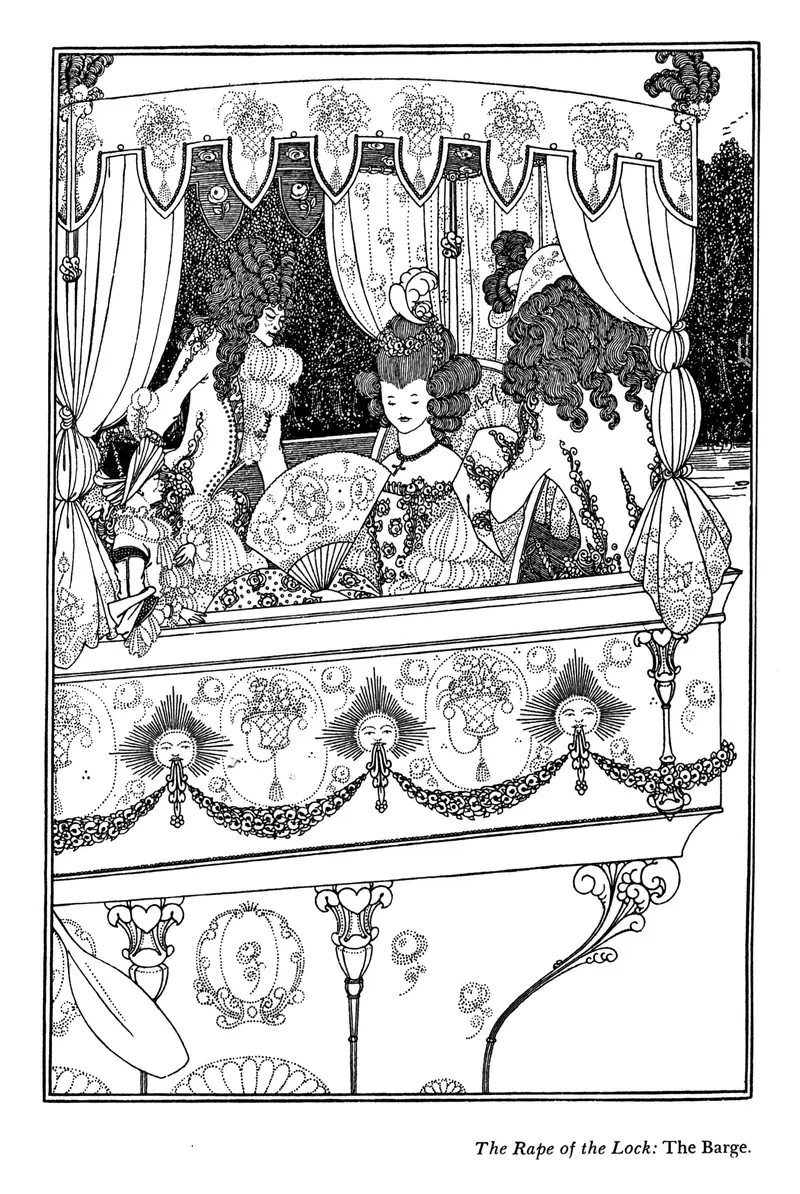
The Barge (The Rape of the Lock)
Aubrey Beardsley
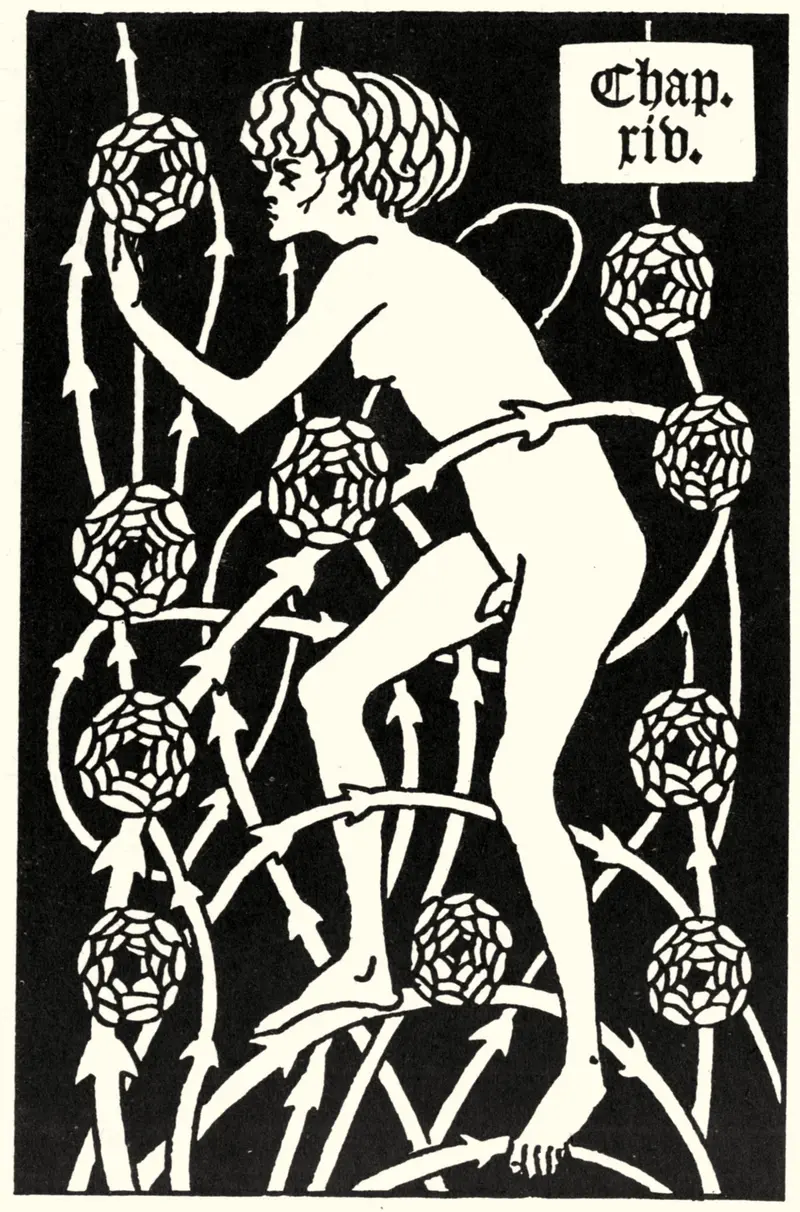
Hermaphroditus (Le Morte d'Arthur)
Aubrey Beardsley





