
The Lamentation over the Dead Christ — History & Facts
The tender choreography of hands is what first arrests the eye: every gesture in The Lamentation over the Dead Christ by Adriaen Isenbrant is a thread in a tapestry of grief. At the painting’s center, the lifeless body of Christ is cradled by the Virgin, her fingers splayed in a desperate attempt to support both his weight and her own sorrow. A woman kneels in the foreground, her hands clasped in prayer, her gaze fixed on the wounds—her devotion as palpable as the nails and crown of thorns discarded nearby.
The artist draws the viewer’s attention not with spectacle, but with the quiet gravity of faces and hands, leading the eye from the bowed heads to the delicate touch at Christ’s feet, where another woman anoints him with oil. This is a scene shaped by the devotional needs of the 16th century, when such images served as private altarpieces or aids to prayer, inviting viewers to meditate on suffering and compassion. The world that produced this painting was one of intense religious feeling, where artists like Isenbrant—active in Bruges, a center of Northern Renaissance painting—were called upon to make the mysteries of faith immediate and human. The landscape in the distance, rendered with cool clarity, situates the sacred drama in a world as real as the viewer’s own, while the careful attention to costume and gesture roots the figures in the everyday.
Though little is recorded about this particular work beyond its presence in the KMSKA collection and its 16th-century date, its emotional clarity speaks across the centuries, inviting us to linger over every detail and find our own place in the story.
More Artworks by Adriaen Isenbrant
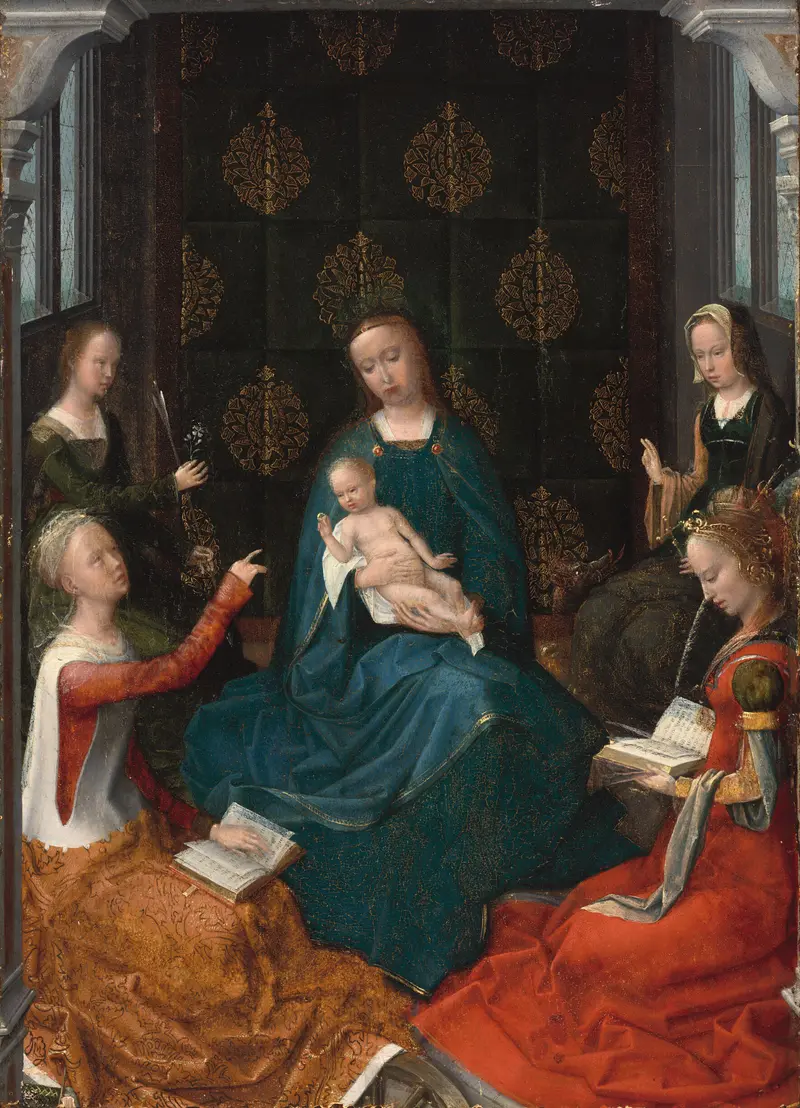
The Mystic Marriage of Saint Catherine of Alexandria with Three Female Saints: Ursula, Margaret of Antioch, and an Unidentified Martyr
Adriaen Isenbrant
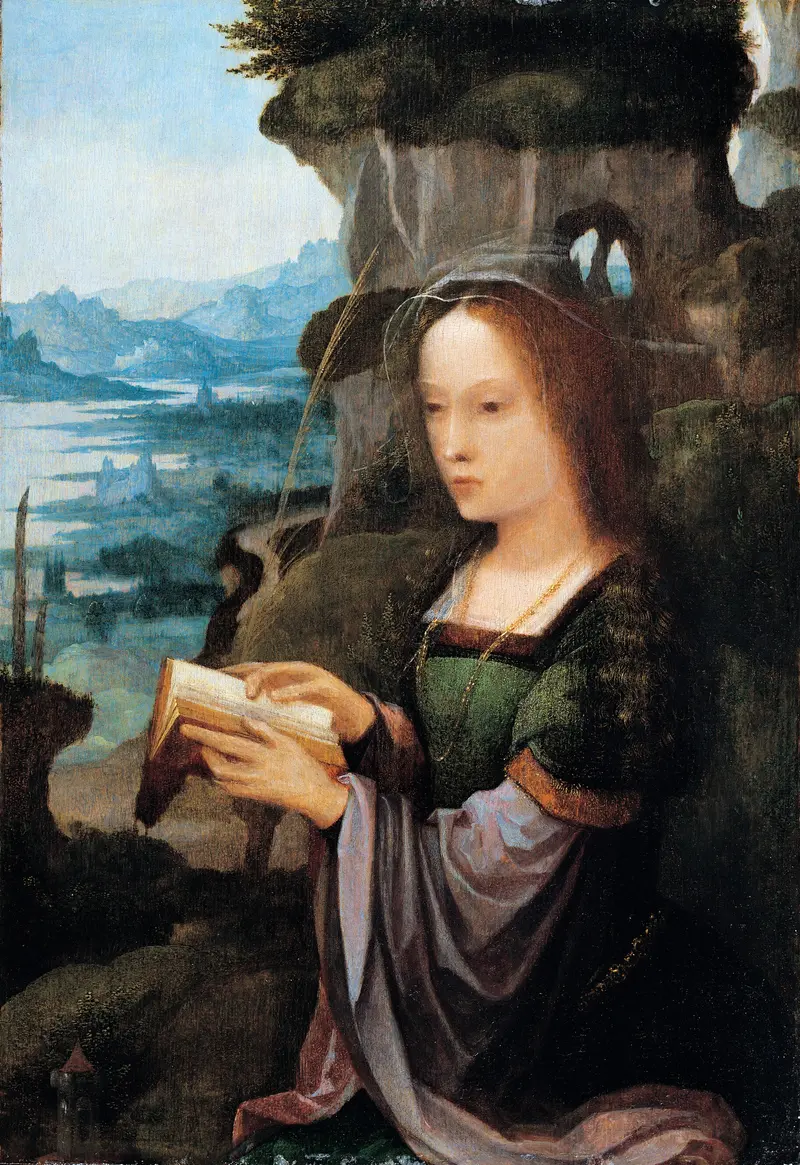
Saint Barbara
Adriaen Isenbrant
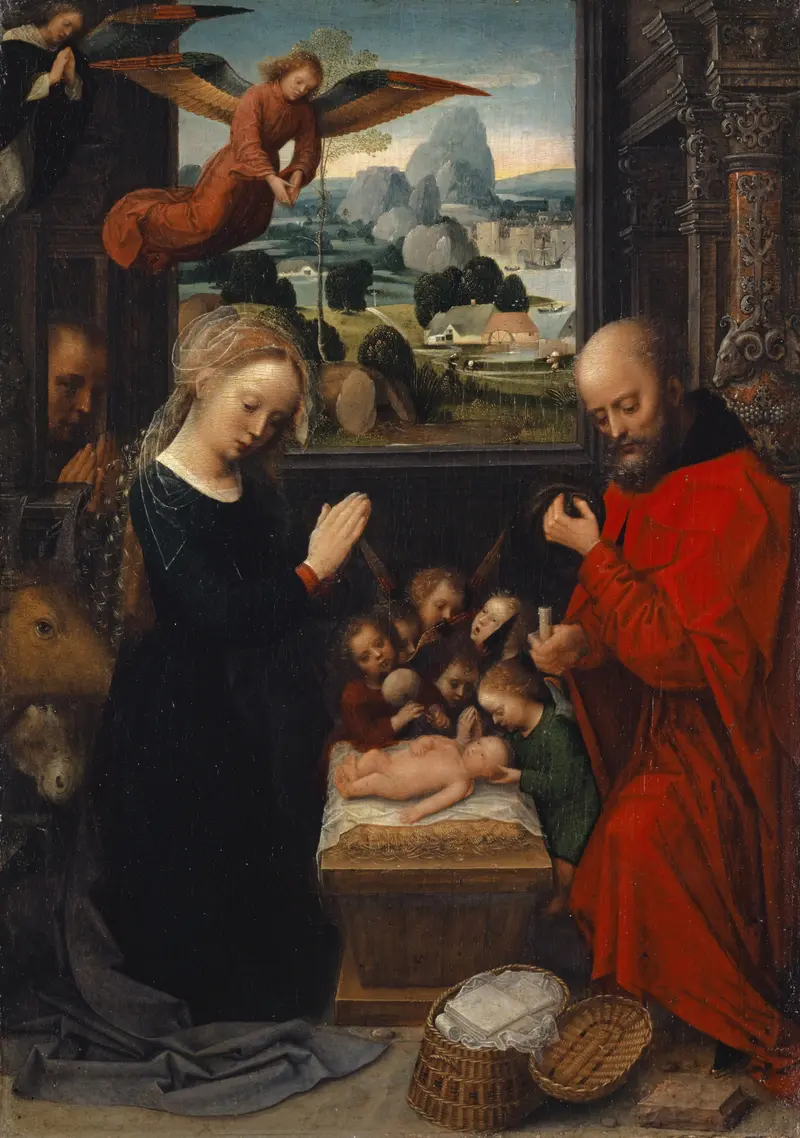
The Nativity
Adriaen Isenbrant
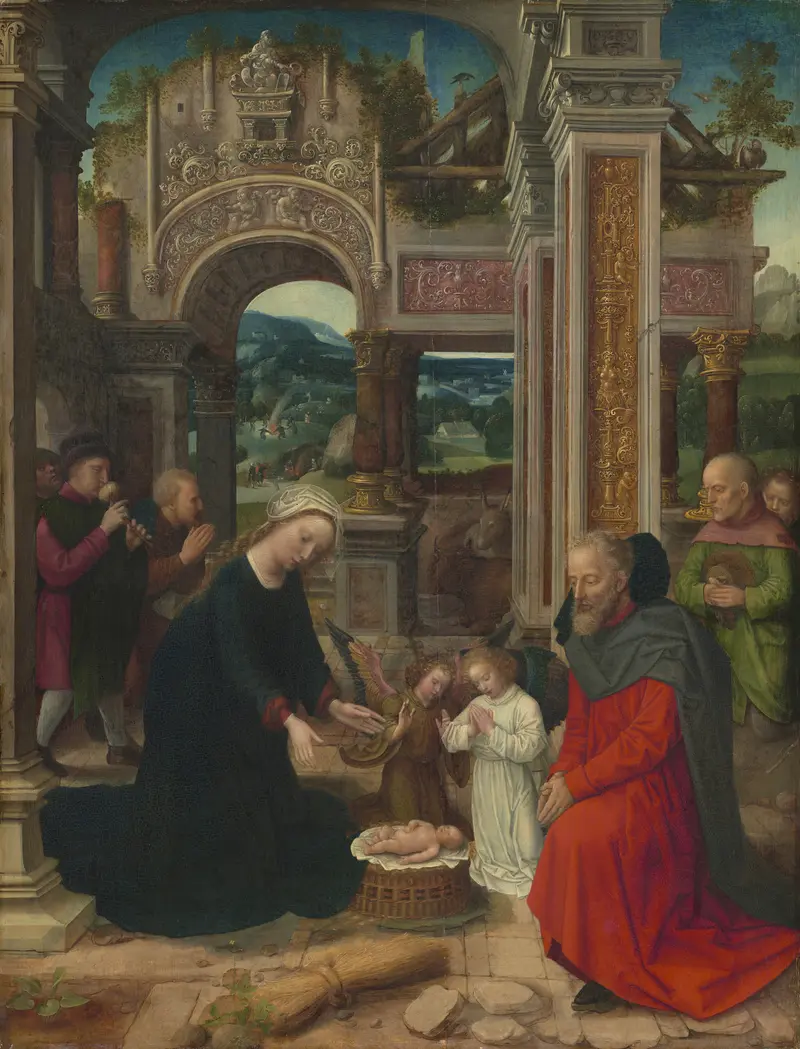
The Adoration of the Shepherds
Adriaen Isenbrant
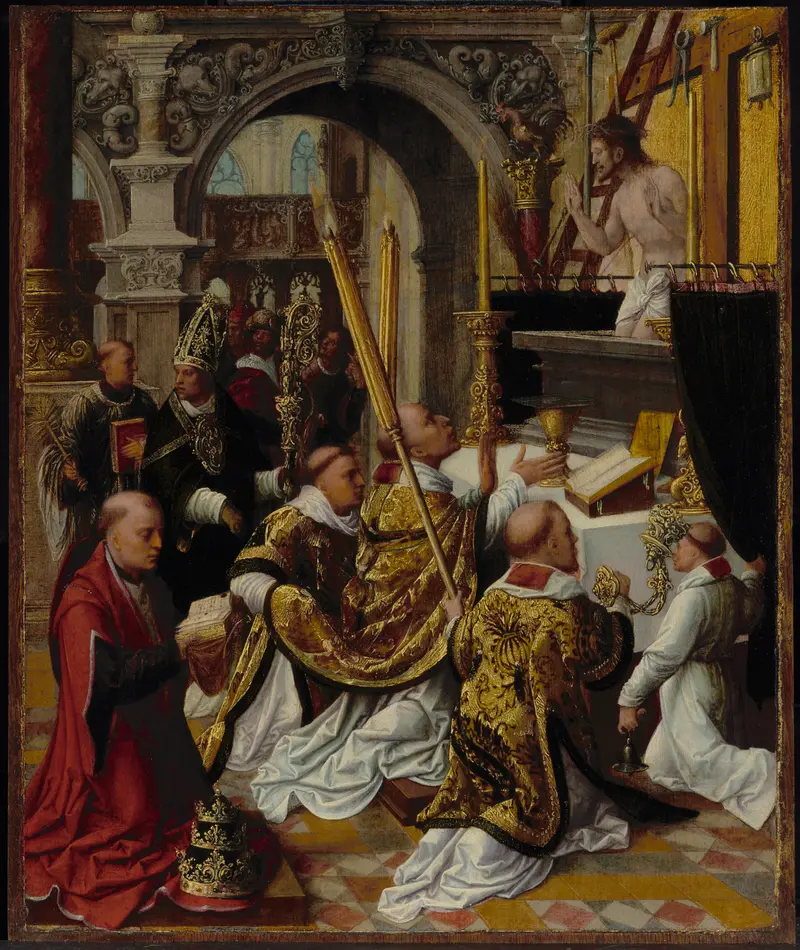
The Mass of Saint Gregory the Great
Adriaen Isenbrant
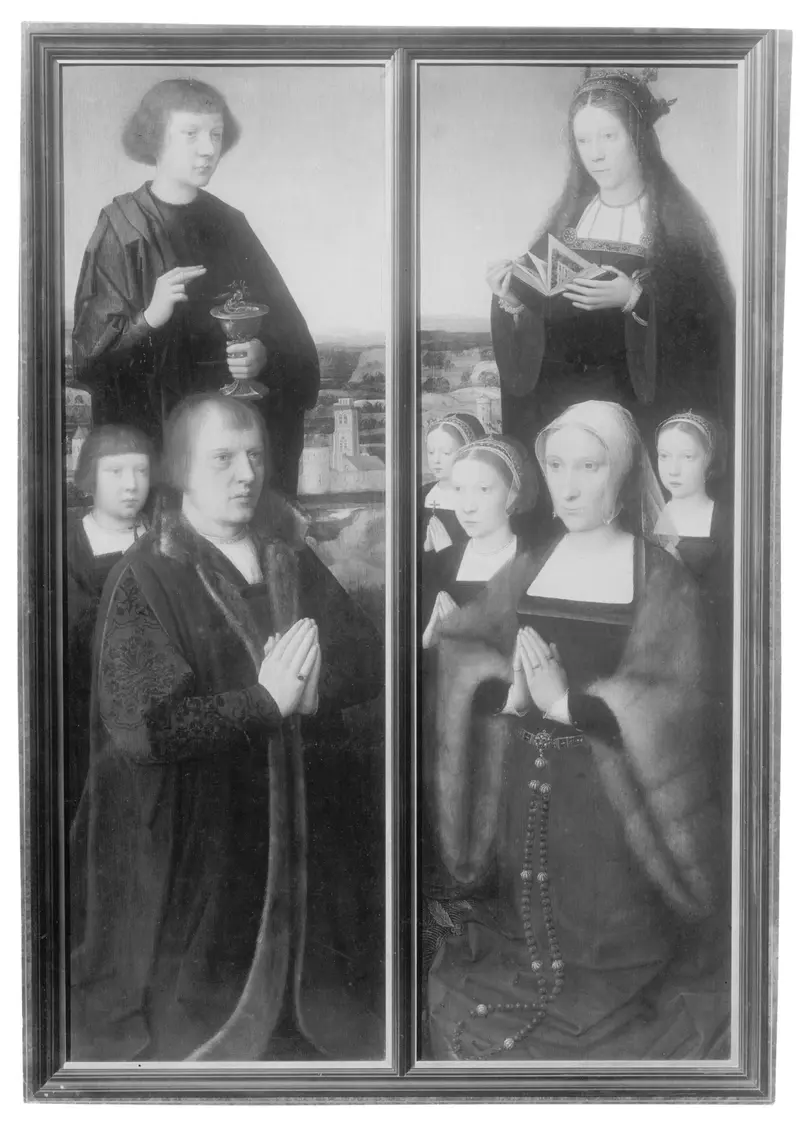
Wings of a polyptych with donors -Man with son and Saint, Woman with daughters and Saint (burned)
Adriaen Isenbrant
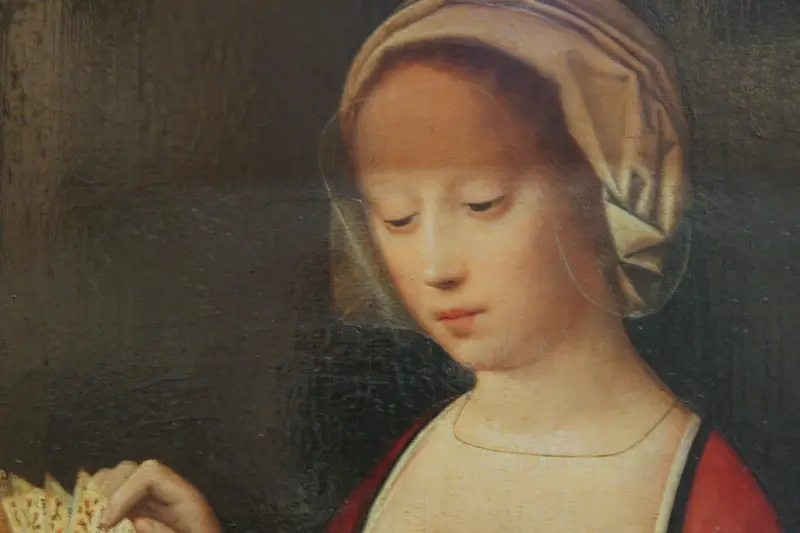
Mary Magdalene Reading
Adriaen Isenbrant
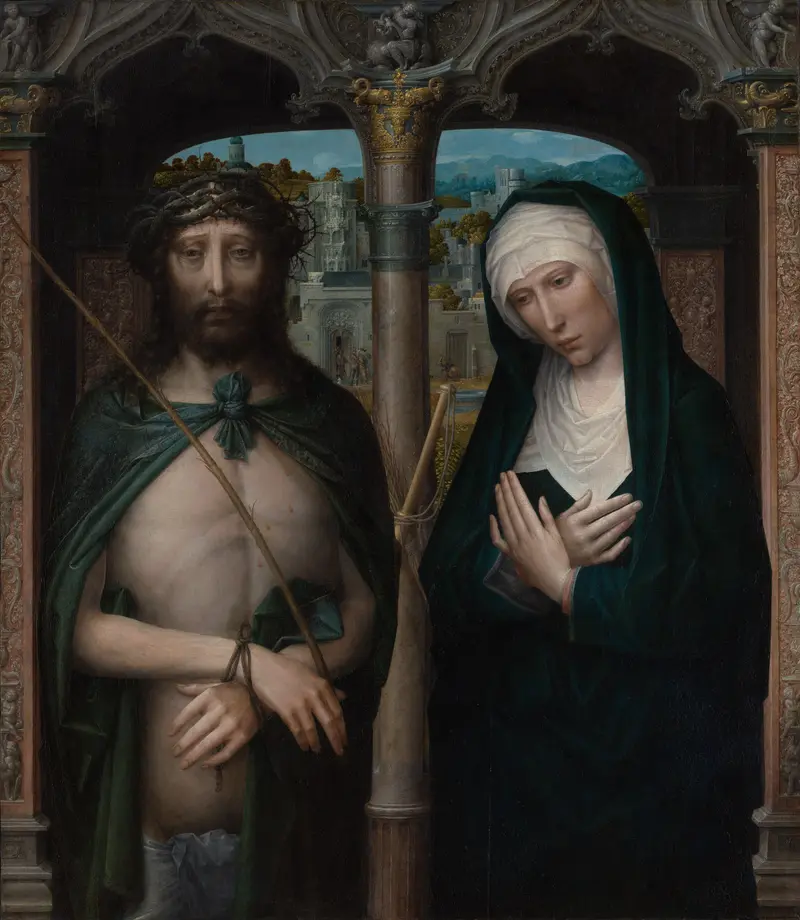
Christ Crowned with Thorns (Ecce Homo), and the Mourning Virgin
Adriaen Isenbrant
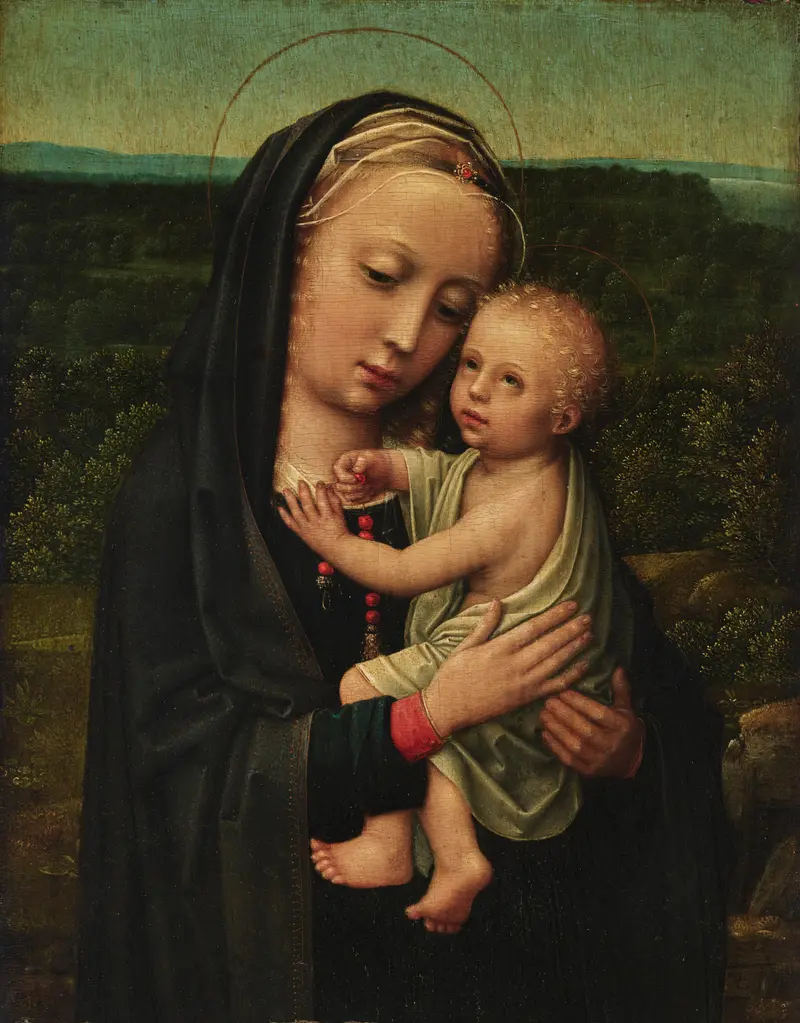
Madonna and Child
Adriaen Isenbrant
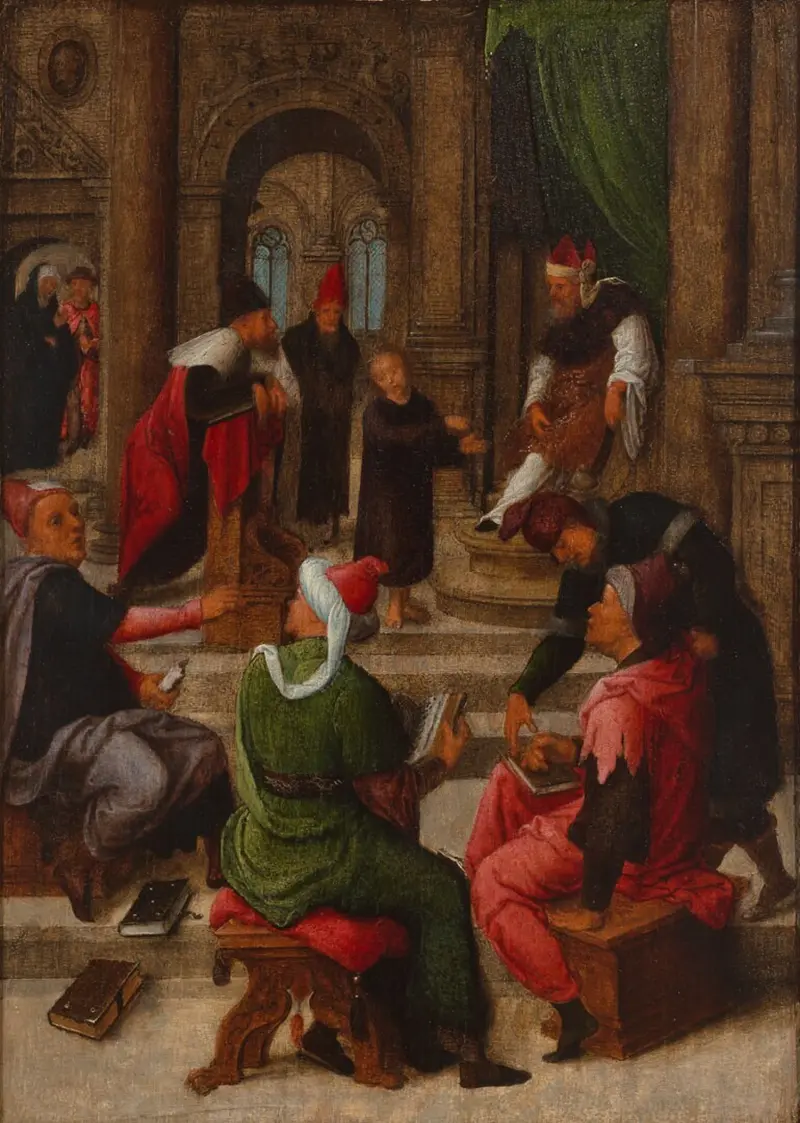
The 12-Year-Old Jesus in the Temple
Adriaen Isenbrant





