
The Life of the Virgin — History & Facts
The hush of a sacred encounter lingers in the shadows of this triptych by Adriaen Isenbrant, where the unfolding story of the Virgin’s life is rendered with a quiet intimacy. What first draws the eye is the way the figures seem to pause mid-breath, their gestures gentle, almost hesitant, as if aware of the gravity of the moments they inhabit. In the left panel, the angel leans in, palm raised, while Mary bows her head, her hand at her chest—a choreography of humility and awe.
The right panel continues this thread of human connection, with two women sharing a touch that is both greeting and benediction, their faces lowered in mutual understanding. The carved stone arches above them are not mere architecture; they frame the sacred drama, casting the figures in a pool of soft, golden light that sets them apart from the world outside the frame. Works like this, painted after 1521, belong to a world where devotion was both private and public, and images of the Virgin’s life were central to the spiritual imagination of Northern Europe. Triptychs such as this were often commissioned for chapels or private homes, their hinged panels designed to open and close like a book of hours, revealing stories to be contemplated in silence.
The restrained palette and intricate detail speak to the lingering influence of the Flemish tradition, where painters like Isenbrant balanced realism with reverence. Though the details of this particular painting’s early history remain elusive, its presence today in a major collection is a testament to the enduring power of these quiet narratives. The longer you look, the more you notice—the tilt of a head, the delicate folds of a robe—each detail inviting you deeper into the world that shaped it.
More Artworks by Adriaen Isenbrant
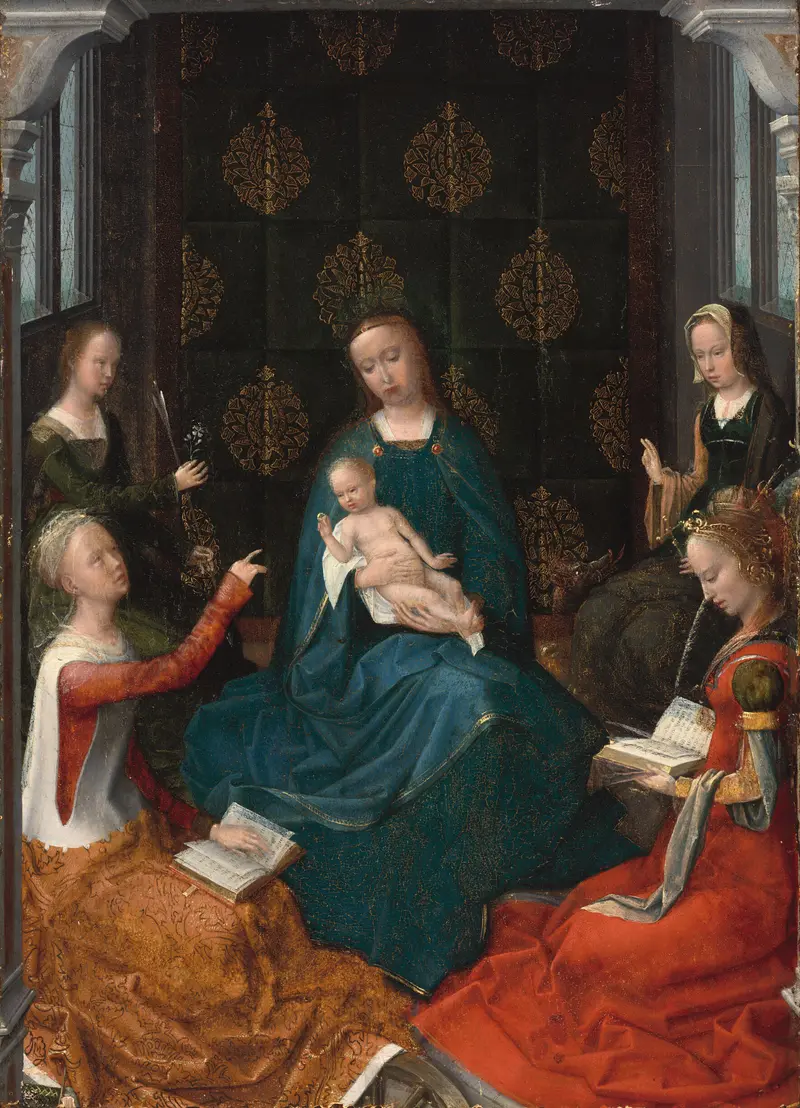
The Mystic Marriage of Saint Catherine of Alexandria with Three Female Saints: Ursula, Margaret of Antioch, and an Unidentified Martyr
Adriaen Isenbrant
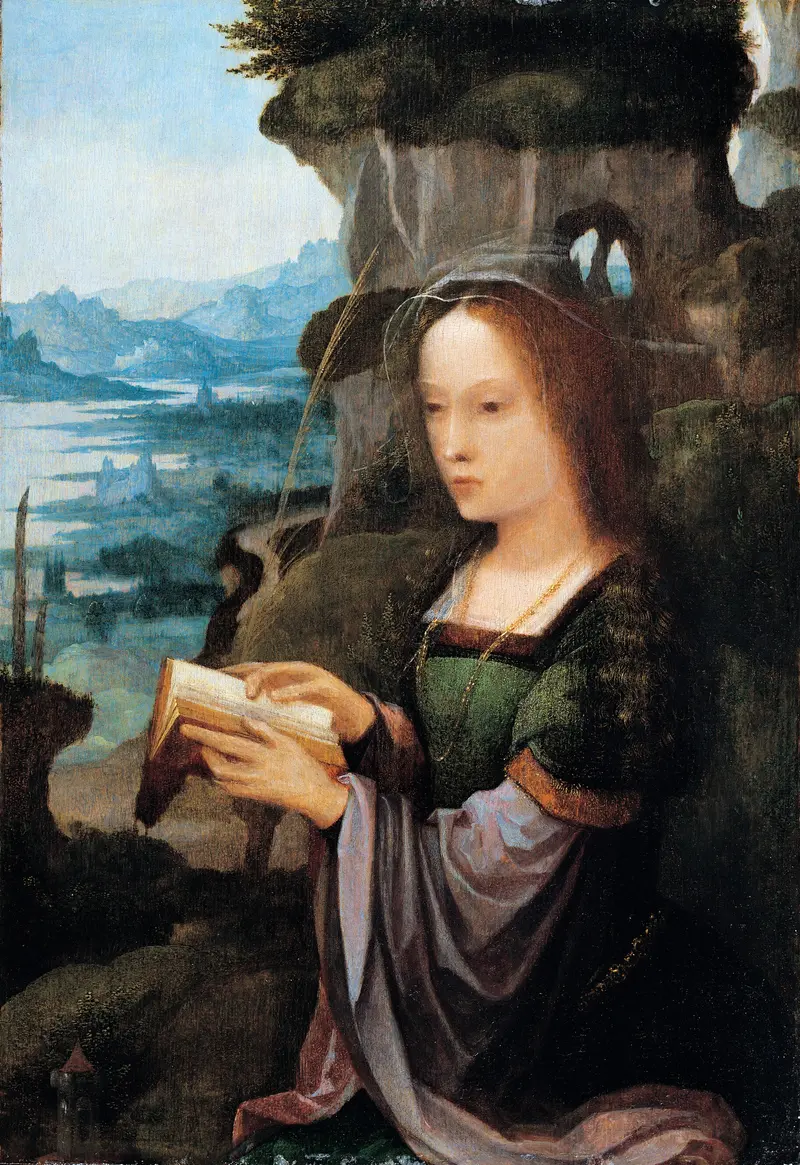
Saint Barbara
Adriaen Isenbrant
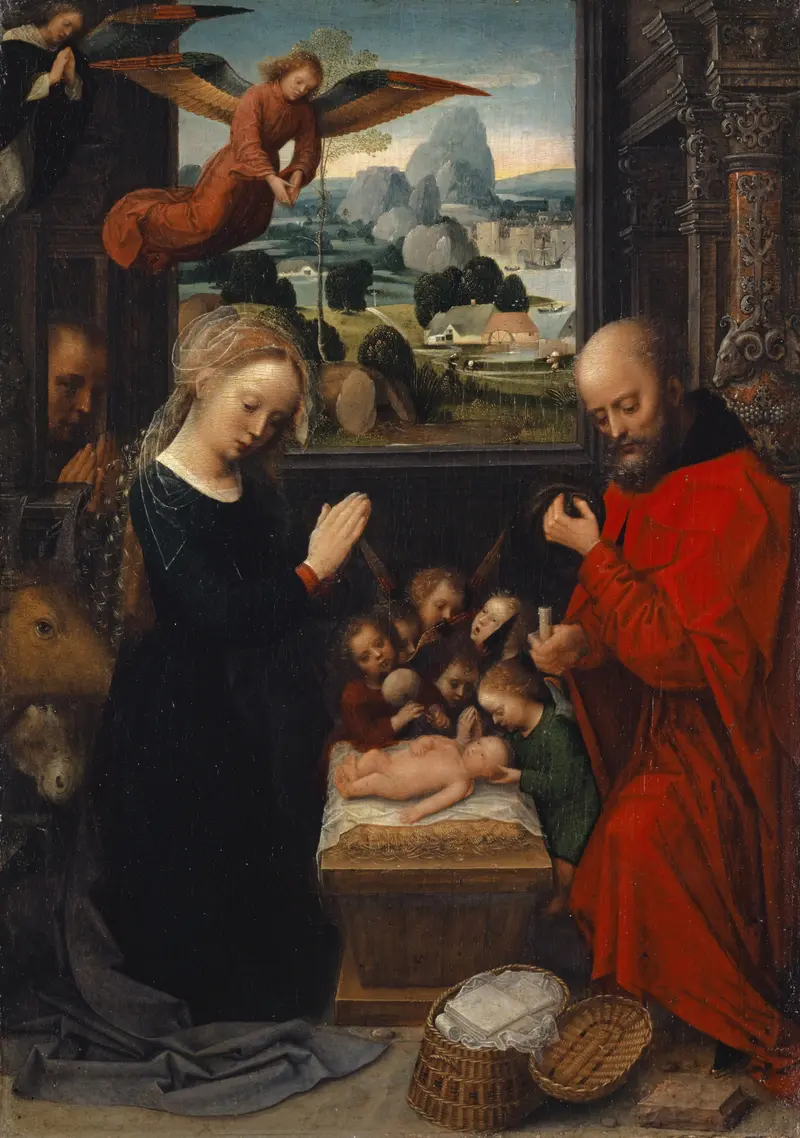
The Nativity
Adriaen Isenbrant
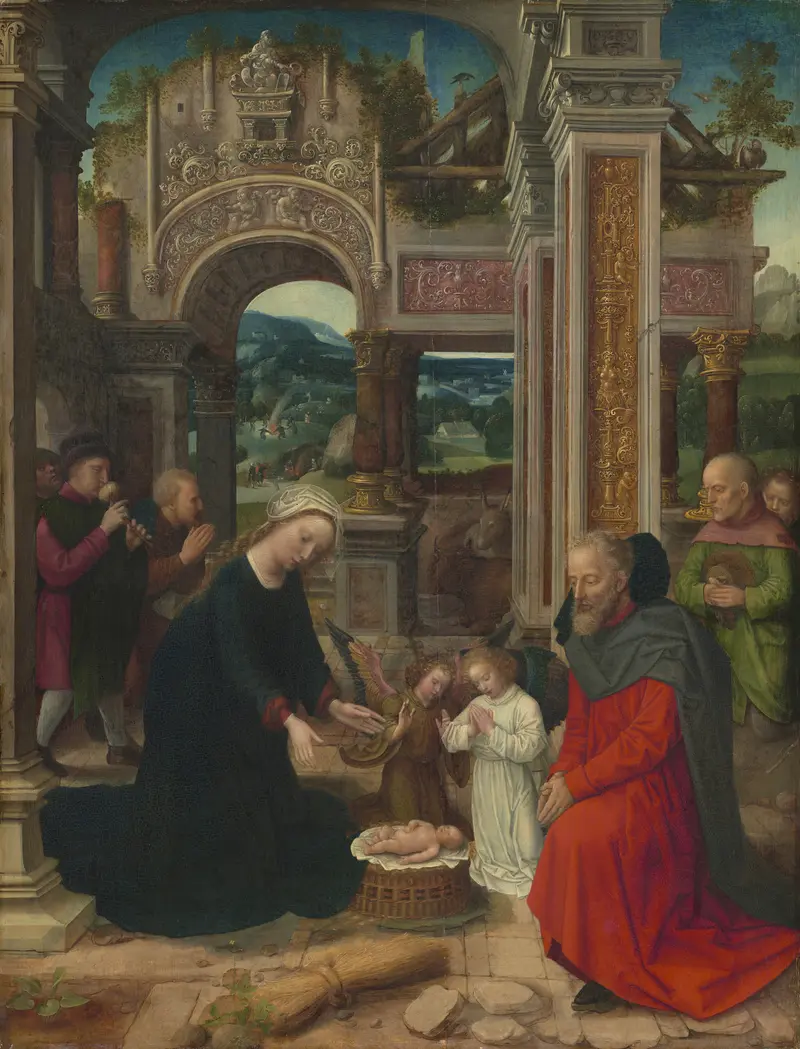
The Adoration of the Shepherds
Adriaen Isenbrant
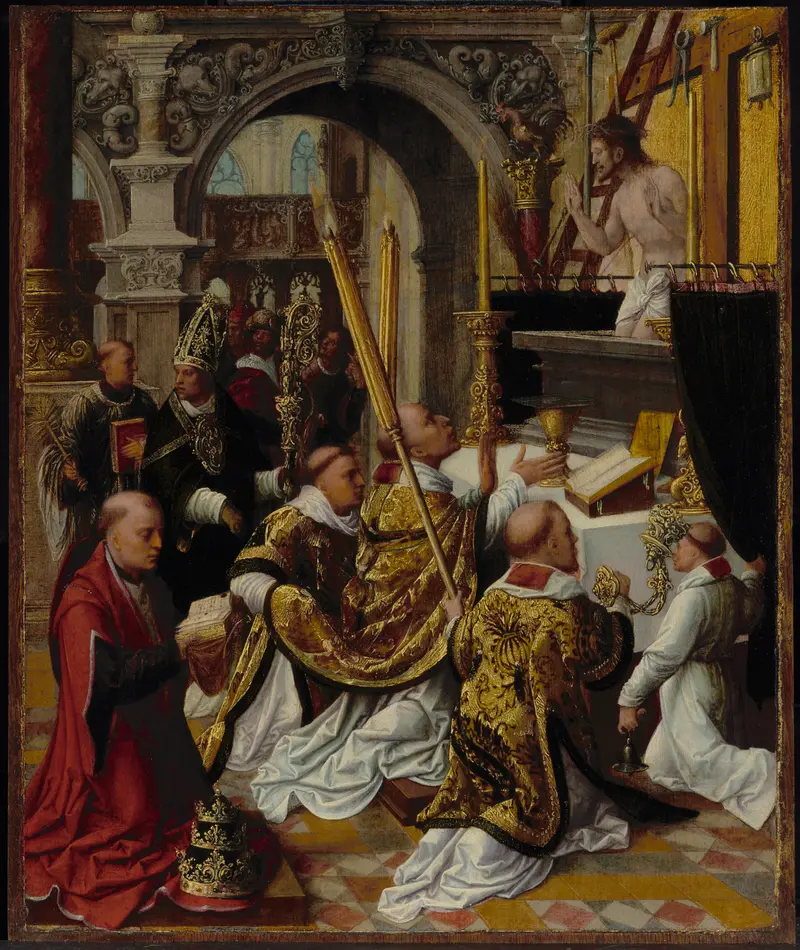
The Mass of Saint Gregory the Great
Adriaen Isenbrant
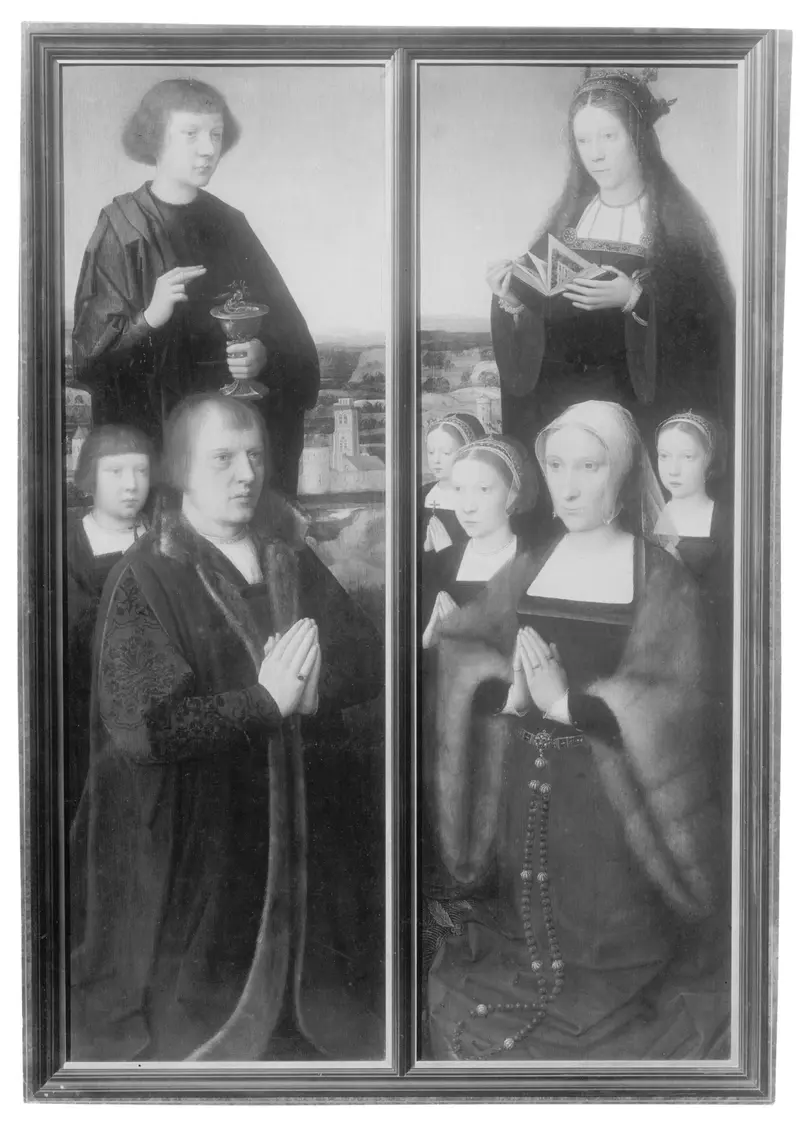
Wings of a polyptych with donors -Man with son and Saint, Woman with daughters and Saint (burned)
Adriaen Isenbrant
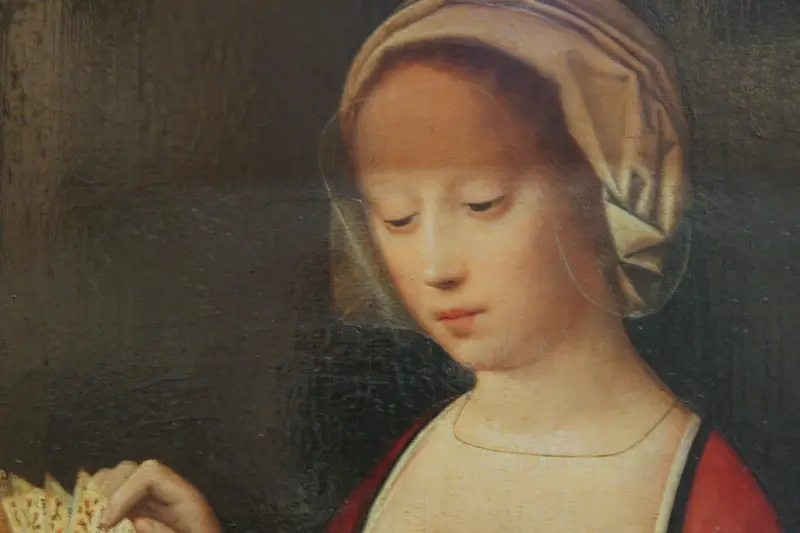
Mary Magdalene Reading
Adriaen Isenbrant
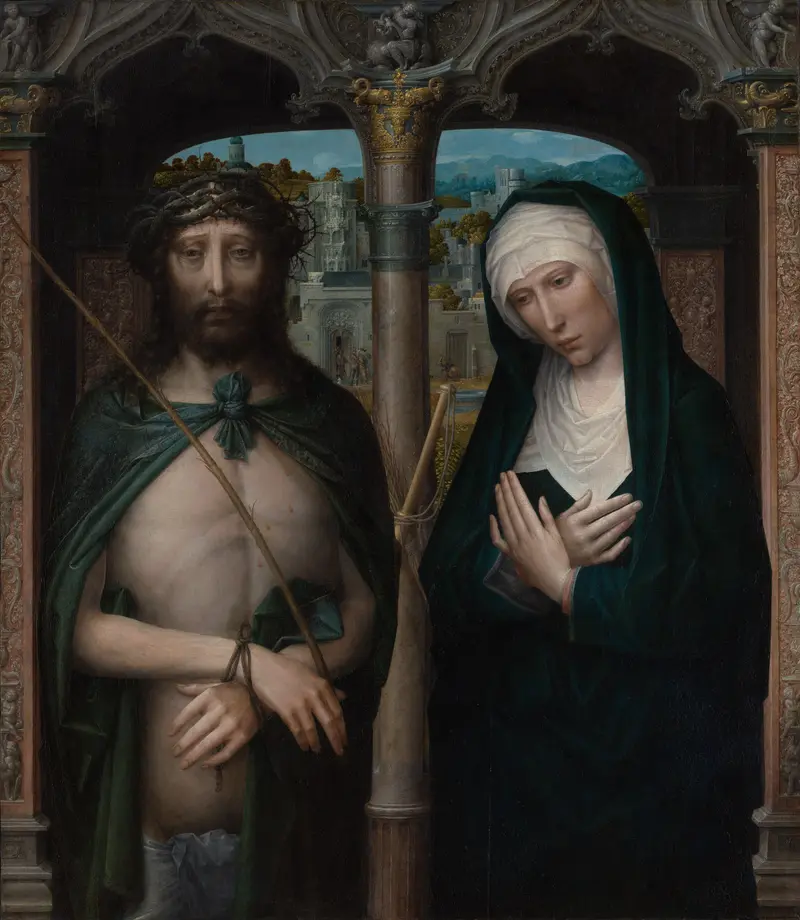
Christ Crowned with Thorns (Ecce Homo), and the Mourning Virgin
Adriaen Isenbrant
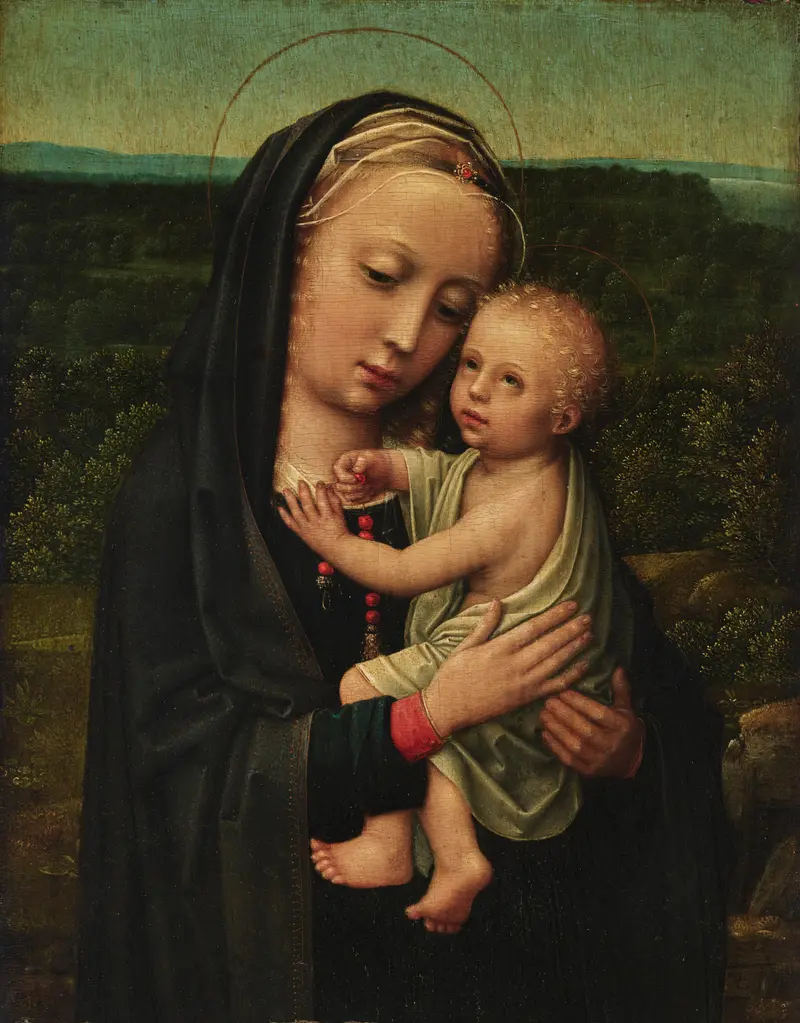
Madonna and Child
Adriaen Isenbrant
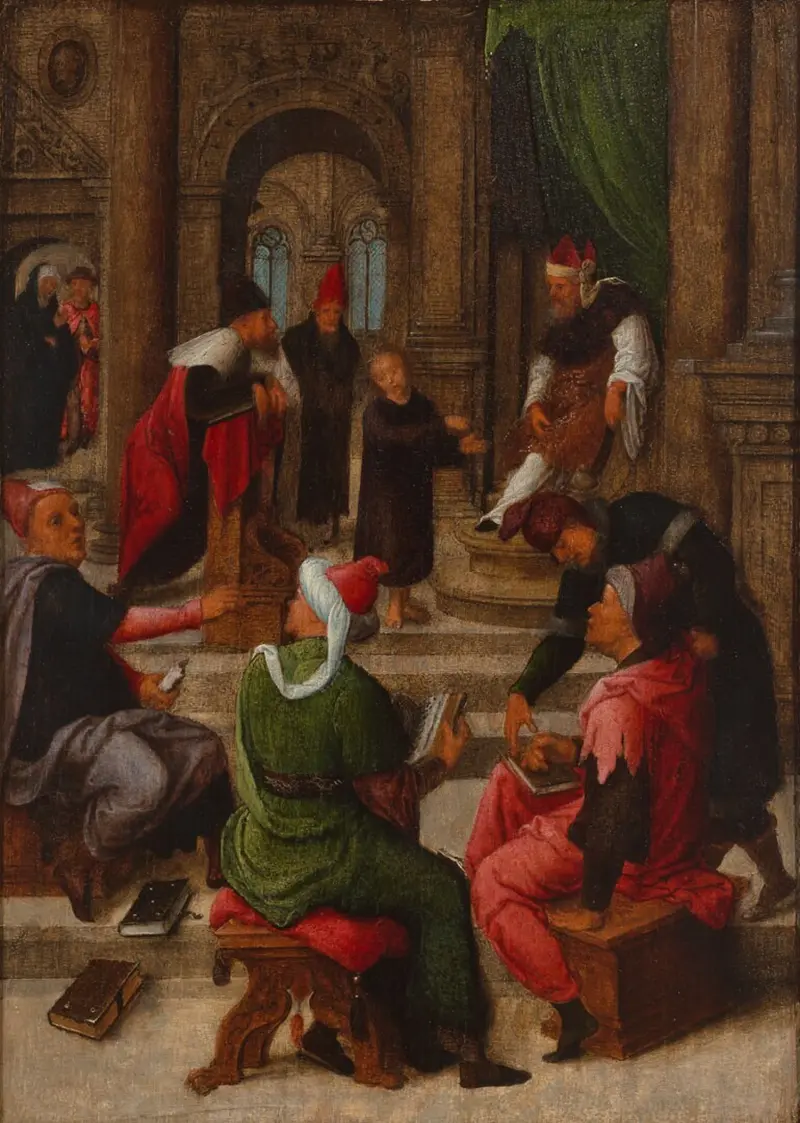
The 12-Year-Old Jesus in the Temple
Adriaen Isenbrant





