
The Lime Burner — History & Facts
Can beauty exist without sorrow? In The Lime Burner, Whistler crafts a poignant reflection that awakens the senses to both the serene and the somber. Focus on the textured interplay of light and shadow, where gentle hues of blue and golden ochre merge, capturing the essence of early morning. Notice how the soft light bathes the figure in the foreground, a solitary lime burner, his posture both relaxed and burdened, embodying the labor of his trade. The ethereal mist rising from the kiln adds an element of mystery, inviting the viewer to step closer and discover the delicate balance of earth and industry. Within this scene lies a profound dichotomy; the tranquil landscape juxtaposed with the toil of labor.
The lime burner, immersed in his work, reflects the weight of human existence against the backdrop of nature’s quiet beauty. Whistler’s subtle brushstrokes evoke an emotional tension, as the viewer is left to ponder the unseen struggles of those laboring in silence, challenging the notion of a purely idyllic life. Painted in 1859, during a period when Whistler was exploring his unique style, The Lime Burner marks a significant moment in his career. Living in London, he was influenced by the aesthetic movement, which sought to elevate everyday subjects to the realm of art.
The work demonstrates his evolving understanding of composition and color, as he captured the essence of contemporary life while hinting at the deeper stories interwoven within the mundane.
More Artworks by James Abbott McNeill Whistler
Browse all →
Nocturne in Blue and Silver
James Abbott McNeill Whistler
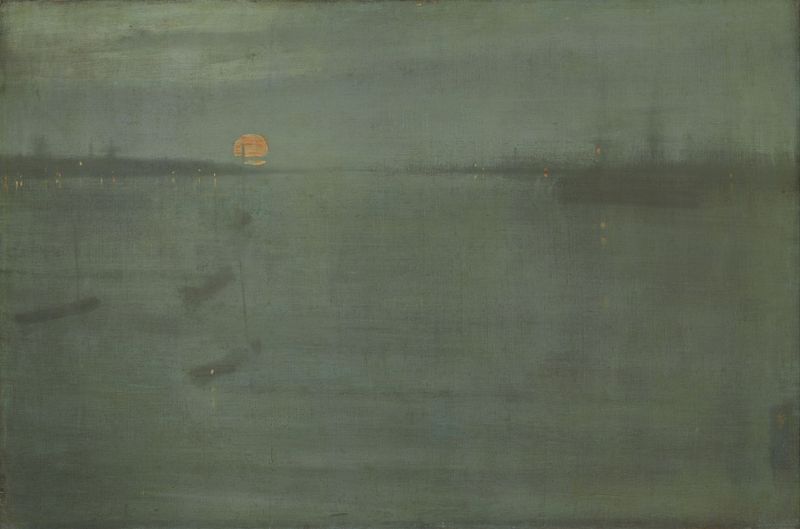
Nocturne: Blue and Gold–Southampton Water
James Abbott McNeill Whistler
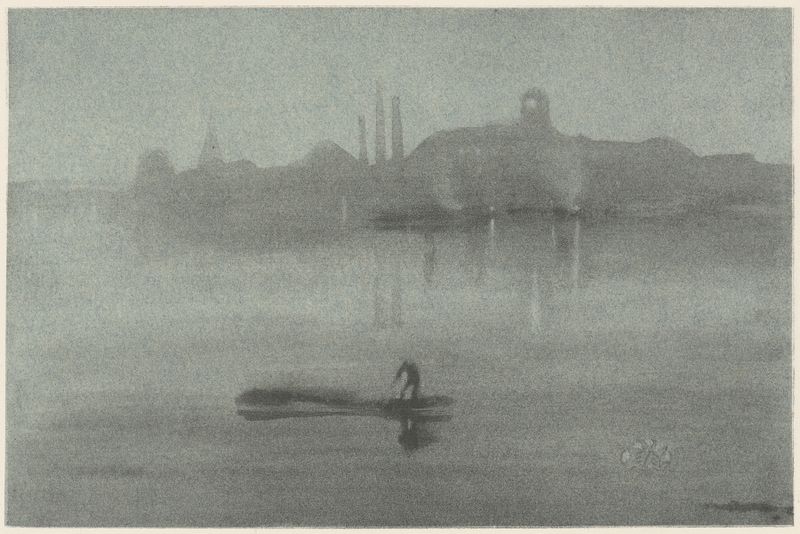
Nocturne
James Abbott McNeill Whistler
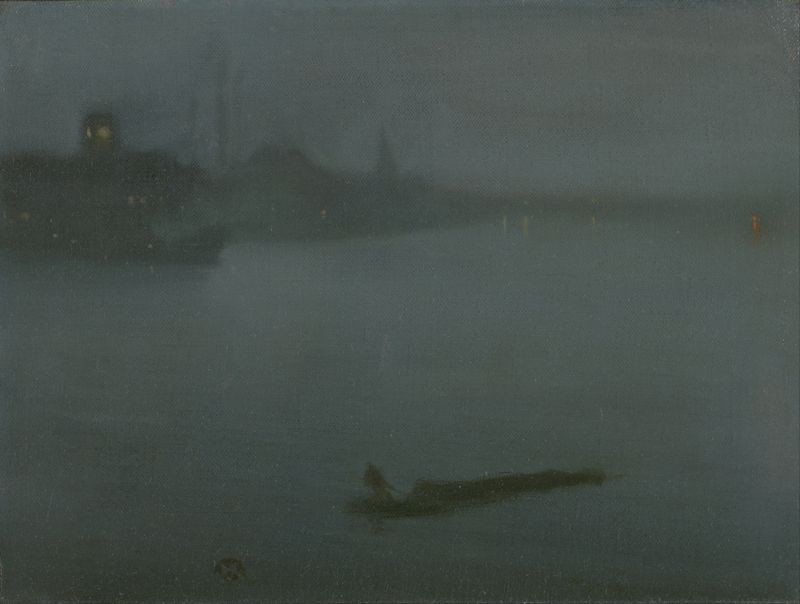
Nocturne in Blue and Silver
James Abbott McNeill Whistler
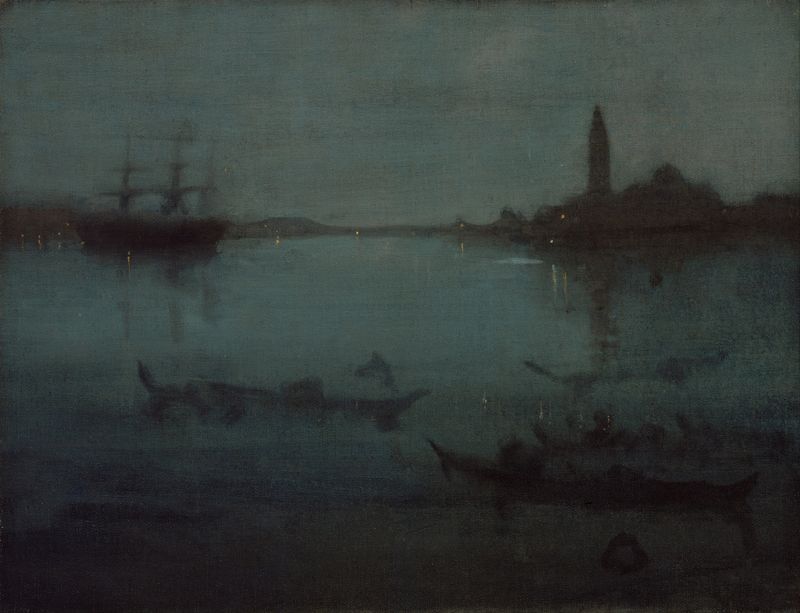
Nocturne in Blue and Silver- The Lagoon, Venice
James Abbott McNeill Whistler
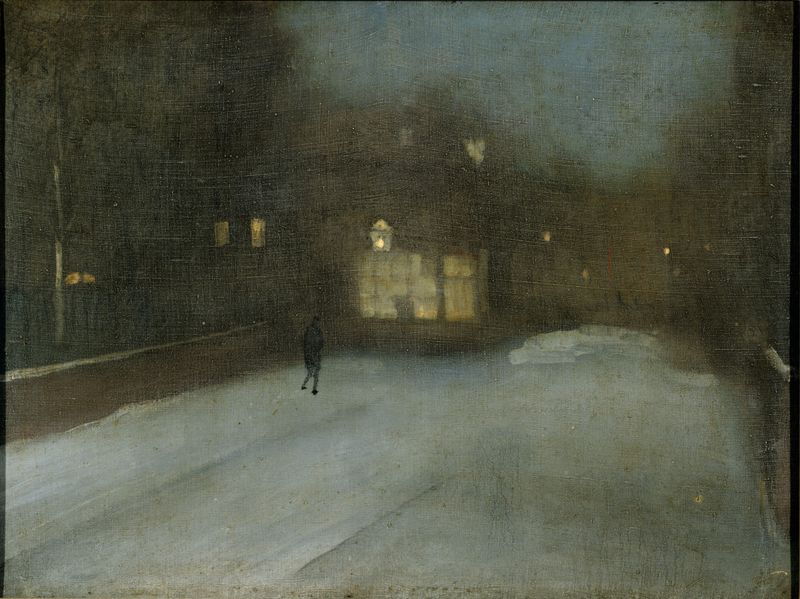
Nocturne in Grey and Gold: Chelsea Snow
James Abbott McNeill Whistler
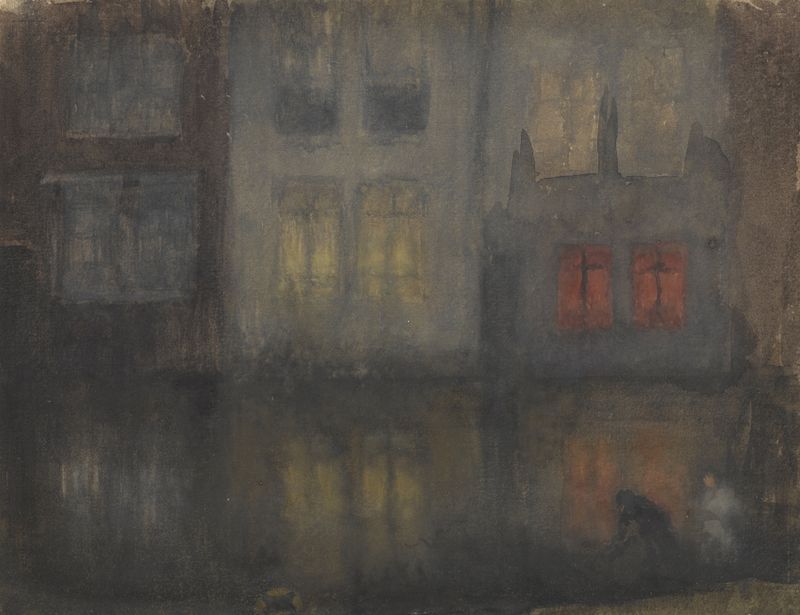
Nocturne: Black and Red—Back Canal, Holland
James Abbott McNeill Whistler
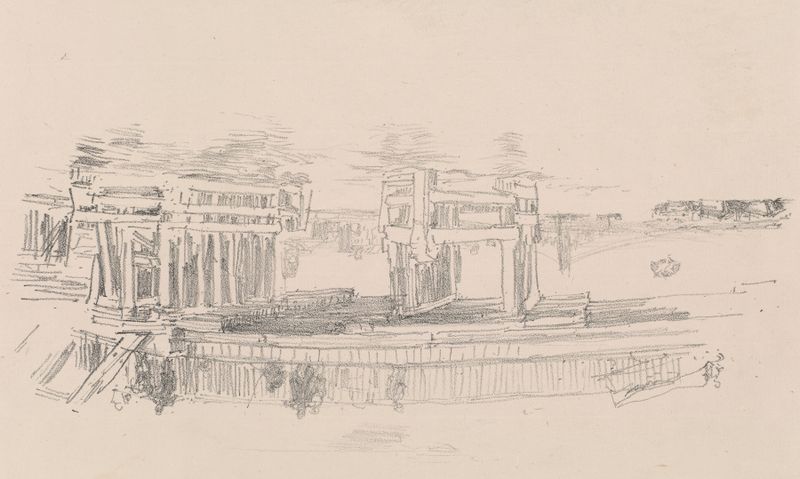
Old Battersea Bridge
James Abbott McNeill Whistler

Nocturne: Blue and Silver–Battersea Reach
James Abbott McNeill Whistler
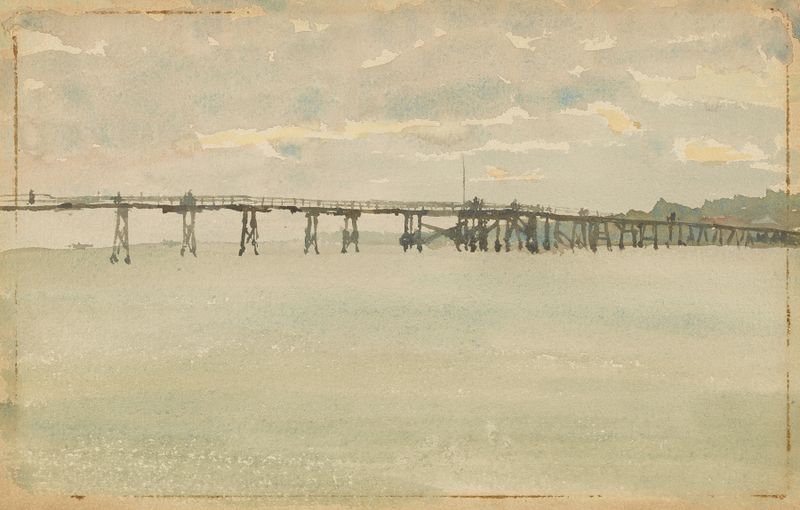
Grey and Silver–Pier, Southend
James Abbott McNeill Whistler





