
The Lime-Burner — History & Facts
Did the painter know this moment would outlive them? In The Lime-Burner, a quiet melancholy envelops the scene, evoking a profound sense of loss that resonates through time. Focus first on the figure in the foreground, semi-obscured by a veil of ethereal gray. The lime-burner, stooped and weary, is framed by the swirling smoke, which dances like specters in the pale light. Notice how Whistler’s delicate brushstrokes blur the boundaries between man and environment, lending an air of mystique to his subject.
The muted palette of ochres and blues creates a haunting atmosphere, suggesting both desolation and the persistence of labor amidst decay. The painting reflects a contrast between human struggle and the relentless march of nature. The lime-burner’s posture hints at both exhaustion and resilience, a poignant reminder of the transient nature of life. Observe the distant horizon, shrouded in haze, symbolizing dreams that remain just out of reach.
Each layer of smoke and shadow carries a whisper of forgotten tales, each stroke a testament to the silent sorrows of existence. Whistler created this work in 1859 while living in Paris, during a time of personal and artistic turmoil. He was influenced by the emerging Impressionist movement, yet sought to carve his own path, blending realism and atmosphere. This period marked a pivotal point in his career, as he grappled with his artistic identity while capturing moments that would transcend his own lifetime.
More Artworks by James Abbott McNeill Whistler
Browse all →
Nocturne in Blue and Silver
James Abbott McNeill Whistler
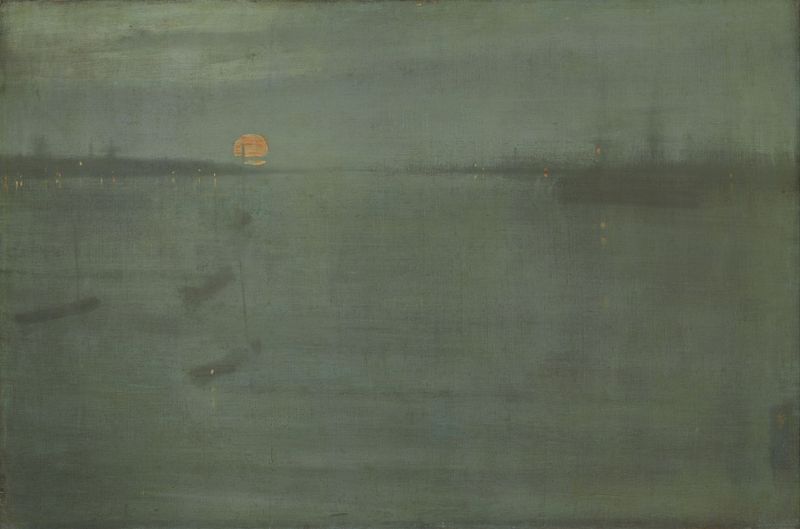
Nocturne: Blue and Gold–Southampton Water
James Abbott McNeill Whistler
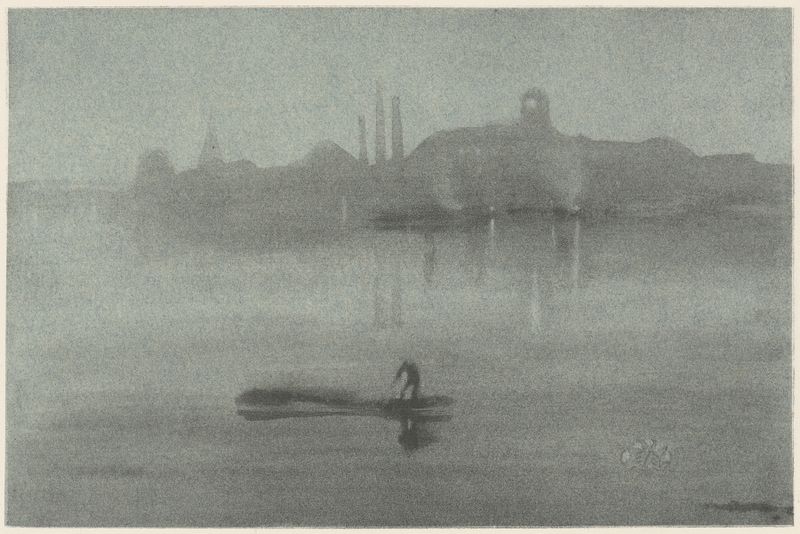
Nocturne
James Abbott McNeill Whistler
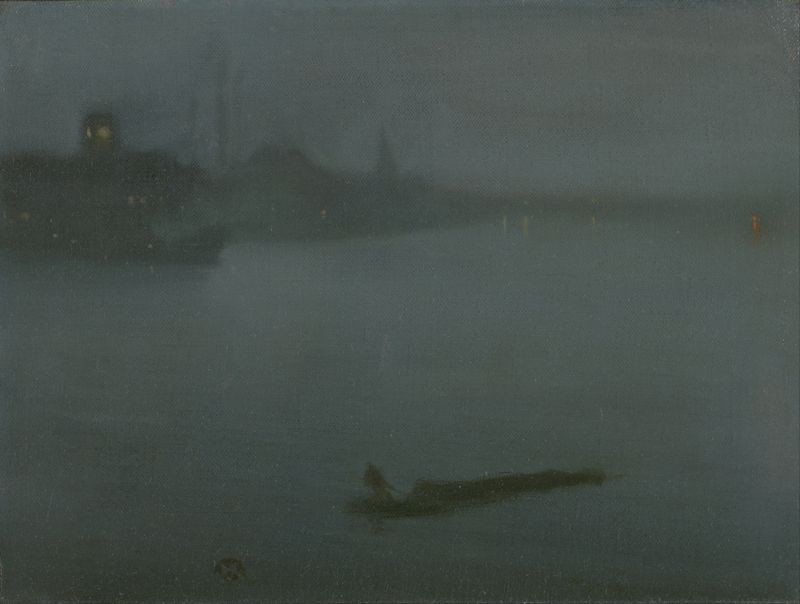
Nocturne in Blue and Silver
James Abbott McNeill Whistler
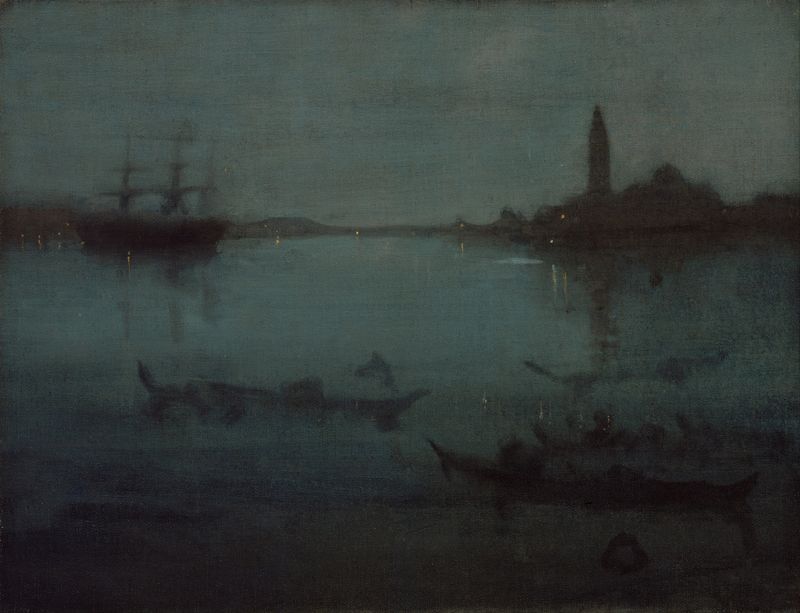
Nocturne in Blue and Silver- The Lagoon, Venice
James Abbott McNeill Whistler
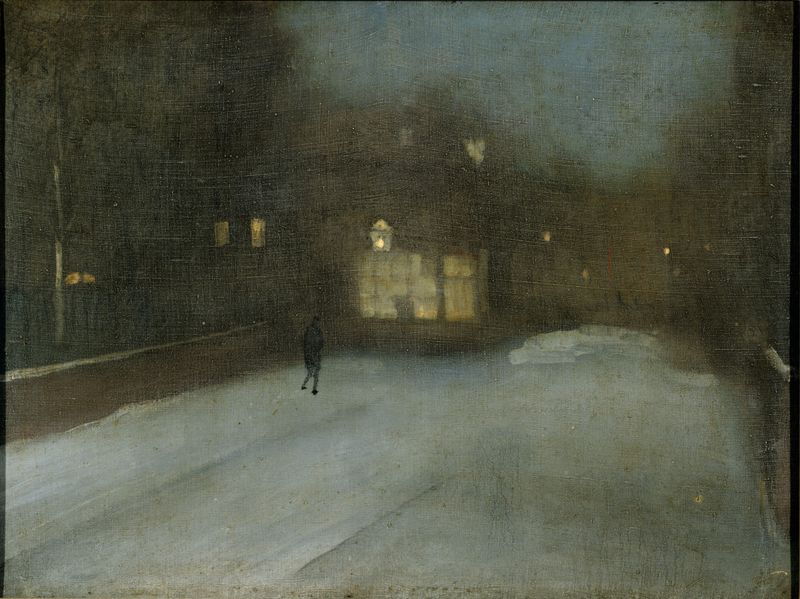
Nocturne in Grey and Gold: Chelsea Snow
James Abbott McNeill Whistler
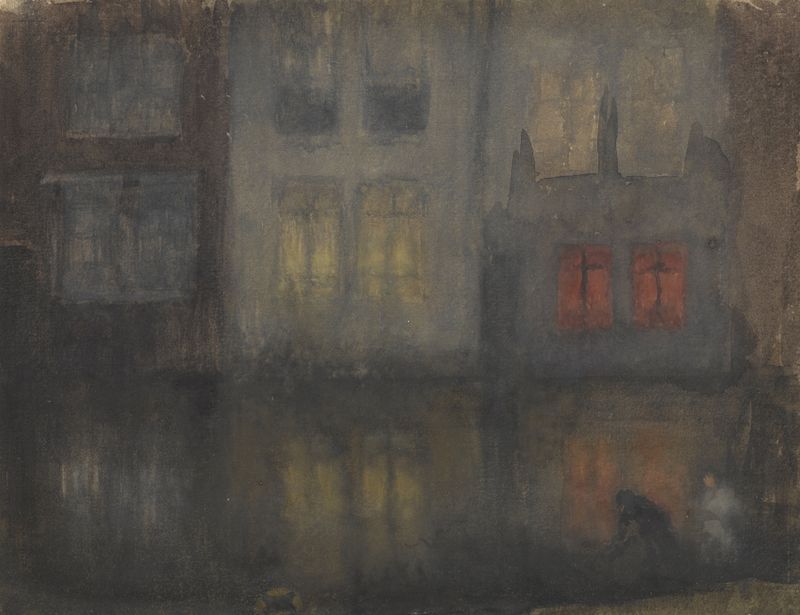
Nocturne: Black and Red—Back Canal, Holland
James Abbott McNeill Whistler
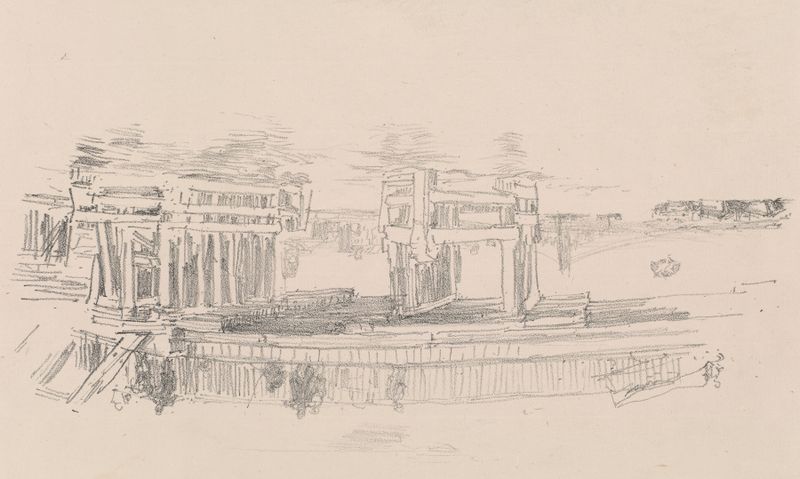
Old Battersea Bridge
James Abbott McNeill Whistler

Nocturne: Blue and Silver–Battersea Reach
James Abbott McNeill Whistler
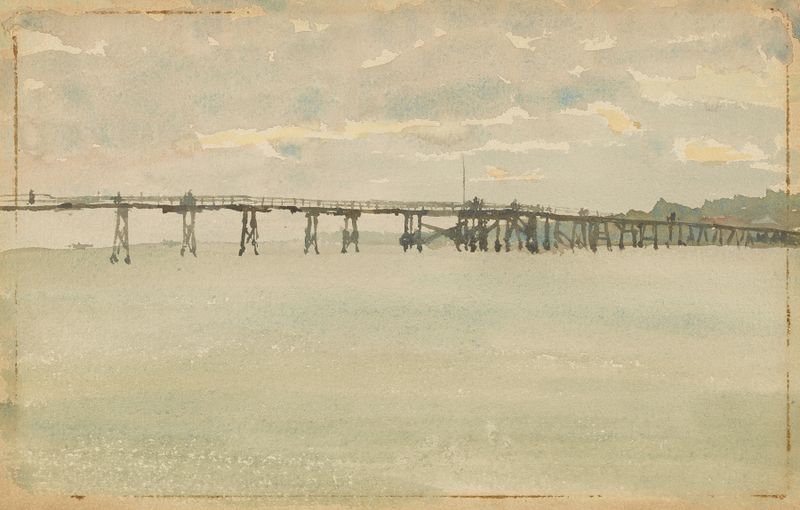
Grey and Silver–Pier, Southend
James Abbott McNeill Whistler





