
The Madonna and Child with Saint Paul and Saint Catherine — History & Facts
No one knows for certain who first gazed upon The Madonna and Child with Saint Paul and Saint Catherine—the painting’s origins remain shrouded in mystery, with neither a documented commission nor a clear date. Yet, what draws scholars and visitors alike is the rare pairing of Saint Paul and Saint Catherine, an unusual assembly in Venetian altarpieces of the late fifteenth and early sixteenth centuries. The work’s attribution to Giovanni Bellini is widely accepted, but its precise place in his long career is still debated, as the painting bears hallmarks of both his mature and later styles.
Its journey through history is further complicated by the lack of early records, leaving us to piece together its story from visual clues and stylistic echoes. At the heart of the painting, the Virgin Mary gently cradles the Christ Child, who turns toward Saint Catherine, identifiable by her martyr’s palm and the spiked wheel at her feet. Saint Paul stands opposite, his robust figure gripping a sword and a weighty book, symbols of his martyrdom and epistles. Bellini captures a moment of serene communion: the Child’s hand reaches toward Catherine, suggesting spiritual kinship, while Paul’s gaze anchors the composition with gravity.
The soft, golden light and tranquil landscape beyond recall Bellini’s earlier San Zaccaria Altarpiece, yet here the saints’ intimacy with the Virgin brings the divine closer to the viewer, a hallmark of Venetian devotional painting. The painting’s physical history is as elusive as its origins. Without surviving contracts or inventories, it is likely that The Madonna and Child with Saint Paul and Saint Catherine was created for private devotion or a small chapel, reflecting the Venetian taste for sacred conversation scenes. Over centuries, the work has passed quietly through collections, its attribution to Bellini occasionally questioned but generally upheld due to the painter’s distinctive handling of color and atmosphere.
Today, it stands as a testament to Bellini’s enduring influence on Venetian art and his ability to imbue familiar religious subjects with new warmth and humanity, even as the specifics of its early life remain a matter of scholarly pursuit.
More Artworks by Giovanni Bellini
The Feast of the Gods
Giovanni Bellini

Madonna and Child enthroned with Saints and Angels
Giovanni Bellini
Madonna and Child between Saints Catherine and Mary Magdalene
Giovanni Bellini
Lamentation over the Dead Christ
Giovanni Bellini
Annunciation
Giovanni Bellini
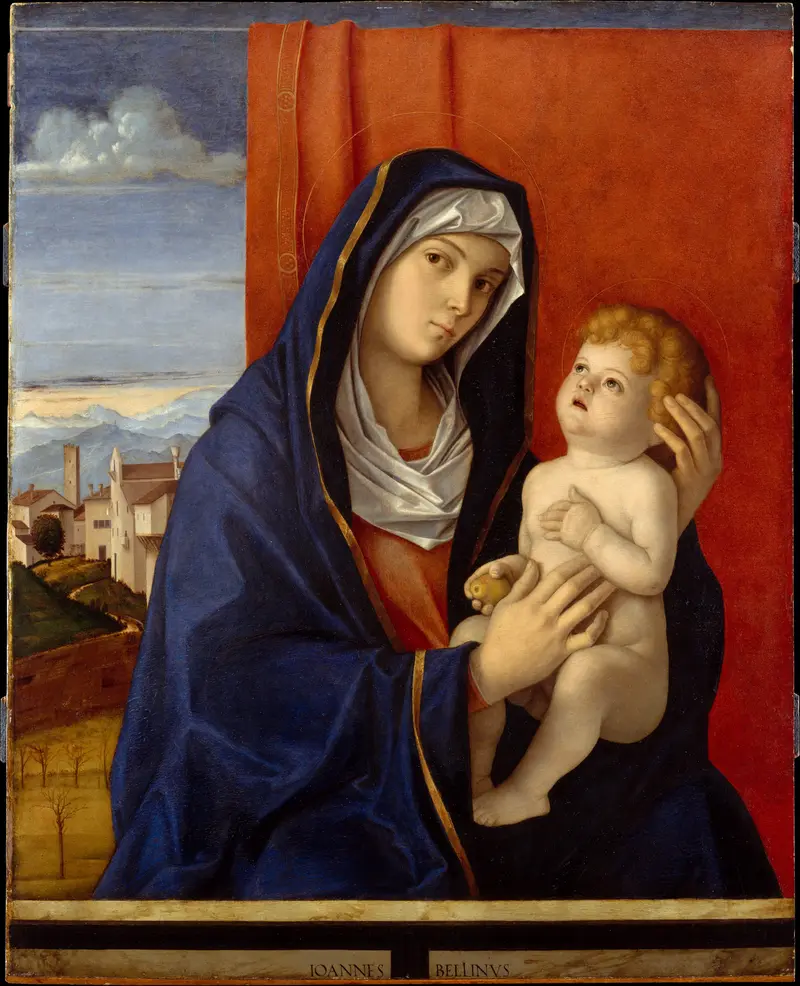
Madonna and Child
Giovanni Bellini
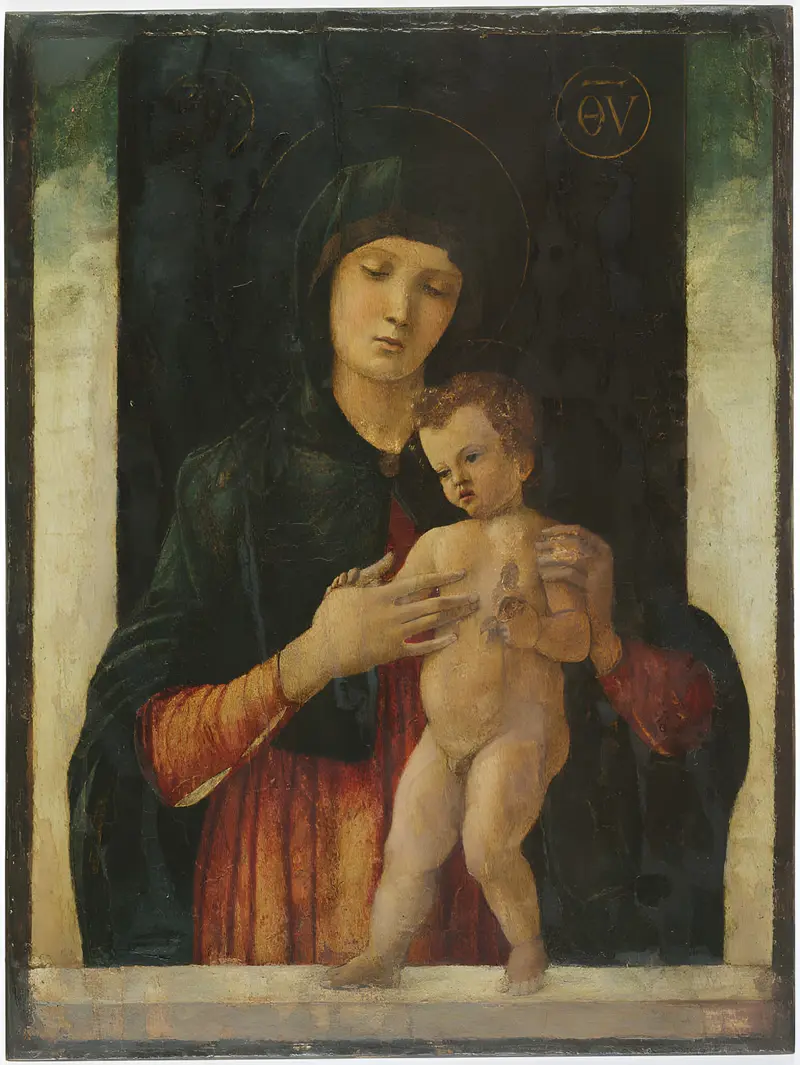
The Virgin and Child
Giovanni Bellini
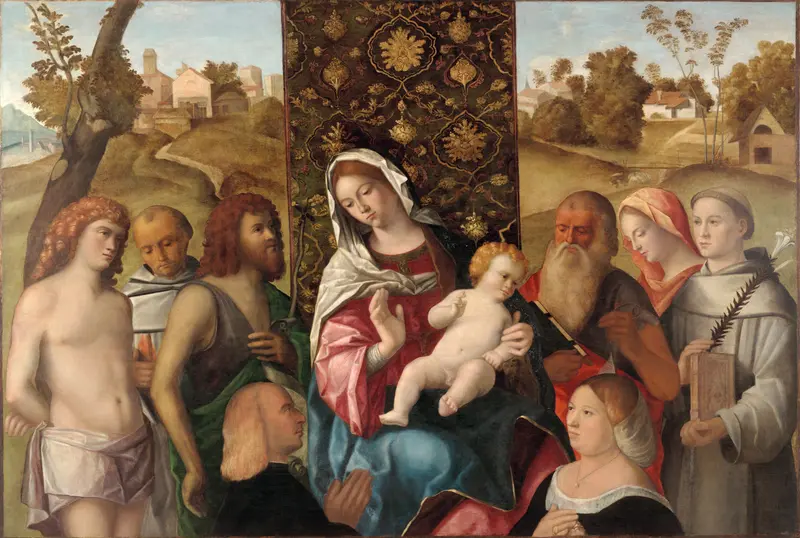
Virgin and Child with Saints Sebastian, Francis, John the Baptist, Jerome, an unidentified female saint, Saint Anthony of Padua and two donors
Giovanni Bellini
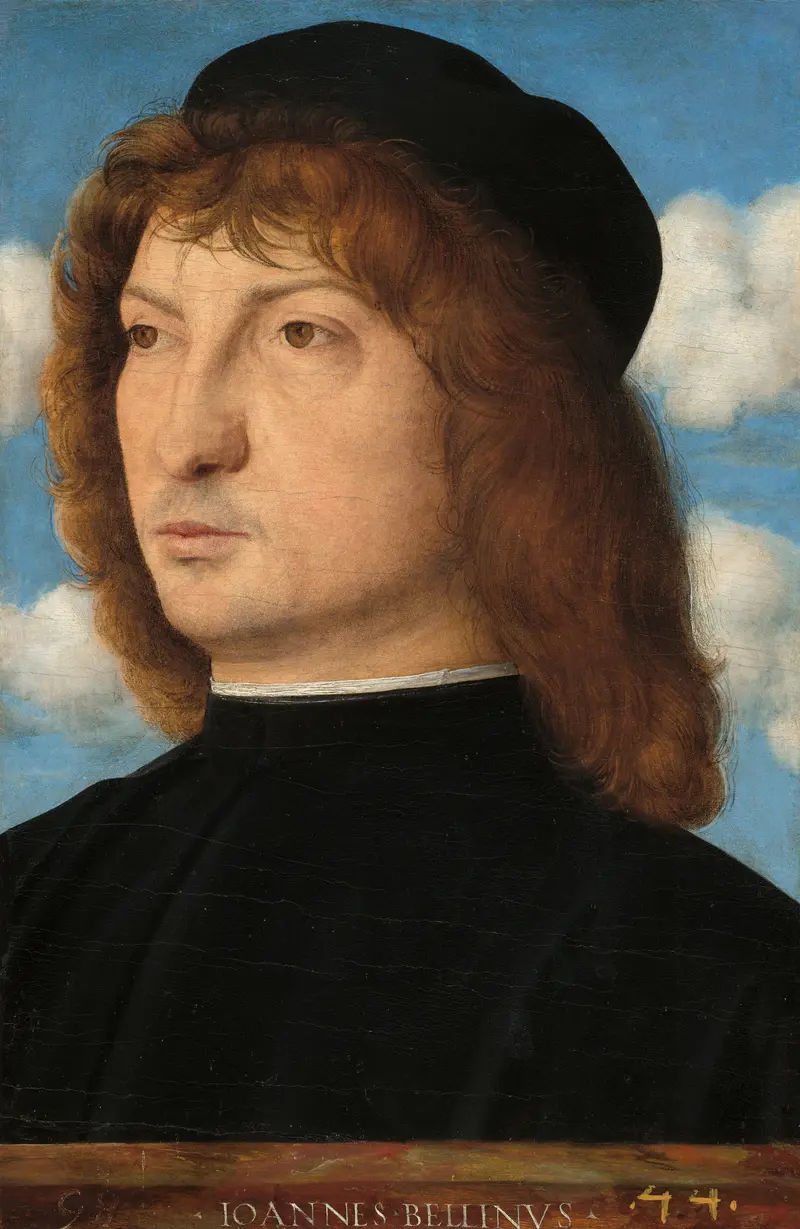
Portrait of a Venetian Gentleman
Giovanni Bellini
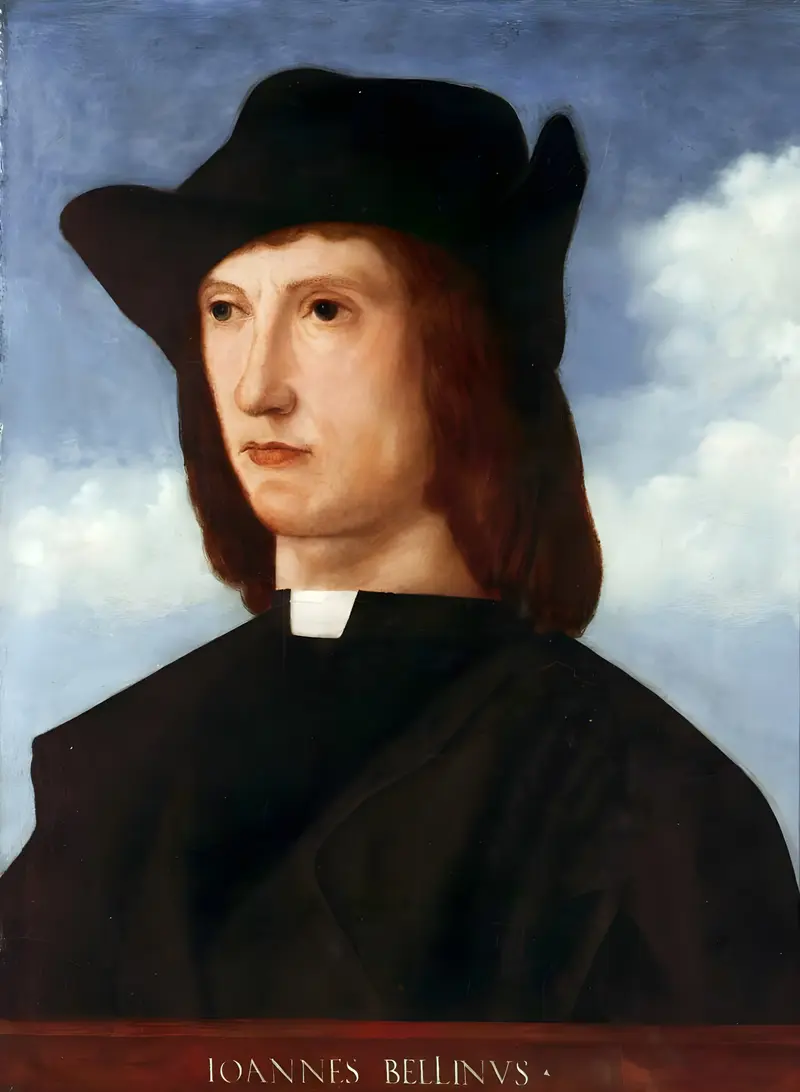
Portrait of a Young Man
Giovanni Bellini





