
The Madonna in the Church — History & Facts
No other painting by Jan van Eyck has sparked as much debate over its meaning and function as The Madonna in the Church. Scholars have long puzzled over whether this small, jewel-like panel was intended for private devotion, a church altar, or even as part of a diptych. Its astonishing detail and the way it blurs the line between the sacred and the real have led some to call it a "miracle in paint." The artwork’s exact date and purpose remain uncertain, adding to its enduring mystery. At the heart of the scene, the Virgin Mary stands serenely within the soaring nave of a Gothic cathedral, her monumental figure dwarfing the architecture around her.
She holds the Christ Child, who reaches out in a gesture of blessing, while rays of light pour through the stained glass, illuminating her blue robe and the golden embroidery at its hem. The church interior is rendered with meticulous precision, from the carved choir stalls to the flickering candles, suggesting the presence of the divine within the everyday. Unlike earlier depictions, such as The Virgin of Paris, where Mary is enthroned, van Eyck places her directly in the nave, merging her with the very fabric of the church—an embodiment of the idea that she is the living temple of God. The provenance of The Madonna in the Church is shrouded in uncertainty, with no surviving records of its original commission or early ownership.
It resurfaced in the 19th century and entered the collection of the Berlin State Museums, where it remains today. The painting’s extraordinary technique—layer upon layer of translucent glazes, minute brushwork—marks it as a high point in Jan van Eyck's career and a landmark of the Northern Renaissance. Though its medium is still debated, with some suggesting oil on panel, the painting’s luminous quality has cemented van Eyck’s reputation as a pioneer of oil painting.
Its intimacy and scale suggest it was meant for close, personal contemplation, inviting viewers across the centuries into its quiet, radiant world.
More Artworks by Jan van Eyck

Adam
Jan van Eyck
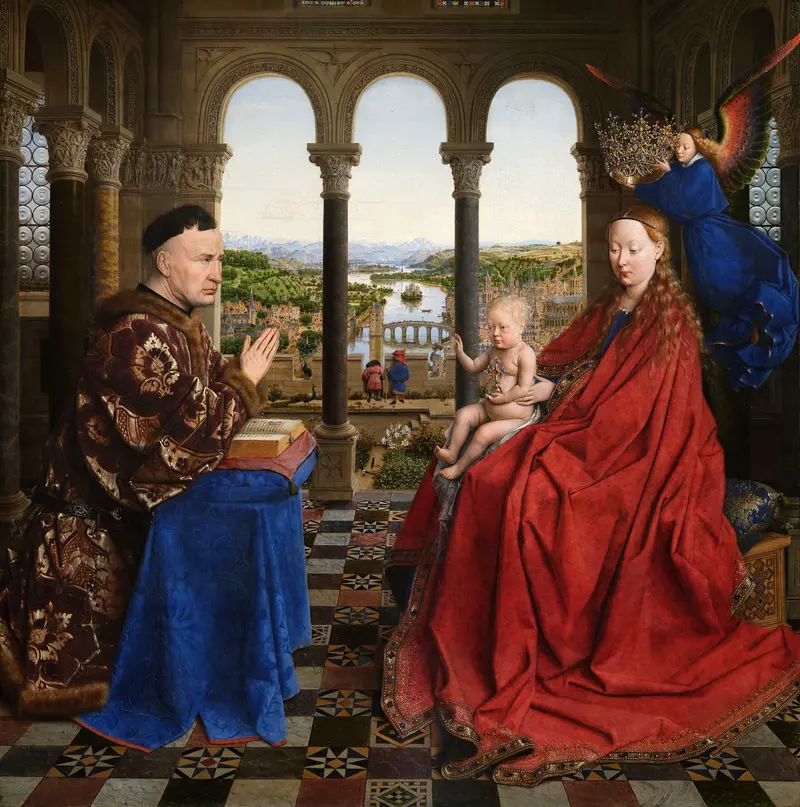
Madonna of Chancellor Rolin
Jan van Eyck
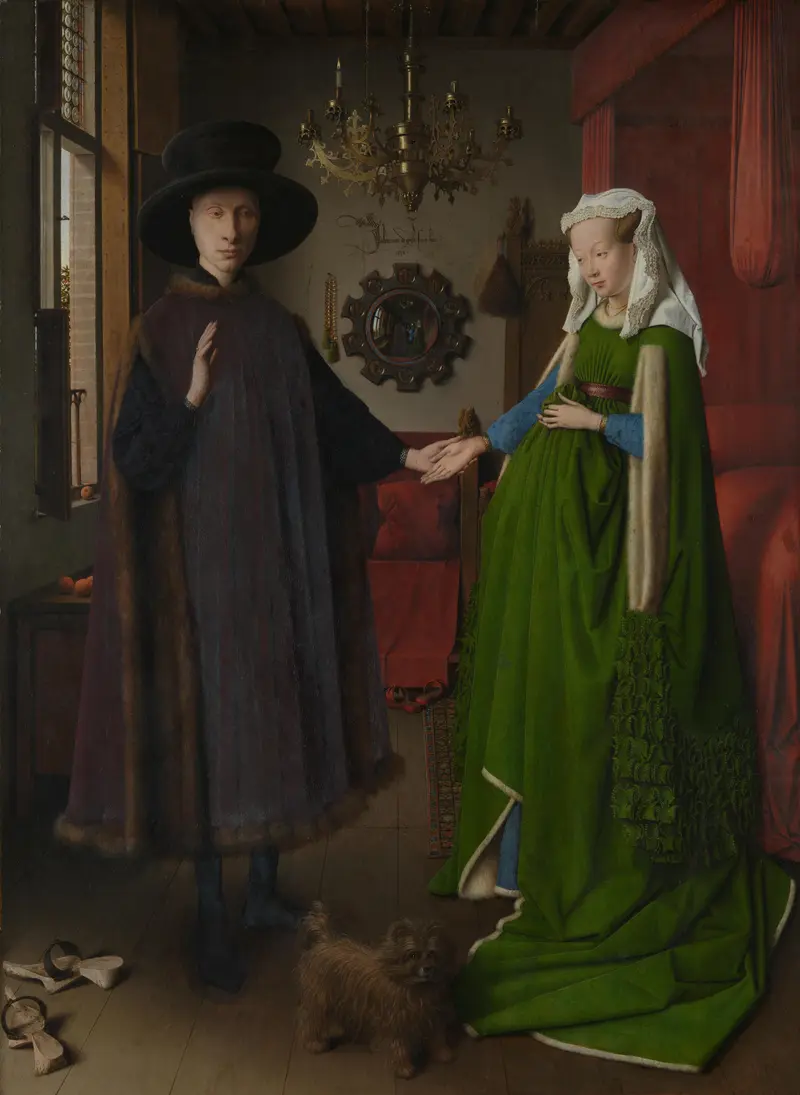
The Arnolfini Portrait
Jan van Eyck
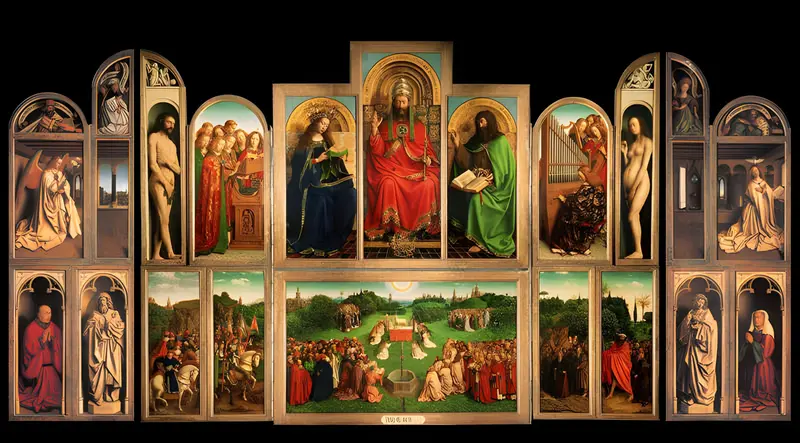
Ghent Altarpiece
Jan van Eyck

Dresden Triptych
Jan van Eyck
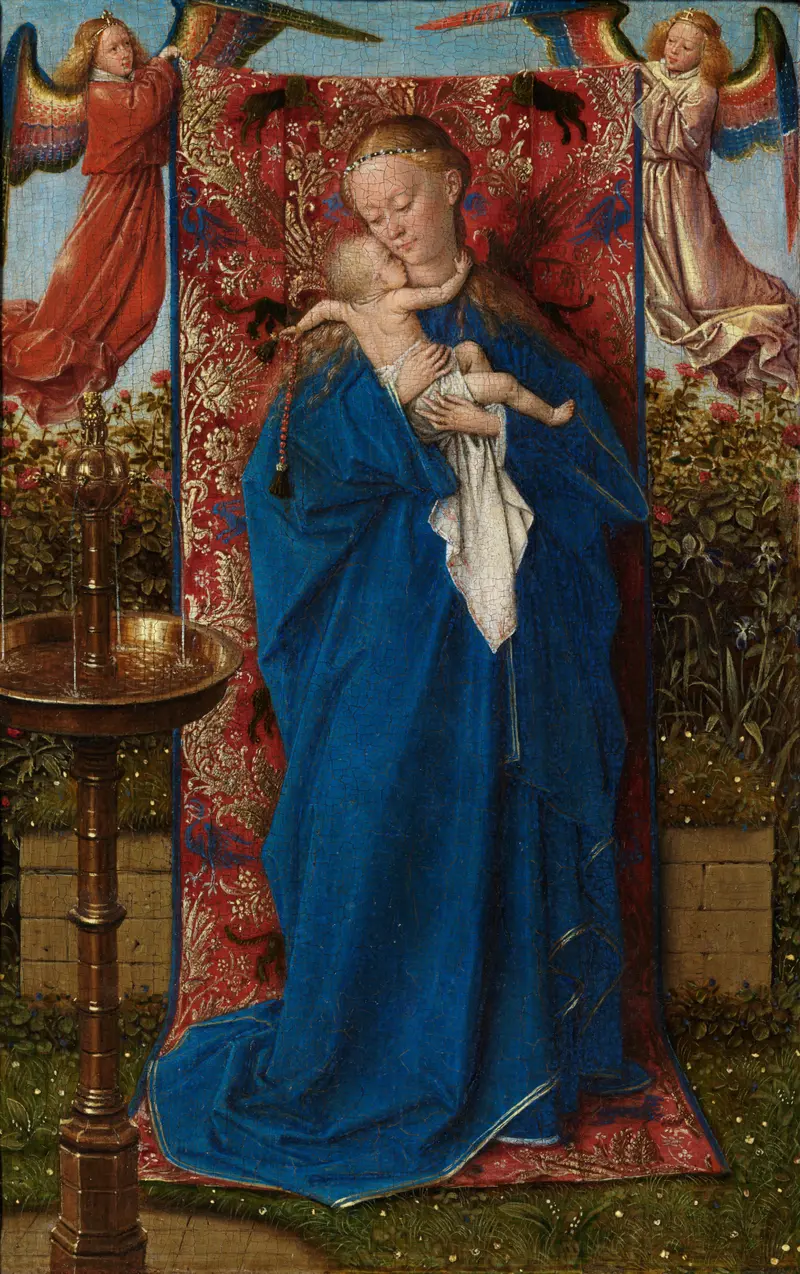
Madonna at the Fountain
Jan van Eyck

Madonna with Canon Joris van der Paele
Jan van Eyck

Prophet Zacharias; Angel of The Annunciation
Jan van Eyck
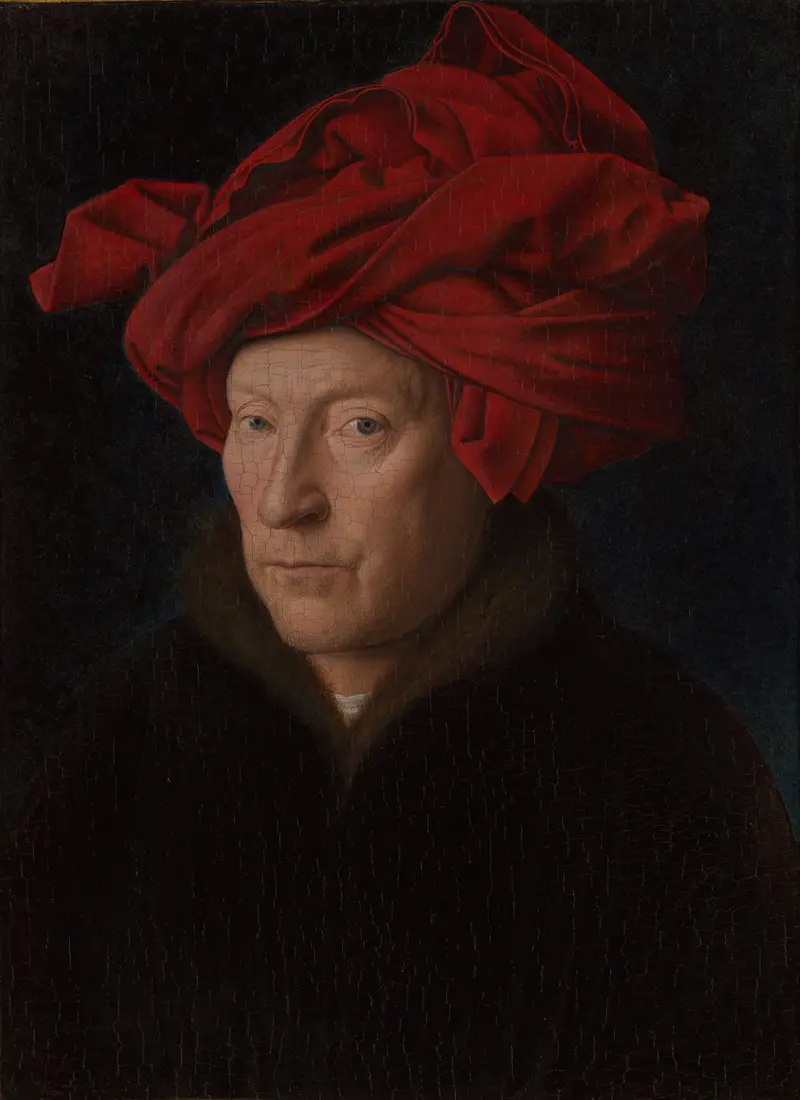
Portrait of a Man (Self Portrait?)
Jan van Eyck
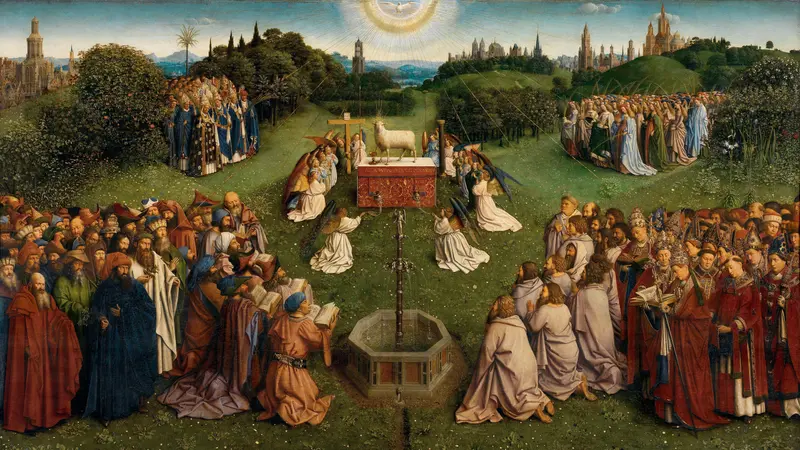
Adoration of the Lamb from the Ghent Altarpiece
Jan van Eyck





