
The Marine Painter — History & Facts
In The Marine Painter, the ephemeral nature of life and art intertwines, inviting viewers to contemplate their own existence through the lens of creativity. Look to the left, where the figure of the painter stands, poised with his easel against a turbulent sea. The vibrant blues and greens of the water contrast with the muted earth tones of the painter’s attire, illustrating the dichotomy between man and nature. Notice how the frothy waves curl around the rocks, each brushstroke pulsating with energy, reflecting both the majesty and terror of the ocean.
The sky overhead is a dynamic mix of grays and whites, as if hinting at the storm brewing not just in the atmosphere but within the artist himself. Buhot’s work captures the tension between creation and destruction, a dance of mortality that resonates through the churning waters. The painter, immersed in his craft, is both a part of and apart from the wildness of the sea, embodying the struggle of capturing beauty while confronting the impermanence of life. The distant horizon, blurred and uncertain, symbolizes the unknown future, while the ferocity of the waves speaks to the tumult of emotions inherent in artistic endeavor. Félix Hilaire Buhot created The Marine Painter during a prolific period between 1860 and 1898, while living in France.
This was a time marked by rapid advancements in artistic techniques and a growing fascination with the natural world, yet Buhot faced personal challenges that shaped his perception of art and existence. Influenced by the Impressionist movement, he sought to convey the sublime beauty of nature while grappling with themes of mortality and the fleeting essence of life—an enduring legacy that continues to resonate today.
More Artworks by Félix Hilaire Buhot
Browse all →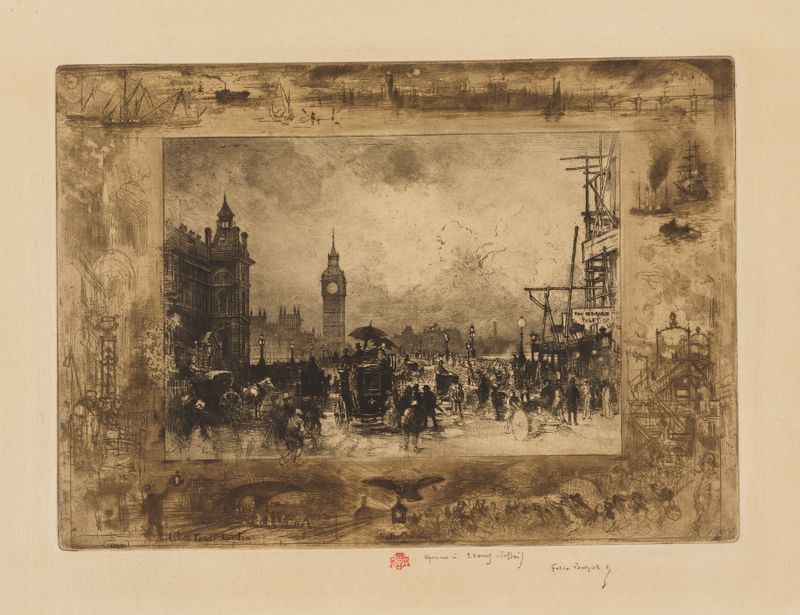
Westminster Bridge, or Westminster Clock Tower
Félix Hilaire Buhot
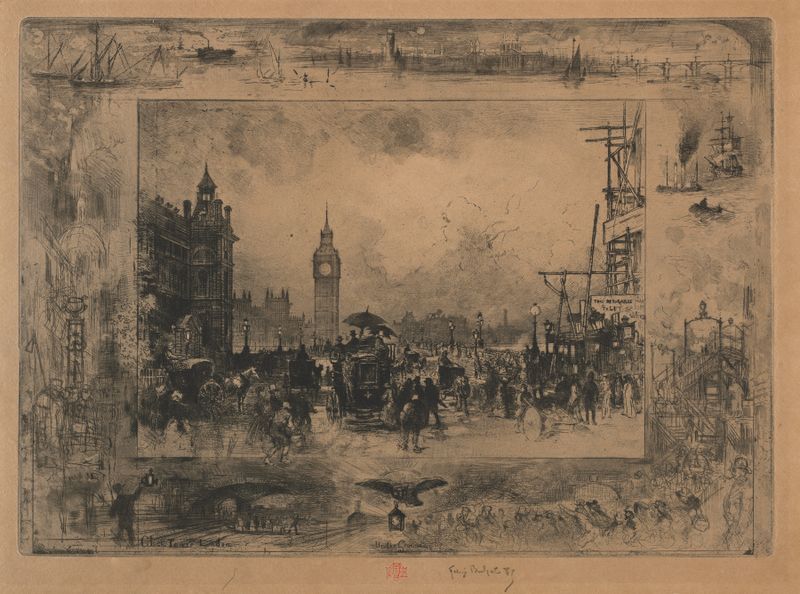
Westminster Bridge, or Westminster Tower
Félix Hilaire Buhot
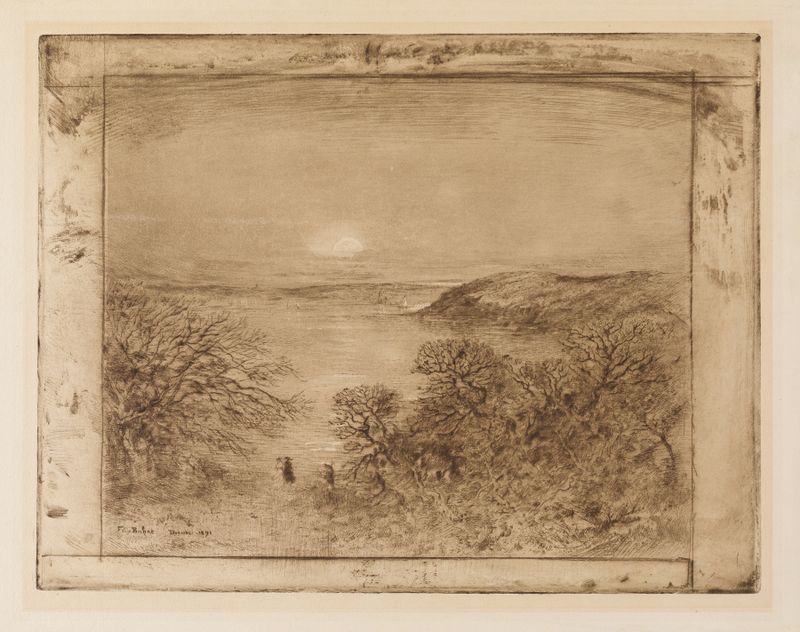
Moonrise at Dinard
Félix Hilaire Buhot
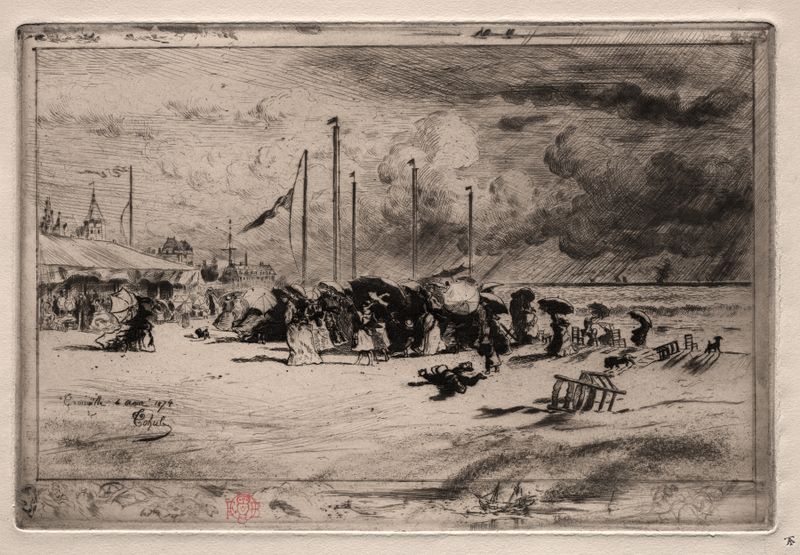
A Squall at Trouville
Félix Hilaire Buhot
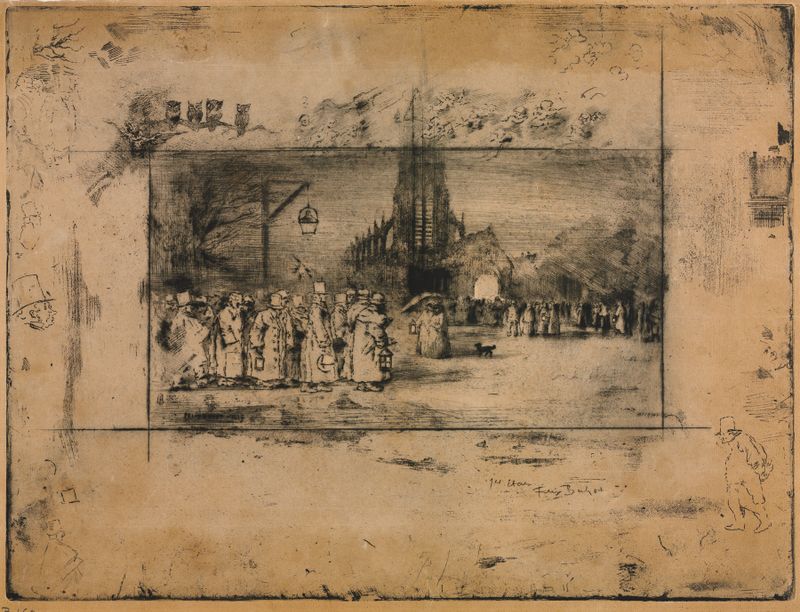
The Midnight Mass
Félix Hilaire Buhot
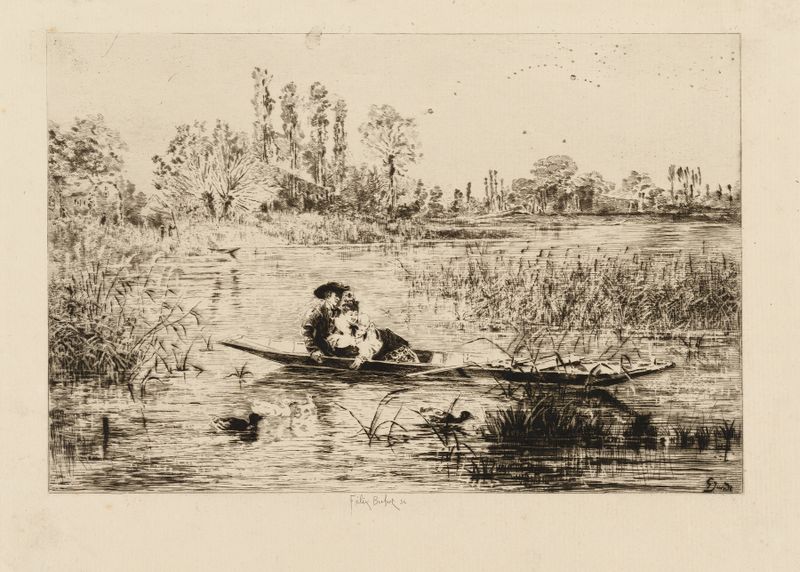
On the Thread of the Water
Félix Hilaire Buhot
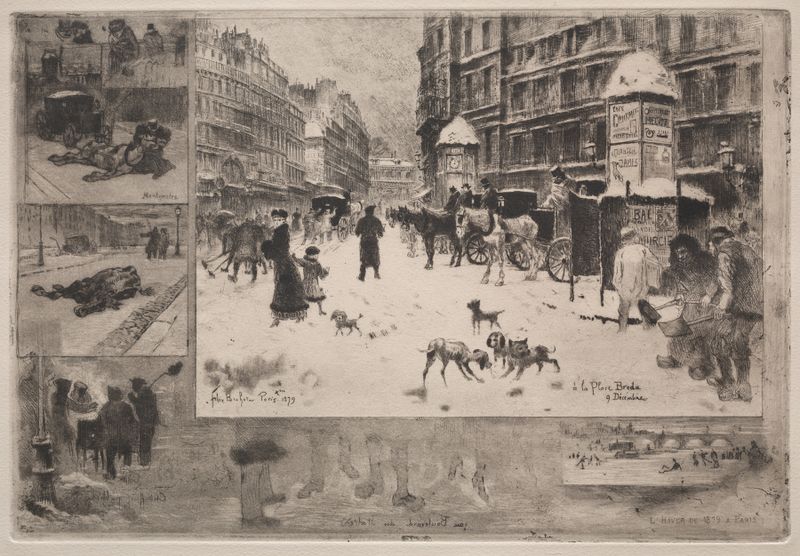
Winter in Paris
Félix Hilaire Buhot
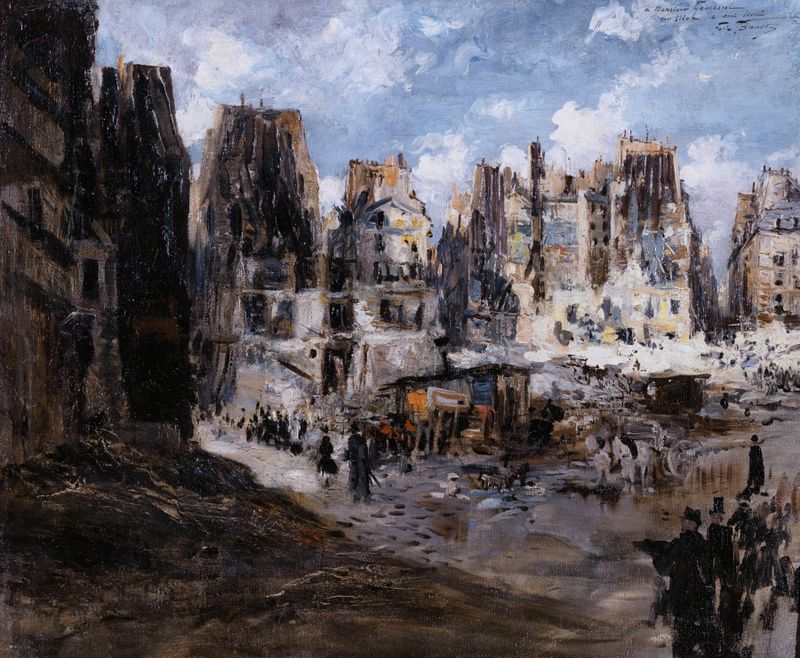
Le percement de l’avenue de l’Opéra.
Félix Hilaire Buhot
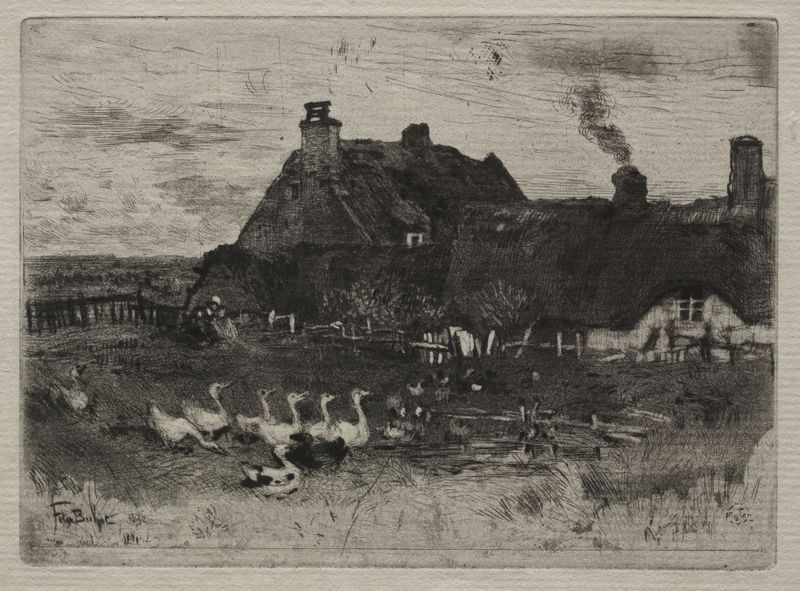
Thatched Cottages
Félix Hilaire Buhot
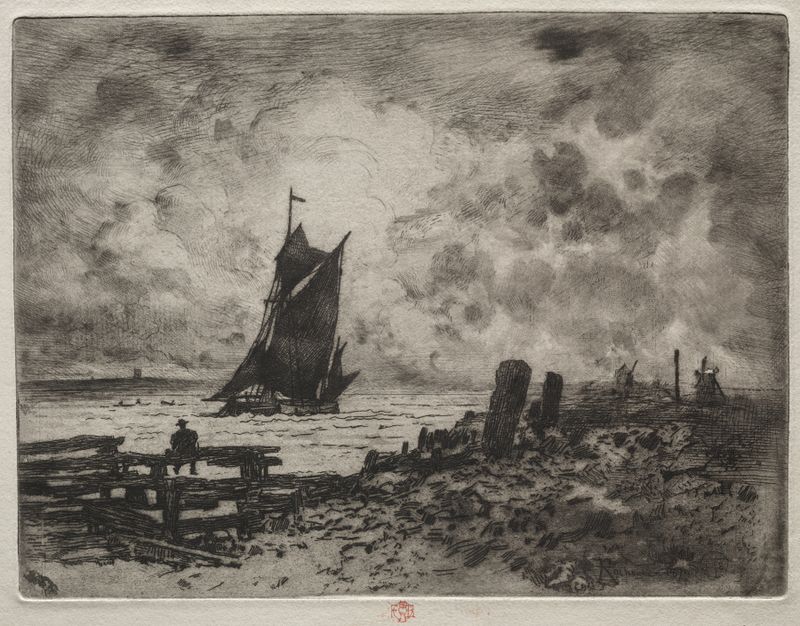
The Little Marine; Souvenir of Medway
Félix Hilaire Buhot





