
The Market Place, Vitre — History & Facts
In the stillness of James Abbott McNeill Whistler’s The Market Place, Vitre, the legacy of a moment lingers, suspended in time. The artistry invites us to ponder how the past and present converge, crafting a narrative that resonates through the generations. Look to the center of the canvas, where figures bustle under a canopy of vibrant colors. Notice how the soft interplay of light and shadow caresses the cobblestone streets, illuminating the quaint architecture that surrounds this lively market scene.
Whistler employs a delicate palette of earth tones punctuated by bursts of red and blue, guiding the eye to the heart of the market while evoking a sense of warmth and community. Yet, beneath this lively exterior lies a deeper commentary on the passage of time. The juxtaposition of the dynamic market activity against the stillness of the architecture suggests a fleeting moment caught between the mundane and the timeless. The positioning of the figures—some animated and others absorbed in their own thoughts—hints at both connection and isolation, reflecting the complexity of human interactions in shared spaces.
Here, each detail becomes a microcosm of life’s vibrancy, yet also a reminder of its impermanence. Created in 1893, during Whistler's years in France, The Market Place, Vitre captures his exploration of color and light at a pivotal time in art history. The Impressionist movement was gaining momentum, embracing modern life and everyday scenes. Amidst the rapidly changing world, Whistler's canvas emerges as a testament to his quest for beauty and permanence, carefully weaving the essence of a market into the fabric of memory.
More Artworks by James Abbott McNeill Whistler
Browse all →
Nocturne in Blue and Silver
James Abbott McNeill Whistler
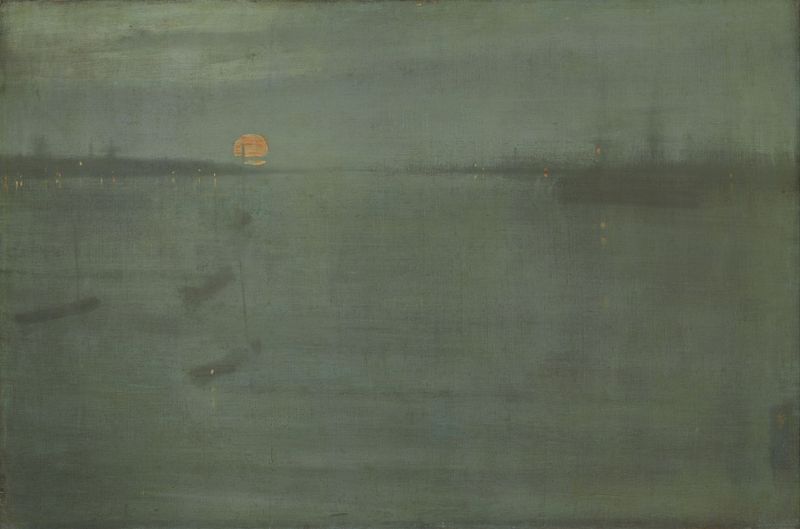
Nocturne: Blue and Gold–Southampton Water
James Abbott McNeill Whistler
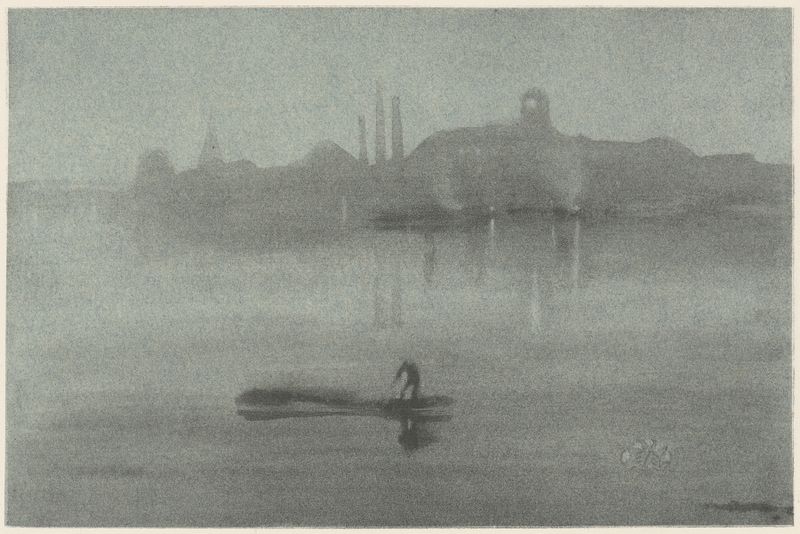
Nocturne
James Abbott McNeill Whistler
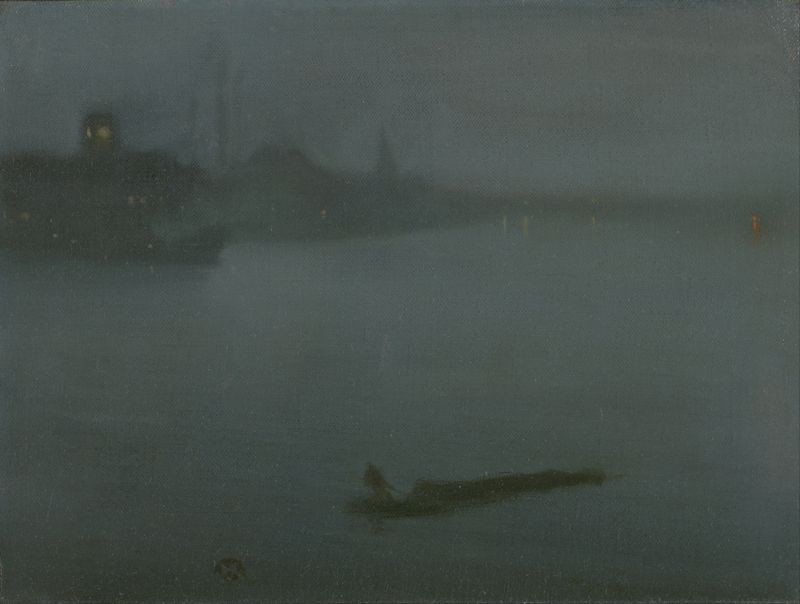
Nocturne in Blue and Silver
James Abbott McNeill Whistler
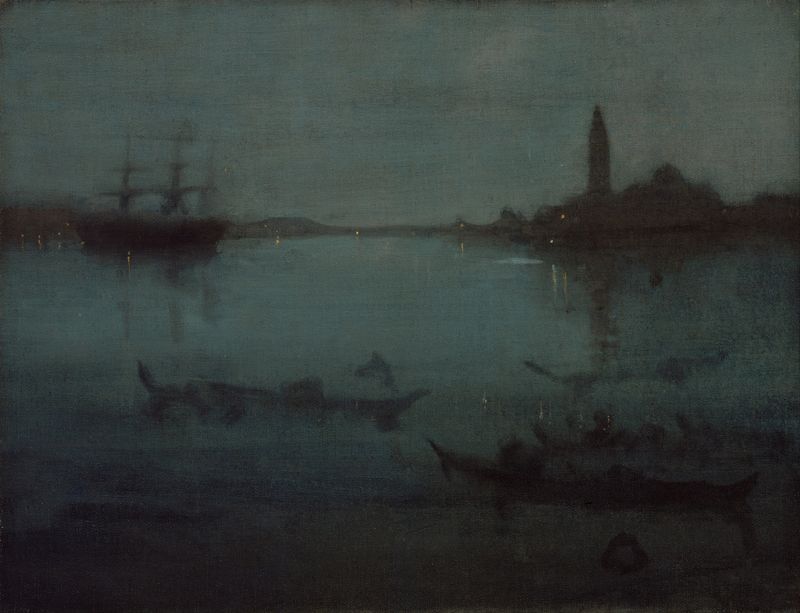
Nocturne in Blue and Silver- The Lagoon, Venice
James Abbott McNeill Whistler
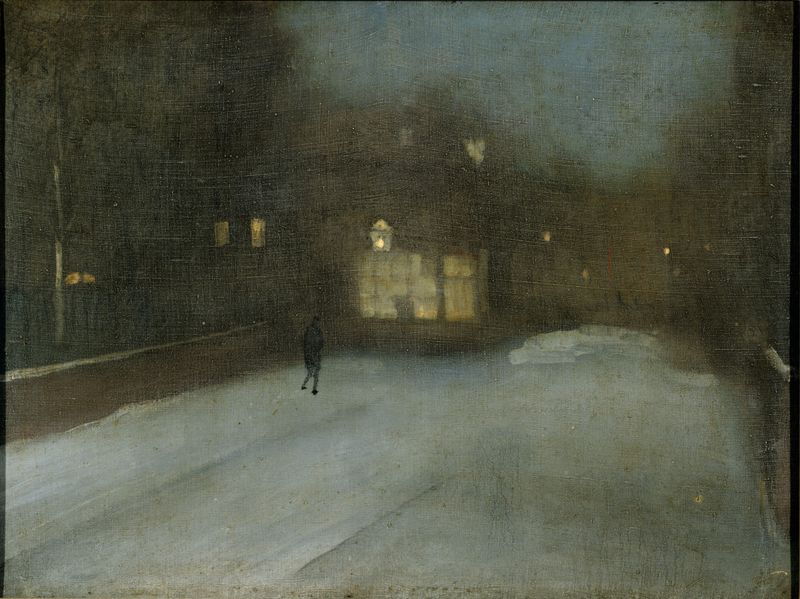
Nocturne in Grey and Gold: Chelsea Snow
James Abbott McNeill Whistler
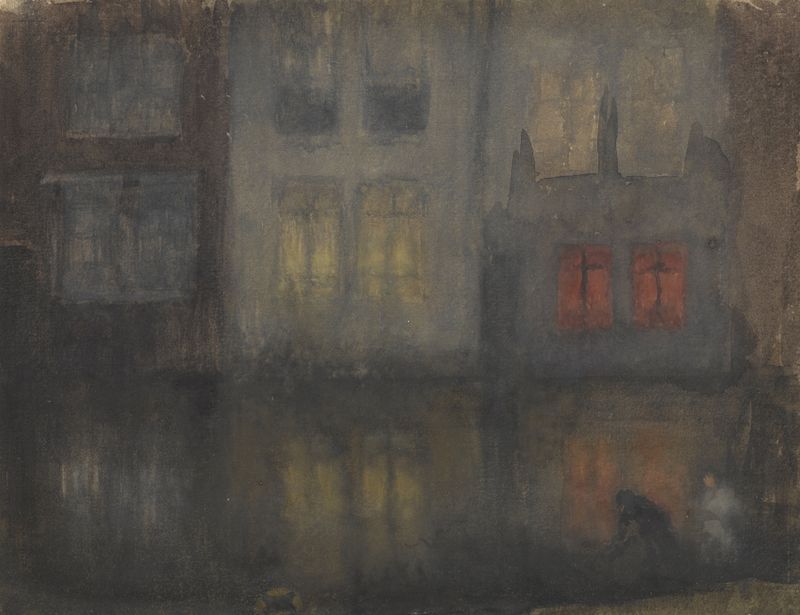
Nocturne: Black and Red—Back Canal, Holland
James Abbott McNeill Whistler
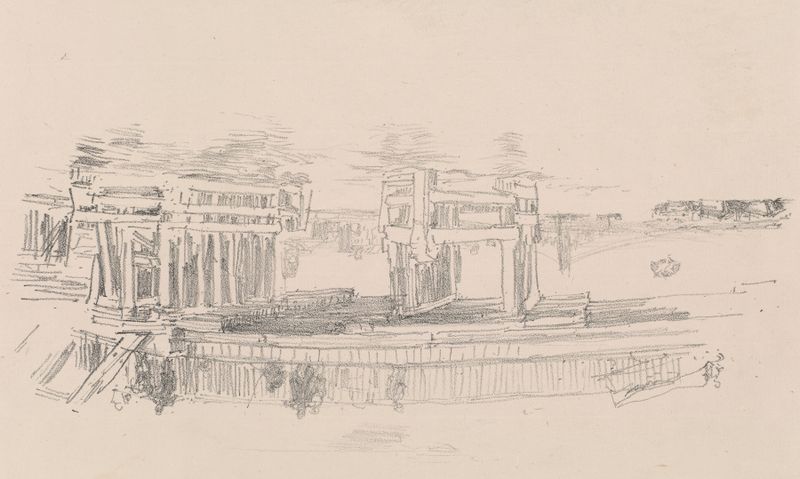
Old Battersea Bridge
James Abbott McNeill Whistler

Nocturne: Blue and Silver–Battersea Reach
James Abbott McNeill Whistler
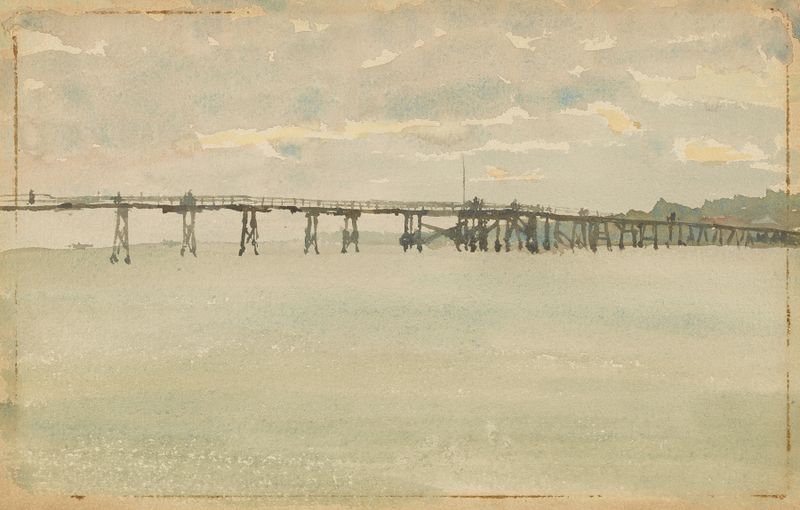
Grey and Silver–Pier, Southend
James Abbott McNeill Whistler





