
The Marsh — History & Facts
Where does light end, and longing begin? In the quiet expanse of nature, solitude whispers through the air, beckoning us to explore its tender depths. Look to the foreground, where a gentle ripple of water reflects the soft hues of twilight. Notice how the artist's brushwork captures the delicate interplay between the marshy ground and the shimmering surface, inviting you to step closer. The muted greens and blues evoke a serene yet melancholic mood, while the subtle highlights illuminate patches of reeds that bend gracefully, as if in conversation with the breeze. As you journey deeper into the painting, the contrast between the illuminated sky and the shadowy water reveals a narrative of isolation.
The solitary figure in the distance, standing amid the reeds, evokes a profound sense of loneliness, as if they are searching for connection in a vast, indifferent landscape. The stillness of the scene accentuates this emotional tension, capturing a fleeting moment where nature reflects the inner world of the soul. In 1871, Daubigny painted The Marsh while residing in rural France, a time when he was deeply engaged with the Barbizon School's focus on naturalism. The art world was evolving, shifting towards capturing the essence of everyday life and the sublime beauty of nature.
At this moment, Daubigny channeled his experiences and the surrounding landscapes, cementing his role as a significant figure in the transition to Impressionism.
More Artworks by Charles François Daubigny
Browse all →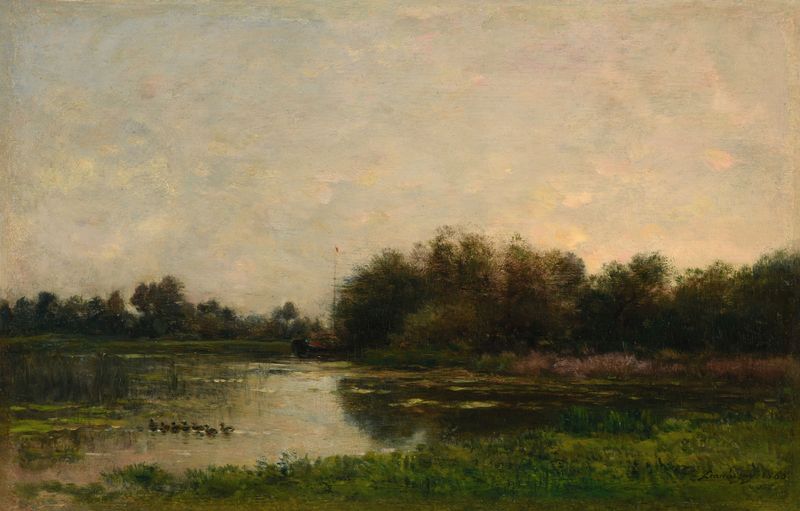
Bords de l’Oise
Charles François Daubigny
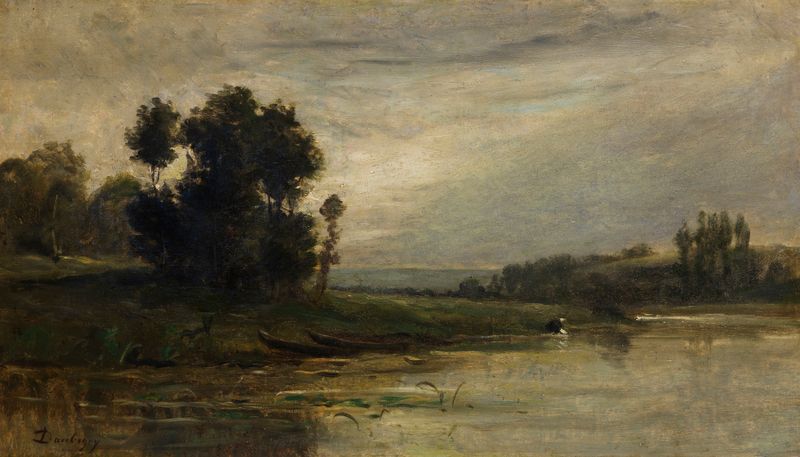
Bords de l’Oise
Charles François Daubigny
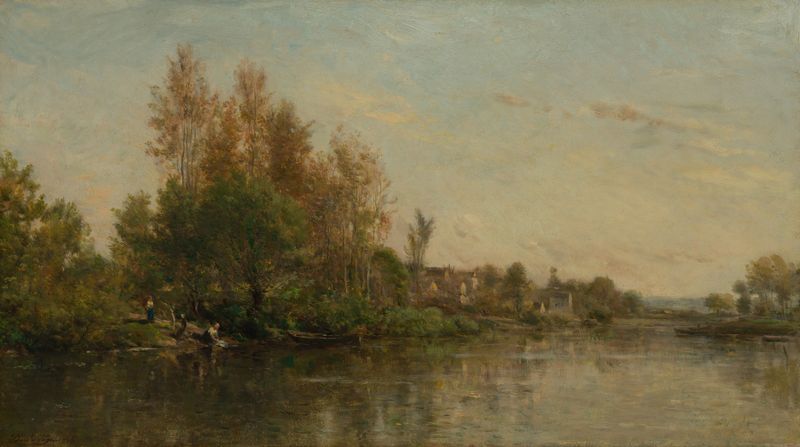
The Banks of the Oise
Charles François Daubigny
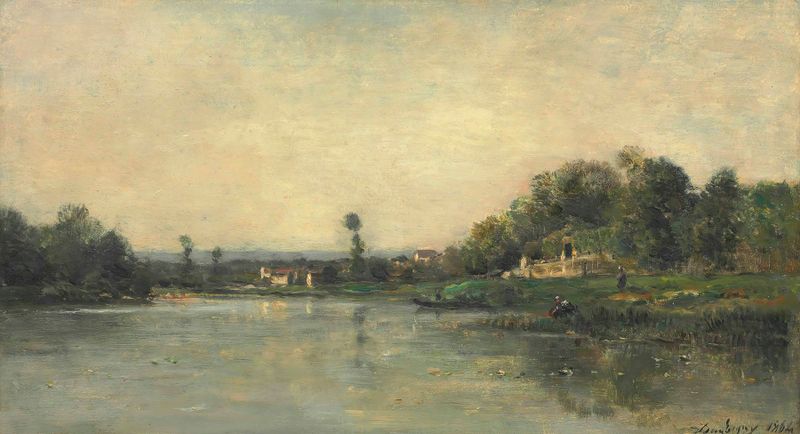
Les Bords De L’oise
Charles François Daubigny
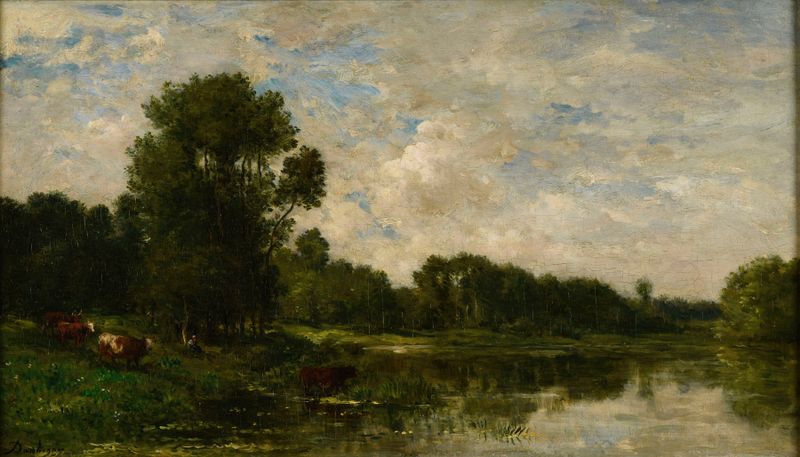
Bords de l’Oise
Charles François Daubigny
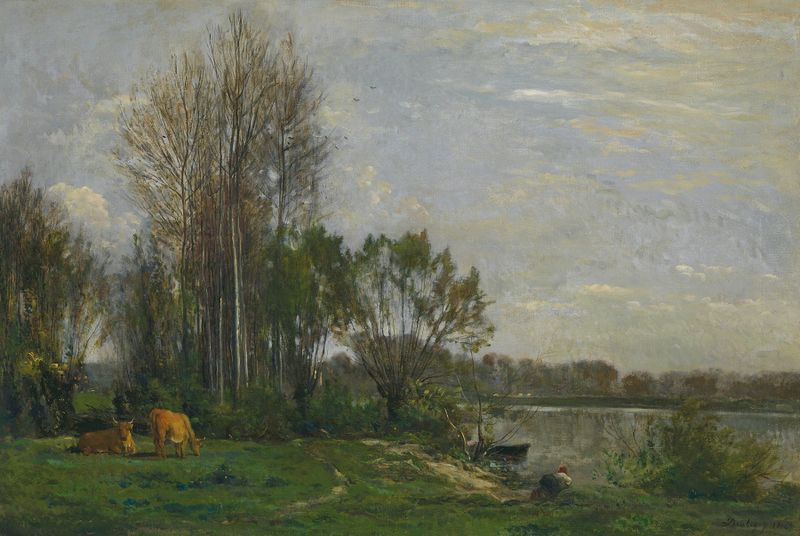
Les Bord De L’oise
Charles François Daubigny
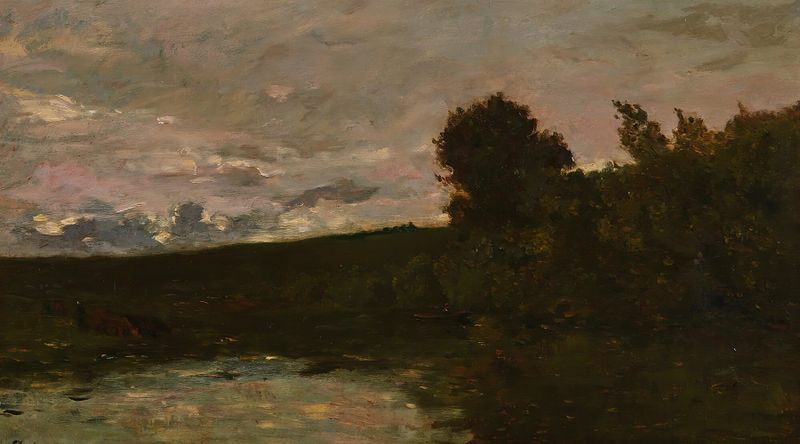
Bord De Riviére
Charles François Daubigny
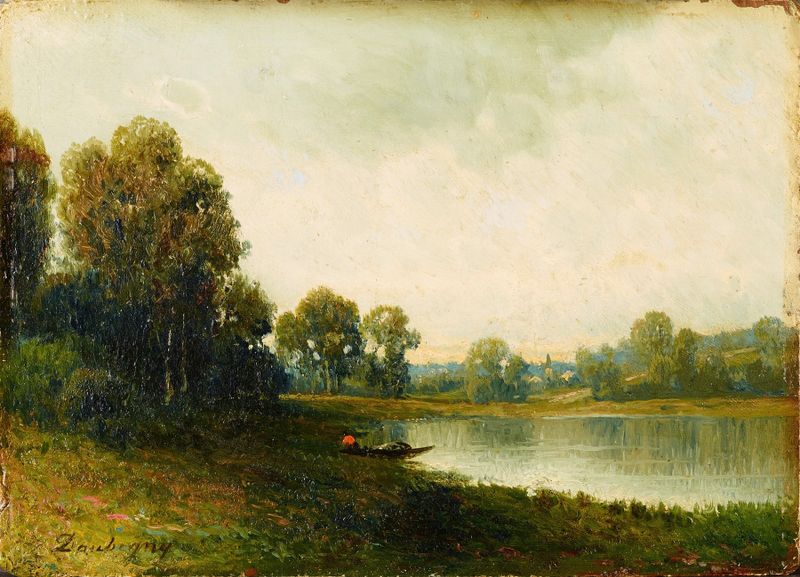
Landscape
Charles François Daubigny
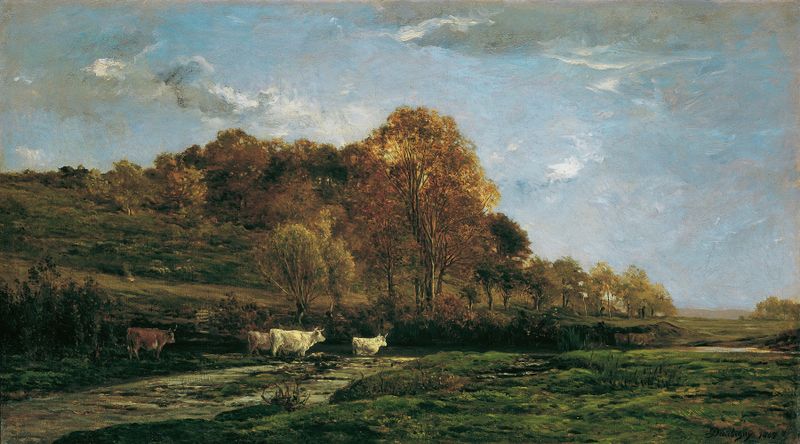
Herbstliche Aulandschaft Abendstimmung
Charles François Daubigny
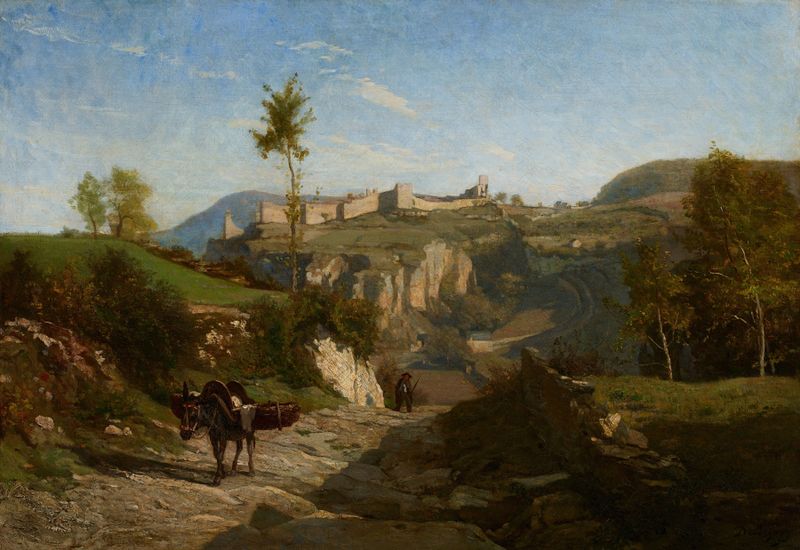
Landscape near Crémieu
Charles François Daubigny





