
The Marsh — History & Facts
The vivid essence of nature pulses through The Marsh, capturing a moment infused with both serenity and obsession. Daubigny’s canvas beckons us to lose ourselves in the wild tapestry of flora, where each detail invites deeper contemplation of life’s fleeting beauty. Look to the foreground, where vibrant greens and earthy browns converge in a dynamic dance. The radiant strokes of paint create a textured surface that seems almost alive; wispy reeds bend gently in the breeze, while the shimmering water reflects a gradient of blues and soft yellows.
This interplay of colors and textures compels the viewer’s eye to traverse the landscape, revealing layers of meticulously crafted depth that echo the artist’s deep connection to the natural world. Beneath the surface of this idyllic scene lies an intricate web of emotions. The marsh is an emblem of both solitude and abundance, mirroring the artist's inner conflicts and the obsession that drove him to chase nature’s ephemeral moments. Flecks of light dart across the water, hinting at the transient nature of time, while the dense foliage symbolizes the overwhelming presence of both creation and decay.
The landscape breathes with a palpable tension, capturing the duality of beauty and longing. In 1871, Daubigny worked in the heart of France, amid a burgeoning shift in the art world towards the Impressionist movement. This period marked significant changes in his life; he was both a mentor and a friend to emerging artists, while simultaneously grappling with his own creative vision. As society began to embrace outdoor painting, he found a renewed passion in capturing the marshlands, forever preserving the moments that stirred his heart.
More Artworks by Charles François Daubigny
Browse all →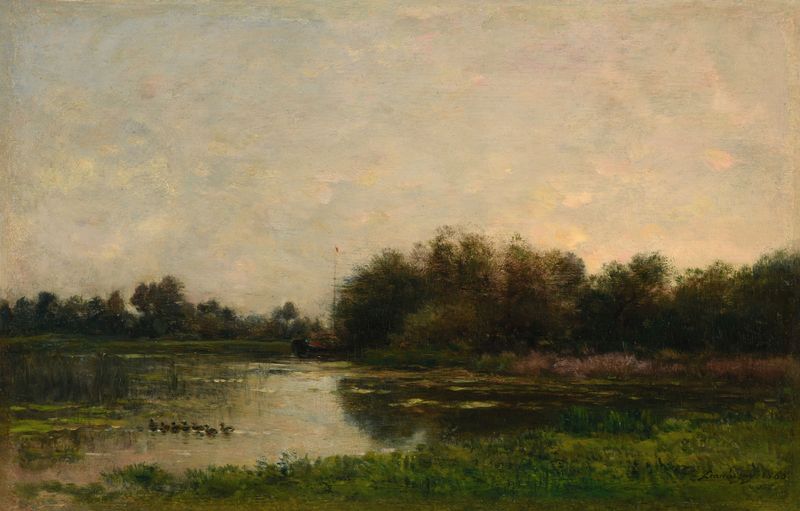
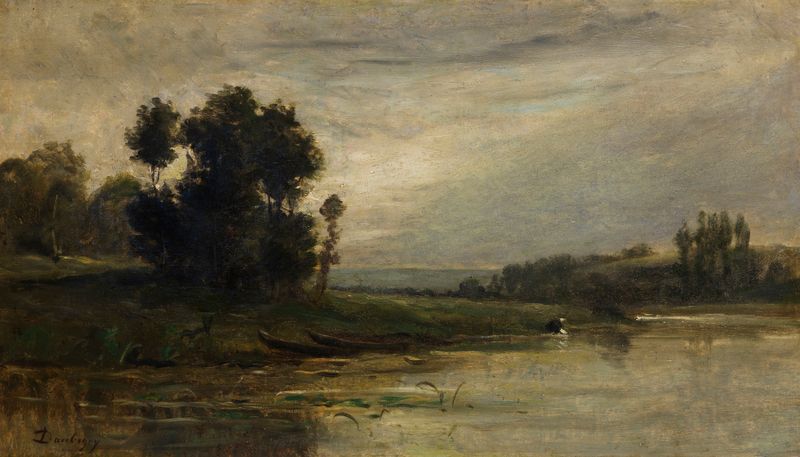
Bords de l’Oise
Charles François Daubigny
Bords de l’Oise
Charles François Daubigny
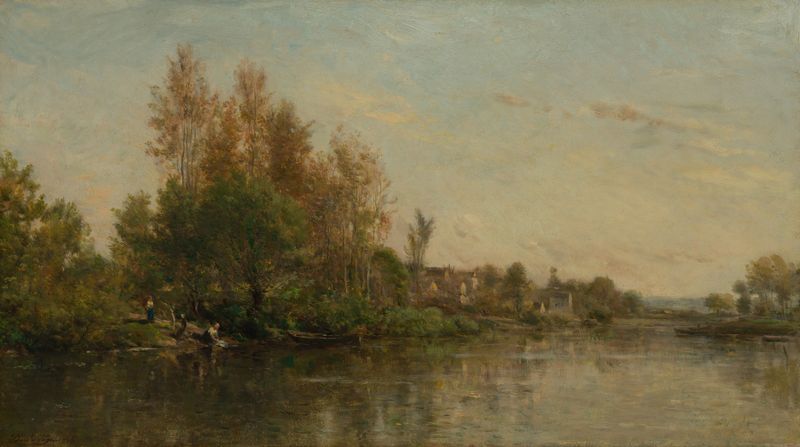
The Banks of the Oise
Charles François Daubigny
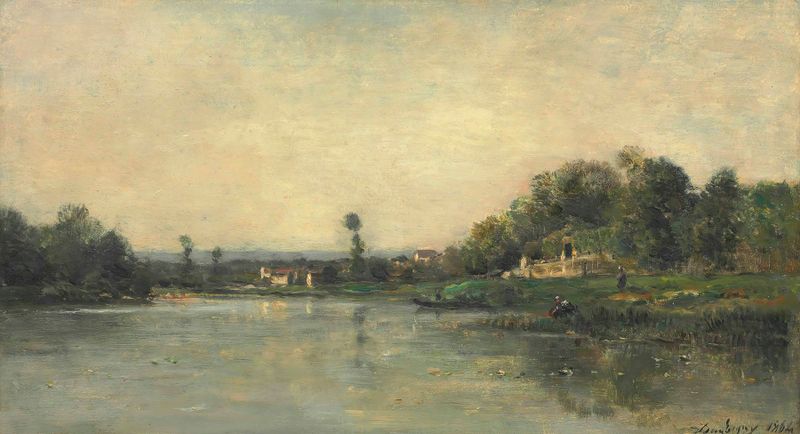
Les Bords De L’oise
Charles François Daubigny
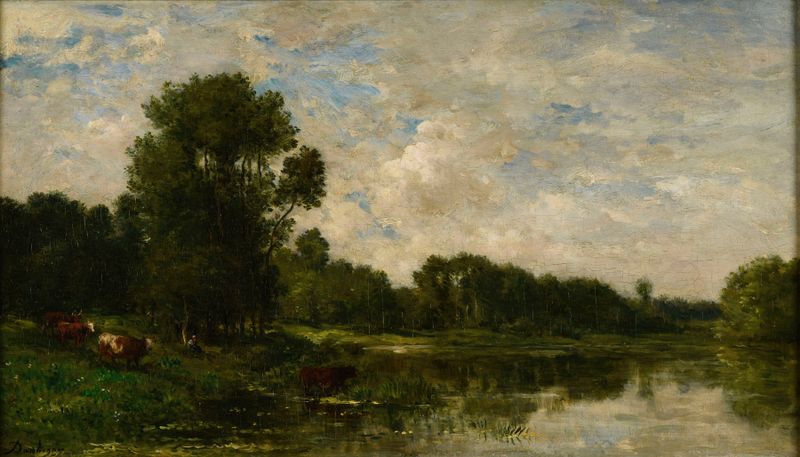
Bords de l’Oise
Charles François Daubigny
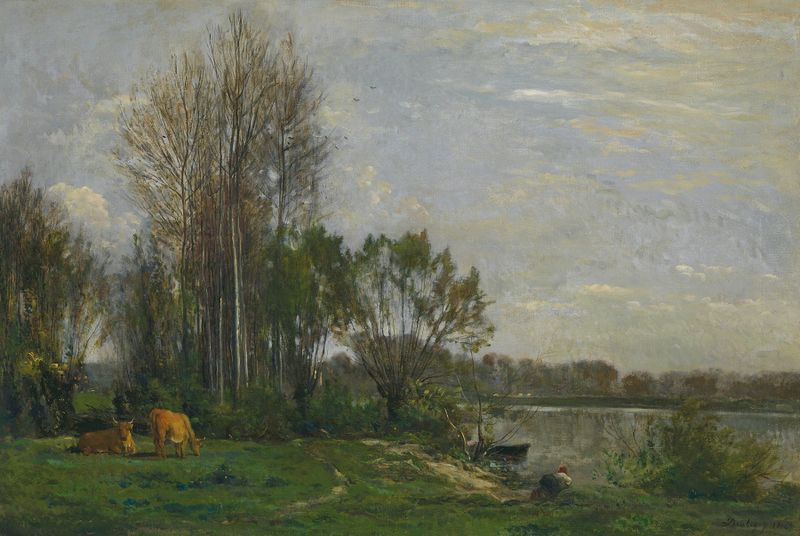
Les Bord De L’oise
Charles François Daubigny
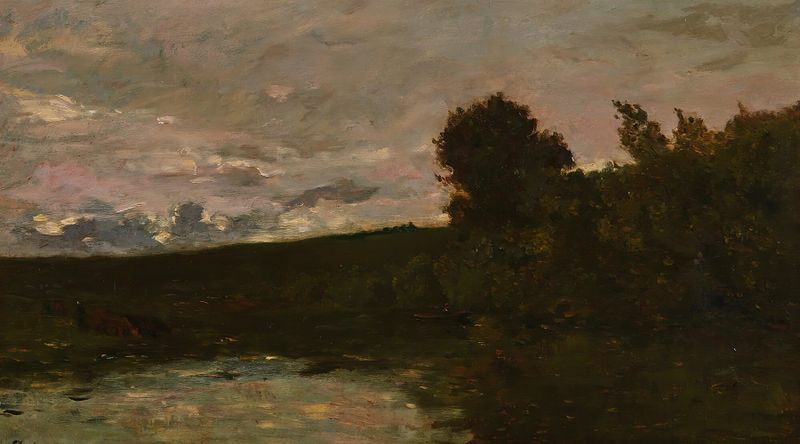
Bord De Riviére
Charles François Daubigny
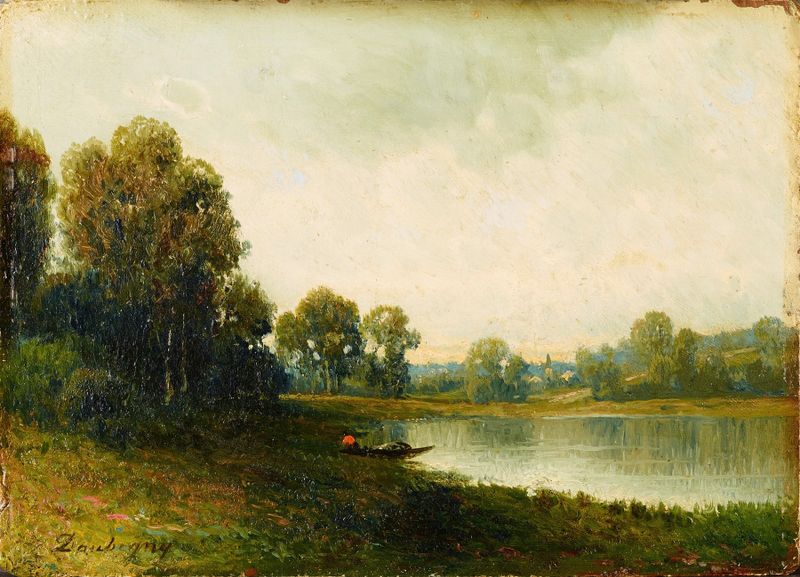
Landscape
Charles François Daubigny
Herbstliche Aulandschaft Abendstimmung
Charles François Daubigny
Landscape near Crémieu
Charles François Daubigny





