
The Mediterranean — History & Facts
Can paint confess what words never could? In The Mediterranean, the canvas breathes with the echoes of transformation, revealing the beauty and decay of nature entwined in an eternal dance. Focus on the sweeping horizon, where the sea meets the sky, a confluence of vibrant blues that pulls you in. Notice how the brushstrokes create a fluid motion, mimicking the waves’ gentle undulations against the shore. The sunlight spills across the water's surface, dappling it with shimmering golds and silvers, while dark, looming clouds threaten the serenity.
The contrasting colors heighten the drama, illustrating not just a seascape, but an emotional landscape where tranquility and turmoil coexist. Delve deeper into the details—the rugged cliffs that frame the scene stand resilient yet worn, a testament to time’s relentless passage. The ochre and umber tones of the rocks speak of decay, hinting at the inevitable wear that nature encounters. The interplay between light and shadow serves as a reminder that beauty is often transient; the idyllic view carries an undercurrent of melancholy, suggesting that even in splendor, there are signs of fading life. Courbet painted this work during a period marked by the rise of realism and the rejection of romanticism.
Created in the mid-19th century, he sought to capture the essence of nature as it truly was, reflecting both its grandeur and its vulnerability. This piece encapsulates his vision of art as a mirror to the world, devoid of artifice, portraying an honest portrayal of life’s duality.
More Artworks by Gustave Courbet
Browse all →
Marine
Gustave Courbet
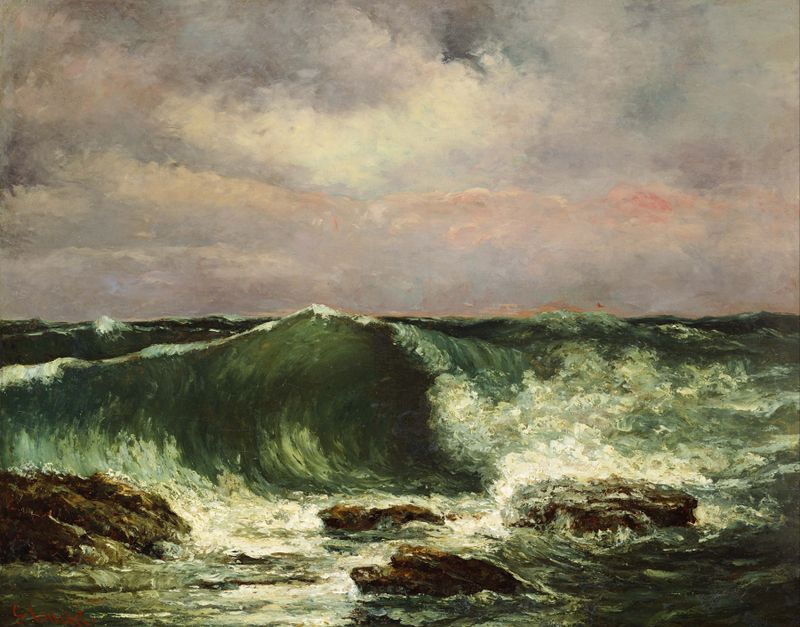
Waves
Gustave Courbet

Étretat; Les Falaises
Gustave Courbet
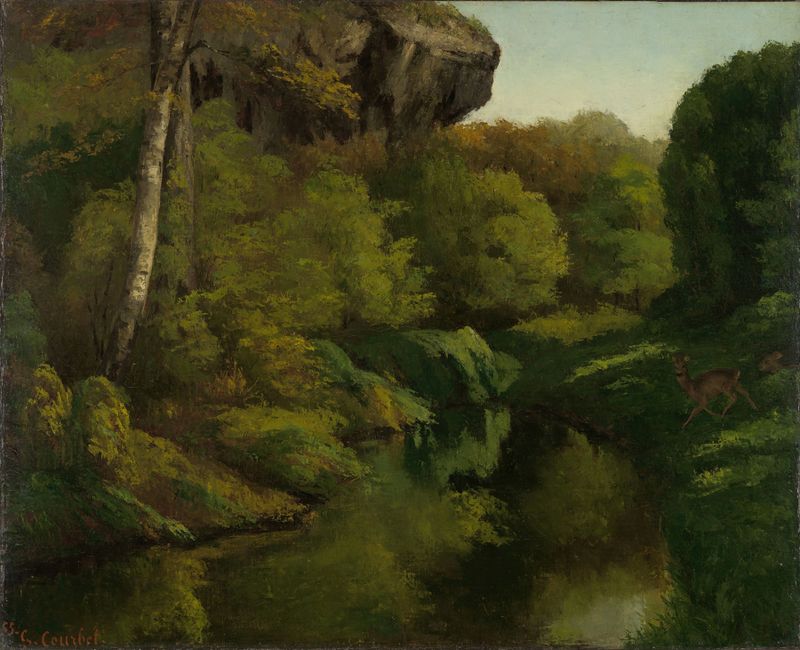
View in the Forest of Fontainebleau
Gustave Courbet
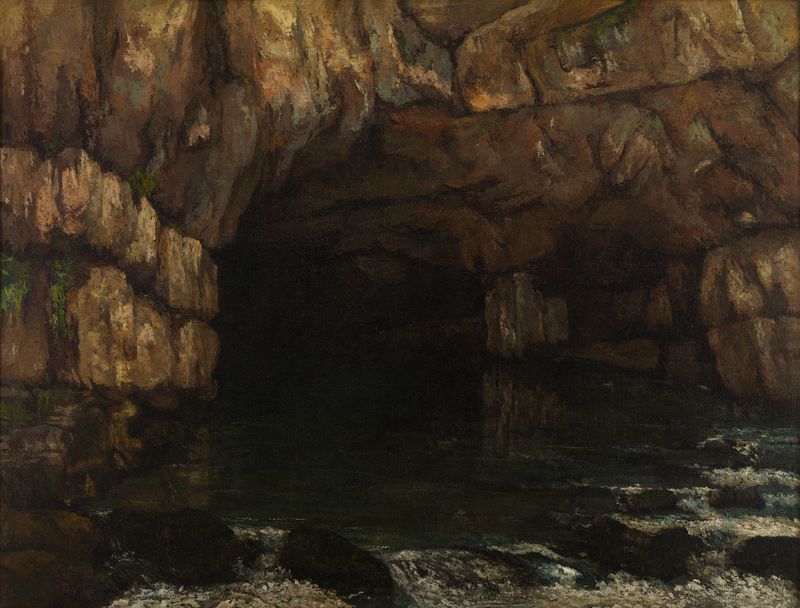
La source de la Loue (The Source of the Loue)
Gustave Courbet

Low Tide at Trouville
Gustave Courbet
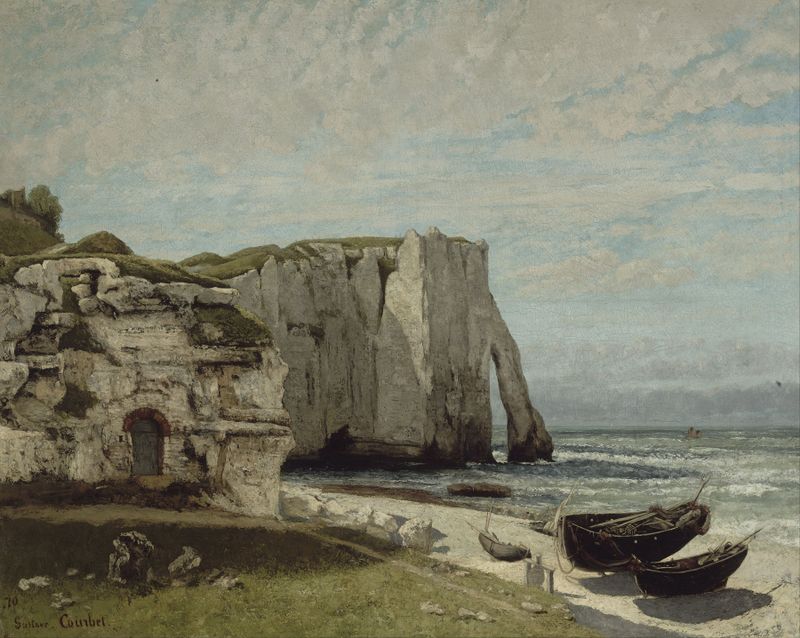
The Etretat Cliffs after the Storm
Gustave Courbet
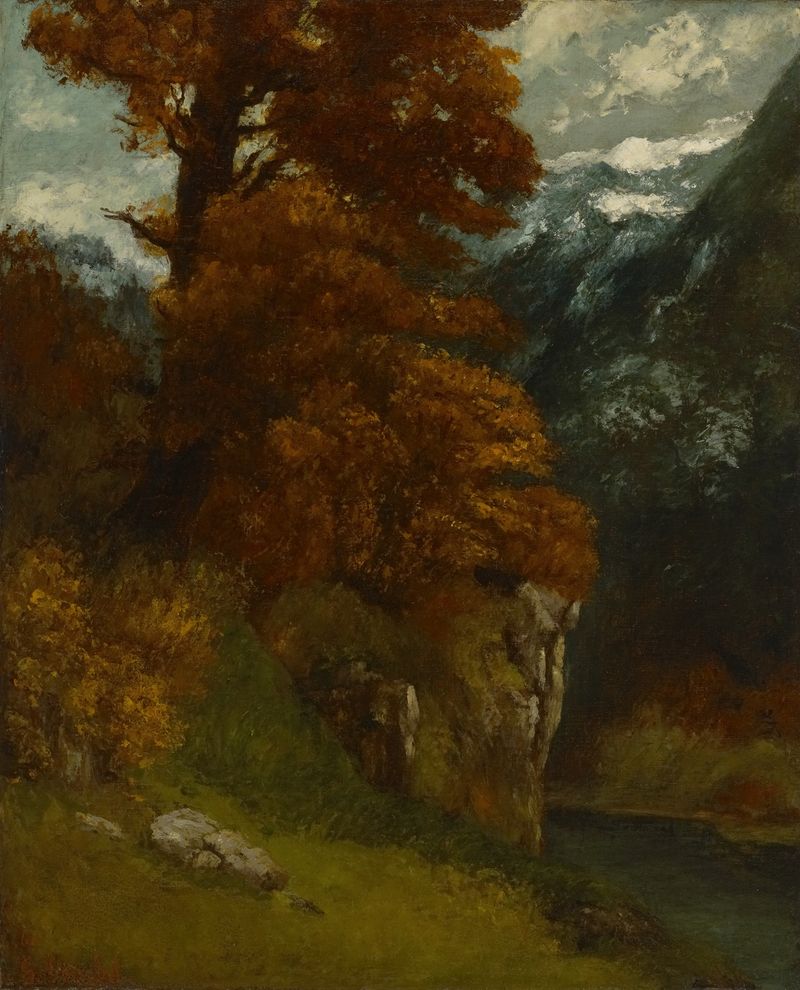
The Glen at Ornans (Bords du Doubs; Effet d’Automne)
Gustave Courbet
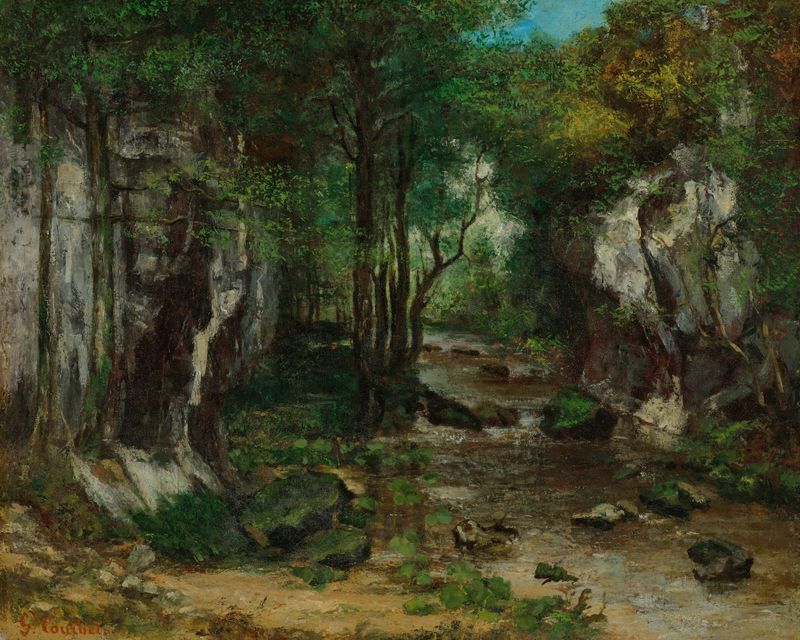
Le Ruisseau de Puits Noir
Gustave Courbet
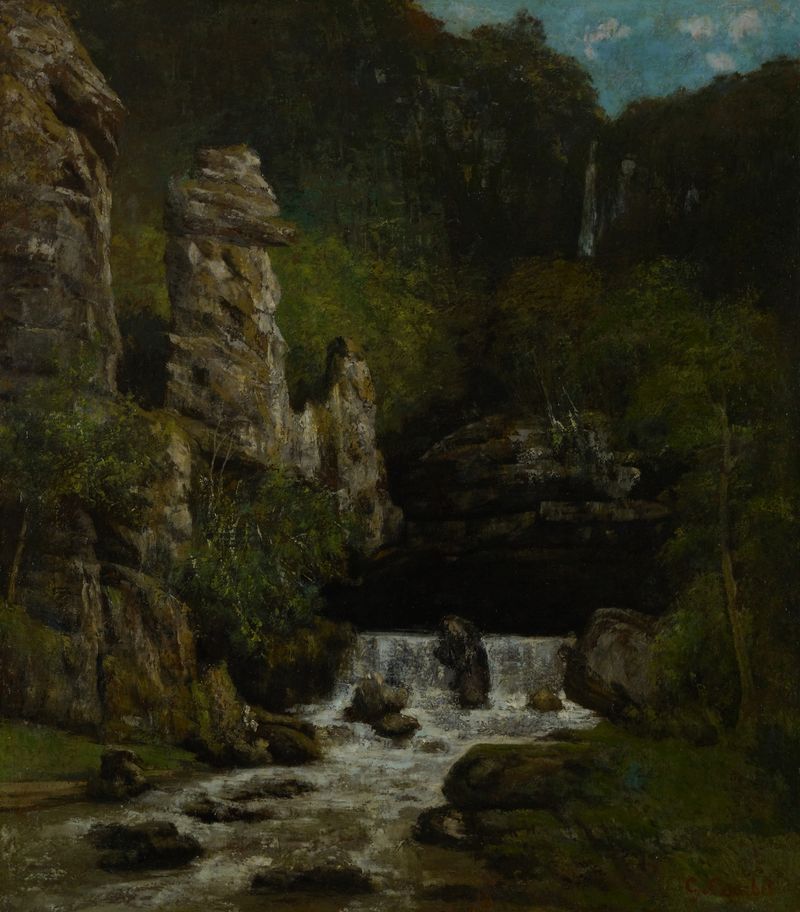
Landscape with a Waterfall
Gustave Courbet





