
The Mill at the Loue — History & Facts
What first catches the eye in The Mill at the Loue is the quiet dialogue between human shelter and the wildness of the landscape. The cluster of houses huddles along the riverbank, their timbered walls and steep roofs leaning out over the water as if listening to the constant, low music of the stream. The painter’s gaze lingers on the interplay of shadow and light: the dark, mossy underbelly of the mill is set against the pale, sunlit grass and the luminous stone of the distant cliff.
Even the water, spilling gently over a low weir, reflects a patchwork of sky and foliage, drawing the viewer’s attention to the delicate balance of industry and nature. Painted in 1872–1873, this oil on canvas belongs to a world in which artists like Gustave Courbet turned their eyes homeward, seeking the drama of the everyday in their native countryside. In the wake of industrialization, the rural mill became a symbol of both tradition and change, its presence a reminder of the rhythms that shaped village life.
While the grand salons of Paris clamored for scenes of myth and history, painters of the Realist movement found poetry in the local and the ordinary. This work, now in the collection of the Kunstmuseum Basel, stands as a testament to that vision—inviting us to linger in the cool shade by the river, and to wonder at the enduring conversation between stone, water, and wood.
More Artworks by Gustave Courbet
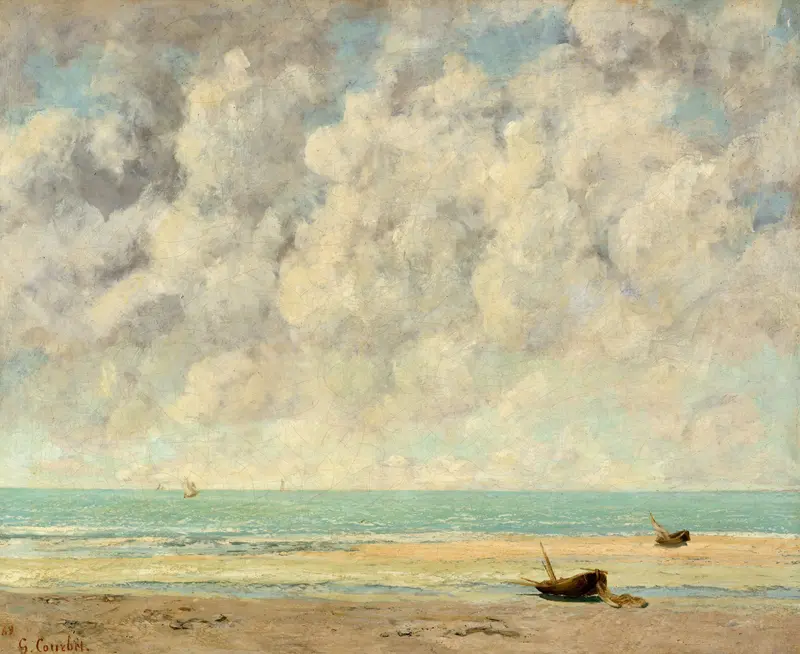
The Calm Sea
Gustave Courbet

A Burial at Ornans
Gustave Courbet
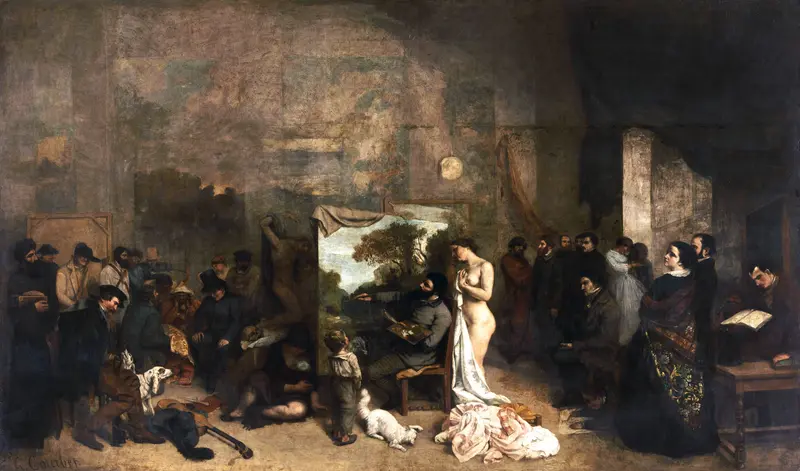
The Painter's Studio
Gustave Courbet
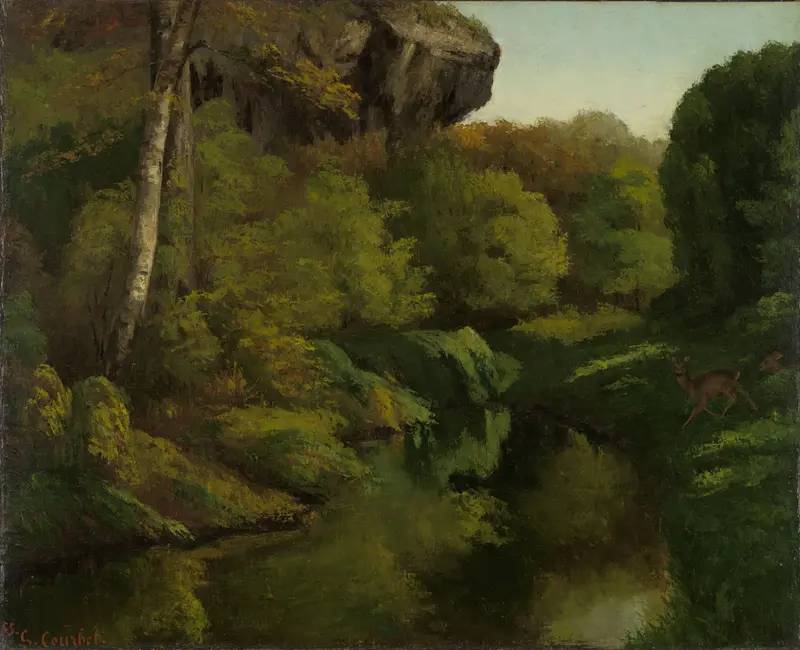
View in the Forest of Fontainebleau
Gustave Courbet
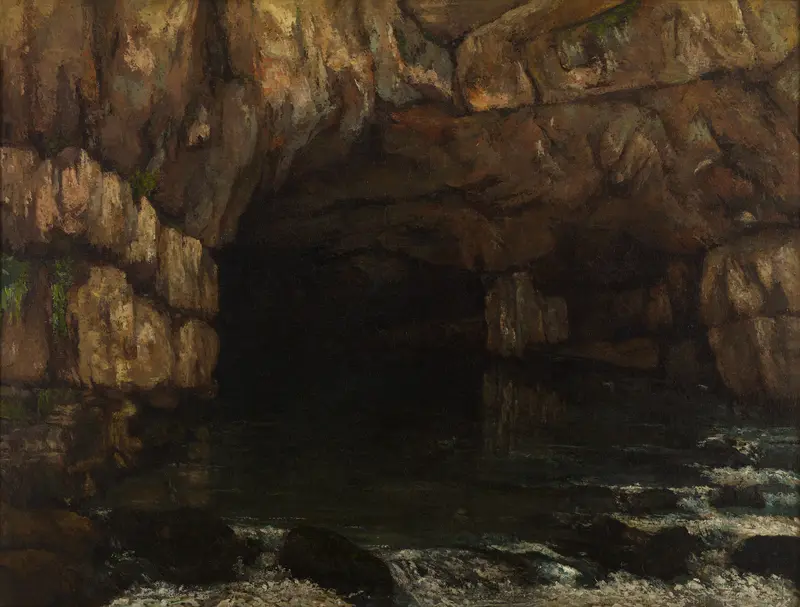
La source de la Loue (The Source of the Loue)
Gustave Courbet
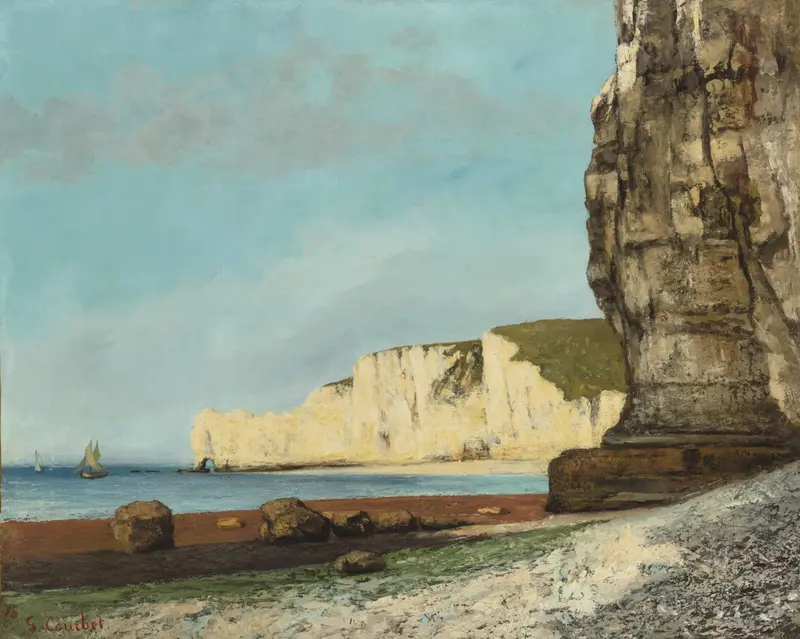
Étretat; Les Falaises
Gustave Courbet
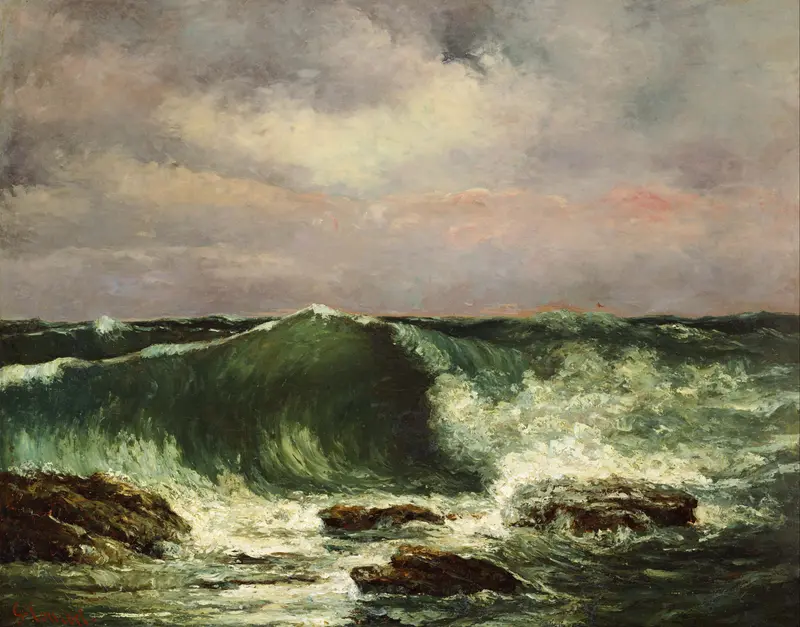
Waves
Gustave Courbet
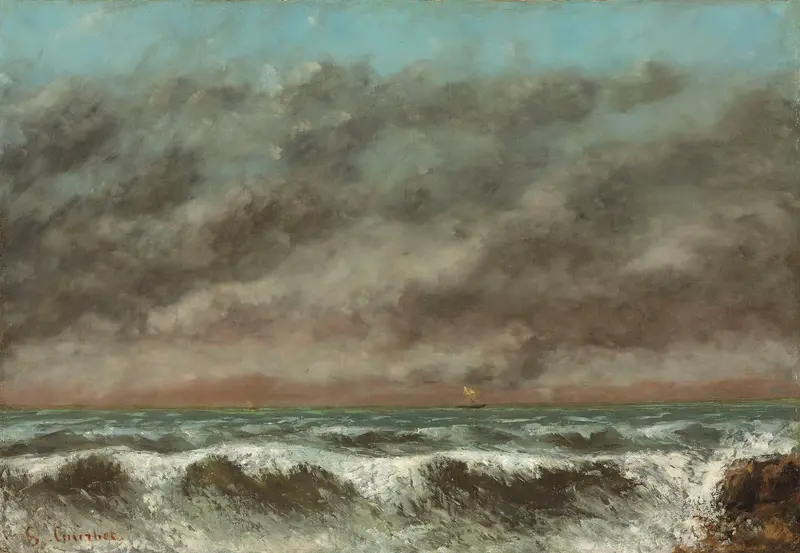
Marine
Gustave Courbet
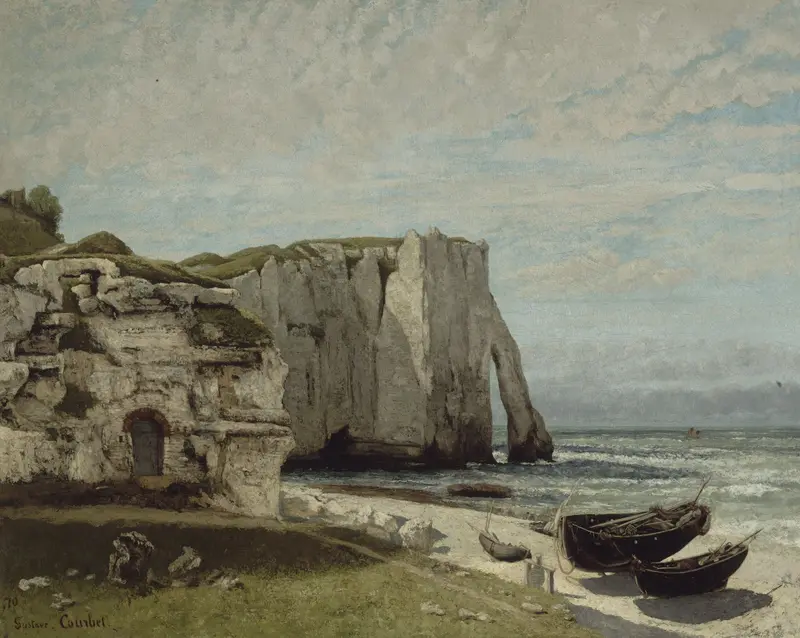
The Etretat Cliffs after the Storm
Gustave Courbet
The Wave
Gustave Courbet
More Landscape Art

The Starry Night
Vincent van Gogh

View of Delft
Johannes Vermeer

Water Lilies
Claude Monet

The Grand Canal, Venice, looking north-west from the Ca' Corner to the Ca' Contarini degli Scrigni, with the campanile of Santa Maria della Carità
Canaletto

Windsor Castle
Canaletto

The Grand Canal looking North-East from the Palazzo Dolfin-Manin to the Rialto Bridge
Canaletto