
The Naval Combat — History & Facts
Did the painter know this moment would outlive them? In The Naval Combat, the swirling chaos of battle encapsulates a visceral ecstasy born from conflict, a moment forever etched in time. Look to the center of the composition, where vividly delineated ships clash upon turbulent waters, their sails snapping under the intense pressure of the wind. The intricate details of the figures, both soldiers and sailors, are rendered with a delicate precision that draws the eye to their fierce expressions and frantic gestures. Notice how the muted grays and deep blues of the sea contrast with the bright flashes of cannon fire, creating a dynamic tension that pulls you into the tumultuous narrative. Beneath this veneer of action lies a deeper exploration of human emotions: bravery, desperation, and perhaps a sense of unity amidst chaos.
The viewer can almost feel the salt spray on their skin and the thunderous echoes of cannonballs. The juxtaposition of the natural tumult of the sea against the man-made violence of war prompts reflection on the fragility of life, suggesting that while ecstasy can arise from conflict, it is also fleeting and perilous. In 1630, Jacques Callot created this piece during a period marked by the Thirty Years' War, a time when Europe was embroiled in relentless strife. Working in Nancy, Callot was deeply influenced by the Baroque style, known for its dramatic expression and detail.
His ability to capture human emotion amid the chaos of battle reflects not only his artistic skill but also a keen awareness of the world around him, making his work resonate with a timeless urgency.
More Artworks by Jacques Callot
Browse all →
Titelprent voor de prentreeks 'De kleine apostelen' (Het martelaarschap van de apostelen)
Jacques Callot
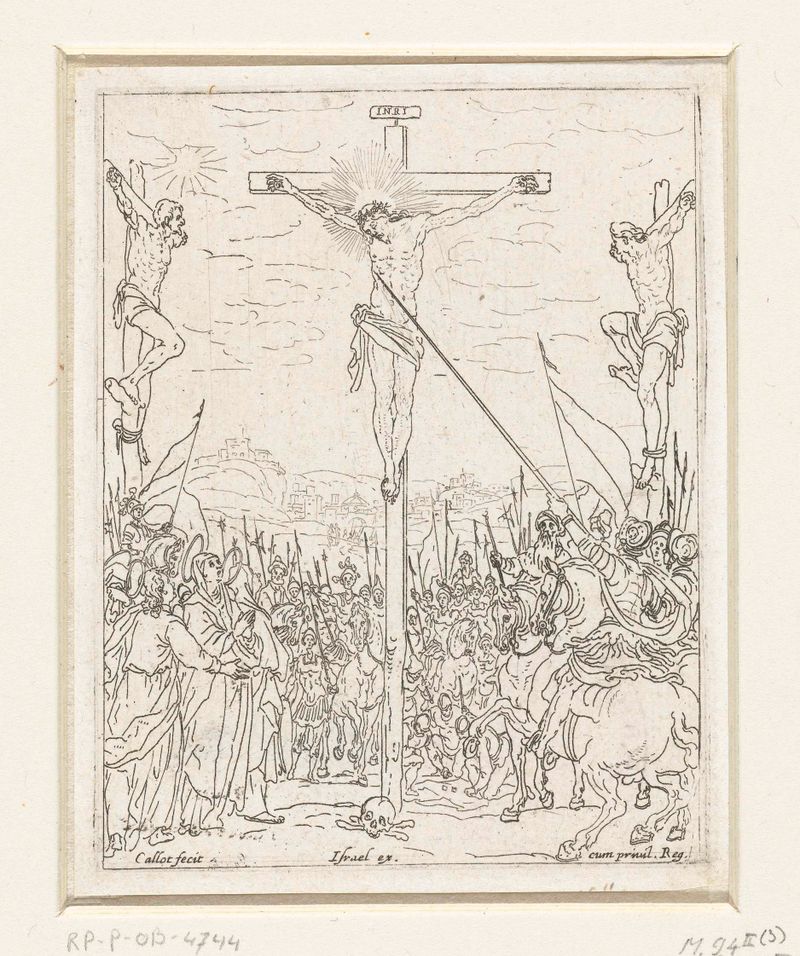
Kruisiging
Jacques Callot

De doortocht door de Rode Zee
Jacques Callot

De verloren zoon als zwijnenhoeder
Jacques Callot

Annunciatie
Jacques Callot
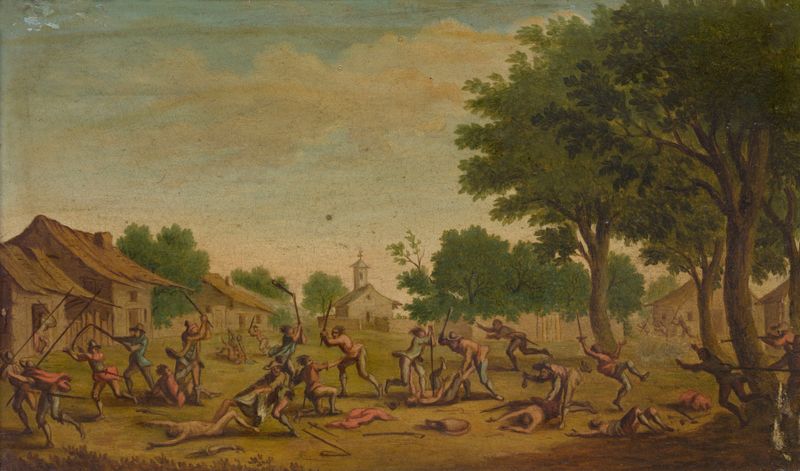
Village Fight
Jacques Callot

Titelprent voor prentreeks 'Het leven van Maria'
Jacques Callot
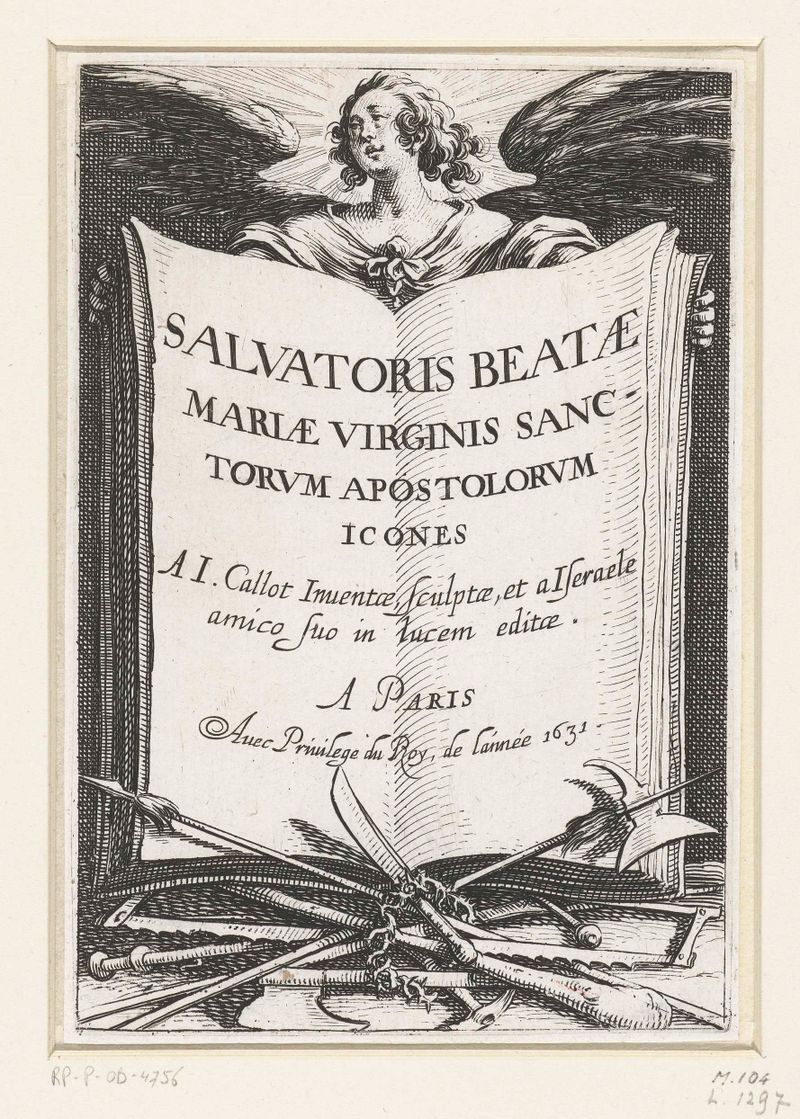
Titelprent voor de prentreeks 'De grote apostelen' (Christus, Maria en de apostelen)
Jacques Callot

Christus aan het volk getoond (Ecce homo)
Jacques Callot
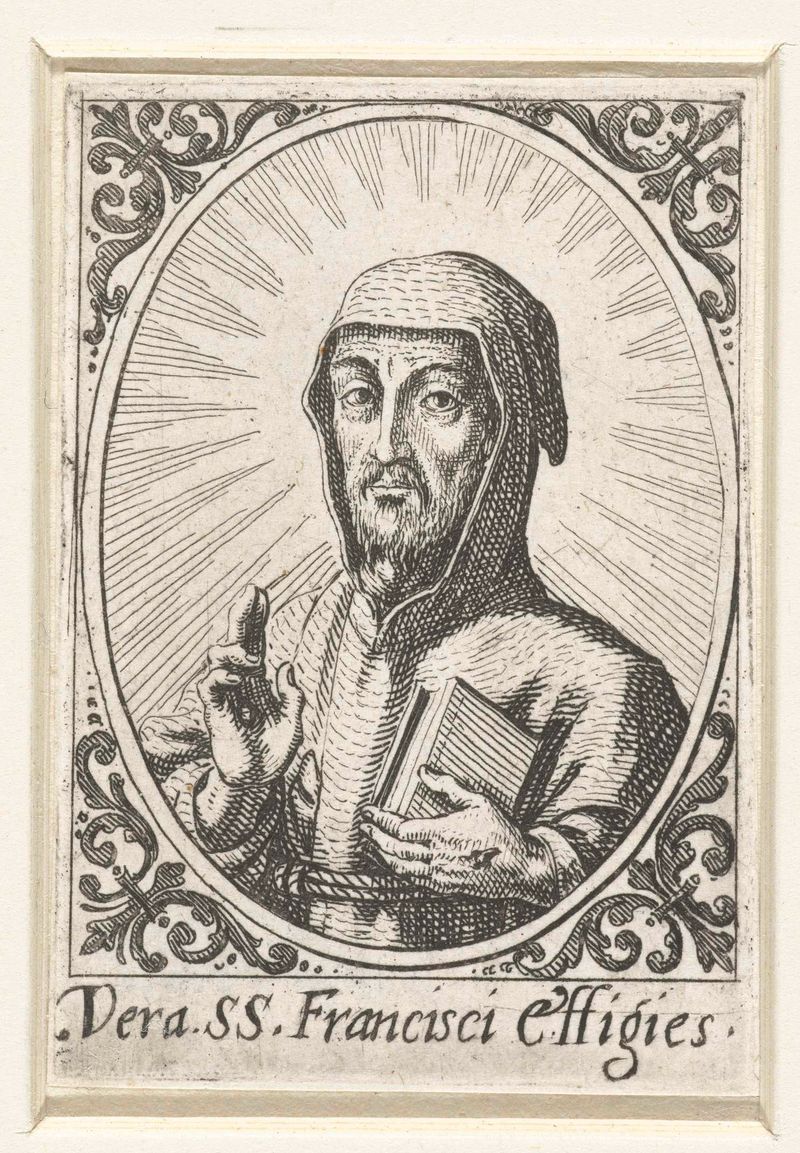
Portret van de Heilige Franciscus
Jacques Callot





