
The New Lake (Der Neue See) — History & Facts
In the face of transformation, how do we capture the essence of what has changed? The answer lies in the fluidity of a masterful work, where each color whispers the stories of the past and the promise of renewal. Focus on the vibrant greens and blues that dominate the canvas, reflecting the shimmering surface of the lake. Notice how the gentle brushstrokes intertwine, creating a sense of movement that beckons the viewer into this serene yet dynamic landscape. The light dances across the water, illuminating the lush foliage that surrounds it, inviting you to explore the depths of both the scene and your own thoughts. Amidst the tranquil beauty, there lies a palpable tension between nature and its transformations.
The interplay of shadow and light hints at the fleeting nature of time, while the vibrant colors signal the birth of something new from the remnants of the old. Each ripple in the water acts as a metaphor for change, reminding us of life’s continuous cycle—a juxtaposition of stillness and the inevitable passage of time. Created in 1920 during a period of personal and artistic upheaval, the painter explored themes of renewal and rebirth in his work. Living in Germany in the aftermath of World War I, The New Lake reflects both a return to beauty in nature and a longing for stability amidst chaos.
Corinth's paintings from this era often reveal a deep connection to the spirit of transformation, mirroring both his personal evolution and the shifting landscape of modern art.
More Artworks by Lovis Corinth
Browse all →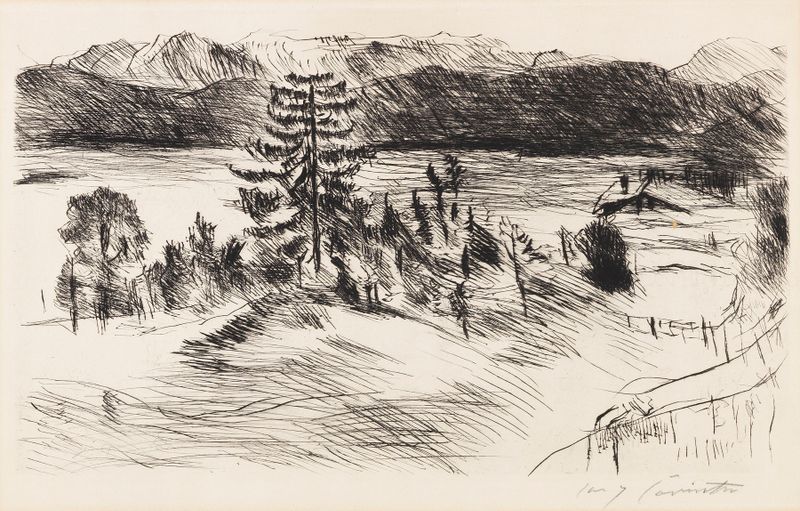
Große Walchenseelandschaft
Lovis Corinth

Walchensee im Nebel
Lovis Corinth

Große Walchenseelandschaft.
Lovis Corinth
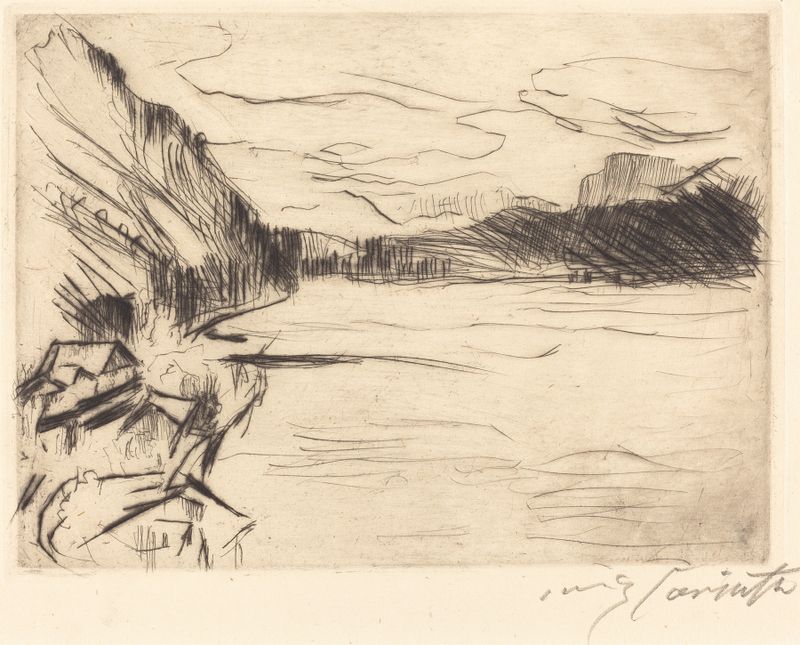
On Walchen Lake (Am Walchensee)
Lovis Corinth

Walchensee
Lovis Corinth

Gebirgsee (Walchensee im Winter)
Lovis Corinth

On the Walchen Sea (Am Walchensee)
Lovis Corinth

Bathing Place (Badeanstalt)
Lovis Corinth

Walchensee, aufgehender Mond
Lovis Corinth

Walchensee Landschaft
Lovis Corinth





