
The Night Patrol at Smyrna — History & Facts
A surge of urgent movement animates the heart of The Night Patrol at Smyrna, where the painter’s brush halts a moment of tension and command beneath the arcaded shadows of an Ottoman street. The eye is drawn first to the white horse, its rider upright and turbaned, surrounded by a knot of armed men whose bodies twist and lean, their gestures sharp with alertness. Light slices down from above, catching the horse’s flank and the leader’s face, while the rest of the patrol melts into darkness, their features half-guessed behind the glint of weapons and the swirl of dust.
The angled lances and rifles are not just props—they signal readiness, discipline, and the latent threat of violence. Every figure seems caught between the world of the street and the world of the mission, their urgency heightened by the deep shadows that close in around them. This is a painting born of the nineteenth century’s fascination with the “Orient,” a term Europeans used for the lands of the Ottoman Empire and beyond. Artists like Alexandre-Gabriel Decamps traveled or imagined their way into these settings, producing works that fed a growing appetite for scenes of exotic authority and danger.
Such paintings were often snapped up by collectors eager to display the drama of distant places in their salons, and The Night Patrol at Smyrna fits squarely within this tradition. The date range—between 1823 and 1860—places it at the height of Romantic Orientalism, when artists sought to capture both the spectacle and the anxiety of a world in flux. Today, the painting survives as part of the Metropolitan Museum of Art’s open-access collection, its mysteries and energies still intact, inviting viewers to step into the moonlit streets and follow the patrol’s uncertain path.
More Artworks by Alexandre-Gabriel Decamps

Still Life with Herring, Bread, and Cheese
Alexandre-Gabriel Decamps
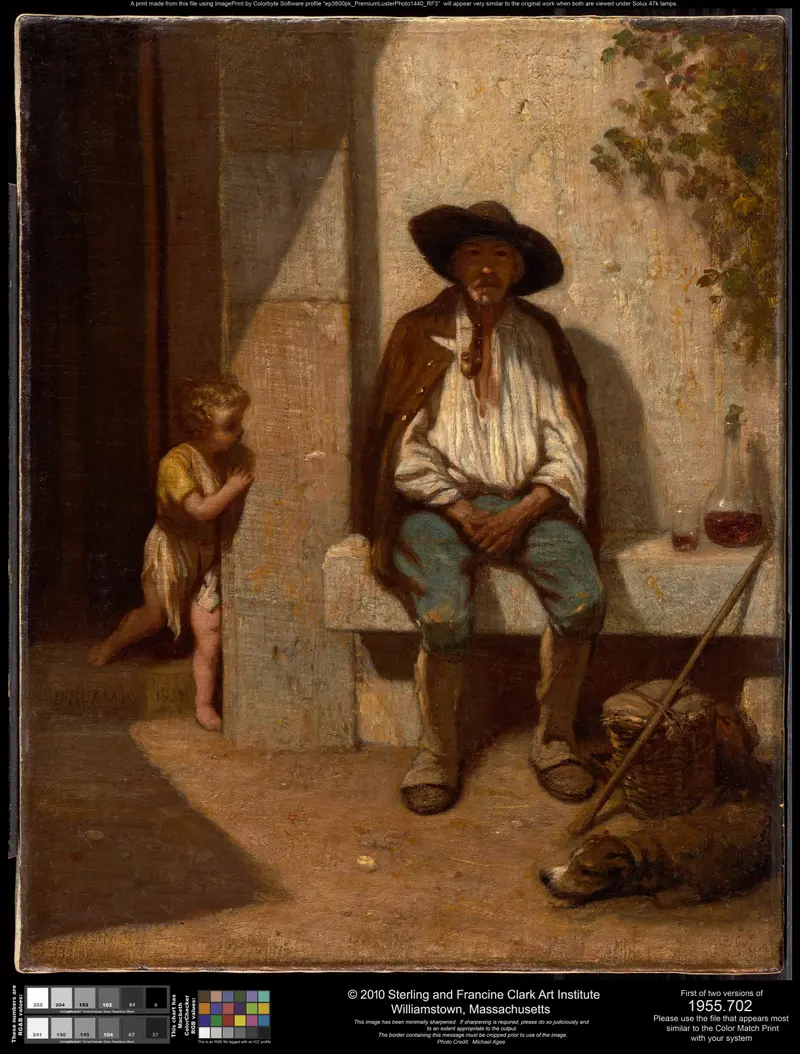
Italian Peasant
Alexandre-Gabriel Decamps
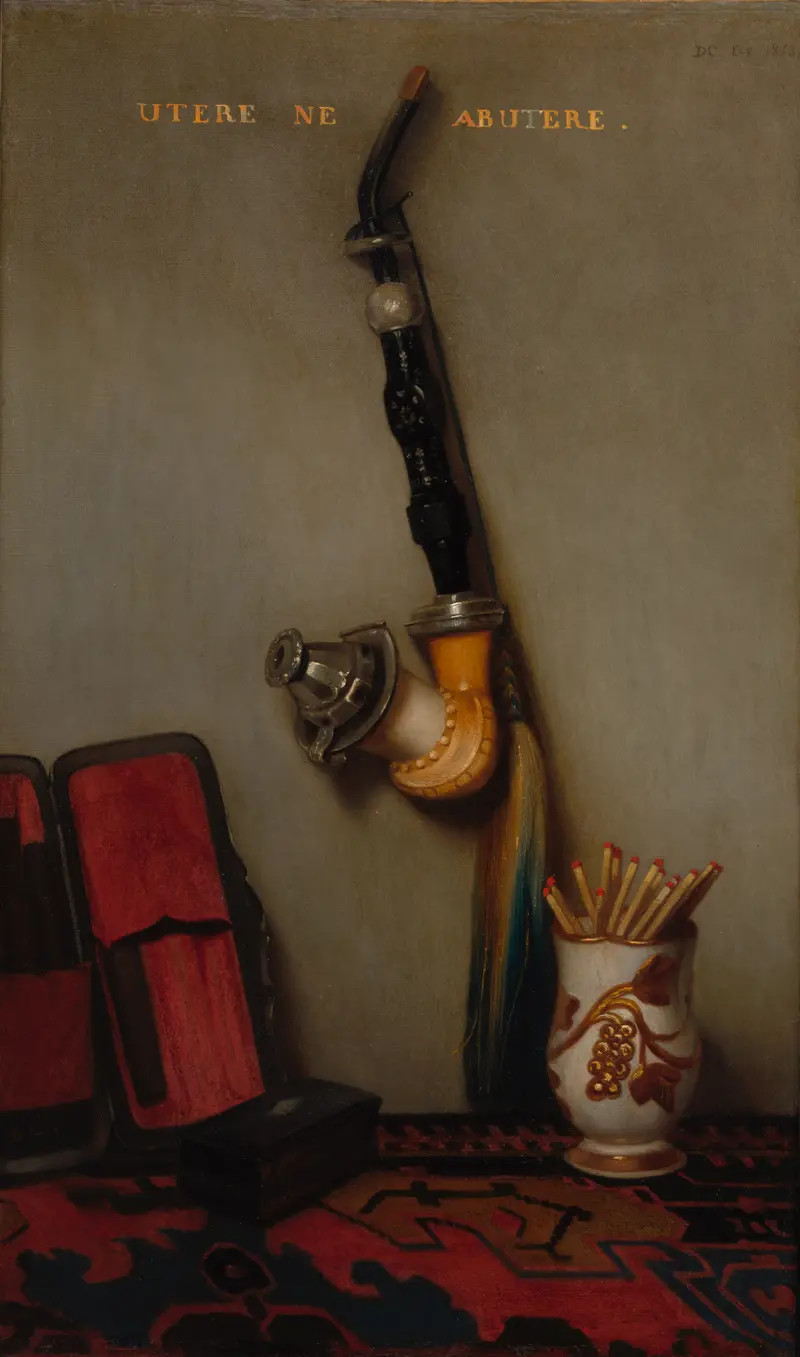
Still Life with Pipe and Matches
Alexandre-Gabriel Decamps
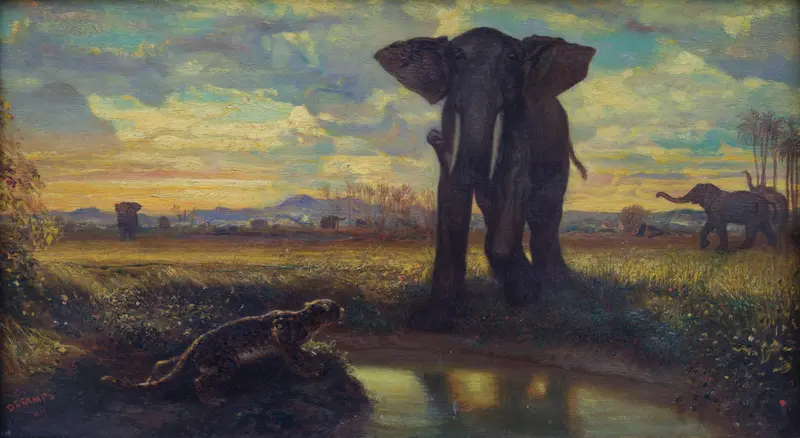
Tigre et éléphant à la source Musée du Louvre Peintures RF
Alexandre-Gabriel Decamps
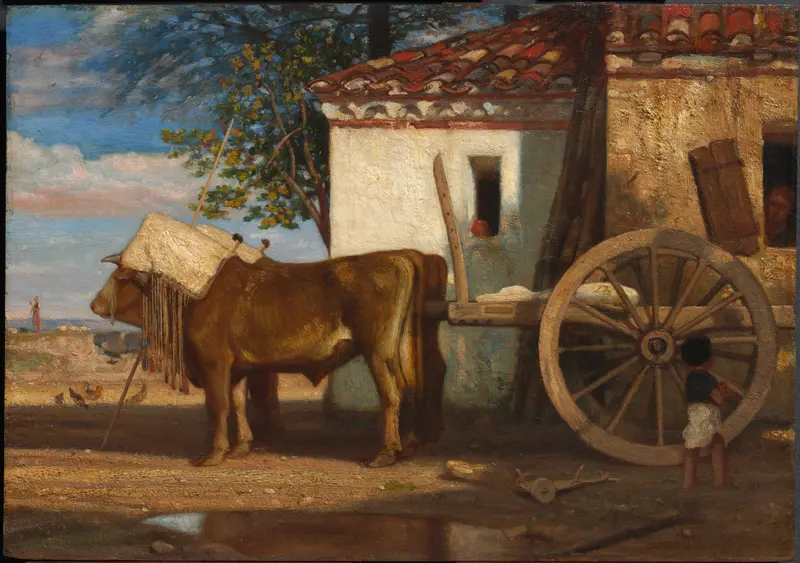
Oxen before a Farmhouse at Le Verrier
Alexandre-Gabriel Decamps
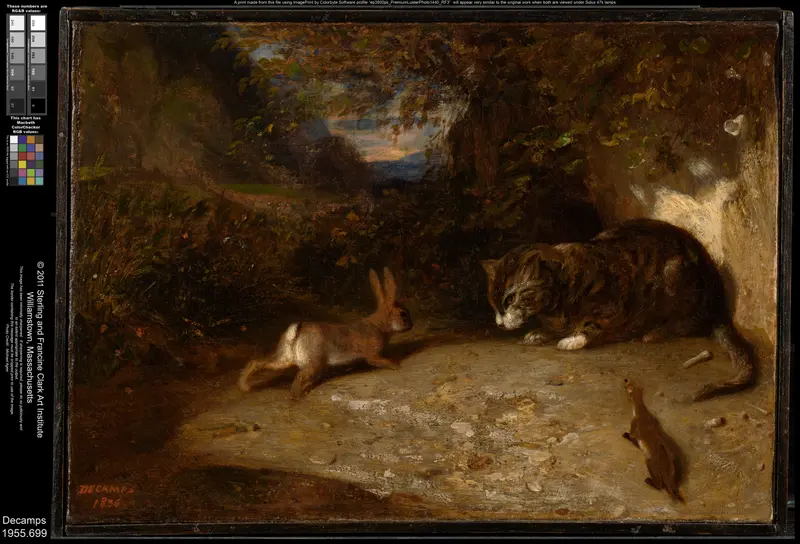
Cat, Weasel, and Rabbit
Alexandre-Gabriel Decamps
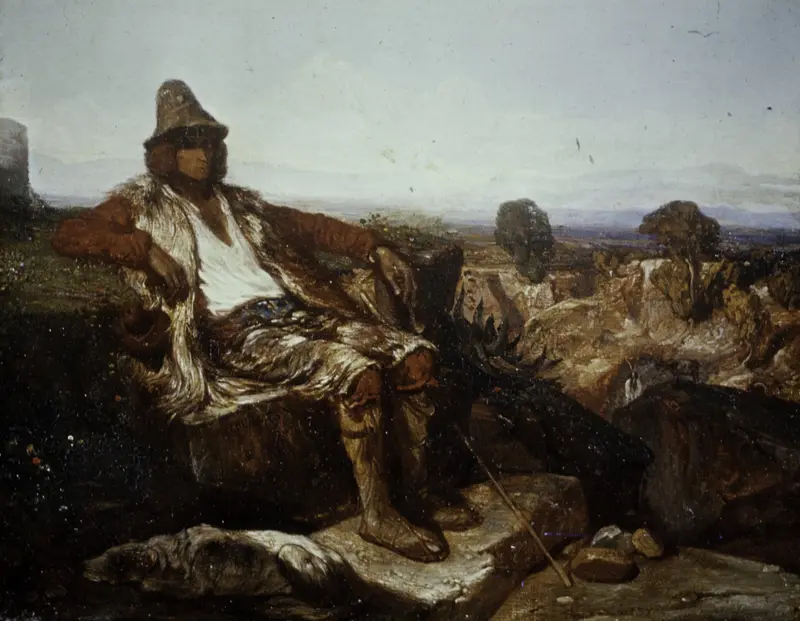
Goatherd of the Abruzzi
Alexandre-Gabriel Decamps
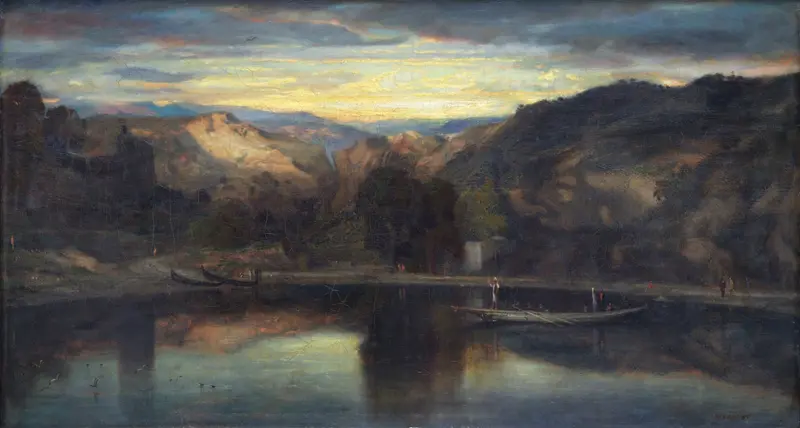
Jésus sur le lac de Génésareth Musée du Louvre Peintures RF
Alexandre-Gabriel Decamps

Espagnols jouant aux cartes Musée du Louvre Peintures RF
Alexandre-Gabriel Decamps
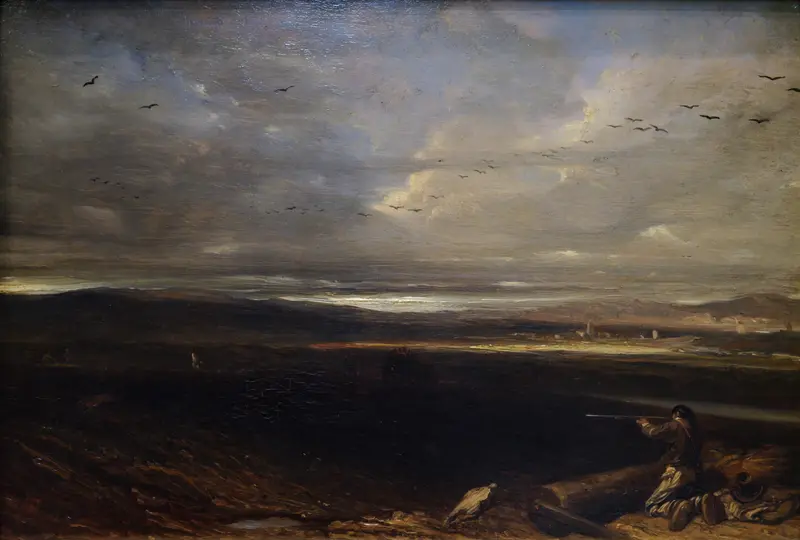
La battue en plaine Musée du Louvre Peintures RF
Alexandre-Gabriel Decamps





