
The Old City — History & Facts
The Old City embodies this paradox, inviting viewers into a landscape where nostalgia and loss intertwine amid crumbling facades. Look to the center of the canvas, where the sun sets behind a dilapidated skyline, casting long shadows that stretch towards the foreground. The muted palette of browns and golds reveals the wear of time, while the delicate brushstrokes capture the intricate textures of the weathered architecture. Notice how the buildings lean slightly, as if bowing under the weight of their forgotten stories, drawing the eye towards the hidden corners where the allure of the past still whispers. Within the scene lies a profound commentary on memory and decay.
The juxtaposition of light and shadow suggests that beauty often emerges from imperfection, while the empty streets evoke a haunting solitude. Each crumbling wall tells a tale of its former glory, yet the void that surrounds them hints at the inevitable passage of time and the stories left untold. This interplay evokes a bittersweet tension, urging viewers to reflect on their own histories and the landscapes of their lives. Legros painted this work during a period when he sought to explore themes of urban decay and the loss of grandeur in industrializing Europe.
Living in London after leaving France, he was deeply influenced by the contrasts between the bustling city and the remnants of its past. The Old City emerged as a poignant reflection of his observations and emotions during a transformative era in art and society.
More Artworks by Alphonse Legros
Browse all →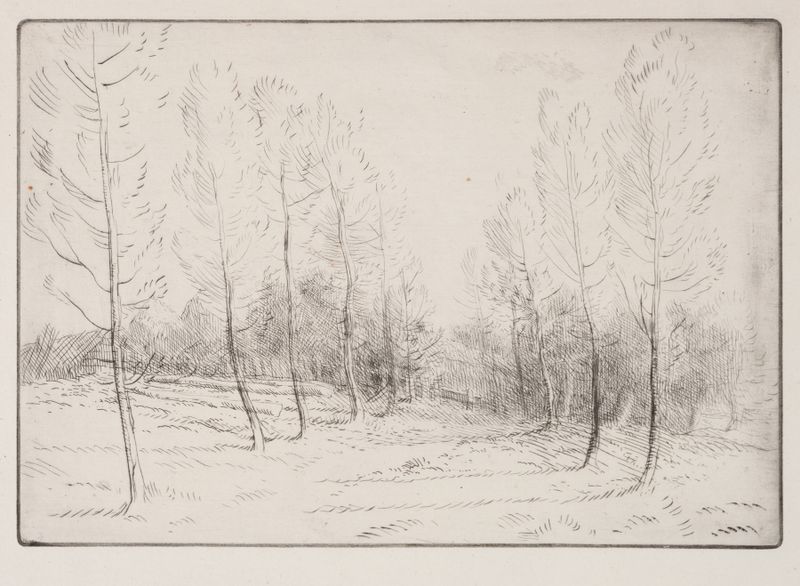
Avenue of Poplars
Alphonse Legros
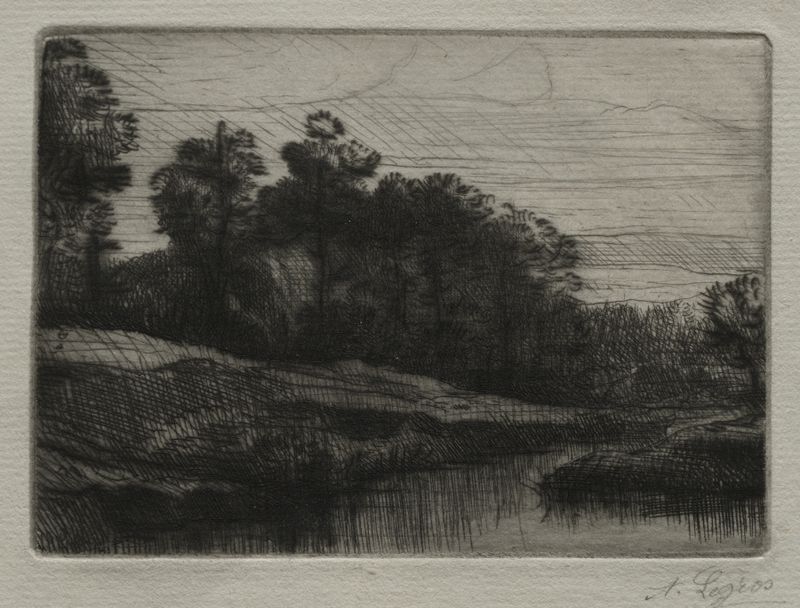
Evening
Alphonse Legros

The Fish in the Hoop Net
Alphonse Legros

The Little Beggar
Alphonse Legros
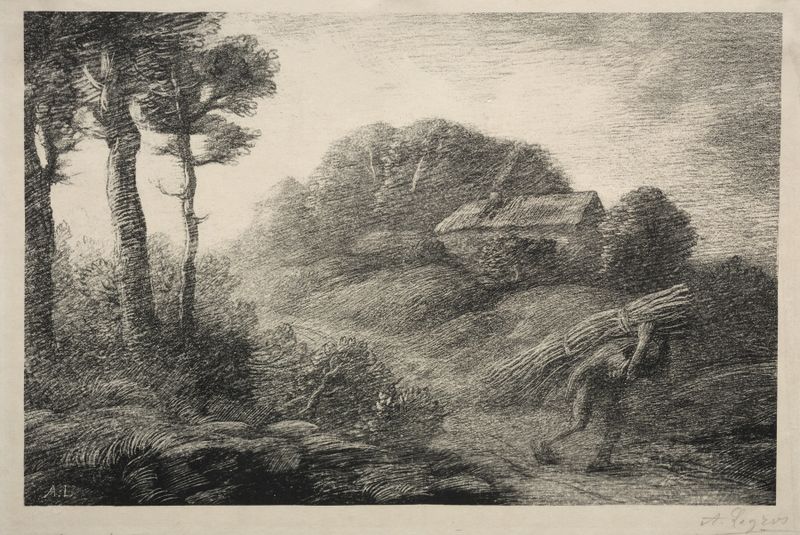
The Return of the Fagot Gatherer
Alphonse Legros

Storm
Alphonse Legros
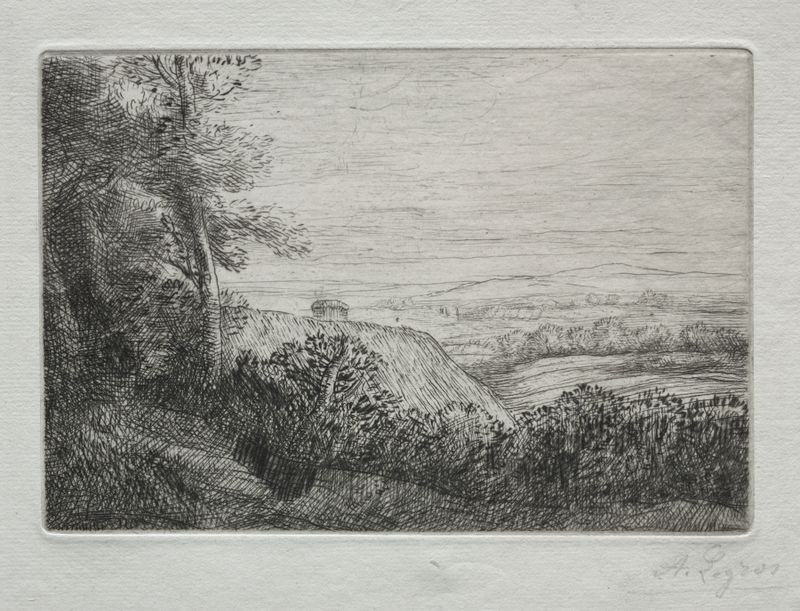
Les dernière Rayons de Soleil
Alphonse Legros
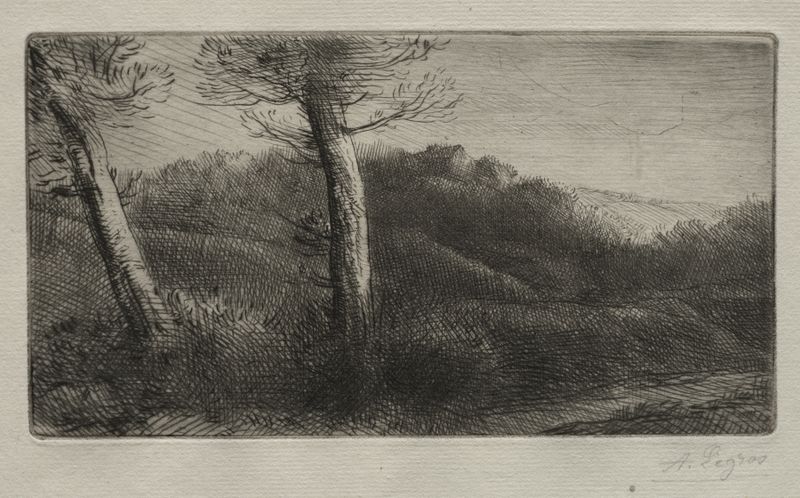
The Traveler Stretched out on the Grass
Alphonse Legros
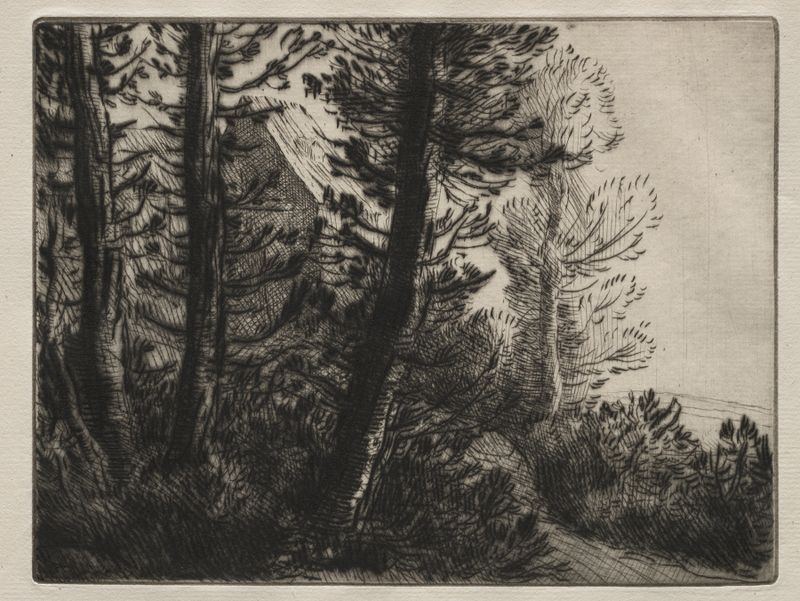
Guard House
Alphonse Legros

Death of a Vagabond
Alphonse Legros





