
The Parable of the Sower — History & Facts
The eye is drawn first to the sweep of the landscape, where a sower in a red jerkin scatters seed across a freshly turned field, his gesture echoed by the outstretched hand of a figure in flowing robes at the right. The scene is alive with detail: the distant village, its church spires rising against a pale sky, the sturdy castle anchoring the left, and the gentle slope that leads the viewer’s gaze from the sowing peasant to the group of listeners. The painter has carefully balanced the composition, using the bare trees as a screen between the everyday labor and the moment of teaching, while the birds pecking at the seed hint at the fate of the sower’s efforts.
The palette is cool and clear, with soft greens and blues lending the countryside a sense of calm order, even as the parable’s lesson hangs in the air. Works like this by Abel Grimmer belong to a world where biblical stories were woven into the rhythms of daily life, painted for homes or small chapels rather than grand altarpieces. In the late sixteenth and early seventeenth centuries, artists in the Low Countries often set sacred narratives in familiar Flemish landscapes, making the lessons of scripture immediate and local. The Parable of the Sower invites its viewers to see themselves in both the laborer and the listeners, to ponder the fate of their own “seeds.” This particular painting, now in the Art UK collection, is a reminder of how art once served as both teaching tool and window onto a world at once ordinary and touched by the divine—look again, and you may find yourself standing on that same path, listening.
More Artworks by Abel Grimmer

Flemish proverbs
Abel Grimmer
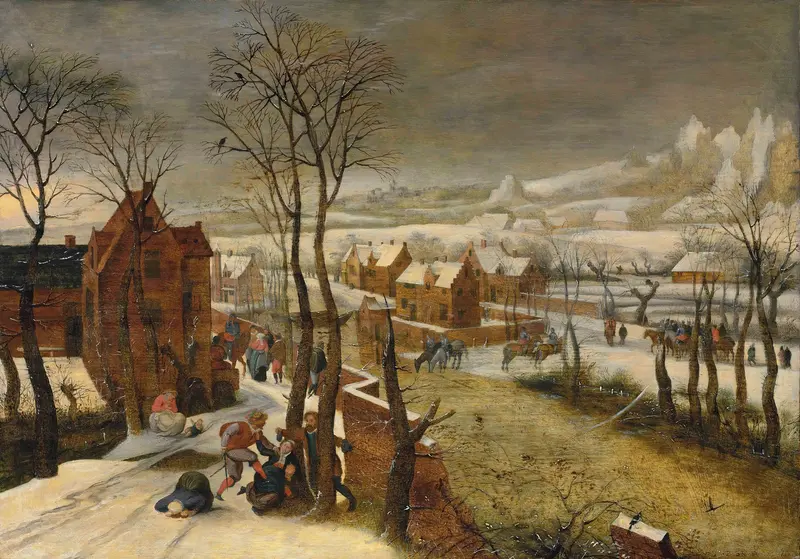
A Village Landscape In Winter With The Massacre Of The Innocents
Abel Grimmer
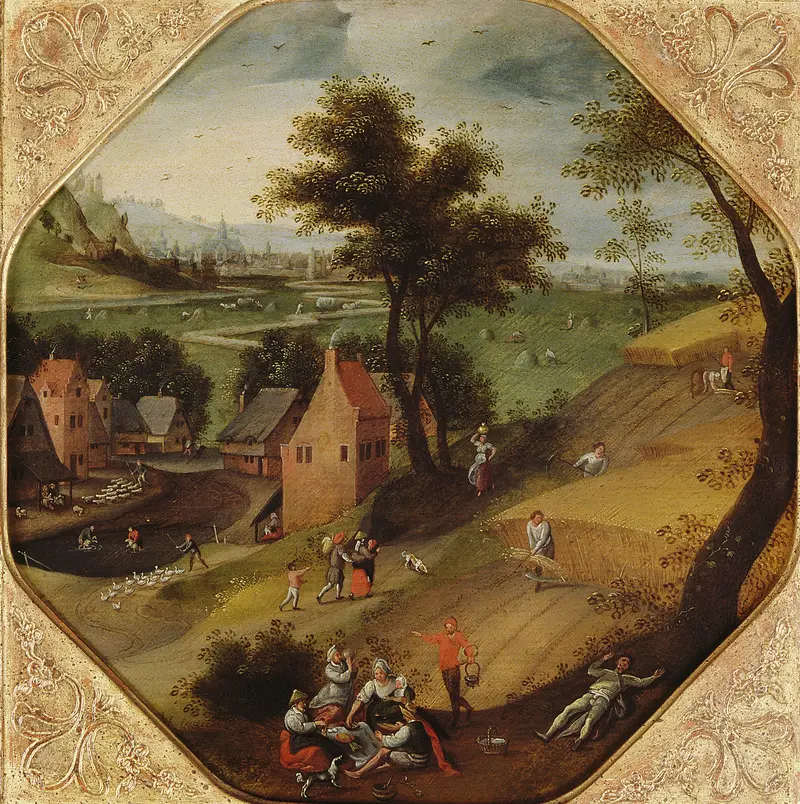
De Zomer
Abel Grimmer
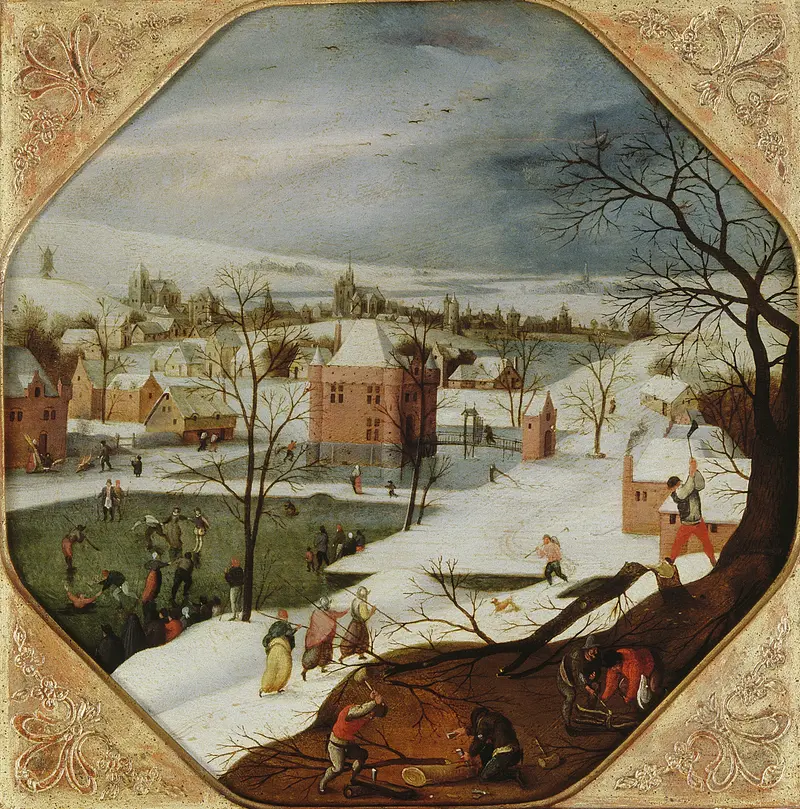
De Winter
Abel Grimmer
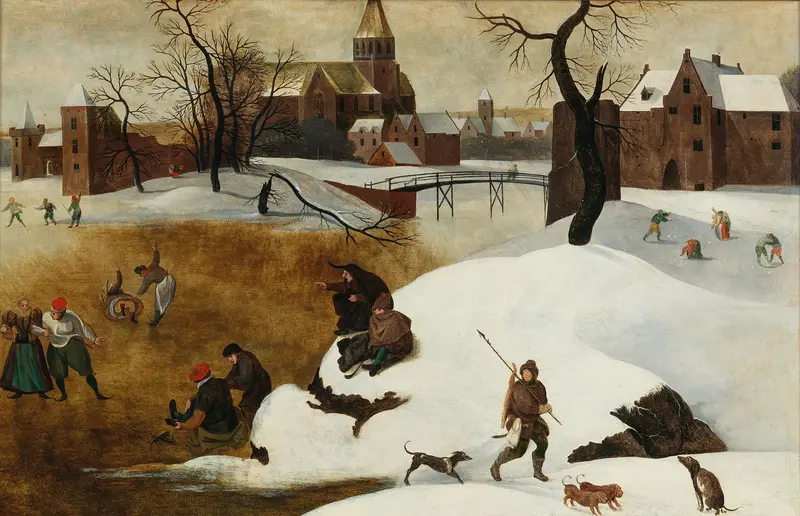
winter landscape with skaters
Abel Grimmer
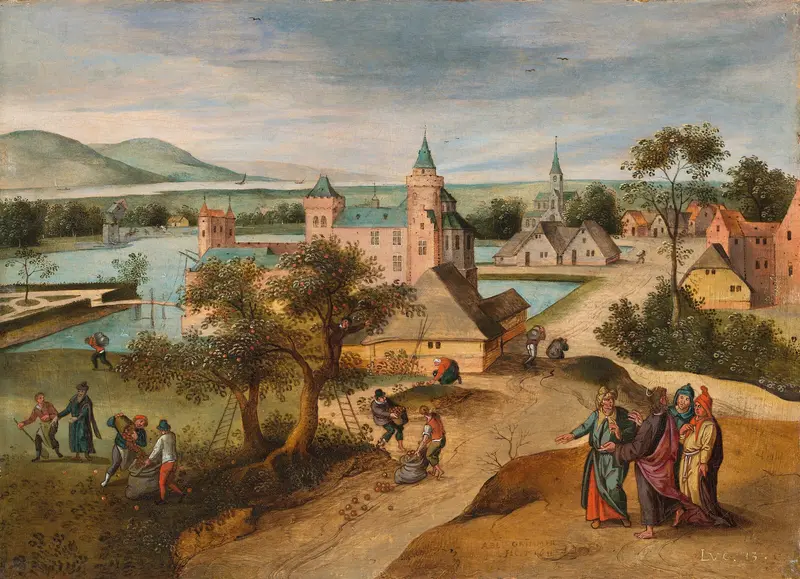
September – The Parable of the Barren Fig Tree
Abel Grimmer
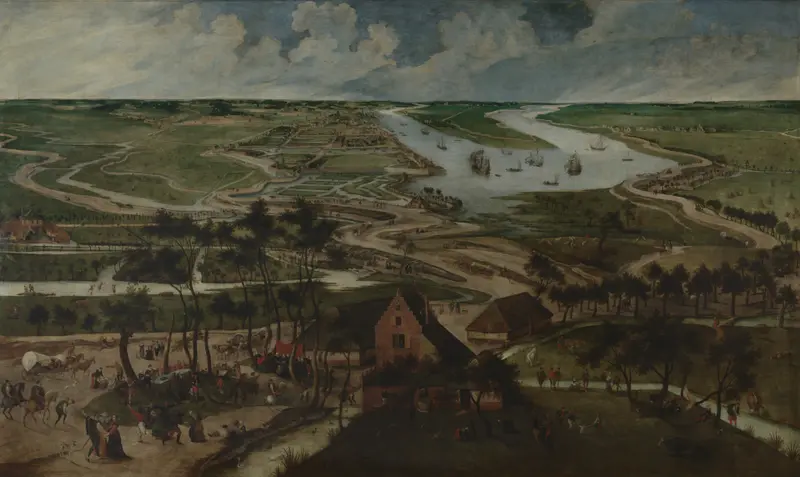
The Eel Huts in the Antwerp Polder outside the Lillo or Slijk Gate
Abel Grimmer
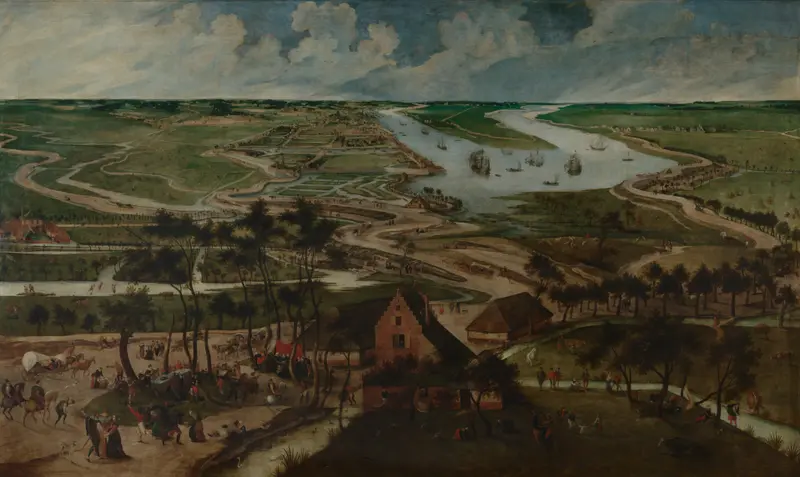
De Antwerpse polder en de Palinghuizen buiten de Slijk- of Lillopoort
Abel Grimmer
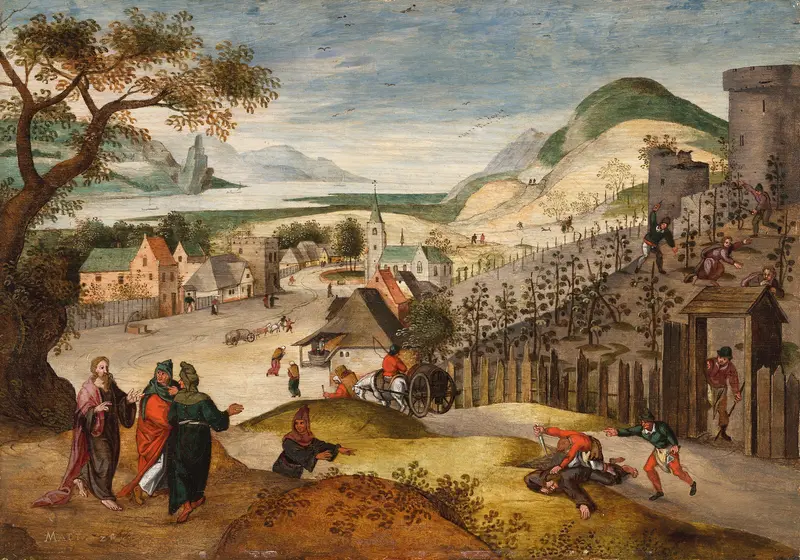
October – The Parable of the Vineyard
Abel Grimmer
The Marketplace in Bergen op Zoom
Abel Grimmer





