
The Pink Dress (Albertie-Marguerite Carré, later Madame Ferdinand-Henri Himmes, 1854–1935) — History & Facts
It is the pink that first catches the eye—a dress that seems to bloom from the canvas, its ruffles and folds painted with a lightness that hints at movement even in stillness. The sitter’s relaxed pose, one arm draped over the side of the chair and the other resting gently on her lap, speaks of comfort and quiet confidence. Her gaze meets the viewer’s directly, neither shy nor challenging, but calmly present, as if she is waiting for a conversation to begin.
The soft, almost unfinished brushwork around her hands and the background draws attention to her face, where the artist’s touch grows more precise. Behind her, a vase of flowers echoes the pink of her dress, suggesting a harmony between figure and setting that feels both deliberate and effortless. Painted in 1873, this portrait belongs to a world on the edge of change. In the early 1870s, artists like Berthe Morisot were redefining what portraiture could be, moving away from the rigid formality of academic painting toward something more intimate and immediate.
Works like this were often commissioned by families eager to capture the likeness—and the spirit—of their daughters, wives, or sisters, but here the mood is less about display than about presence. The painting now resides in the collection of the Metropolitan Museum of Art, a testament to the enduring appeal of these quiet moments of modern life. Look again at the sitter’s expression: it is the face of a new era, painted with all the freshness and candor that Impressionism would soon bring to the world.
More Artworks by Berthe Morisot

The Harbor at Lorient
Berthe Morisot
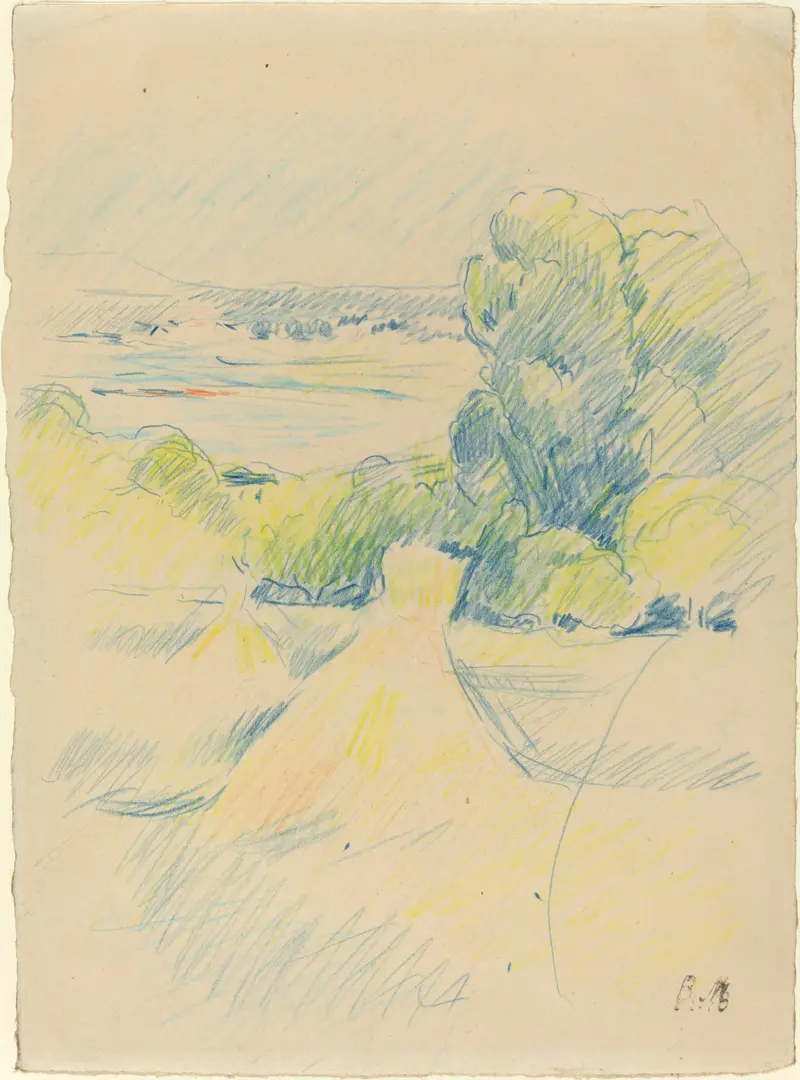
Landscape
Berthe Morisot

Hanging the Laundry out to Dry
Berthe Morisot

Woman in a Garden
Berthe Morisot

Young Girl with Hat
Berthe Morisot
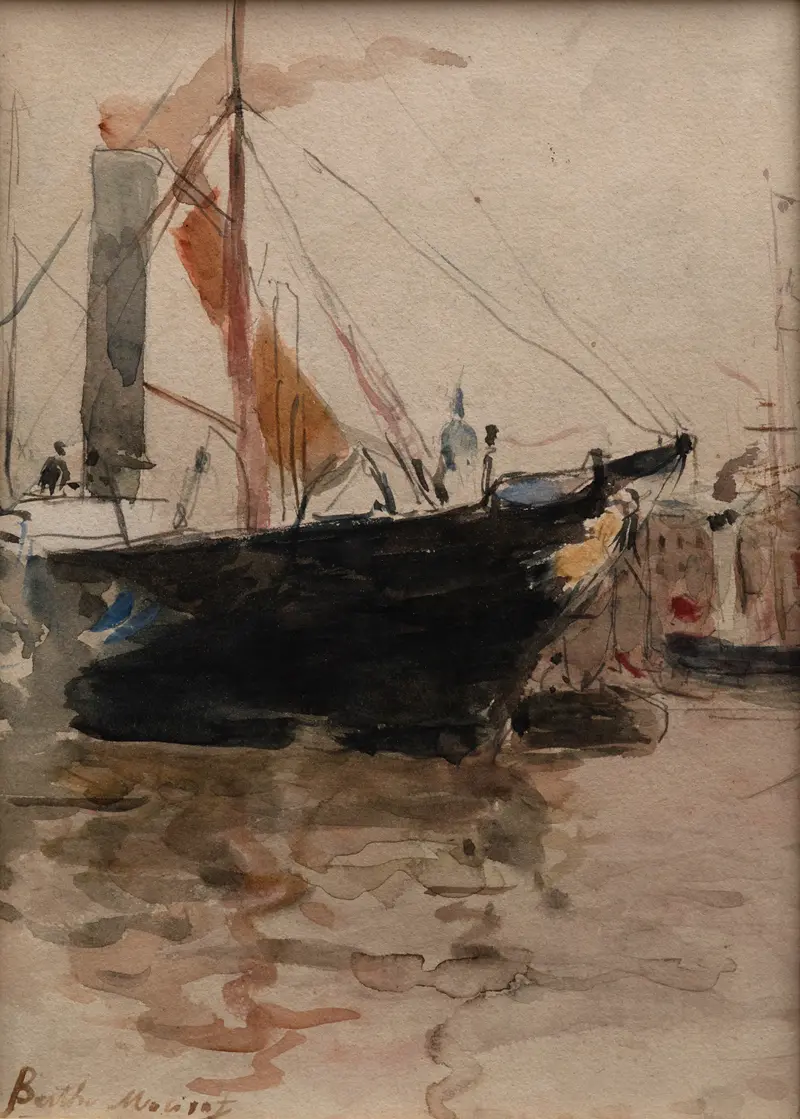
Harbor Scene, Isle of Wight
Berthe Morisot
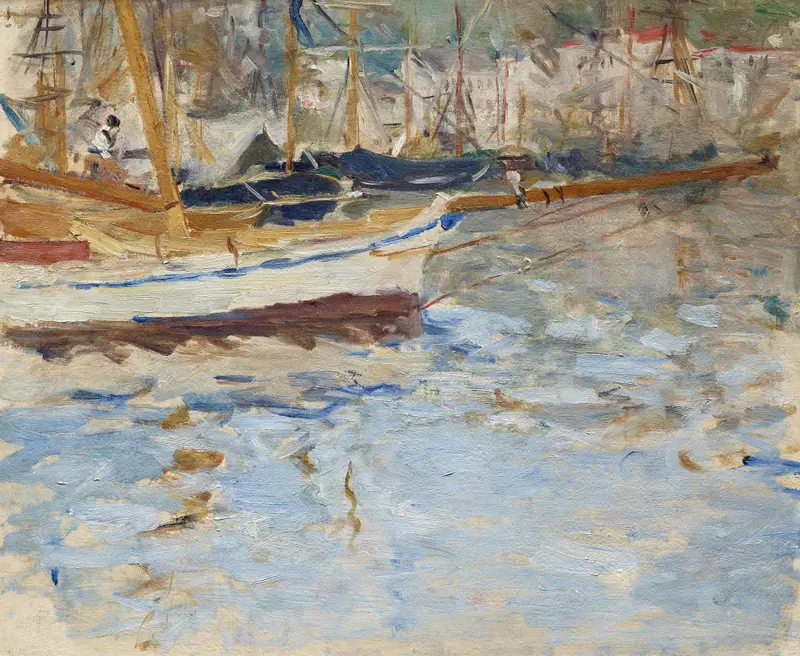
The Port of Nice
Berthe Morisot
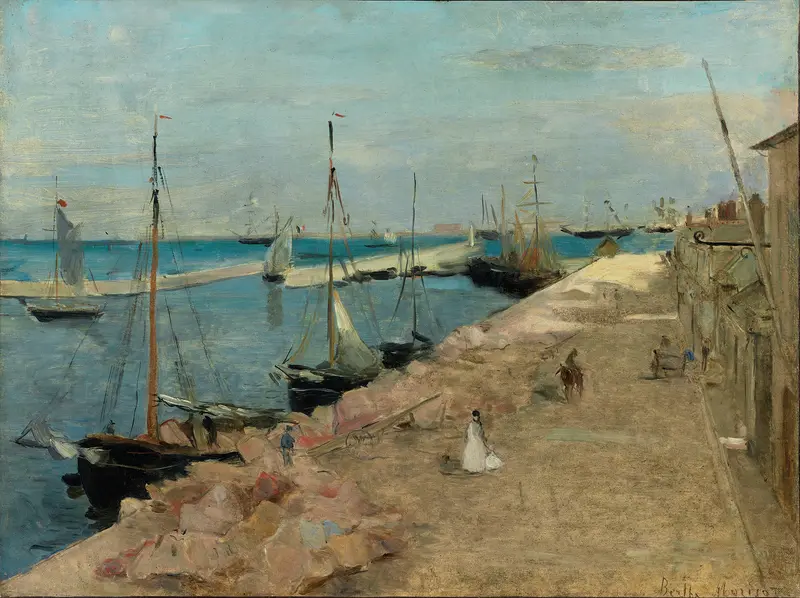
The Harbor at Cherbourg
Berthe Morisot

The Mother and Sister of the Artist
Berthe Morisot
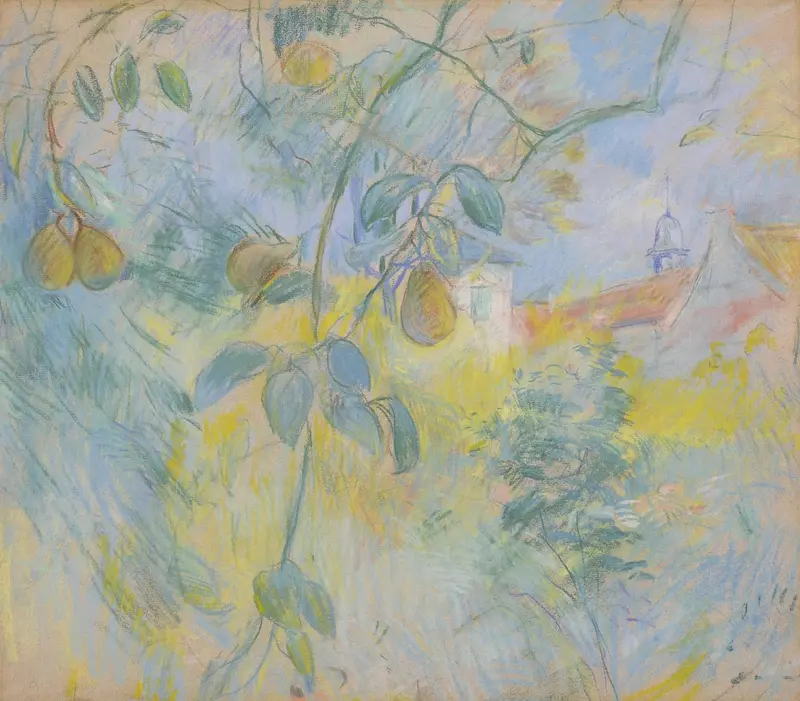
Les Poires
Berthe Morisot





