
The Pont Neuf and the Samaritaine at night — History & Facts
What first catches the eye is not the famous bridge itself, but the way Albert Marquet lets the city’s electric glow dissolve into the night. The lamps scatter across the Pont Neuf like pearls spilled over black velvet, their reflections trembling in the river below. The brushwork is loose, almost hesitant, as if the scene might vanish if looked at too directly.
Neon signs pulse in the distance, their color bleeding into the wet pavement, while the blurred silhouettes of buses and figures drift through the rain-soaked streets. Marquet’s palette is restrained, yet every dab of yellow or red seems to pulse with the quiet energy of Paris after dark. Painted in 1937, this work belongs to a world where the city’s ancient stones met the new rhythms of modern life. Scenes like this—urban, nocturnal, alive with artificial light—became a fascination for painters in the early twentieth century, reflecting both the excitement and the anonymity of city living.
Marquet was known for his views of rivers and ports, but here, the Pont Neuf is less a monument than a stage for the play of light and shadow. Now held at the Musée des Beaux-Arts de Bordeaux, on deposit from the Centre Pompidou, this painting invites us to linger in the hush between the city’s old heart and its electric future. Let your eyes follow the line of lamps into the darkness, and imagine the stories unfolding beneath their glow.
More Artworks by Albert Marquet
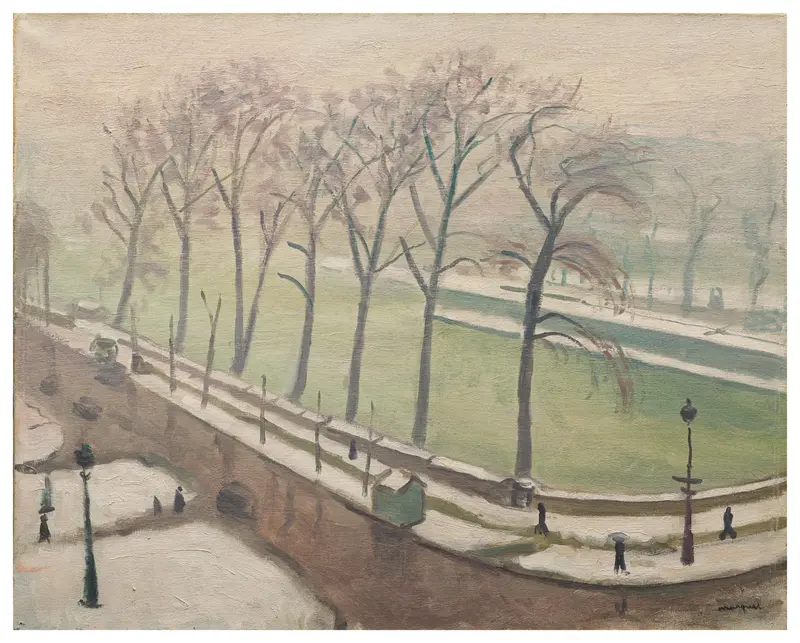
Pont-Neuf sous la neige
Albert Marquet

Le Port d’Alger
Albert Marquet
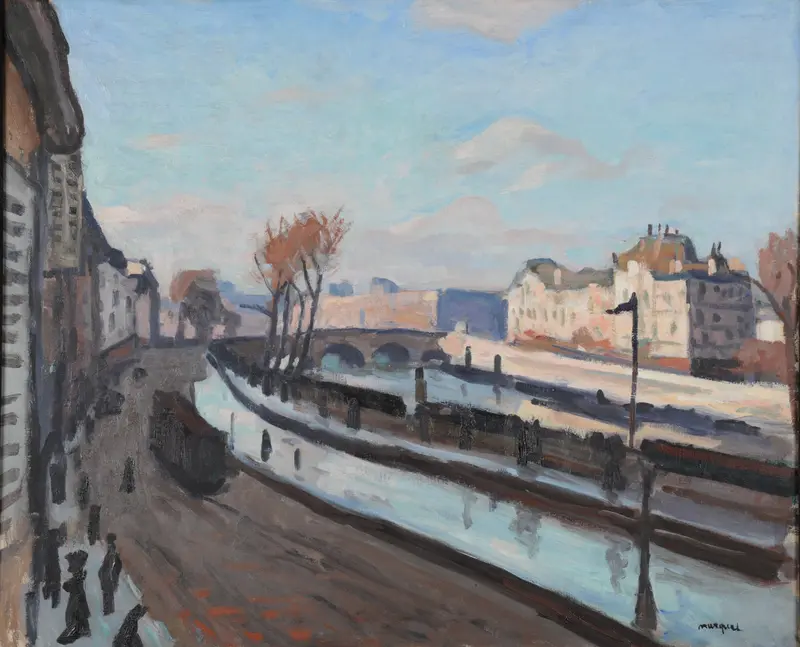
Le quai des Grands Augustins
Albert Marquet

Le jardin à l’Estaque
Albert Marquet
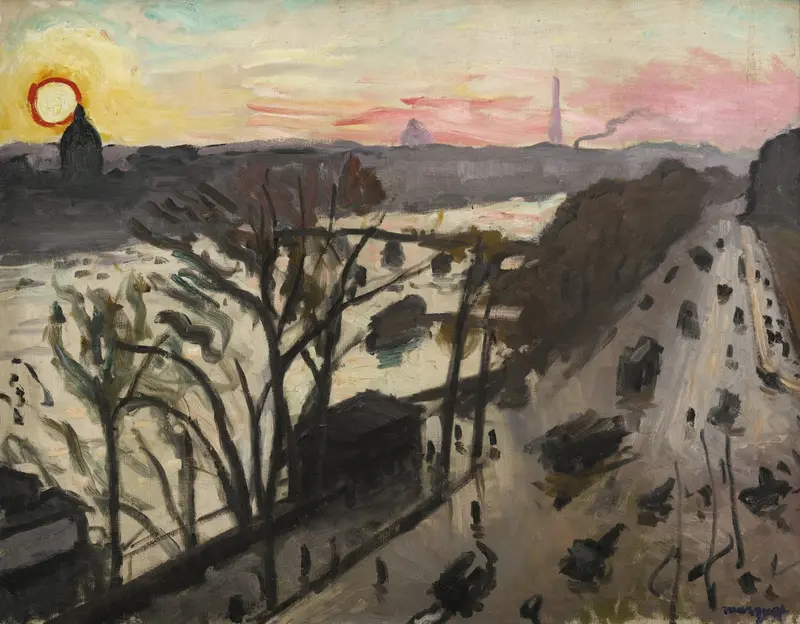
Paris, quai du Louvre, soleil d’hiver
Albert Marquet
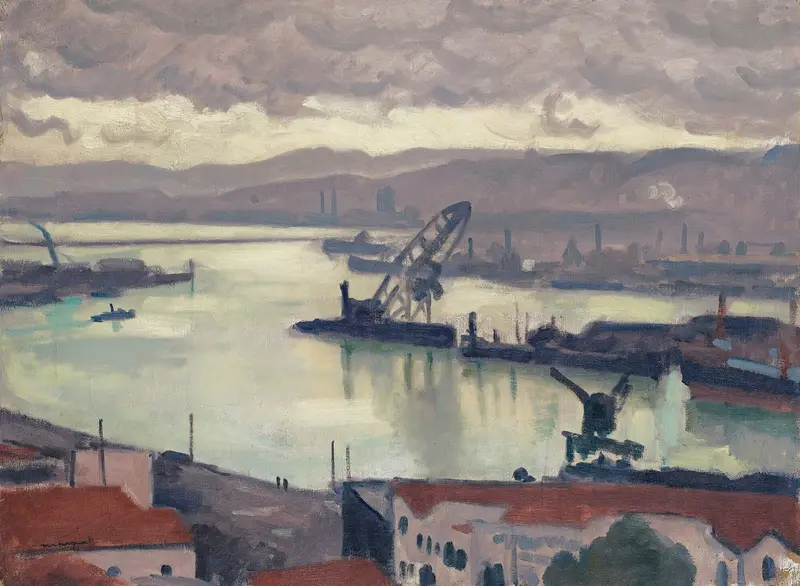
Alger, Temps Gris
Albert Marquet

Berge de la Seine à Méricourt
Albert Marquet
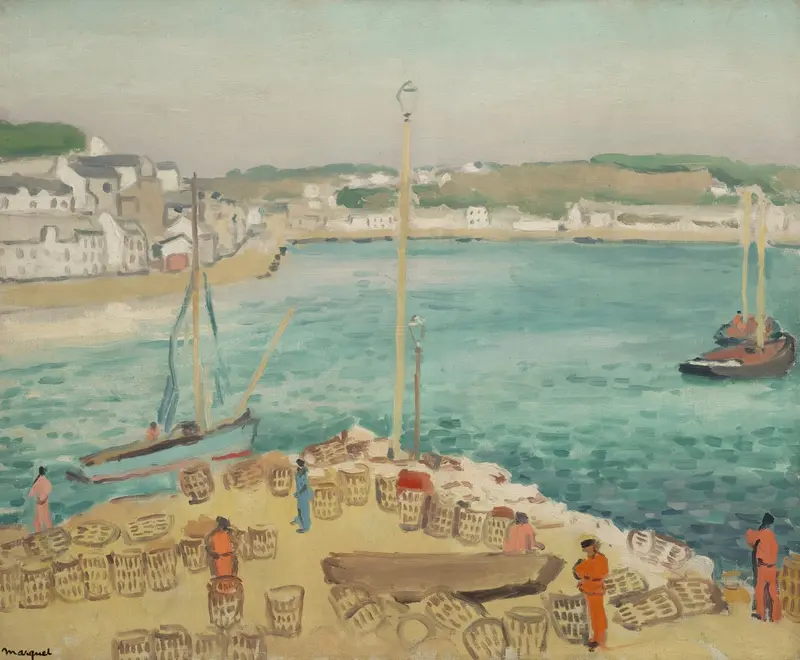
Audierne, les tonneaux
Albert Marquet
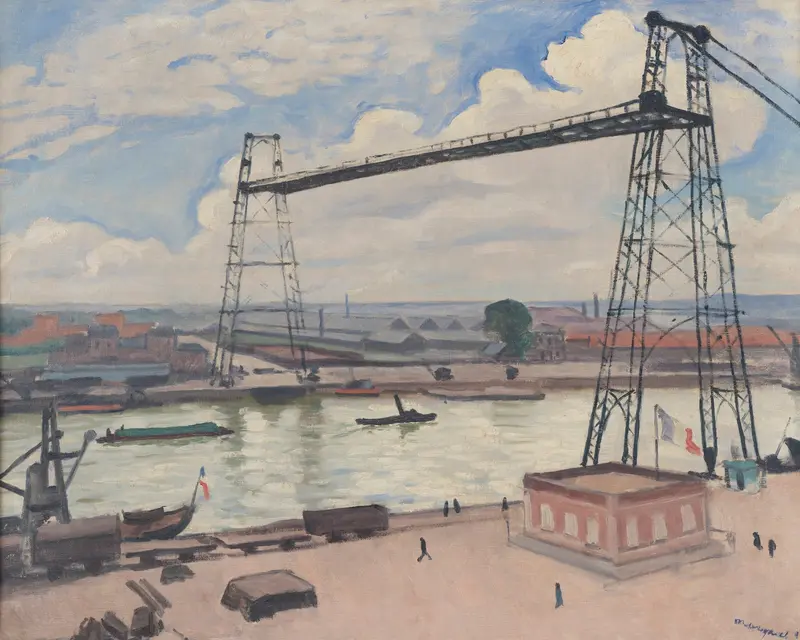
Rouen, le pont transbordeur
Albert Marquet
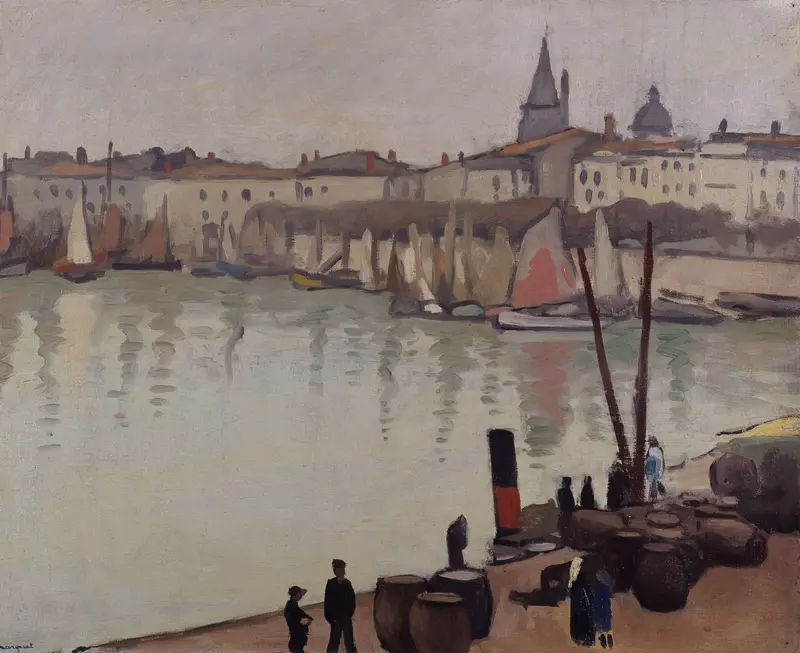
Port of La Rochelle
Albert Marquet
More Landscape Art

The Starry Night
Vincent van Gogh

View of Delft
Johannes Vermeer

Water Lilies
Claude Monet

The Grand Canal, Venice, looking north-west from the Ca' Corner to the Ca' Contarini degli Scrigni, with the campanile of Santa Maria della Carità
Canaletto

Windsor Castle
Canaletto

The Grand Canal looking North-East from the Palazzo Dolfin-Manin to the Rialto Bridge
Canaletto