
The Prisoner — History & Facts
In The Prisoner, the artist captures the essence of existence frozen in a moment, echoing the silent struggles against the relentless passage of time. Each brushstroke invites contemplation, encouraging viewers to reflect on their own temporal journeys and the weight of memories. Focus on the central figure, a solitary man, whose downcast eyes embody despair and introspection. Notice how the light, diffused yet stark, illuminates his rough features, contrasting with the surrounding shadows that envelop him like forgotten dreams.
The muted palette evokes a somber atmosphere, highlighting the emotional gravity of the scene, while the delicate interplay of light and dark emphasizes a tension that resonates deeply within the viewer. Subtle details, such as the shackles that bind him, serve as poignant symbols of confinement, both physically and mentally. Here, the artist juxtaposes the vastness of human potential against the stark limitations imposed by circumstance. The somber expression of the figure invites a deeper inquiry into the nature of freedom and the burdens of the past, provoking a complex relationship with time that permeates the viewer's experience. In this period of his career, Joseph Wright of Derby was exploring themes of enlightenment and human emotion, having established himself in the late 18th century.
As he painted The Prisoner, European society was grappling with the scientific revolution's implications, prompting artistic explorations of the human condition amidst a changing world. Wright's work at this time reflects a delicate balance between the exhilarating promise of progress and the haunting shadows of personal and collective histories.
More Artworks by Joseph Wright of Derby
Browse all →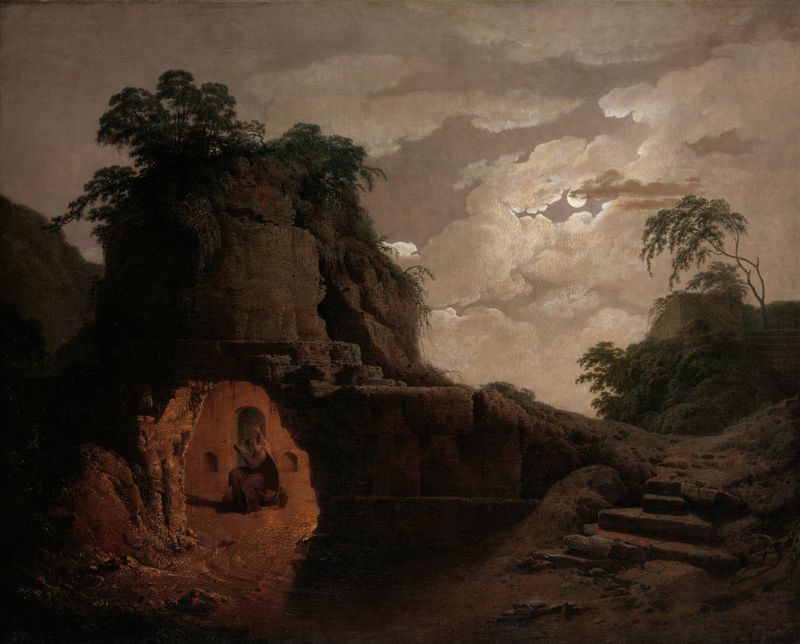
Virgil’s Tomb by Moonlight, with Silius Italicus Declaiming
Joseph Wright of Derby

Virgil’s Tomb by Moonlight, with Silius Italicus
Joseph Wright of Derby
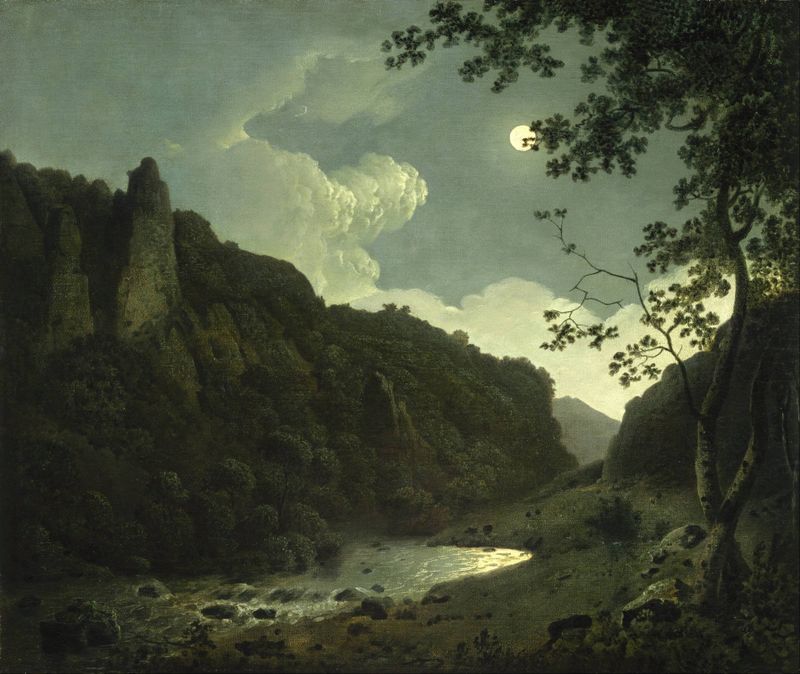
Dovedale by Moonlight
Joseph Wright of Derby

A view of Vesuvius from Posillipo, Naples
Joseph Wright of Derby

Virgil’s Tomb By Moonlight
Joseph Wright of Derby
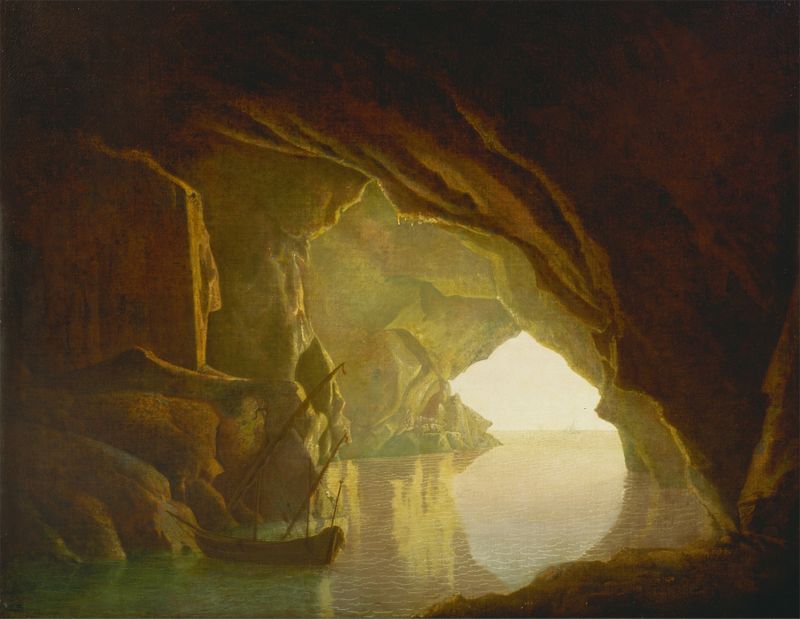
A Grotto in the Gulf of Salerno, Sunset
Joseph Wright of Derby
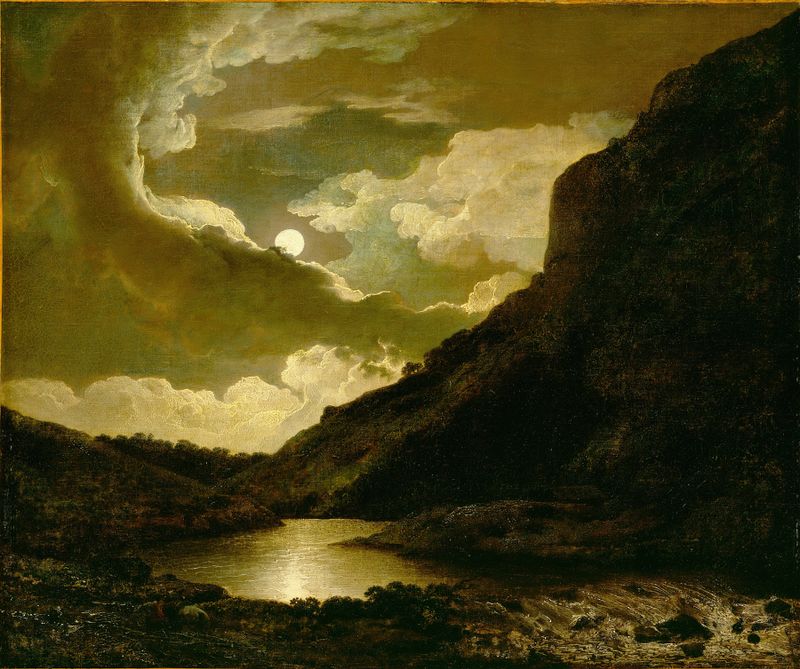
Matlock Tor By Moonlight
Joseph Wright of Derby

A cottage on fire at night
Joseph Wright of Derby

The Gulf of Salerno
Joseph Wright of Derby
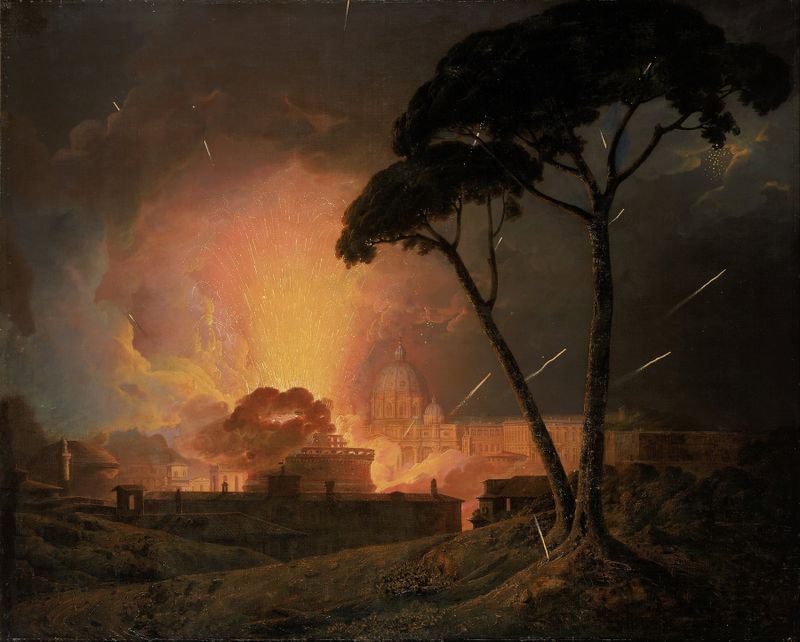
The Annual Girandola at the Castel Sant’Angelo, Rome
Joseph Wright of Derby





