
The Punishment of Haman — History & Facts
When Michelangelo painted The Punishment of Haman in 1511, he was at the height of his powers, working on the Sistine Chapel ceiling for Pope Julius II. This particular scene stands out as the only Old Testament episode on the ceiling to focus on a non-Israelite figure, highlighting the fall of an enemy rather than the triumph of a hero. The story of Haman’s execution was a rare subject in Renaissance art, and Michelangelo’s interpretation is still debated for its bold composition and ambiguous symbolism. At the center of the fresco, Haman is shown moments before his execution, suspended upside down from a wooden scaffold.
The narrative, drawn from the Book of Esther, tells of Haman, the Persian king’s advisor, who plotted to destroy the Jews but was instead condemned to the very gallows he had built for Mordecai. Michelangelo’s twisting figures, muscular and contorted, recall the dynamism of his earlier sculptures. The executioners’ gestures are forceful, while the bystanders’ expressions range from horror to indifference, intensifying the drama.
Unlike Rembrandt’s later, more psychological approach to biblical villains, Michelangelo’s focus is on the body and its physical ordeal, rendered with anatomical precision. Commissioned as part of the Sistine Chapel’s grand decorative scheme, The Punishment of Haman occupies a lateral panel above the chapel’s windows, sharing space with other Old Testament episodes. Over the centuries, the fresco has survived candle smoke, restoration campaigns, and the scrutiny of art historians, some of whom have questioned its attribution due to workshop involvement, though consensus remains with Michelangelo. Today, it continues to draw visitors to the Vatican, offering a glimpse into the artist’s fascination with human fate and divine justice at a pivotal moment in his career.
More Artworks by Michelangelo

Libyan Sibyl
Michelangelo
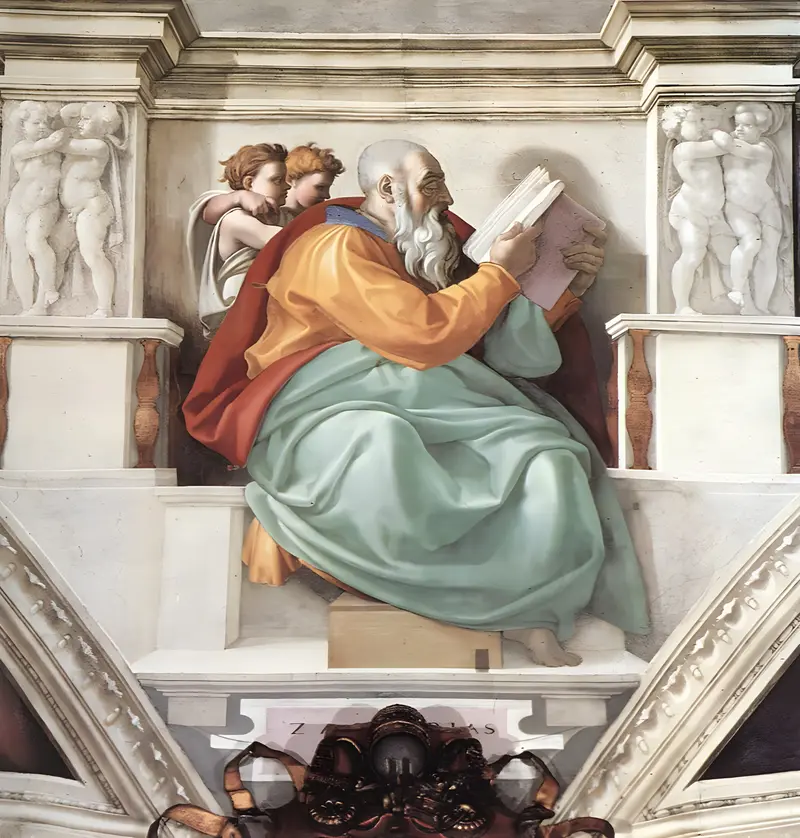
Prophet Zechariah
Michelangelo

Cumaean Sibyl
Michelangelo
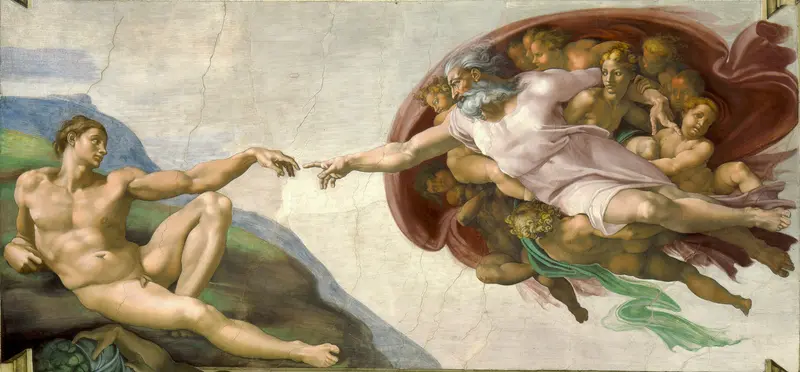
The Creation of Adam
Michelangelo
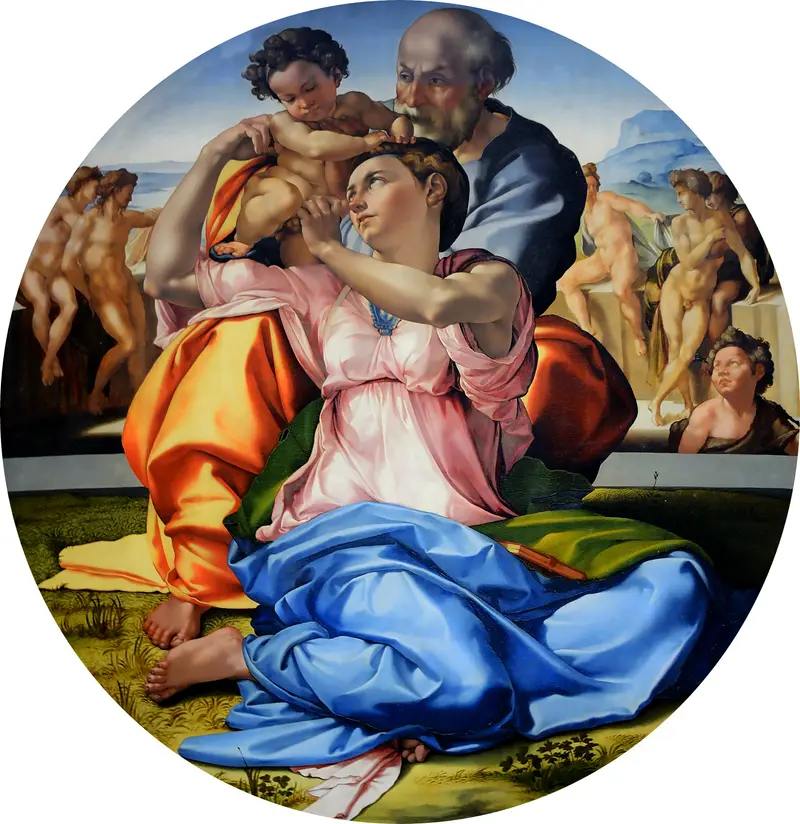
Doni Tondo
Michelangelo
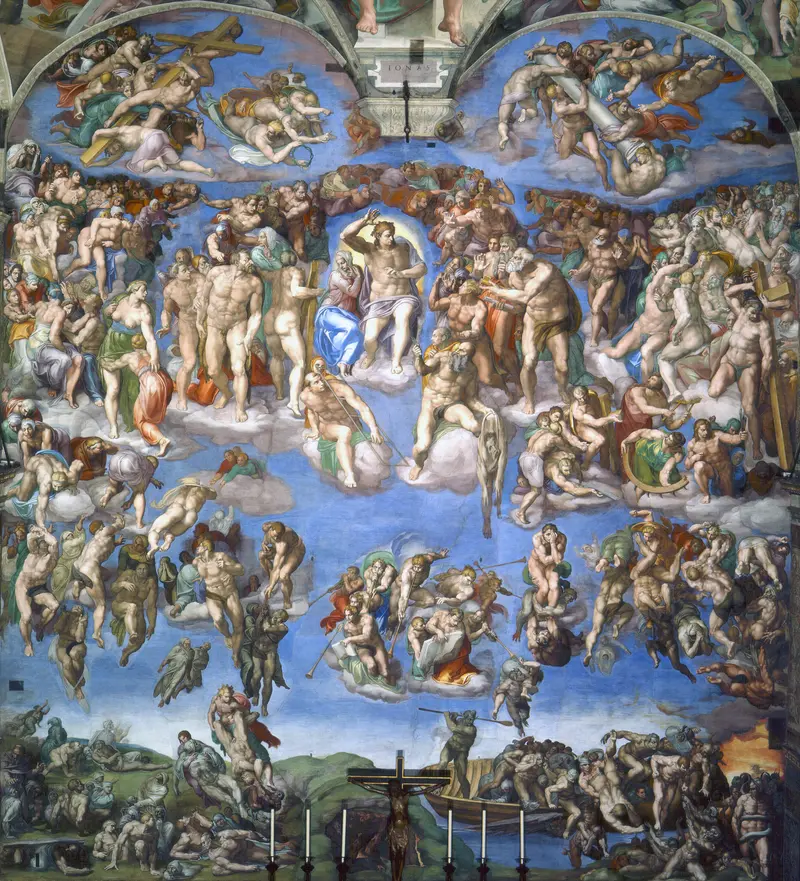
The Last Judgment
Michelangelo
Separation of Light from Darkness
Michelangelo
The Separation of the Earth and Waters
Michelangelo

Erythraean Sibyl
Michelangelo
Salmon, Boaz, Obed
Michelangelo




