
The regents of the Walenweeshuis, Amsterdam — History & Facts
What draws the eye first is the sense of quiet authority: four men, each with the same white cravat and imposing wig, gathered around a table draped in a richly patterned cloth. Their gazes meet the viewer with a calm, almost measured confidence, while the objects before them—a letter, an inkwell, a heavy book—hint at the business of governance or charity. The artist, Arnold Boonen, arranges their hands with care: one holds a folded paper, another gestures as if mid-discussion, and the rest rest quietly, suggesting both individual character and collective purpose.
The light falls gently across their faces, picking out the textures of fabric and flesh, while the deep browns of the background keep all attention on these men and their work. Painted in 1709, this group portrait belongs to a tradition that flourished in the Dutch Republic: the regents’ portrait, a genre that celebrated the civic leaders who managed almshouses, orphanages, and guilds. Such paintings, often commissioned by the institutions themselves, were both records and reminders of duty, meant to hang in boardrooms as models of probity and service. In this era, the Netherlands was still shaped by the legacy of its Golden Age—its cities governed by committees of burghers, its wealth tied to trade and charity.
Little is recorded about the journey of this particular painting, now held in a Dutch collection, but its very survival invites us to look again at the faces of those entrusted with the care of the vulnerable, and to imagine the world their decisions shaped.
More Artworks by Arnold Boonen

Portrait of Jan van Huysum
Arnold Boonen
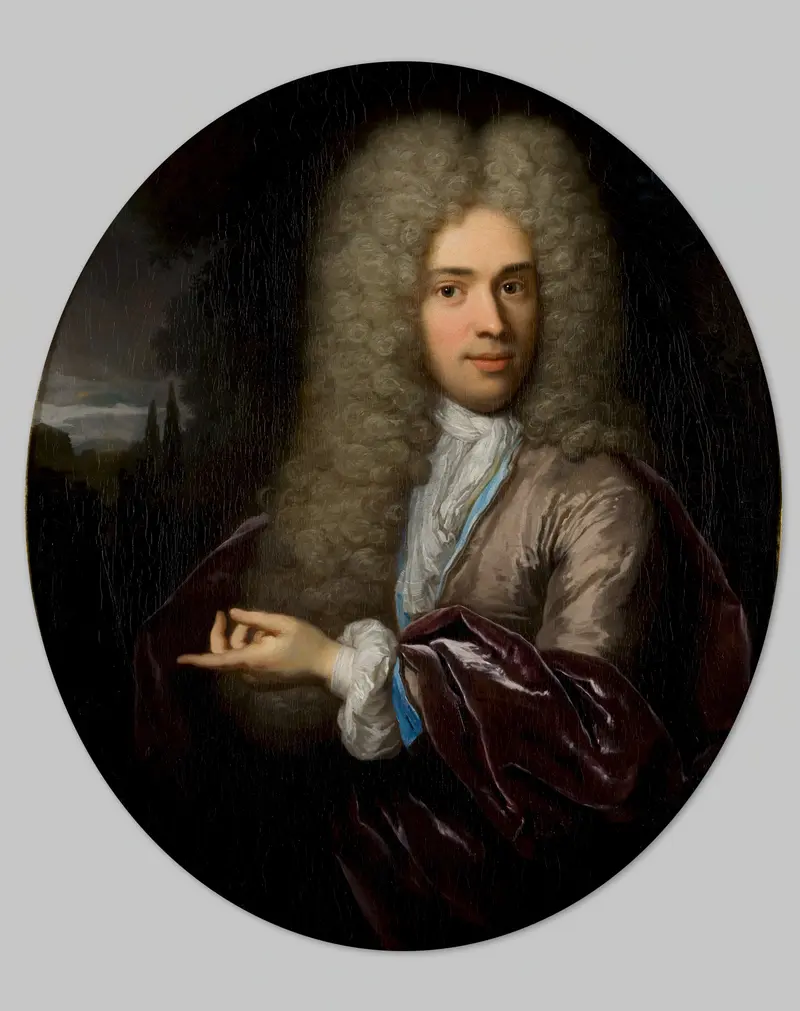
Daniël Deutz
Arnold Boonen
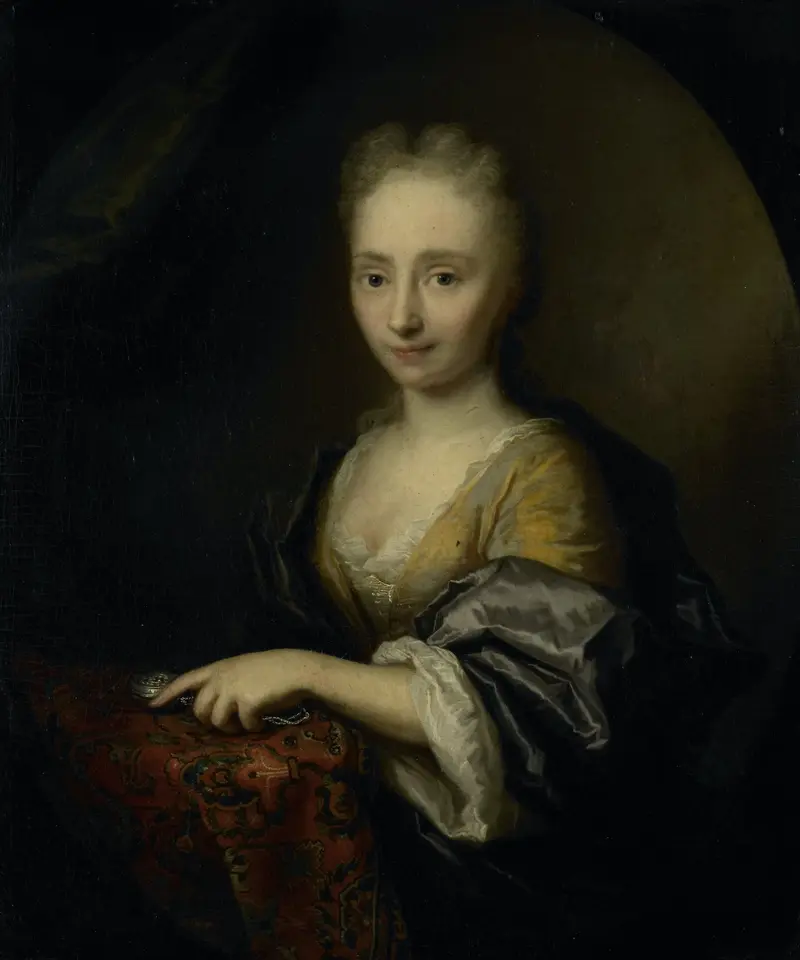
Portrait of a Woman SK-A-
Arnold Boonen
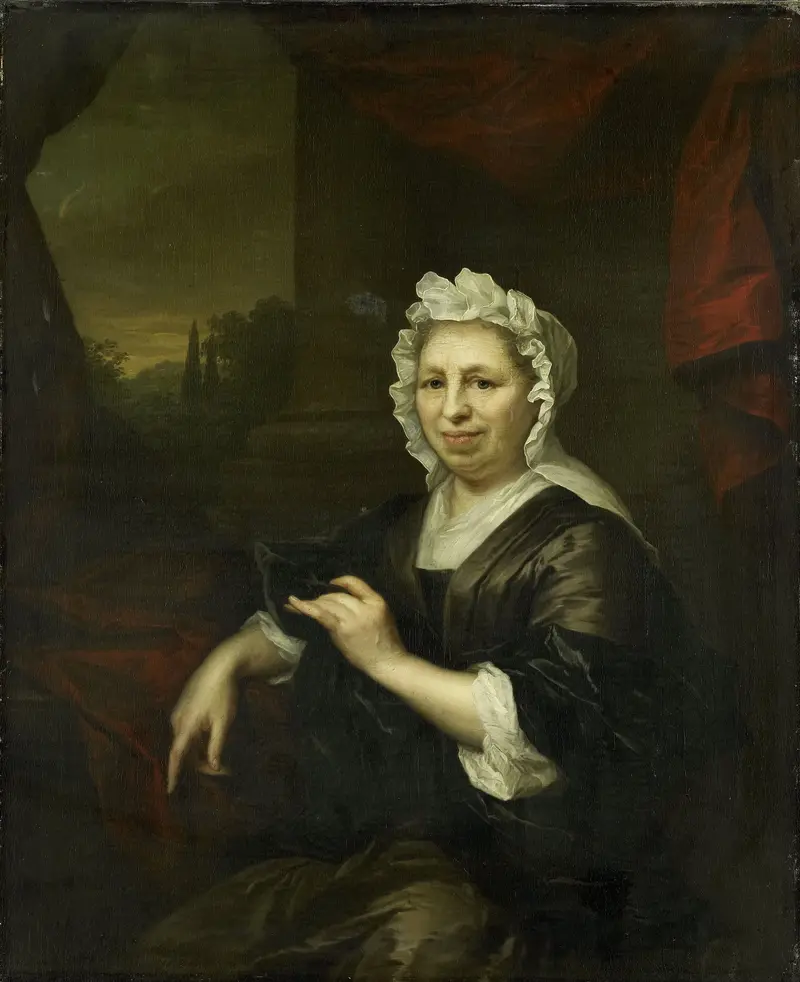
Portrait Brechje Hooft (1640-1721). Widow of Harmen van de Poll
Arnold Boonen
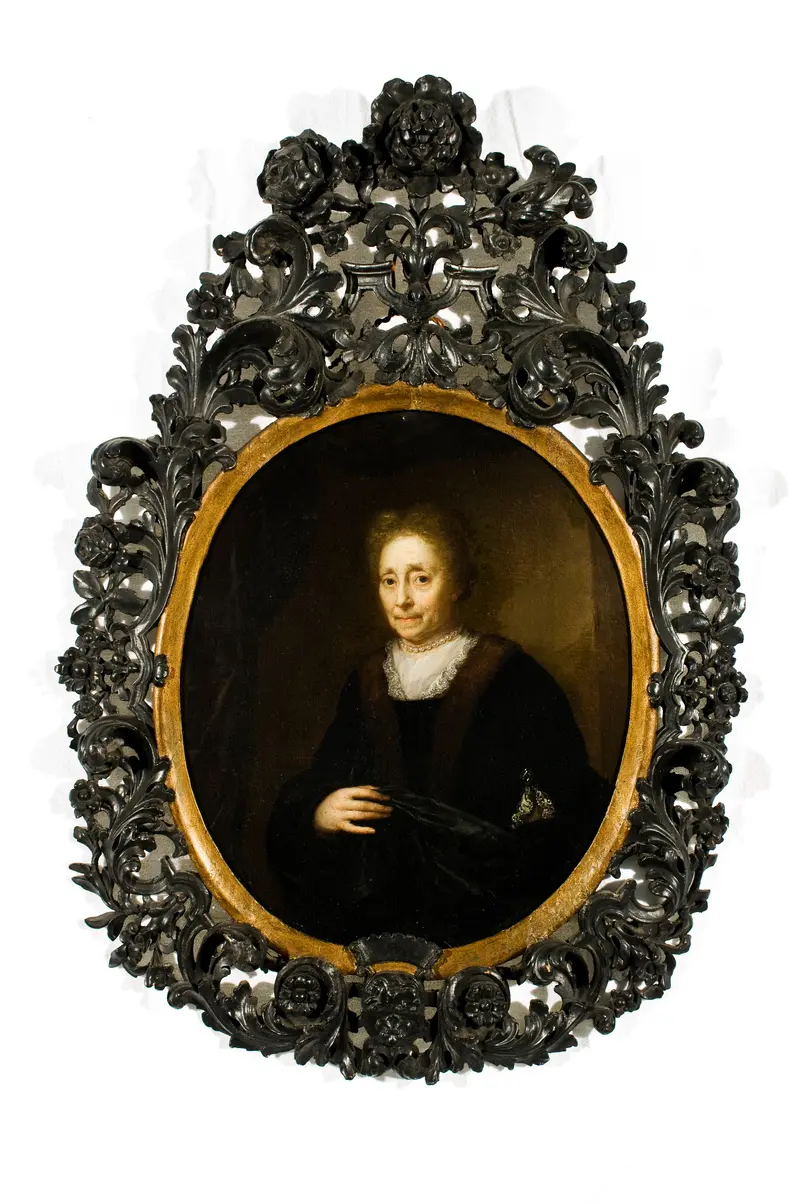
Portret van Elisabeth Schaep van Strijen, echtgenote van Mr. Pieter Schaep DM 011 980 Dordrechts Museum
Arnold Boonen
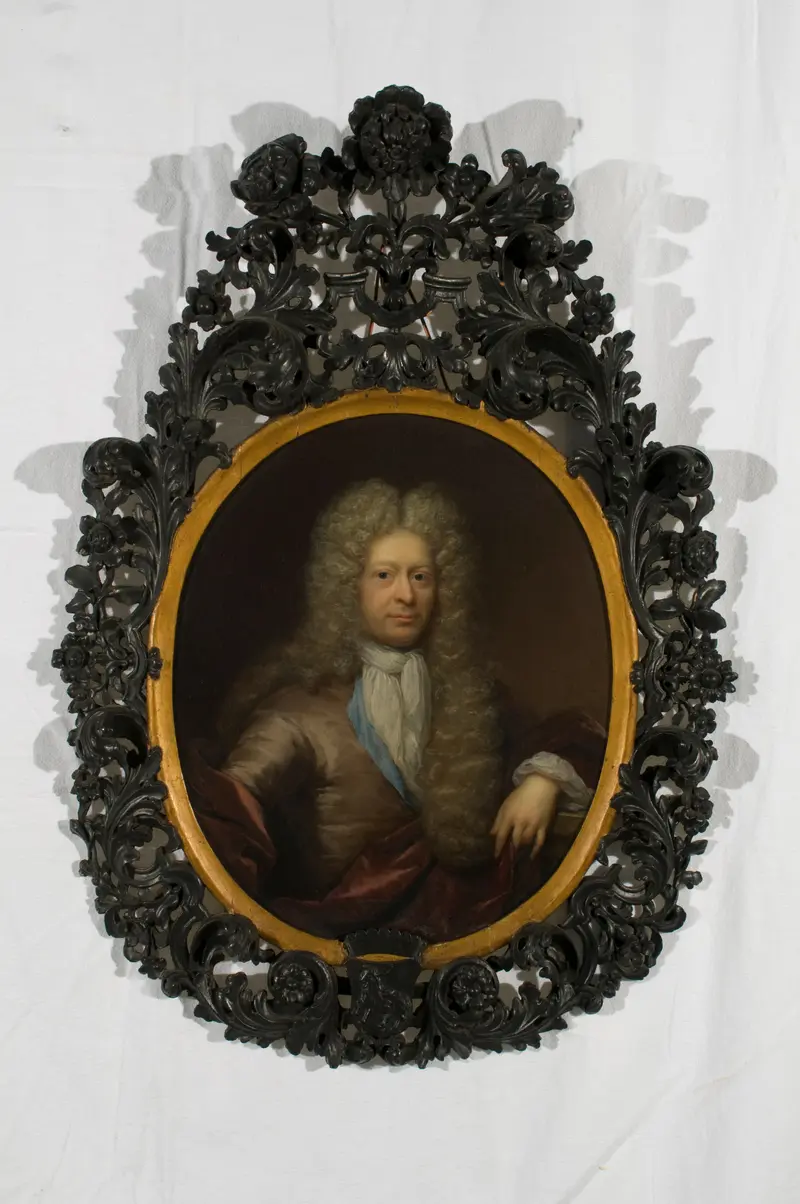
Portret van Mr Reynier Schaep DM 011 981 Dordrechts Museum
Arnold Boonen
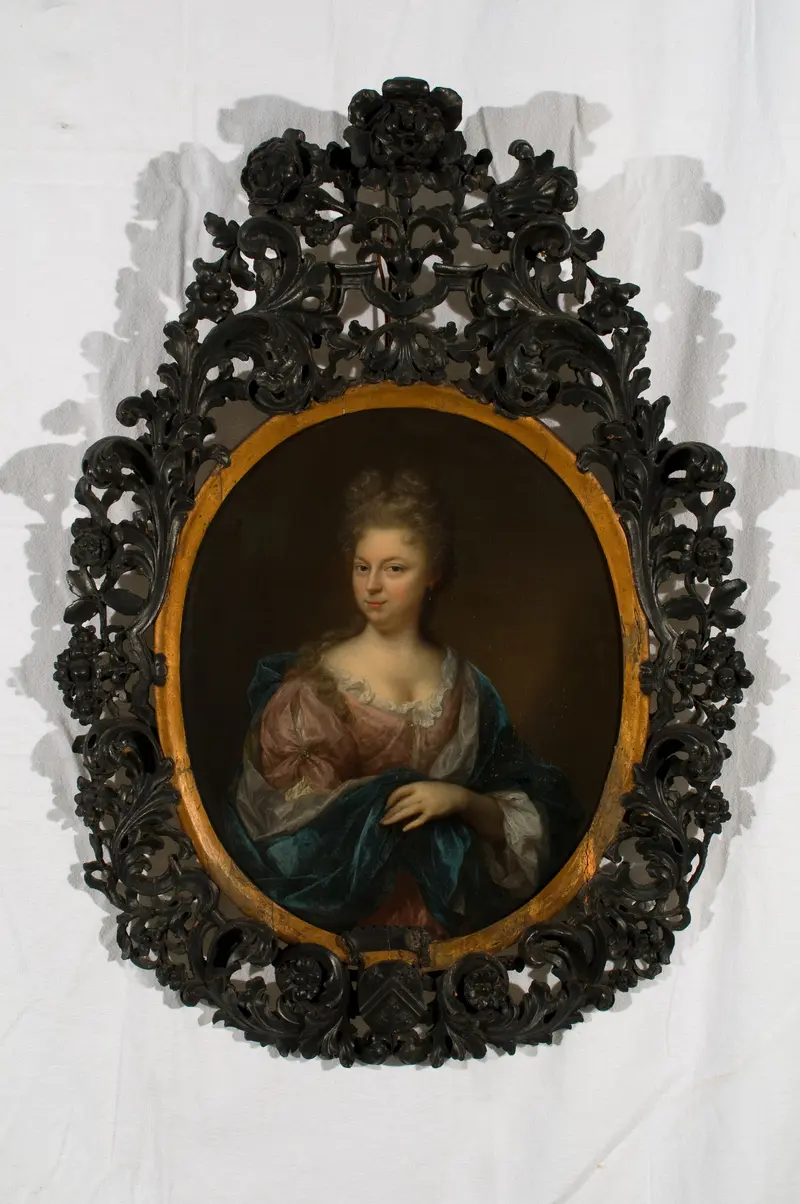
Portret van Eva Maria Muilman DM 011 982 Dordrechts Museum
Arnold Boonen
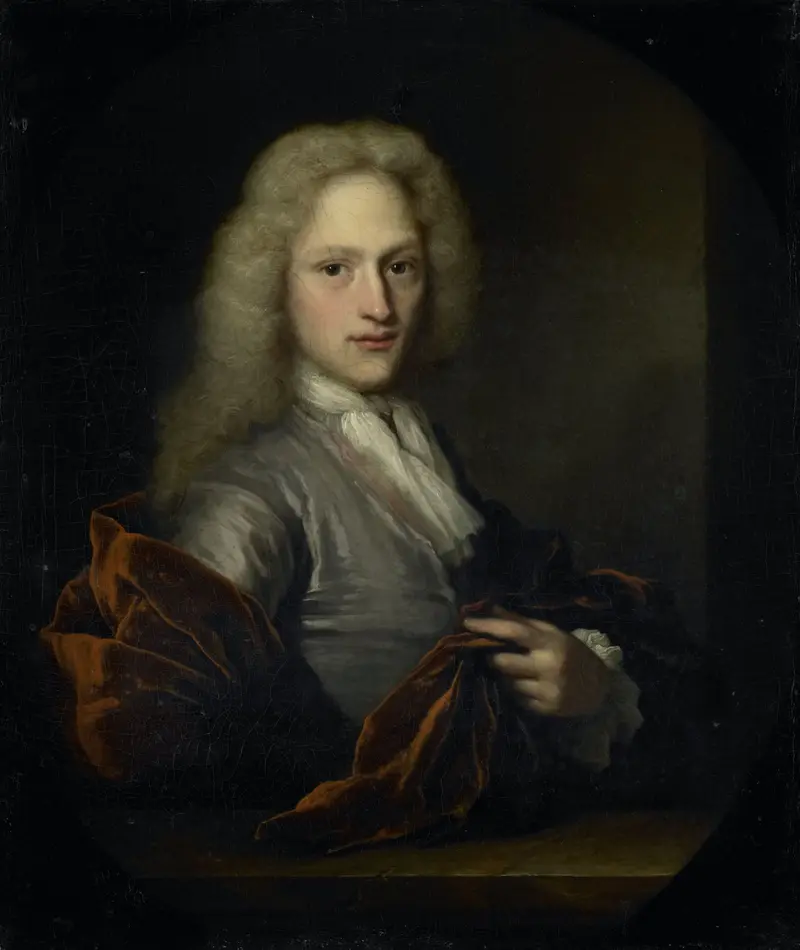
Portrait of a Man SK-A-
Arnold Boonen
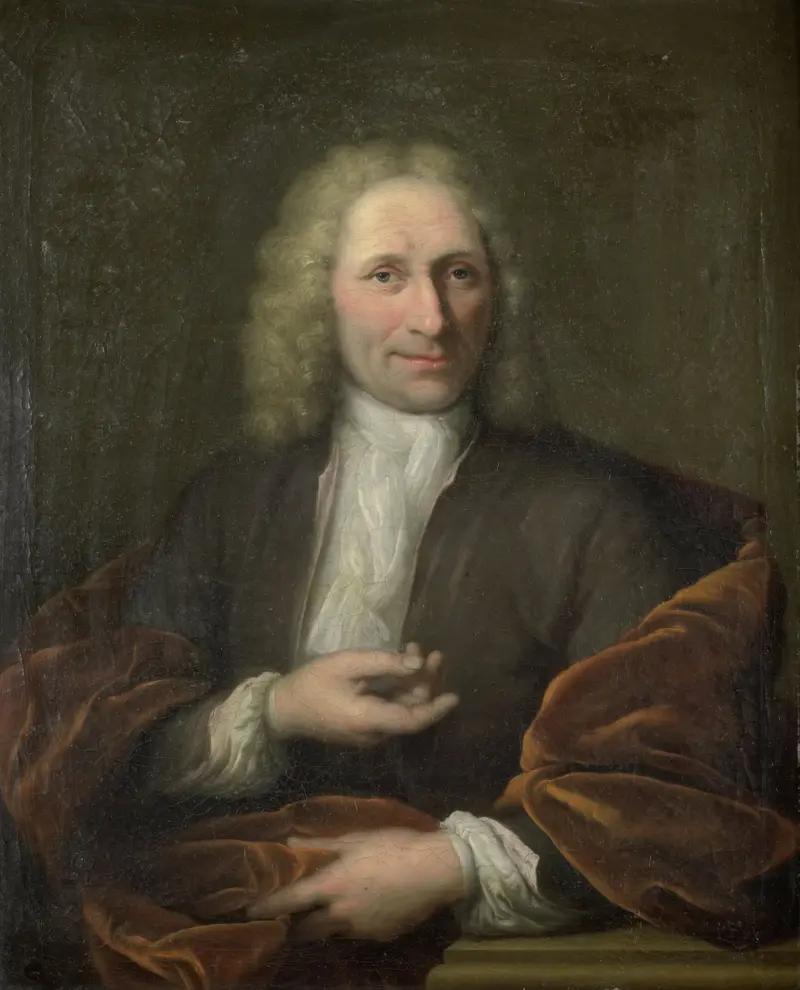
Portrait of a Man
Arnold Boonen
Portret van Mr. Pieter Schaep DM 011 979 Dordrechts Museum
Arnold Boonen





