
The Rest on the Flight into Egypt — History & Facts
What first draws the eye in The Rest on the Flight into Egypt is the hush that settles over the scene, as if the entire countryside is pausing to witness a private moment between mother and child. Mary, wrapped in a vivid red mantle that pools around her like a protective cocoon, bends her head in quiet devotion as she nurses the infant Jesus. The path behind her meanders through a patchwork of tidy houses and distant rivers, leading the viewer’s gaze from the intimacy of the foreground to the vast, cool landscape beyond.
The painter’s delicate handling of light—softly illuminating Mary’s face and the child’s bare skin—creates a gentle contrast with the shadowed trees, heightening the sense of shelter and calm. Every detail, from the careful folds of cloth to the winding roads, seems designed to draw us into this pause in a journey, inviting reflection rather than drama. Painted between circa 1520 and 1530, this work belongs to a moment in Northern Renaissance art when religious stories were brought down to earth, set amidst familiar towns and rolling hills. Scenes like this were often commissioned for private devotion, intended to make the holy both accessible and immediate for their owners.
The artist, Adriaen Isenbrant, was active in Bruges—a city famed for its meticulous landscapes and luminous colors—yet history has kept few traces of this particular painting’s early years. Today it hangs in the Museum of Fine Arts Ghent, a quiet testament to the era’s blend of everyday realism and spiritual longing. Look again at the distant city: even as the world stretches away, the heart of the story remains in the gentle curve of Mary’s arms.
More Artworks by Adriaen Isenbrant
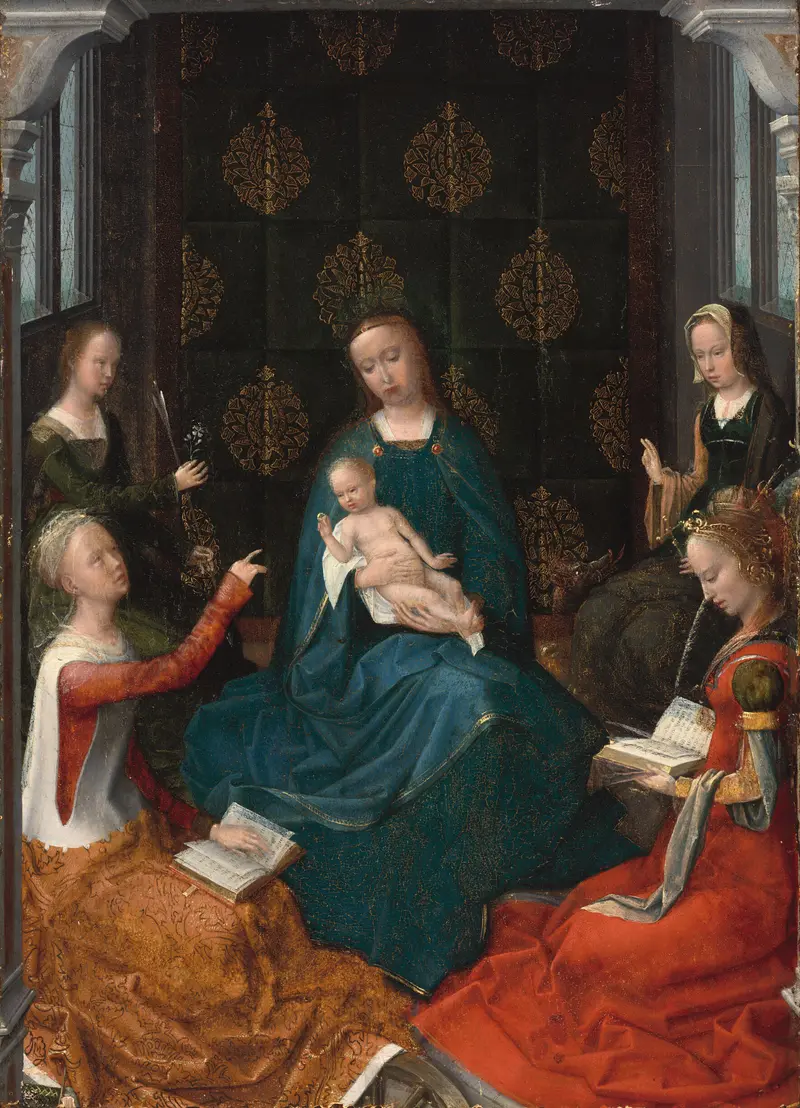
The Mystic Marriage of Saint Catherine of Alexandria with Three Female Saints: Ursula, Margaret of Antioch, and an Unidentified Martyr
Adriaen Isenbrant
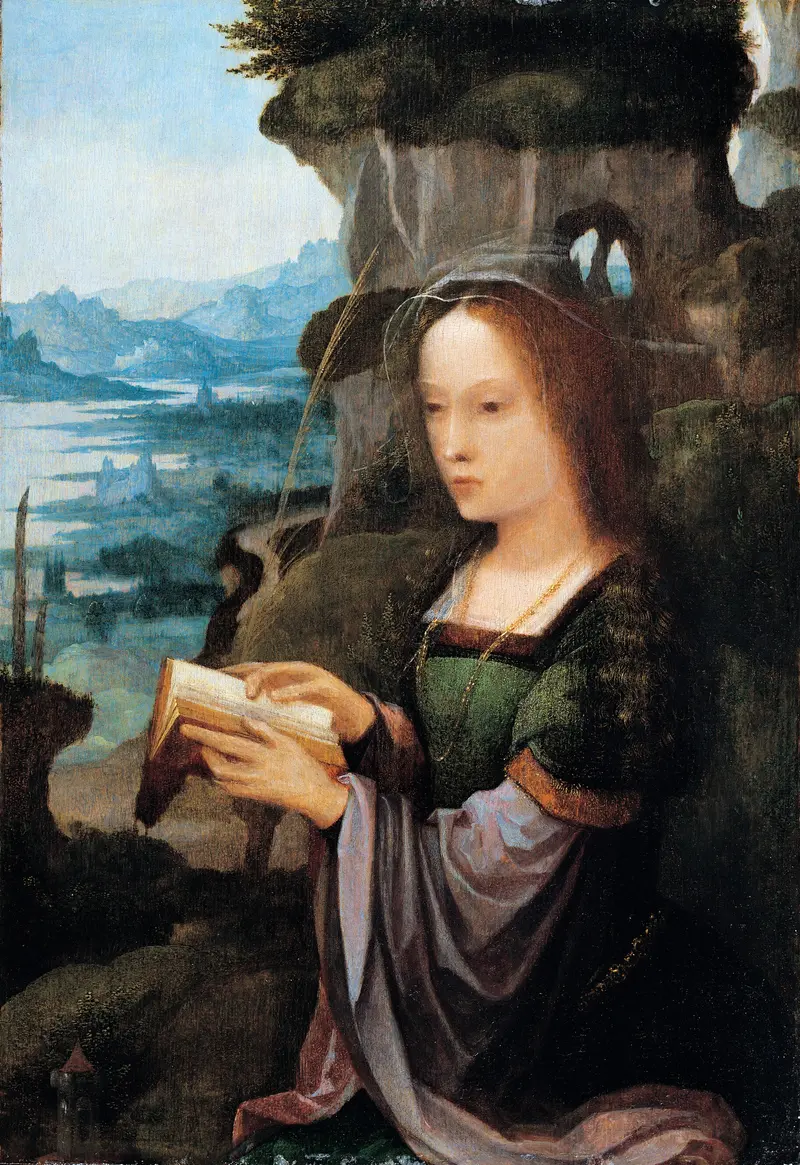
Saint Barbara
Adriaen Isenbrant
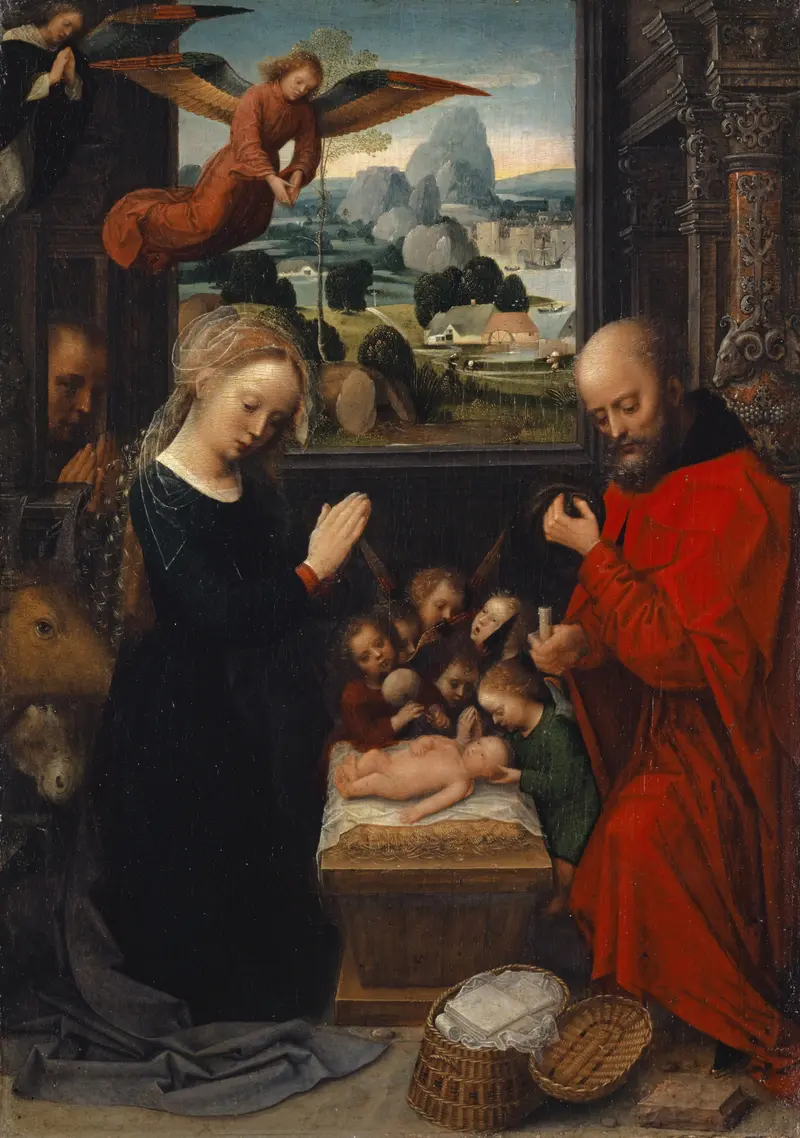
The Nativity
Adriaen Isenbrant
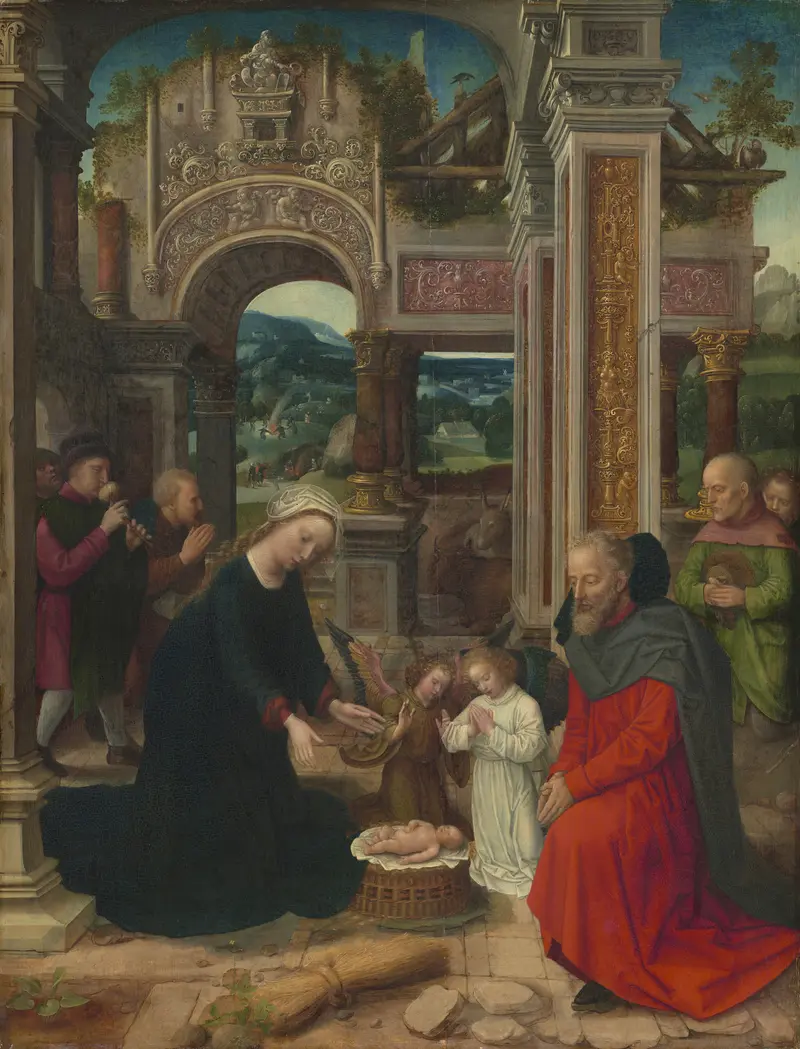
The Adoration of the Shepherds
Adriaen Isenbrant
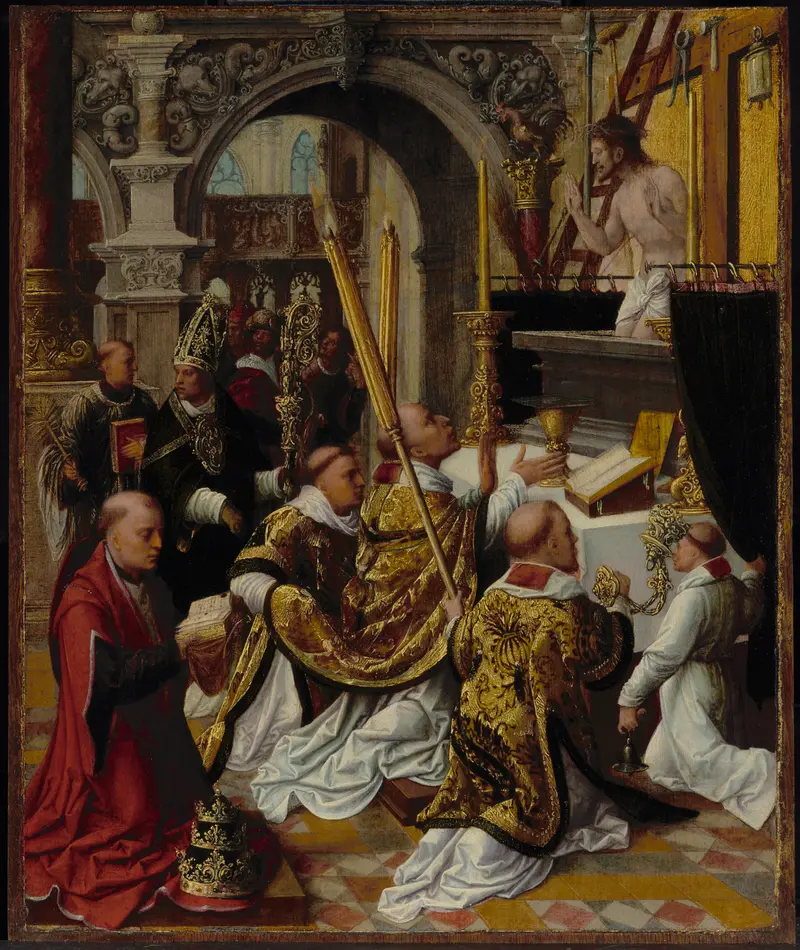
The Mass of Saint Gregory the Great
Adriaen Isenbrant
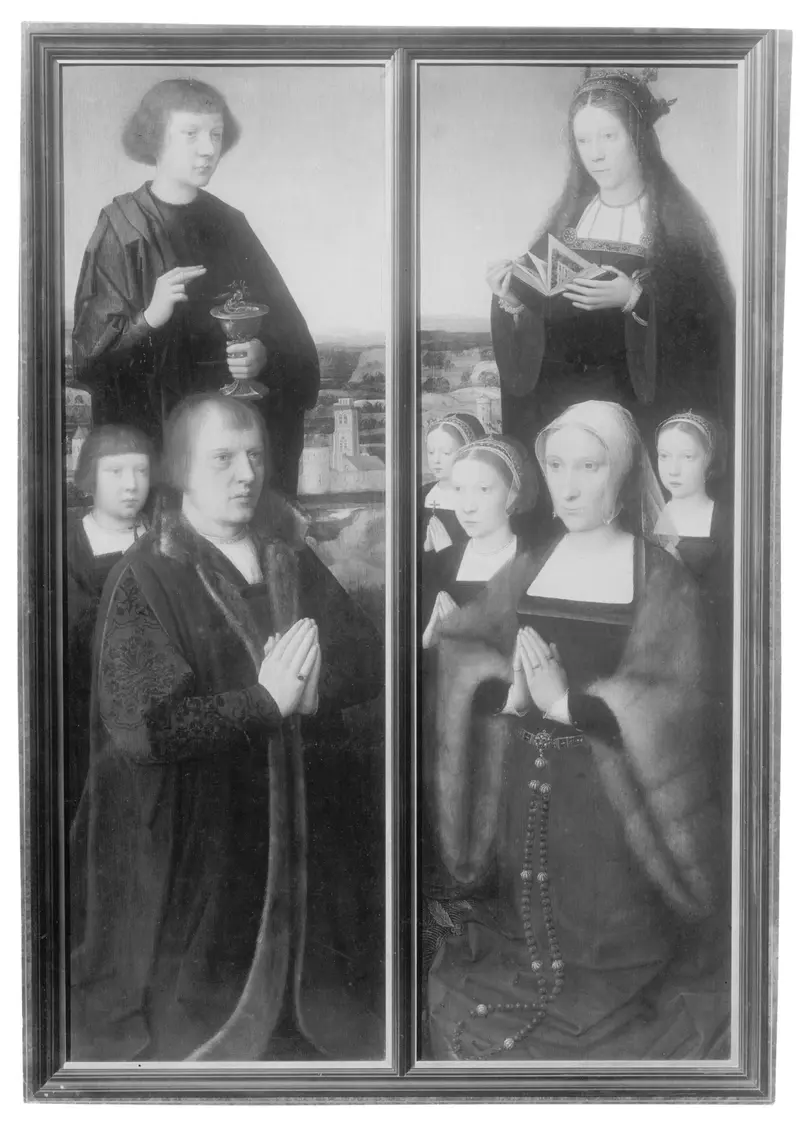
Wings of a polyptych with donors -Man with son and Saint, Woman with daughters and Saint (burned)
Adriaen Isenbrant
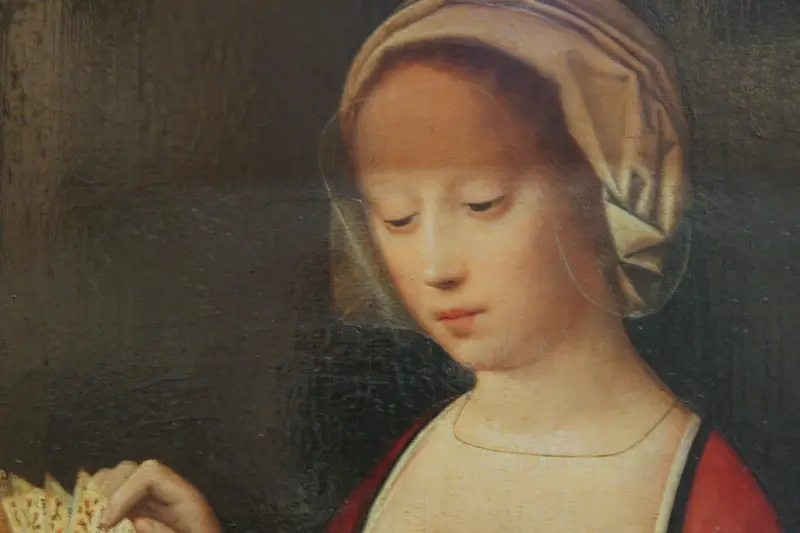
Mary Magdalene Reading
Adriaen Isenbrant
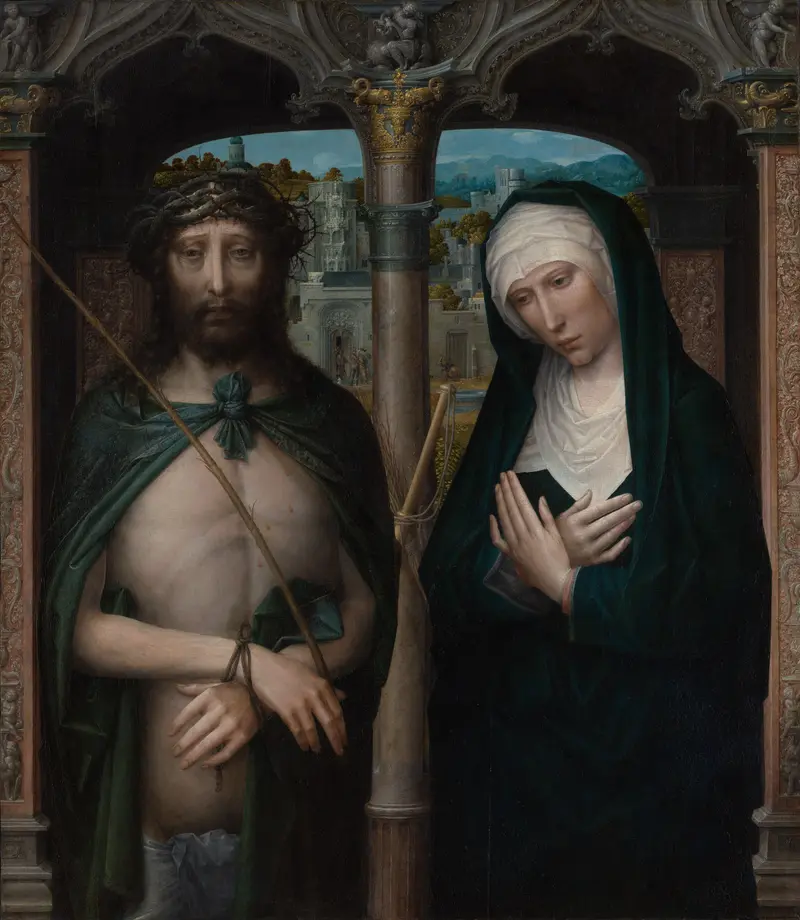
Christ Crowned with Thorns (Ecce Homo), and the Mourning Virgin
Adriaen Isenbrant
Madonna and Child
Adriaen Isenbrant
The 12-Year-Old Jesus in the Temple
Adriaen Isenbrant





