
The Return of Judith to Bethulia — History & Facts
In the late 1460s, the city of Florence was gripped by political tension and the looming threat of invasion, making the biblical story of Judith—a woman who saves her people by outwitting and beheading the enemy general Holofernes—especially resonant. The Return of Judith to Bethulia by Sandro Botticelli is a rare early depiction of the moment after the act, painted at a time when Florentine patrons sought images that celebrated both civic virtue and quiet heroism. Unusually, Botticelli chooses not to show the violence itself, but rather the aftermath: Judith’s calm return, sword in hand, accompanied by her maidservant.
This focus on dignity over brutality set his version apart from the more sensational treatments by his contemporaries. Botticelli’s painting captures Judith at the threshold of Bethulia, her face serene yet resolute, the weight of Holofernes’ severed head carried discreetly by her maid. The sword Judith holds is rendered with careful attention, a symbol of both justice and divine favor. The figures are elongated, their drapery flowing in rhythmic lines—a hallmark of Botticelli’s early style.
Light falls softly on Judith, setting her apart from the darker, more anonymous background, emphasizing her role as both savior and outsider. Unlike Artemisia Gentileschi’s later, dramatic renditions, Botticelli’s Judith is not a figure of violence but of moral clarity and grace. The exact patron of The Return of Judith to Bethulia remains unknown, but it was likely commissioned by a member of Florence’s merchant elite, reflecting the city’s admiration for civic courage. Painted around 1470, this work marks an early point in Botticelli’s career, before his rise to fame with mythological subjects like Primavera.
The medium is still debated—some suggest tempera on panel, others propose canvas—but its delicate handling and luminous color are unmistakably Botticelli. Today, the painting is recognized as a key example of Florentine narrative painting from the early Renaissance, admired for its restraint and psychological insight, though its precise journey through collections is not fully documented.
More Artworks by Sandro Botticelli
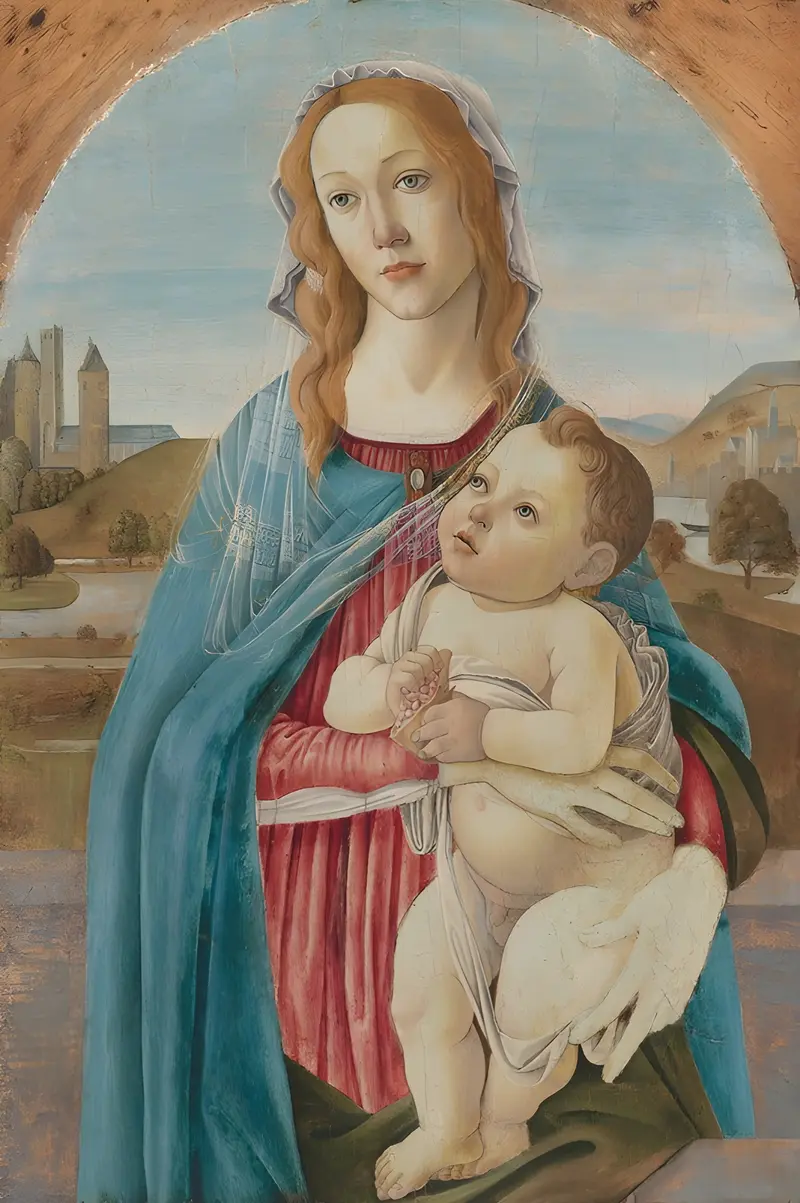
Virgin and Child
Sandro Botticelli
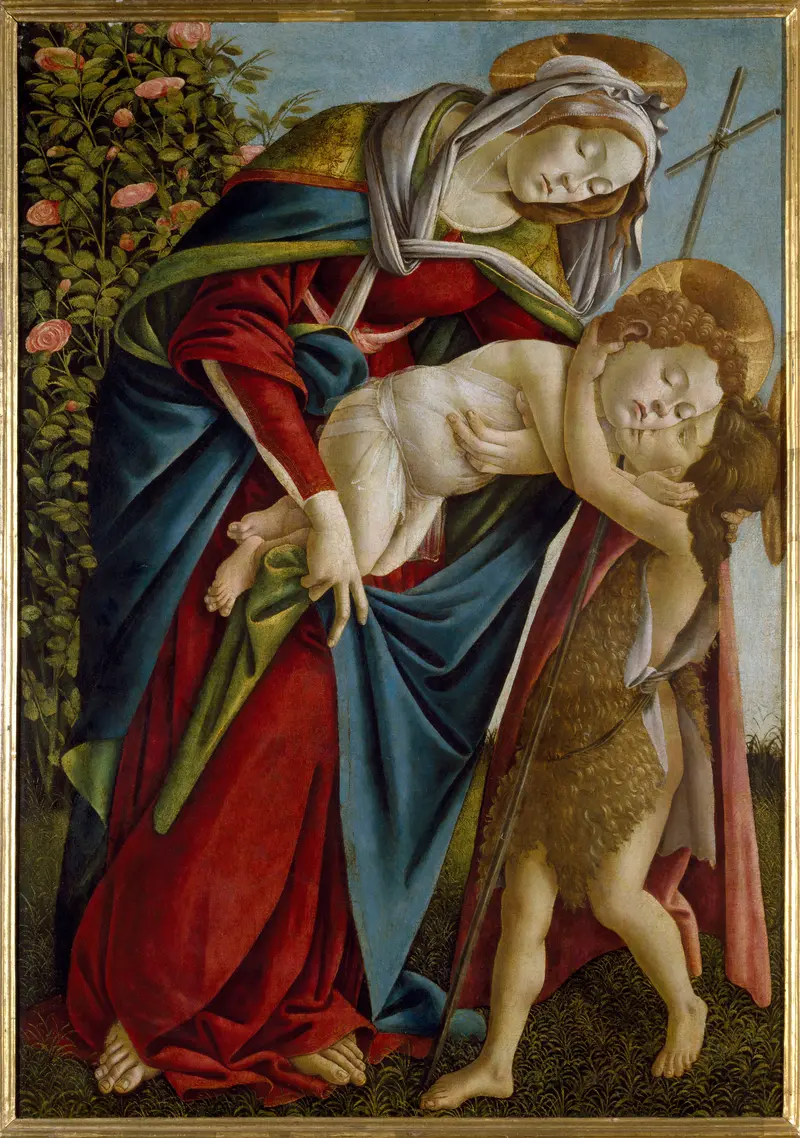
Madonna and Child and the Young St John the Baptist
Sandro Botticelli
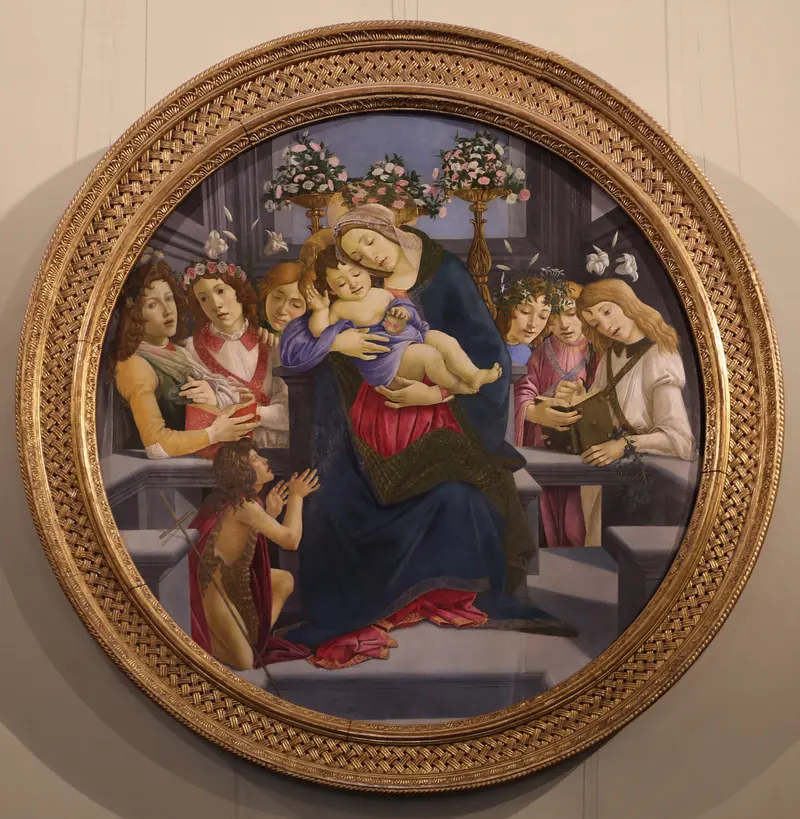
Madonna and Child with six angels and Saint John the Baptist as Child
Sandro Botticelli
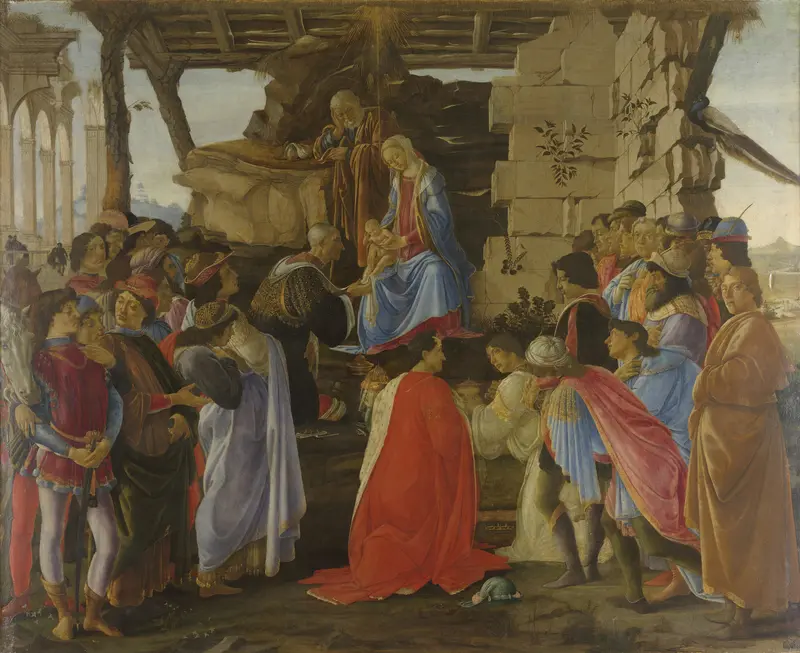
Adoration of the Magi
Sandro Botticelli

Virgin and Child with the Young Saint John the Baptist
Sandro Botticelli
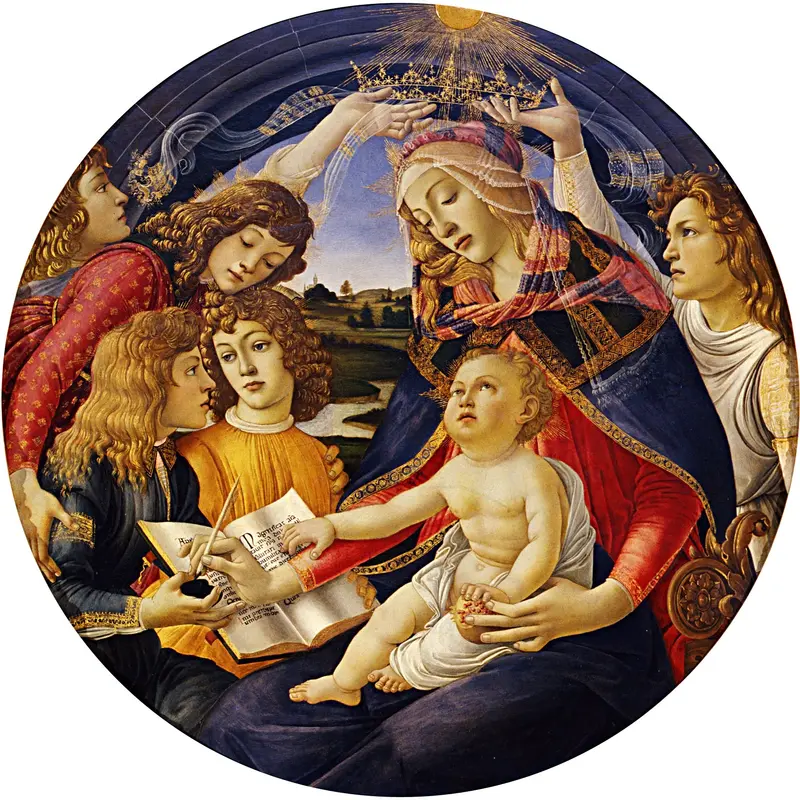
Madonna of the Magnificat
Sandro Botticelli
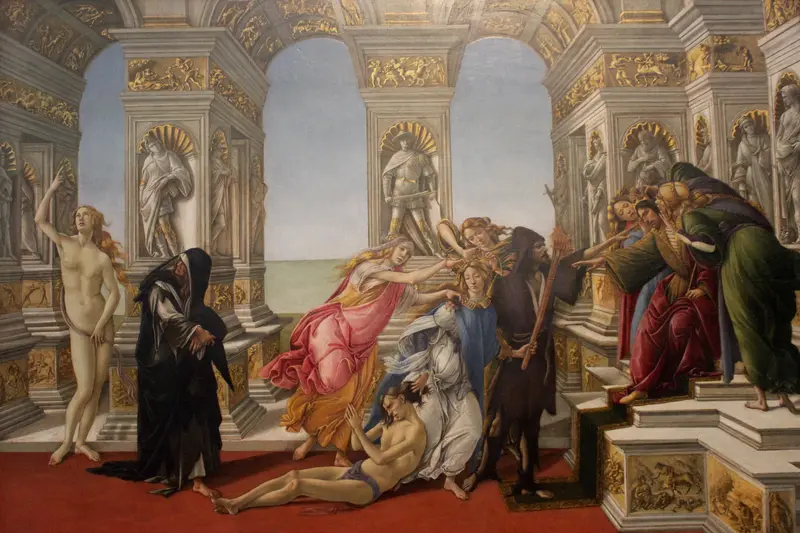
Calumny of Apelles
Sandro Botticelli
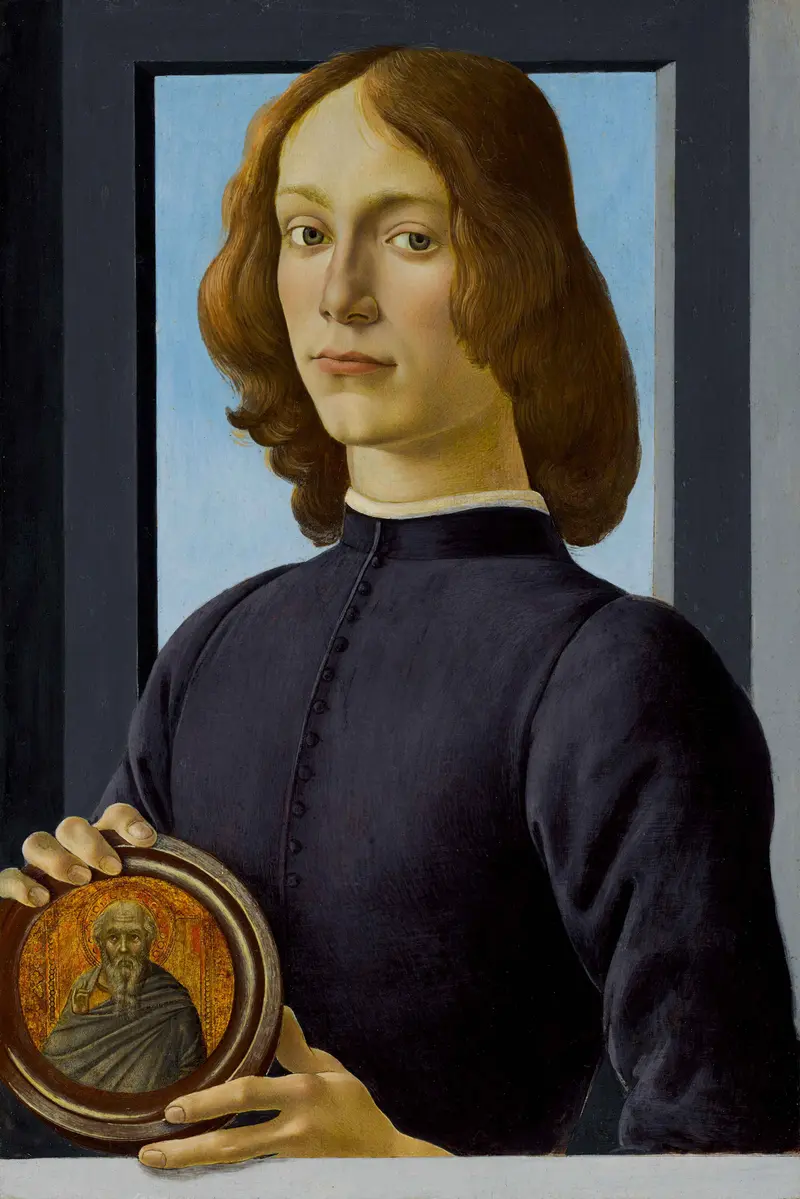
Portrait of a young man holding a roundel
Sandro Botticelli

The Trinity with Saint Mary Magdalene and Saint John the Baptist, the Archangel Raphael and Tobias
Sandro Botticelli
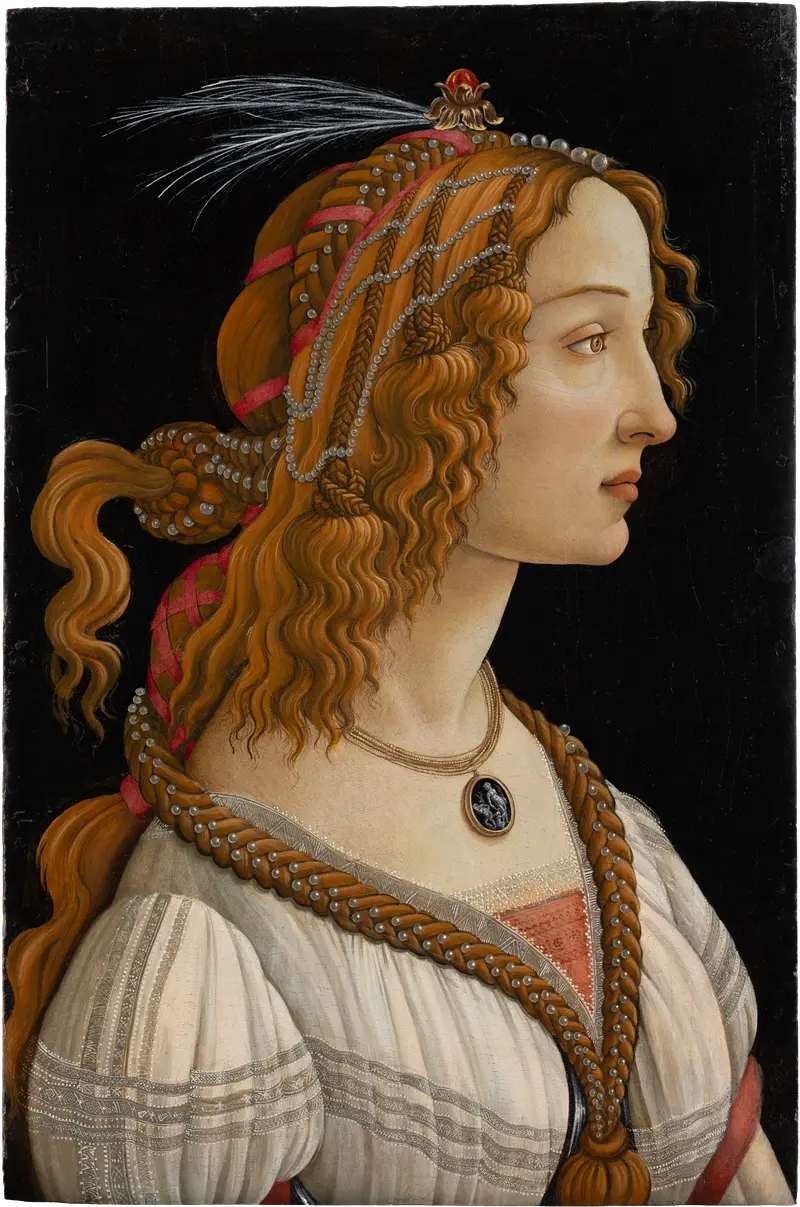
Idealized Portrait of a Lady (Portrait of Simonetta Vespucci as Nymph)
Sandro Botticelli





