
The Return of the Prodigal Son — History & Facts
What draws the eye first in The Return of the Prodigal Son by Abraham van Cuylenborch is the desperate embrace at the center—a kneeling, half-clad youth clings to an elderly man whose arms open in a gesture of both surprise and forgiveness. The play of light here is deliberate: the figures at the threshold are bathed in a warm, golden glow, while the background recedes into cooler, softer hues. The old man’s expression, a mixture of shock and tenderness, is echoed in the gentle hand of the attendant behind him, steadying the moment.
In the distance, two elegantly dressed figures and a dog pause, their presence a reminder that this reunion is both private and public, a spectacle as much as a homecoming. The architecture, with its grand stair and classical columns, frames the drama, lending it a sense of permanence and weight. Painted in 1657, this work belongs to a world where biblical stories were brought into the homes of prosperous Dutch citizens, serving as both moral lesson and status symbol. The mid-17th century saw artists like van Cuylenborch adapting sacred tales to resonate with contemporary viewers, clothing familiar parables in the fashions and settings of their own time.
Such paintings were often commissioned for private devotion or as a testament to the owner's piety and taste. Today, The Return of the Prodigal Son is held in the collection of the Centraal Museum, Utrecht—a reminder that, while history has left few traces of this particular canvas’s journey, its story is still unfolding in the gaze of each new visitor. Look again at the father’s open arms and the son’s desperate grip; the heart of the parable still beats here.
More Artworks by Abraham van Cuylenborch

Inneres einer Ruine mit einer Staffage von Orientalen
Abraham van Cuylenborch
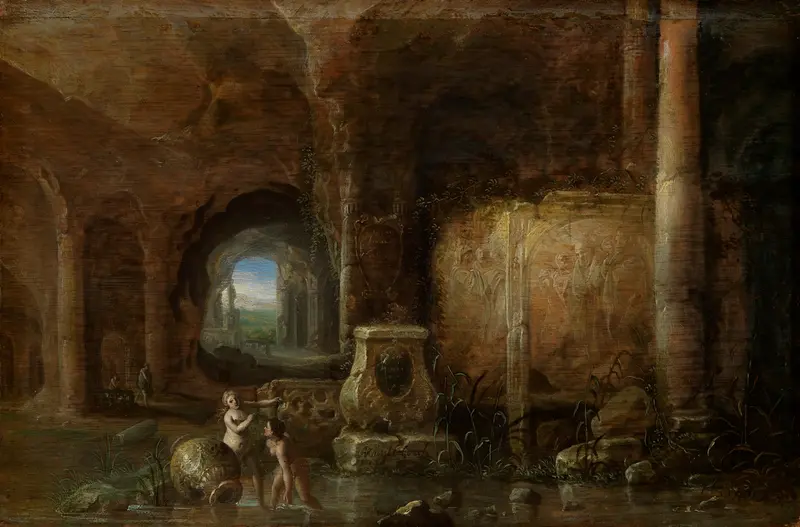
Grotto with ancient sculptures and bathing women
Abraham van Cuylenborch
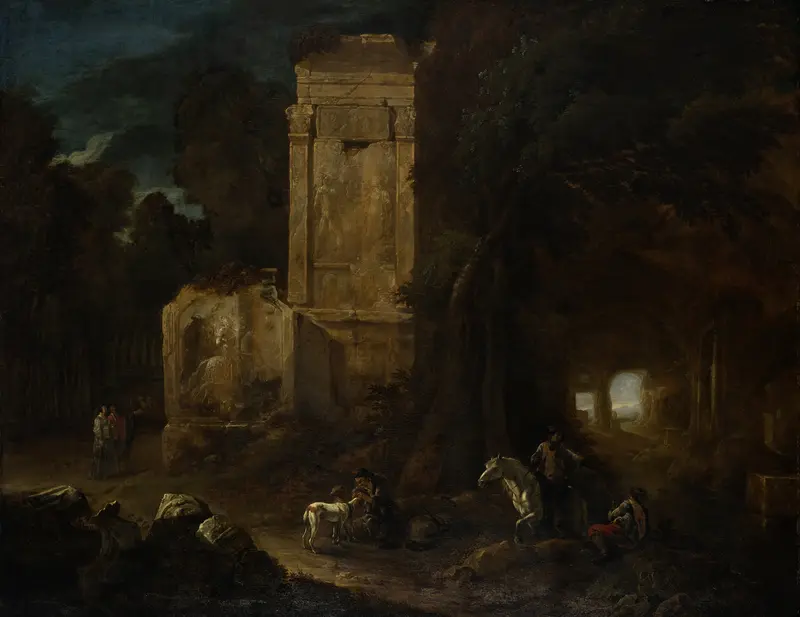
Landscape with Ancient Ruins
Abraham van Cuylenborch
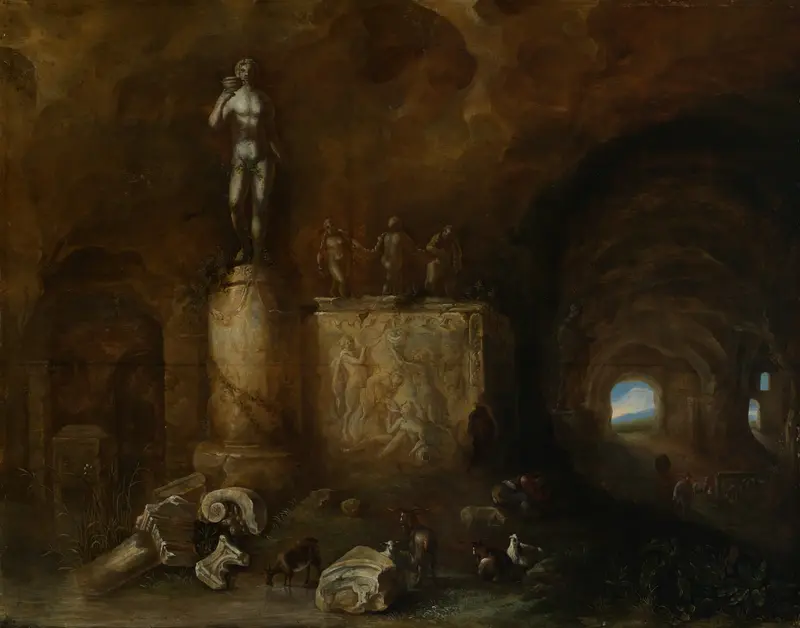
Interior of a grotto with sculptures and a sleeping shepherd
Abraham van Cuylenborch
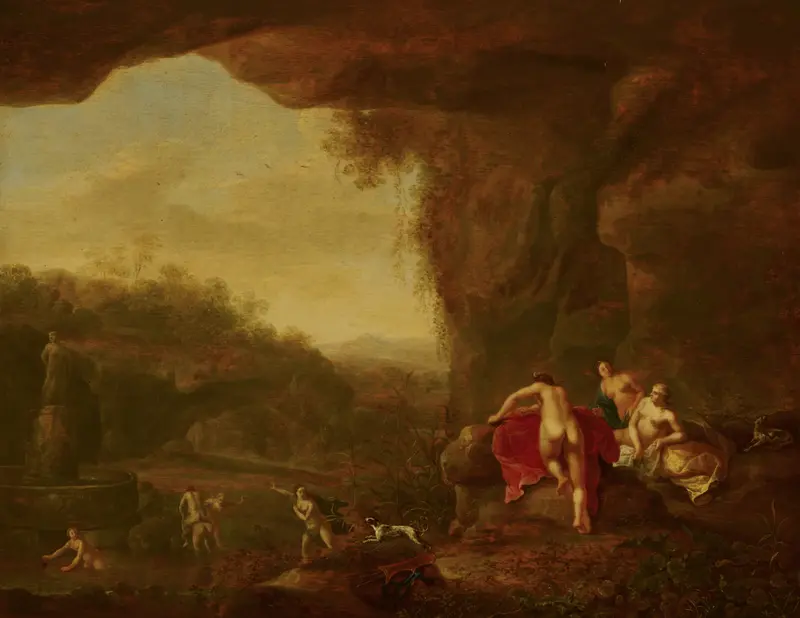
Diana and her Companions
Abraham van Cuylenborch
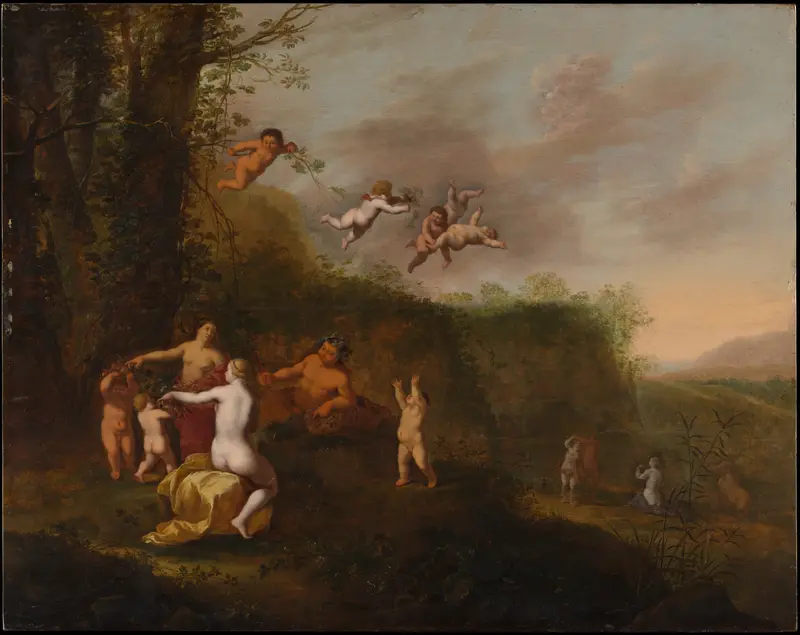
Bacchus and Nymphs in a Landscape
Abraham van Cuylenborch
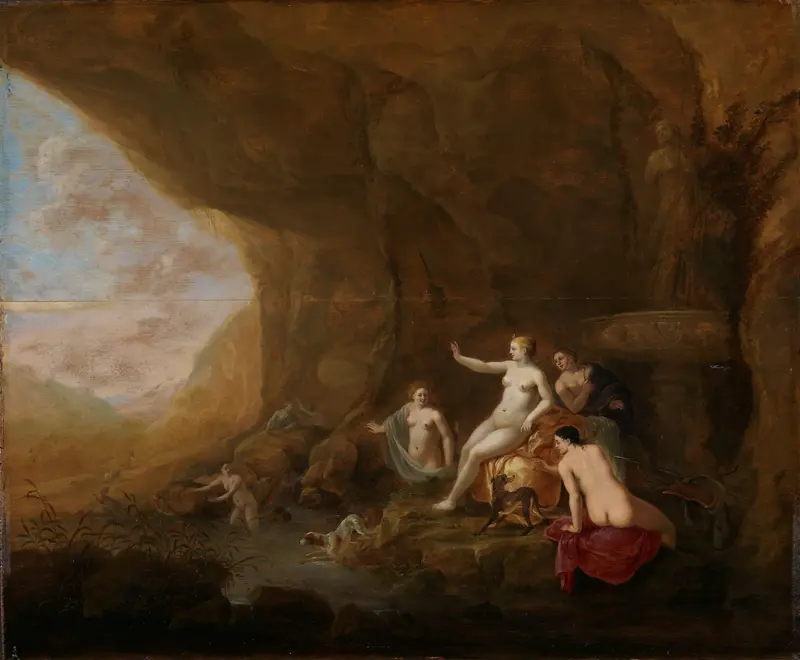
Diana and Actaeon
Abraham van Cuylenborch





