
The Return to the Farm (Le Retour à la Ferme) — History & Facts
What secret hides in the quiet of the canvas? In the interplay of shadow and light, a dreamlike narrative unfolds, inviting the viewer to ponder the unspoken stories of rural life. Focus on the soft hues that wash over the landscape, where a muted palette of greens and browns evokes a sense of nostalgia. Notice how the delicate brushstrokes create a gentle undulation across the fields, suggesting the movement of grass in a light breeze. The figures, modest in size, occupy the left side of the canvas, their humble silhouettes telling tales of toil and repose in a world untouched by haste.
The distant farmhouse looms softly in the background, anchoring the scene while inviting contemplation of home and belonging. There’s a tension present in this tranquil tableau, a complex layering of emotions that speaks to both labor and respite. The figures, seemingly at ease, carry an air of solemnity; their postures hint at fatigue, tracing the lines of a hard day's work. Perhaps this return is not merely physical but a metaphorical journey—an awakening to life's simple pleasures, an introspection on what it truly means to return home.
The gentle light that bathes the scene suggests the fleeting nature of time and the dreams woven into the fabric of everyday existence. Alphonse Legros created this work between 1857 and 1911, a period marked by personal and artistic exploration. Living in Paris, he was enmeshed in the currents of the Impressionist movement, yet he pursued his vision of realism with a focus on the rural experience. The emotional resonance of this artwork reflects his own yearnings for authenticity amidst the rapid changes of the modern world.
More Artworks by Alphonse Legros
Browse all →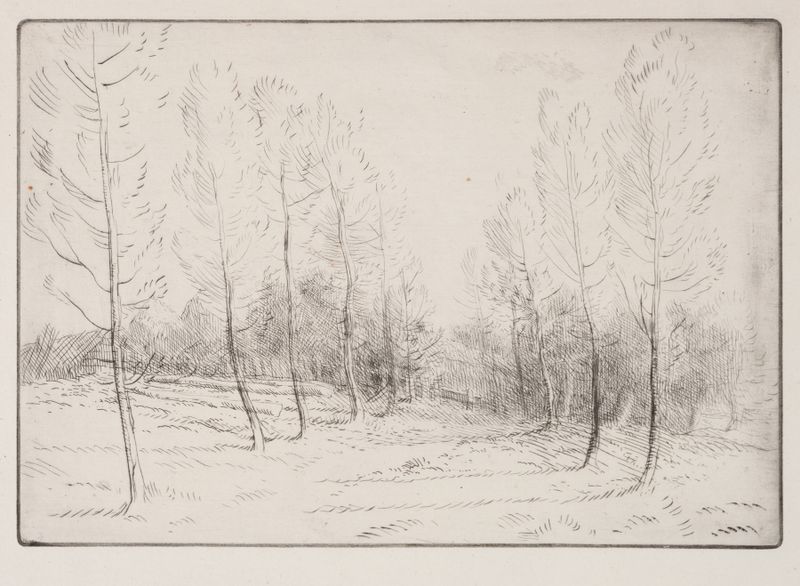
Avenue of Poplars
Alphonse Legros
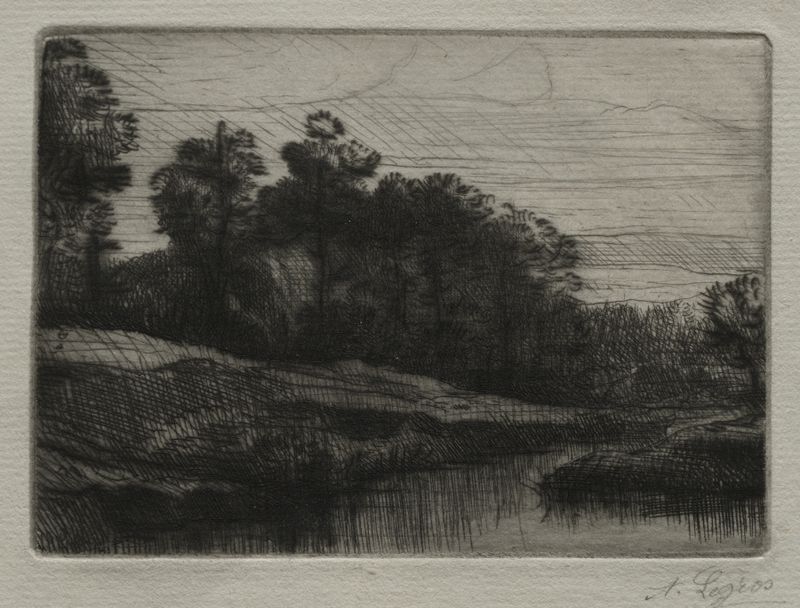
Evening
Alphonse Legros

The Fish in the Hoop Net
Alphonse Legros

The Little Beggar
Alphonse Legros
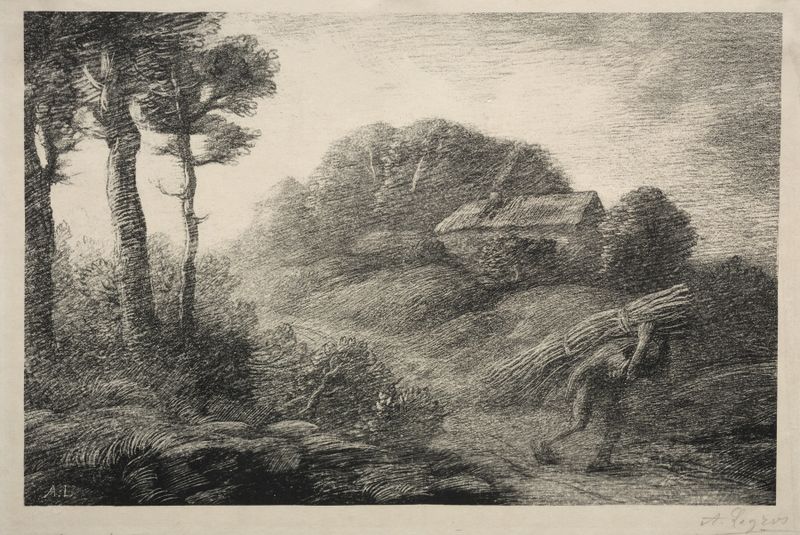
The Return of the Fagot Gatherer
Alphonse Legros

Storm
Alphonse Legros
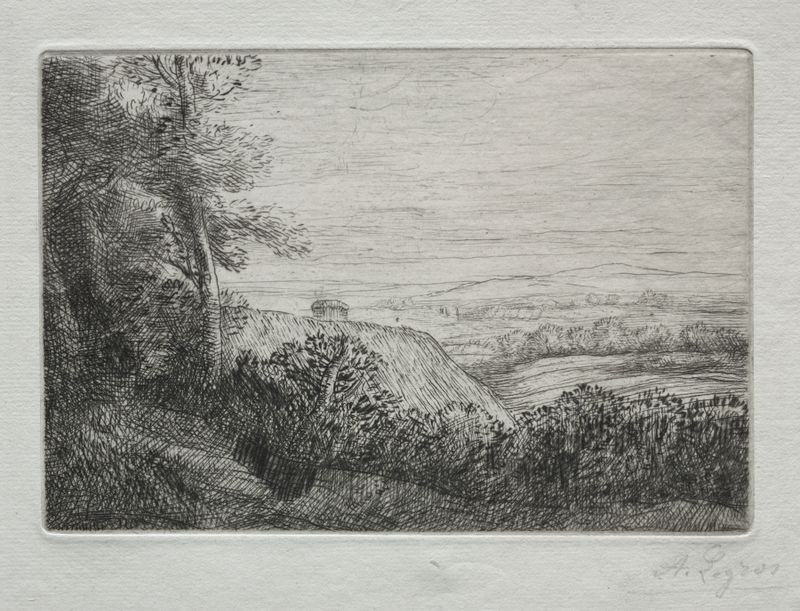
Les dernière Rayons de Soleil
Alphonse Legros
The Traveler Stretched out on the Grass
Alphonse Legros
Guard House
Alphonse Legros

Death of a Vagabond
Alphonse Legros





