
The River — History & Facts
In The River, a haunting expanse of nature invites you to explore the depths of solitude and reflection. The artwork evokes a profound sense of loneliness, where the silent waters mirror not just the physical landscape but the emotional terrain of the viewer's heart. Look to the foreground where the water gently laps at the shore, its muted blues and greens setting a contemplative mood. Notice how the light falls softly across the surface, brightening the scene with a whisper of gold as it meets the horizon.
The brushstrokes, delicate and purposeful, guide your gaze toward the distant trees, their dark silhouettes standing in stark contrast to the serene backdrop. This juxtaposition creates an intimate dialogue between the vibrant life of nature and the quiet stillness of the scene. As you delve deeper into the painting, consider the hidden emotions intertwined within the rippling water and the ominous shadows of the trees. They represent the tension between isolation and the natural world's continuity, suggesting an endless cycle of life that continues even in moments of solitude.
The gentle blending of colors enhances the feeling of melancholy, inviting viewers to ponder their own experiences of loneliness while contemplating the vastness of life surrounding them. Created in 1870, this work emerged during a time when Henri-Joseph Harpignies was gaining recognition for his landscapes. Living in France, he was influenced by the Barbizon School, which emphasized capturing nature's essence with emotional depth. Harpignies' journey as an artist was marked by an exploration of light and atmosphere, cementing his place in the evolving world of 19th-century art.
More Artworks by Henri-Joseph Harpignies
Browse all →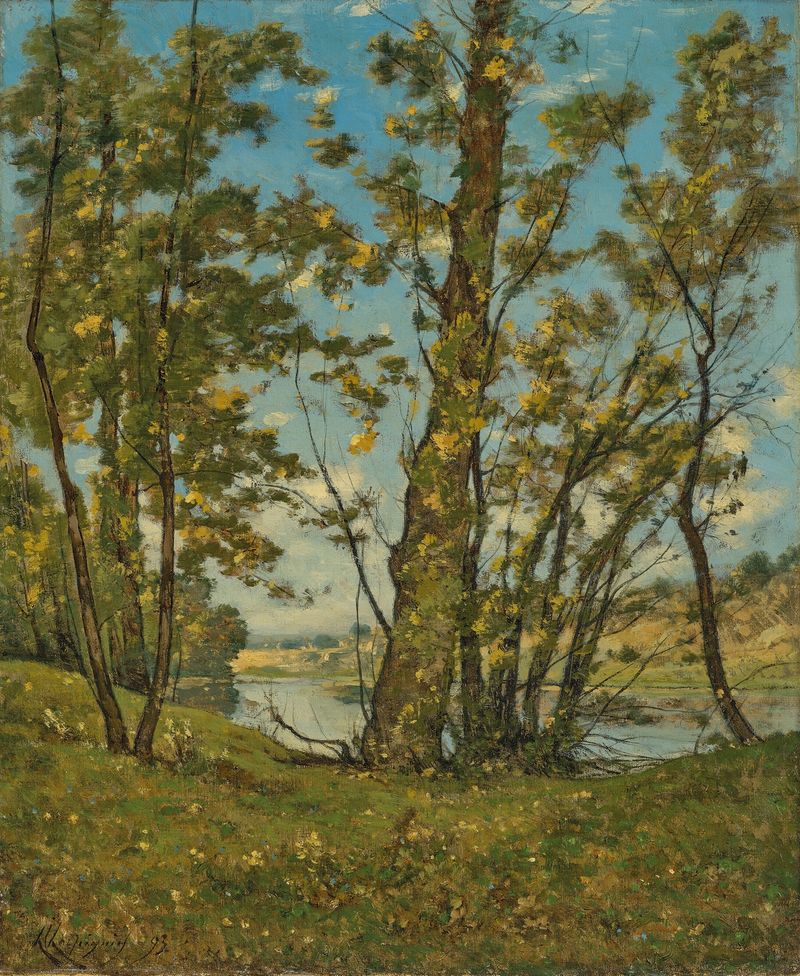
La Loire à Bonny
Henri-Joseph Harpignies
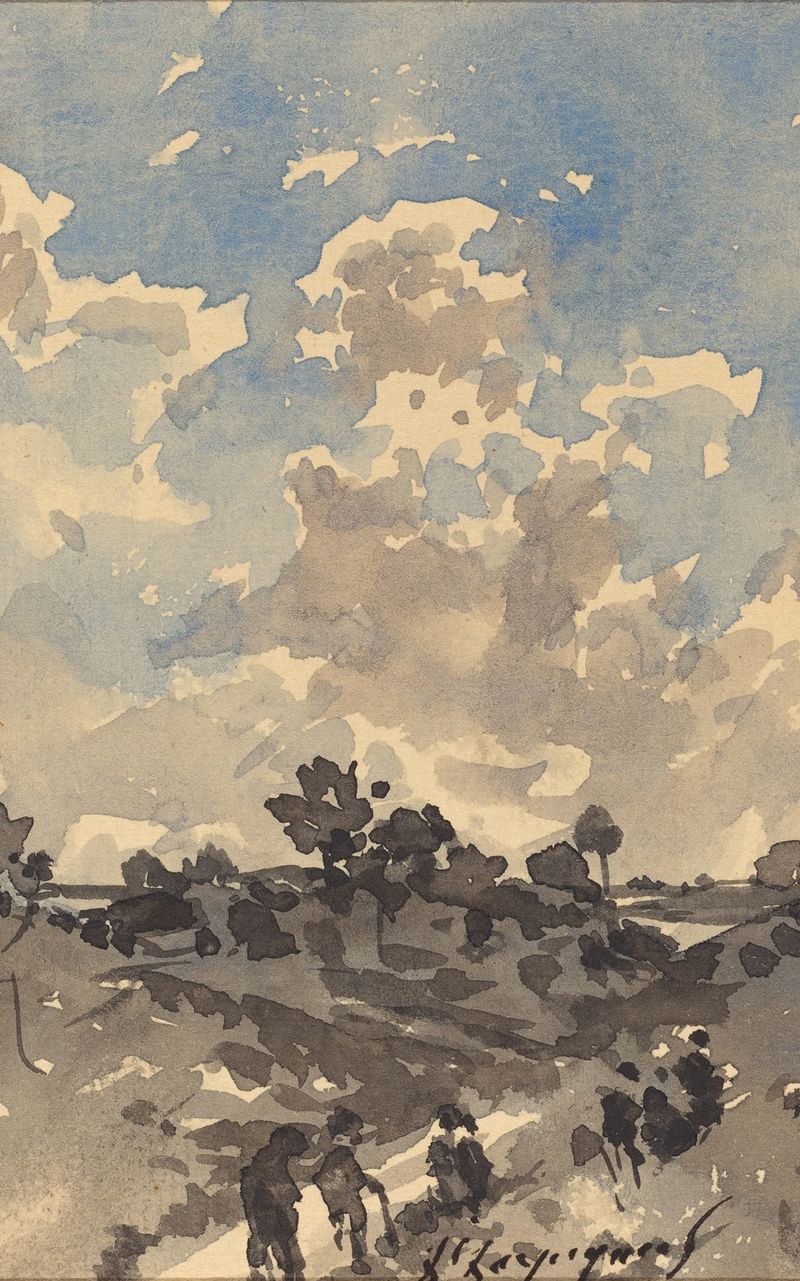
A Landscape with Figures Walking along a Path
Henri-Joseph Harpignies
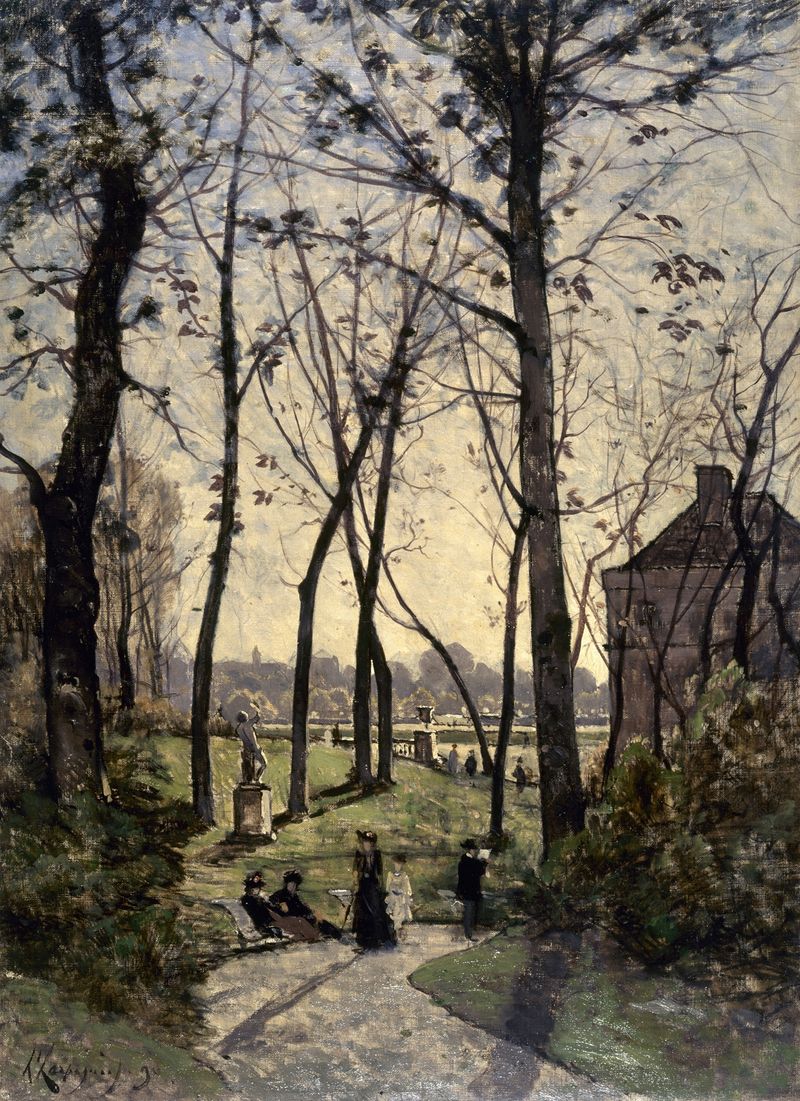
Le jardin du Luxembourg
Henri-Joseph Harpignies
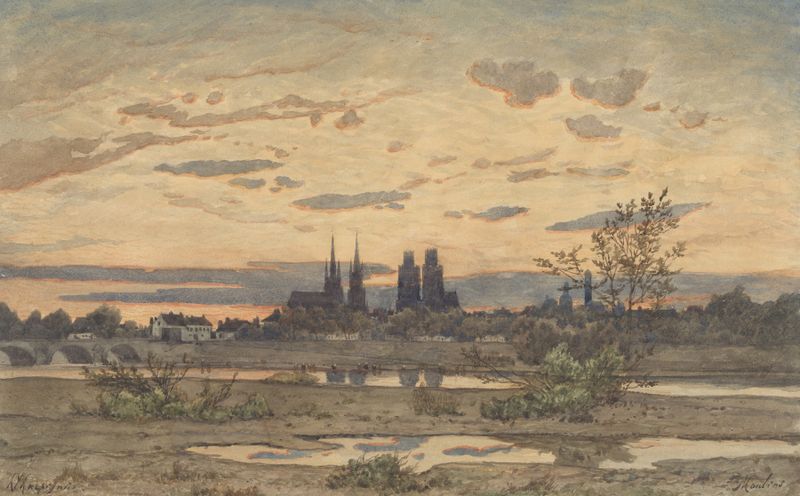
A View of Moulins
Henri-Joseph Harpignies
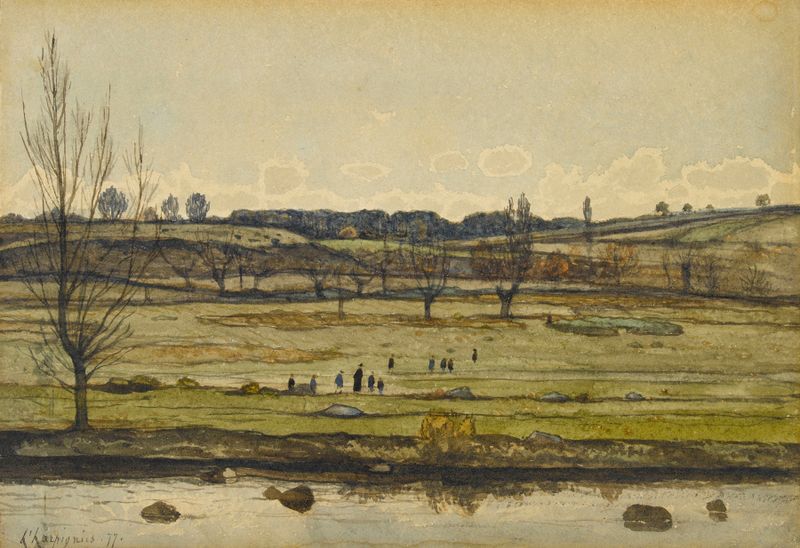
Paysage
Henri-Joseph Harpignies
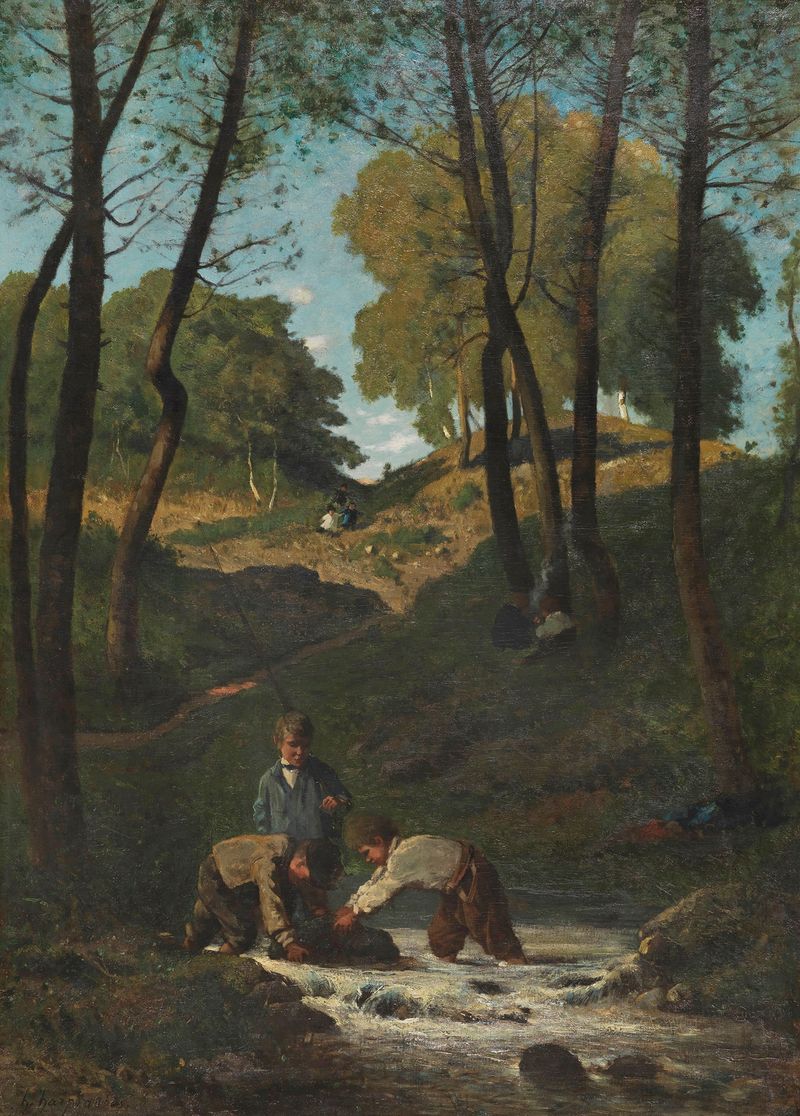
Chercheurs d’écrevisses
Henri-Joseph Harpignies
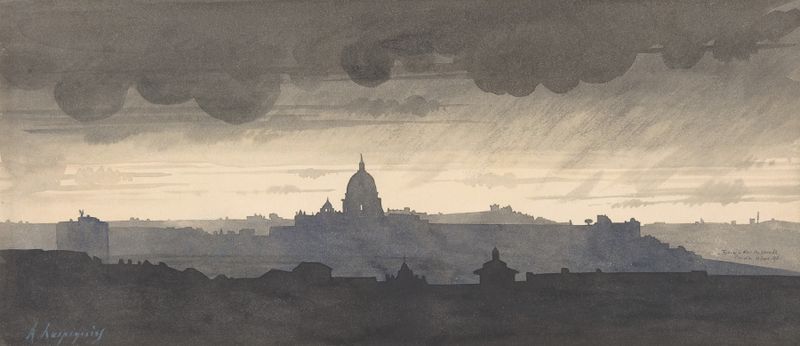
Saint Peter’s Seen From the Pincio, Rome
Henri-Joseph Harpignies
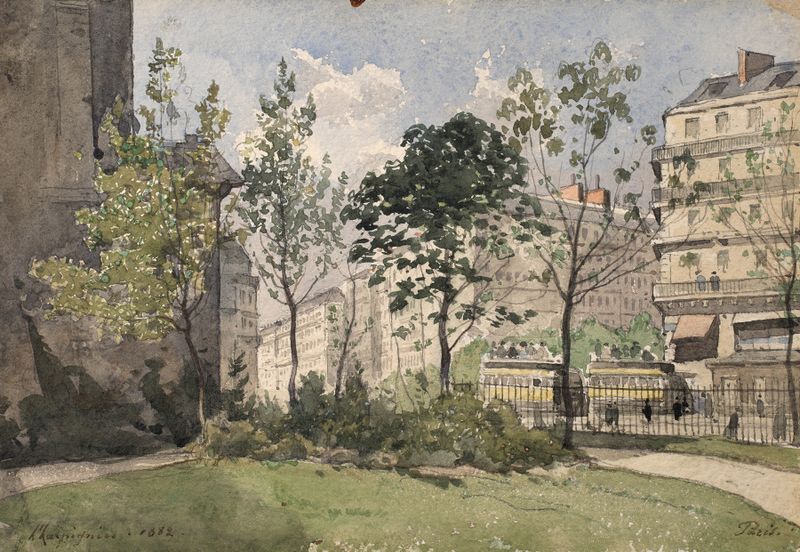
View of the forecourt of the Saint-Germain-des-Prés church
Henri-Joseph Harpignies
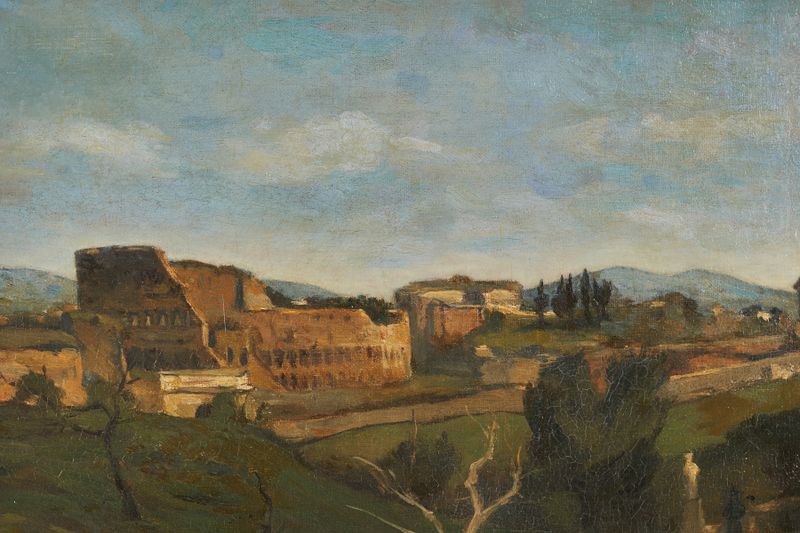
Le Colisée à Rome
Henri-Joseph Harpignies

Villefranche
Henri-Joseph Harpignies





